Air Quality
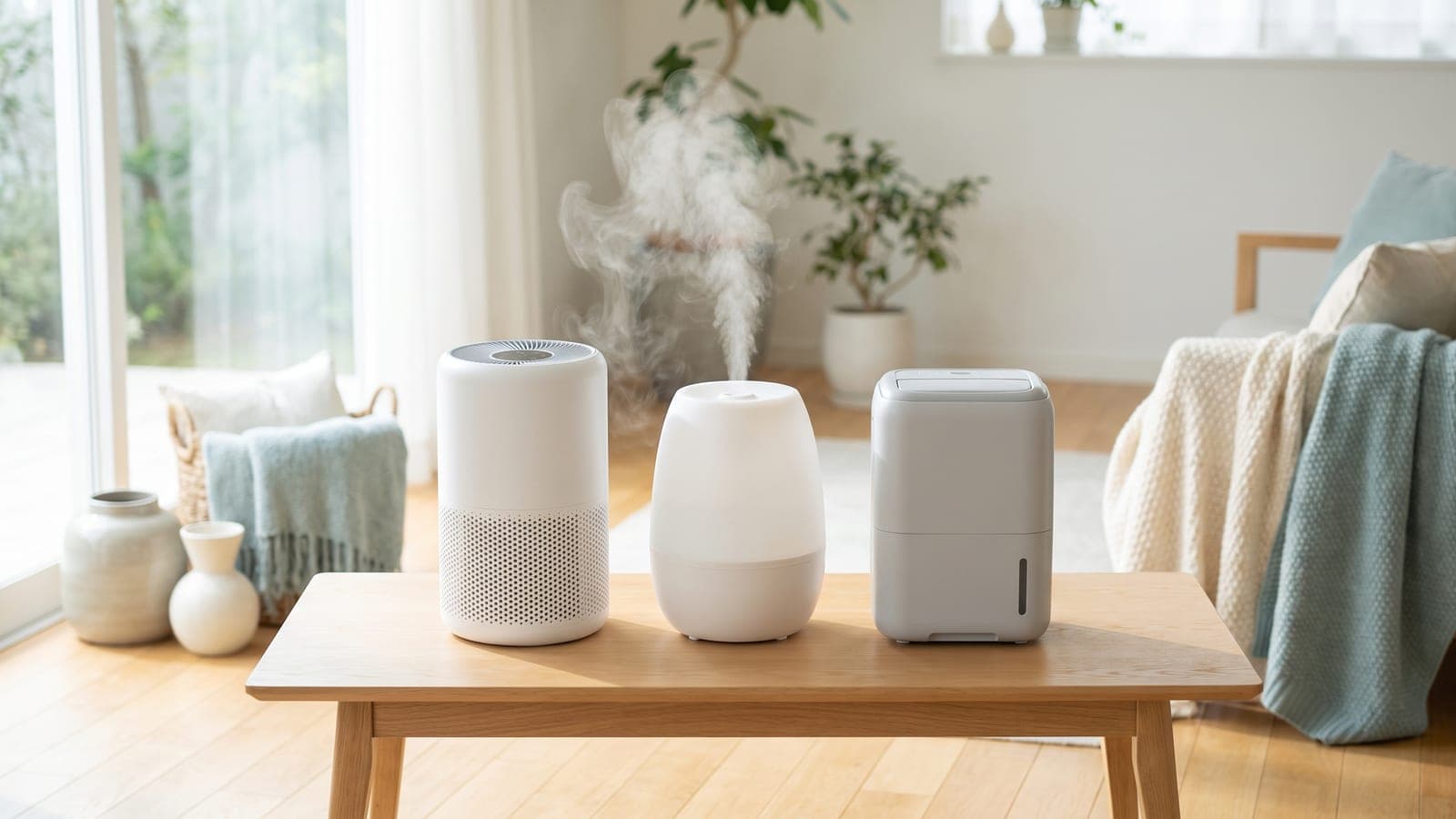
Air Purifier vs Humidifier vs Dehumidifier: What's the Difference?
Air purifier vs humidifier vs dehumidifier: a purifier removes particles, a humidifier adds moisture, a dehumidifier removes it. Here's when you need each.
Read more →Plain-English guides to cleaner indoor air: what HEPA and CADR actually mean, what a purifier can and can't do, filter costs, and how to pick for your room.
Air Quality
Air purifier vs humidifier vs dehumidifier: a purifier removes particles, a humidifier adds moisture, a dehumidifier removes it. Here's when you need each.
Read more →
Air Quality
Are air purifiers worth it? For airborne particles, yes — when sized right. Here's the honest cost-benefit: unit, filters, electricity, and who benefits most.
Read more →
Air Quality
Are ionizer air purifiers safe? Ionizers make some ozone with unclear benefit; ozone generators are a lung irritant to avoid. Here's the safe alternative.
Read more →
Air Quality
Do air purifiers work? Yes — a correctly sized True HEPA unit measurably cuts airborne dust, pollen, dander, and smoke. Here's what they can't do.
Read more →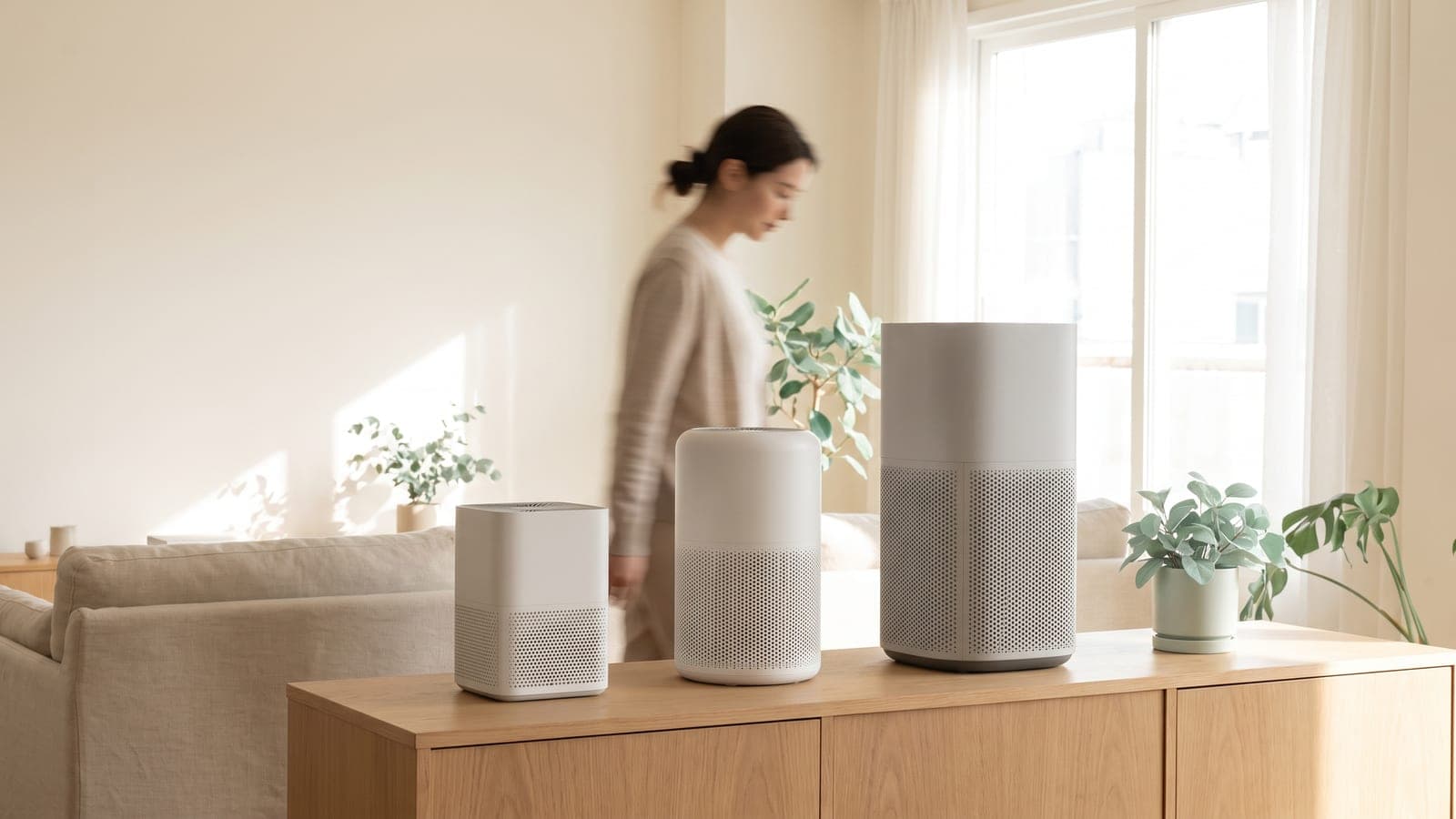
Air Quality
How to choose an air purifier: size it by CADR to your room, insist on True HEPA, add carbon for odors, and weigh filter cost and noise — a plain-English buyer's guide.
Read more →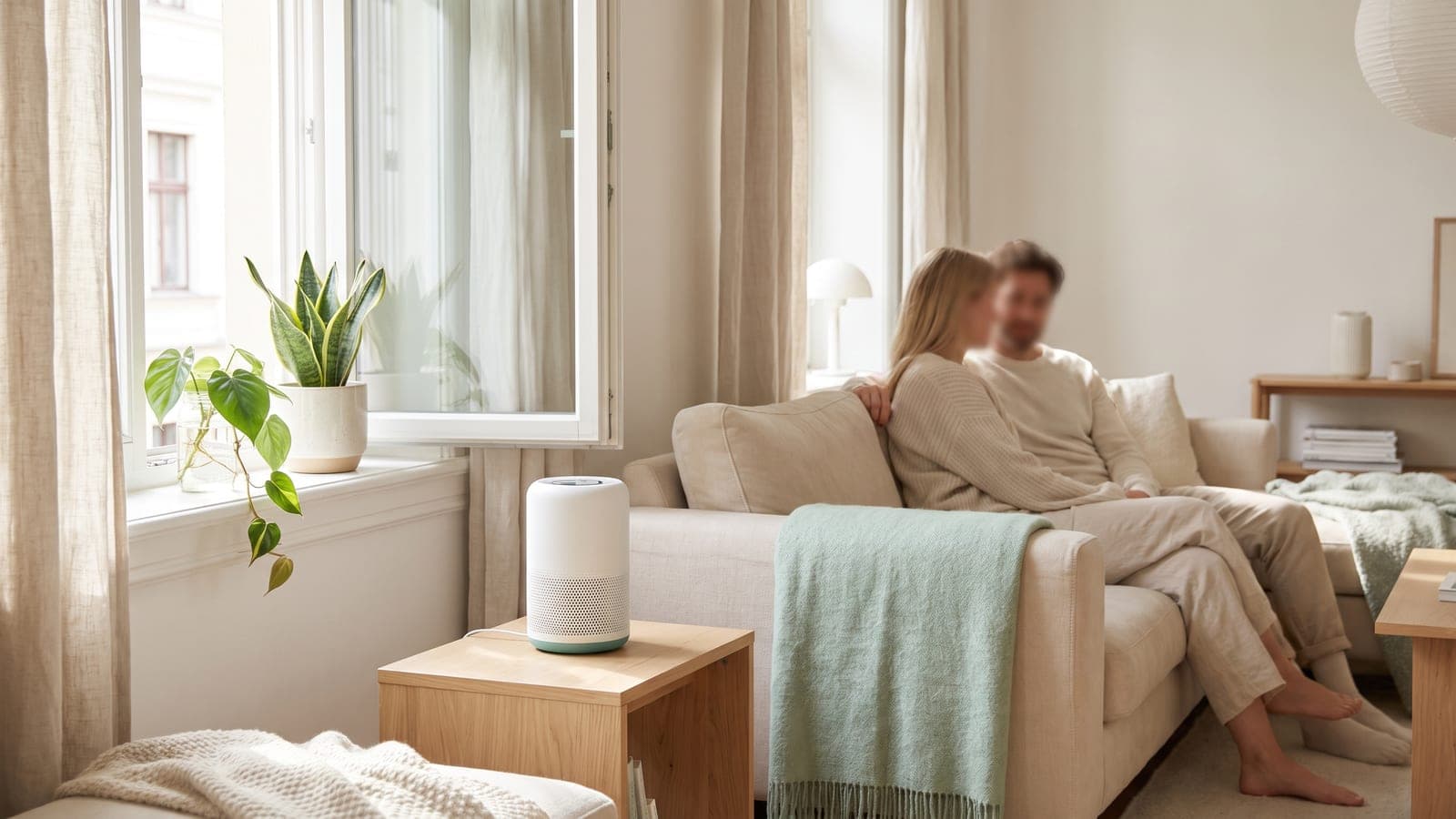
Air Quality
How to improve air quality in your apartment: control sources, vent cooking, manage humidity, and add a right-sized HEPA purifier. A practical renter's guide.
Read more →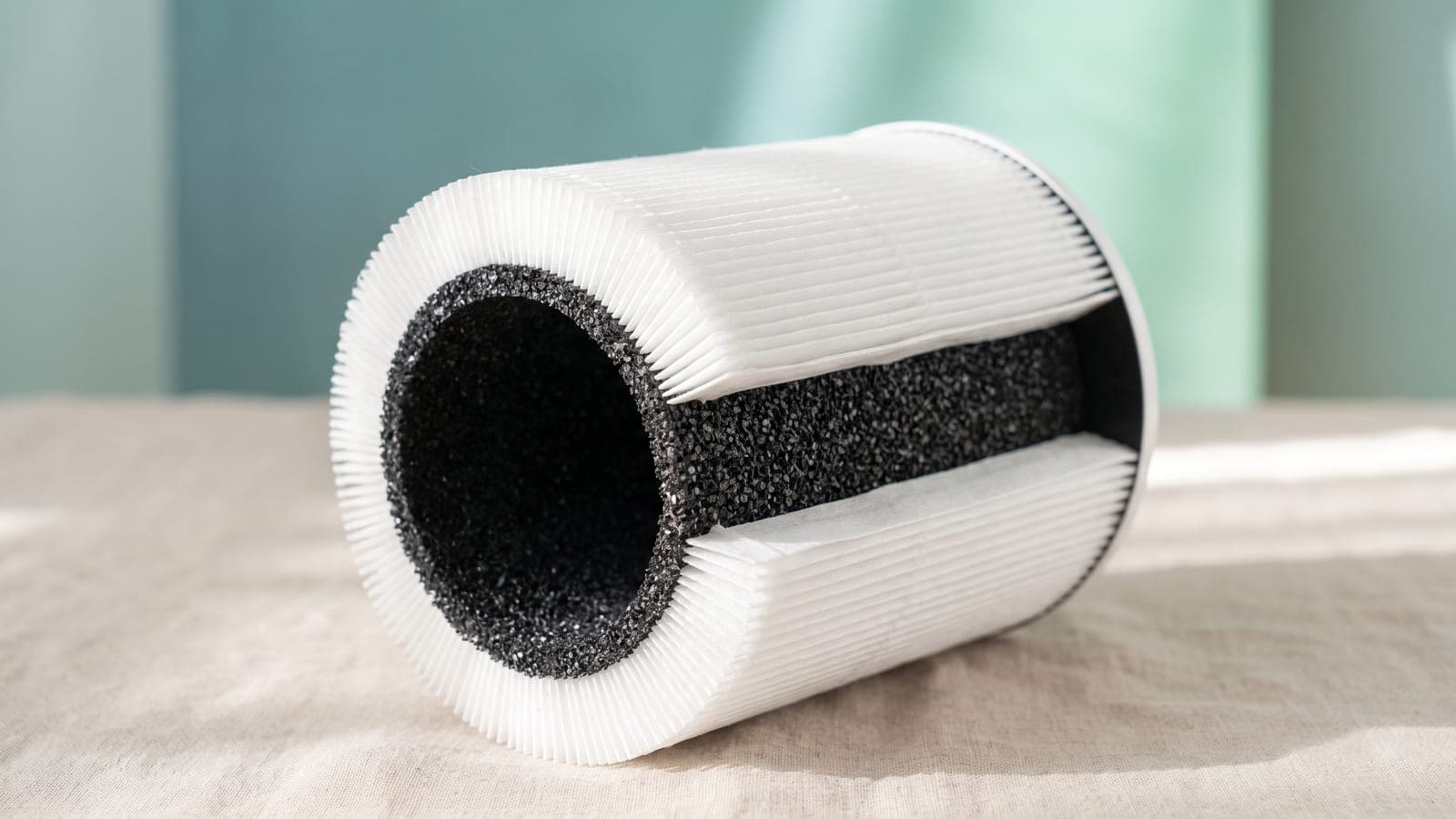
Air Quality
An activated carbon air filter adsorbs gases, odors, and VOCs that HEPA can't catch. Here's how it works, why more carbon matters, and which units have enough.
Read more →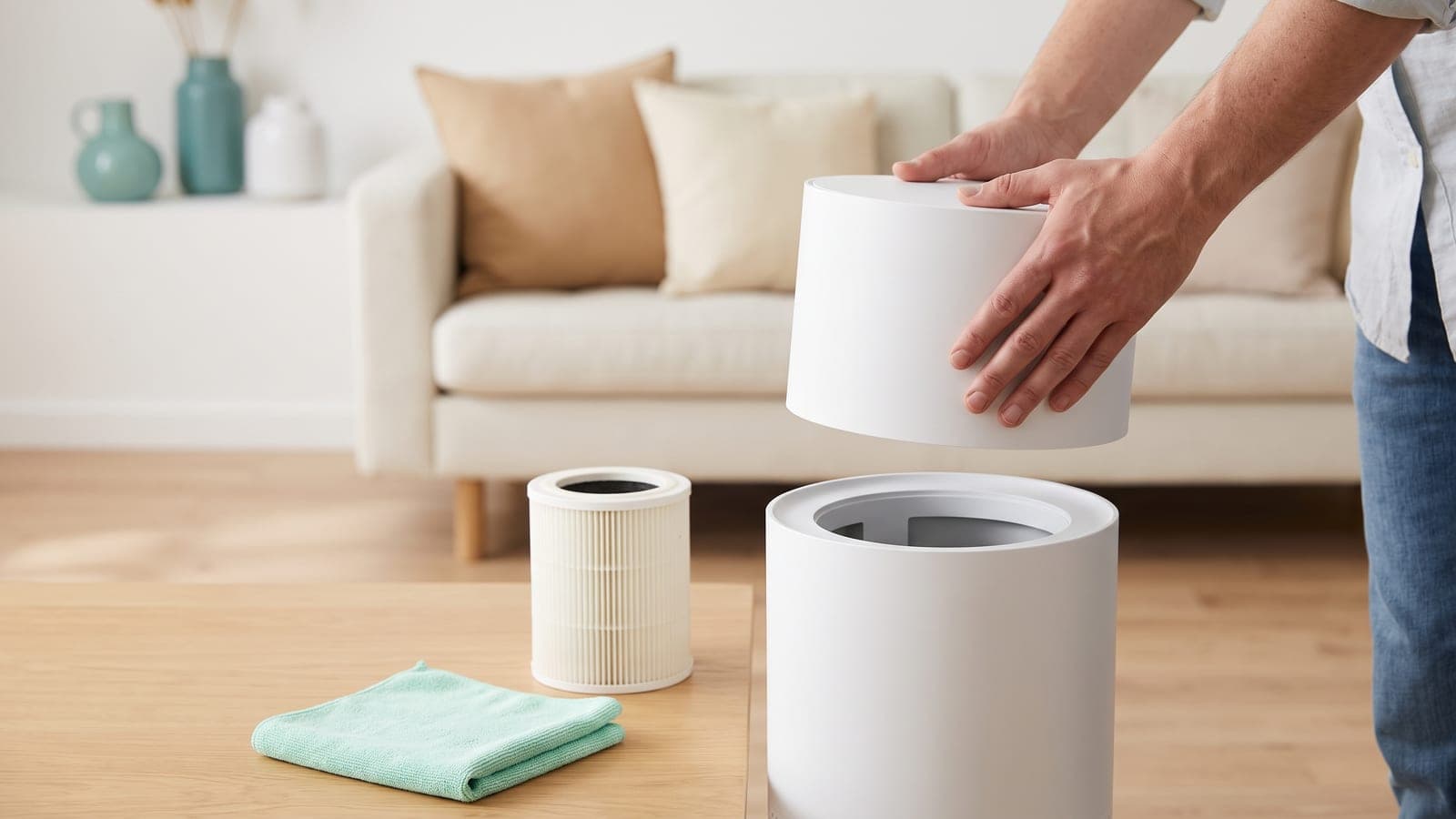
Air Quality
An air purifier maintenance checklist: rinse the pre-filter, wipe the vents, clean the sensor lens, replace HEPA and carbon on schedule, and reset the filter indicator.
Read more →
Air Quality
Can an air purifier help you sleep? Cleaner air can ease allergy congestion and its fan adds white noise — but it's not a sleep treatment. What to look for.
Read more →
Air Quality
Do air purifiers help with dust mites? They capture airborne dust-mite allergen, but mites live in bedding and carpet — pair a HEPA purifier with the basics.
Read more →
Air Quality
Do air purifiers help with viruses? A True HEPA unit captures virus-laden aerosols and lowers airborne viral load — but it's one layer, not a cure.
Read more →Air Quality
Air Quality
Do air purifiers remove cigarette smoke smell? Partly: HEPA clears the haze and carbon cuts the odor, but residue in walls and fabric keeps it coming back.
Read more →
Air Quality
Do air purifiers use a lot of electricity? Usually no — most draw 30–80W and cost a few dollars a month to run. Here's the simple math to check yours.
Read more →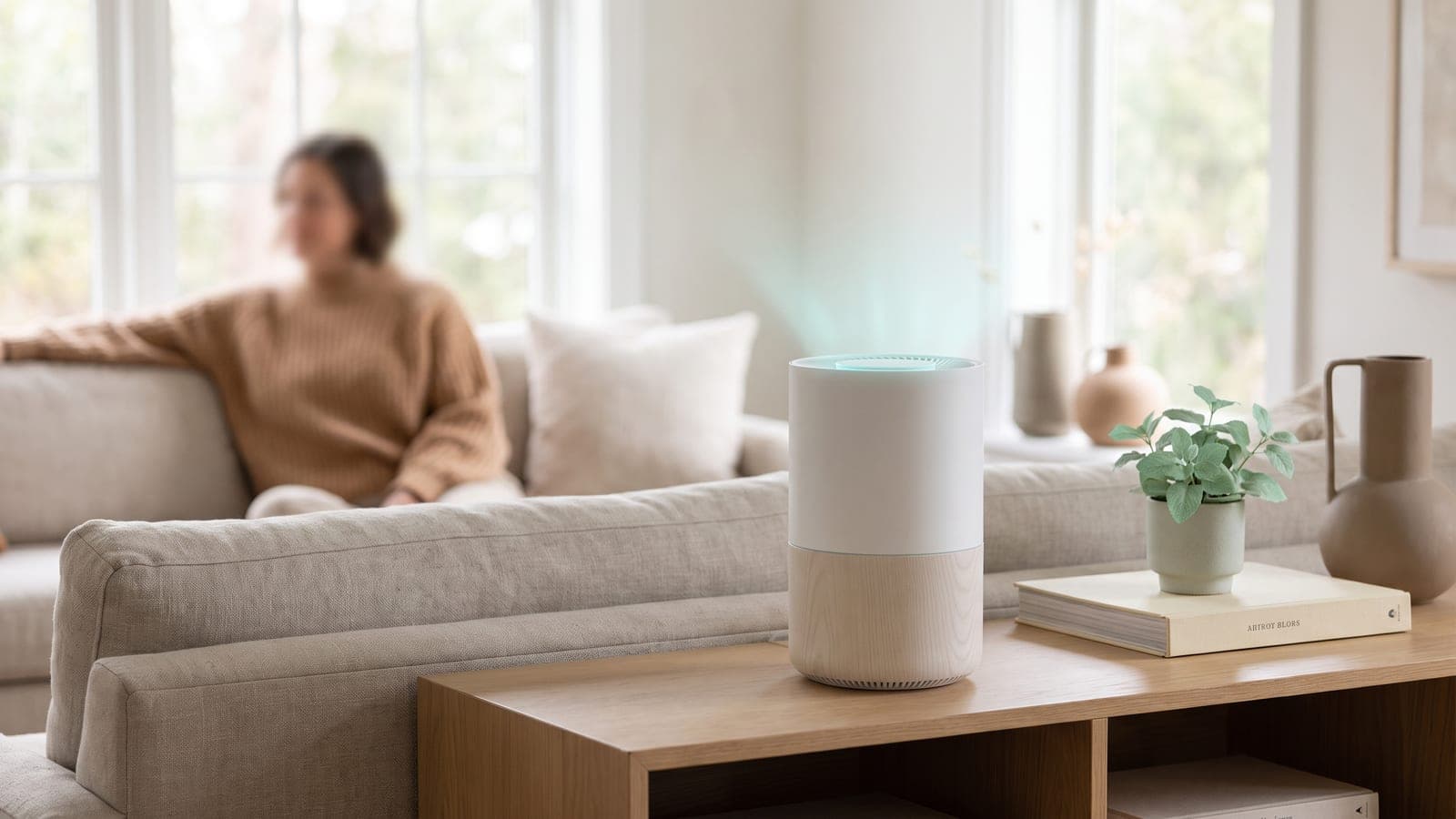
Air Quality
Do negative ion air purifiers work? Ionizers make particles clump and settle rather than remove them, are weak vs HEPA, and can produce ozone. What to know.
Read more →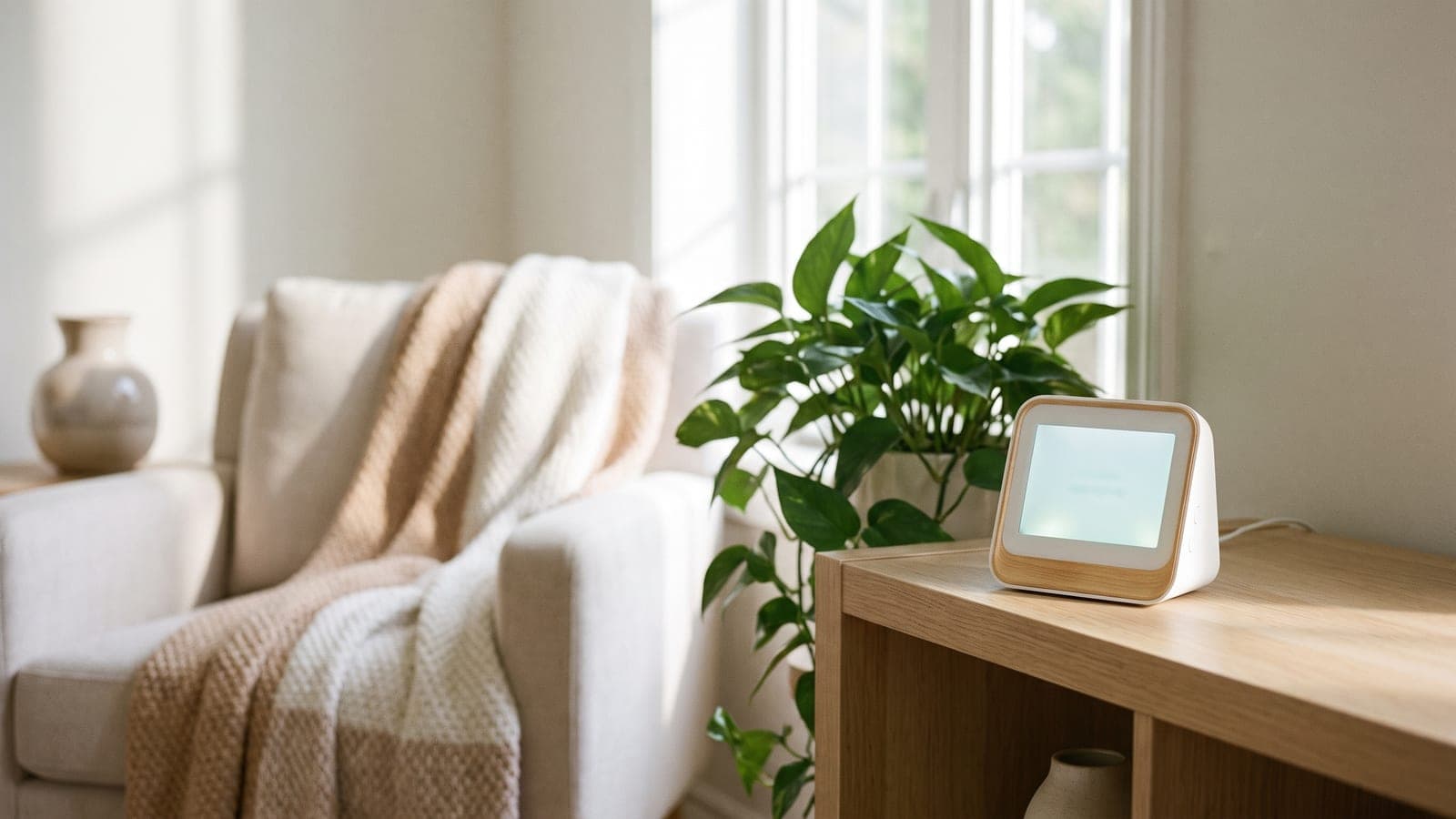
Air Quality
Do you need an air quality monitor? It won't clean your air, but it shows you when to act. Here's who genuinely benefits, who can skip it, and how it pairs with a purifier.
Read more →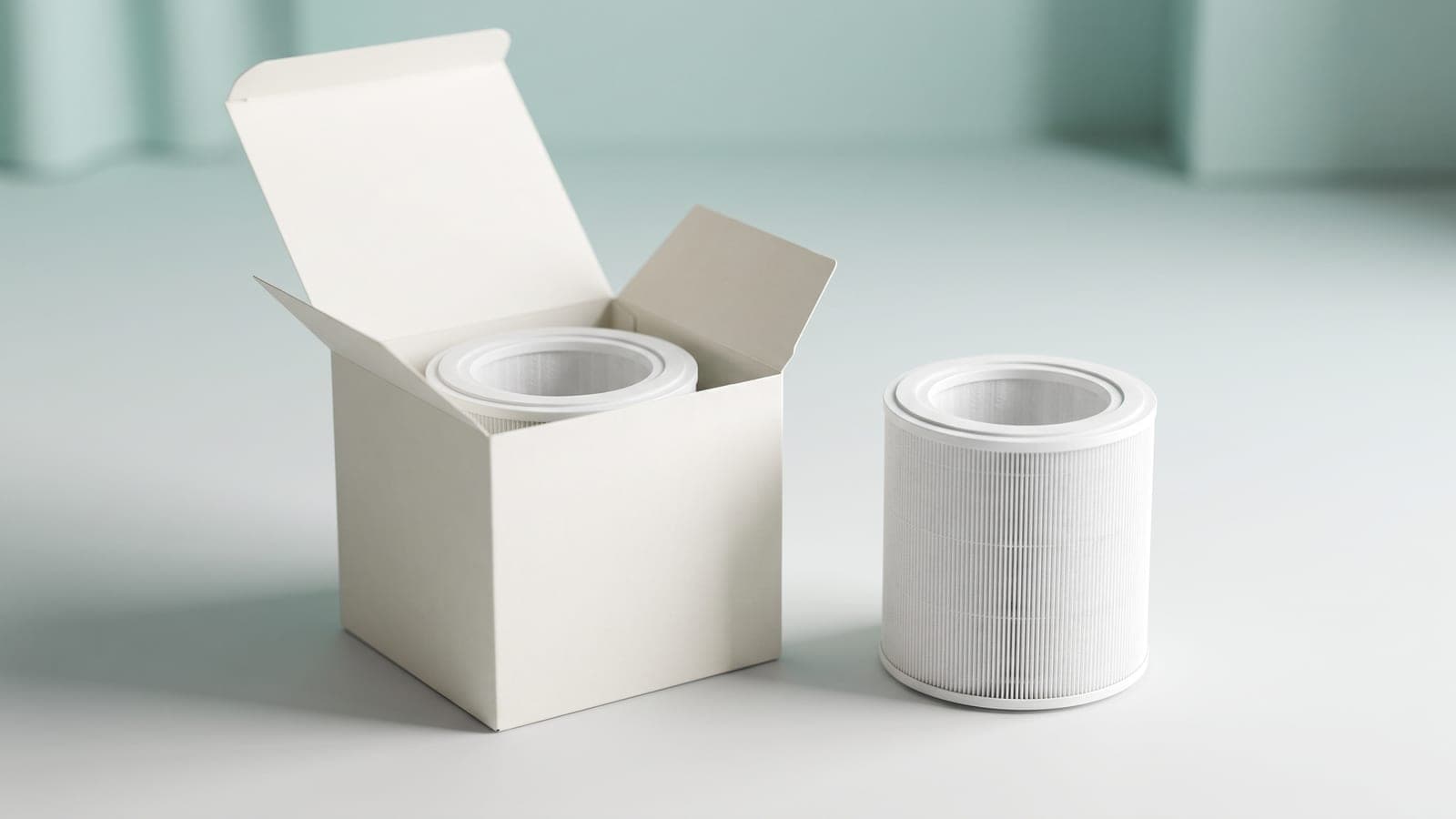
Air Quality
Genuine vs compatible air purifier filters: third-party can cost half as much, but HEPA quality and fit vary. When compatible is a smart save vs a false economy.
Read more →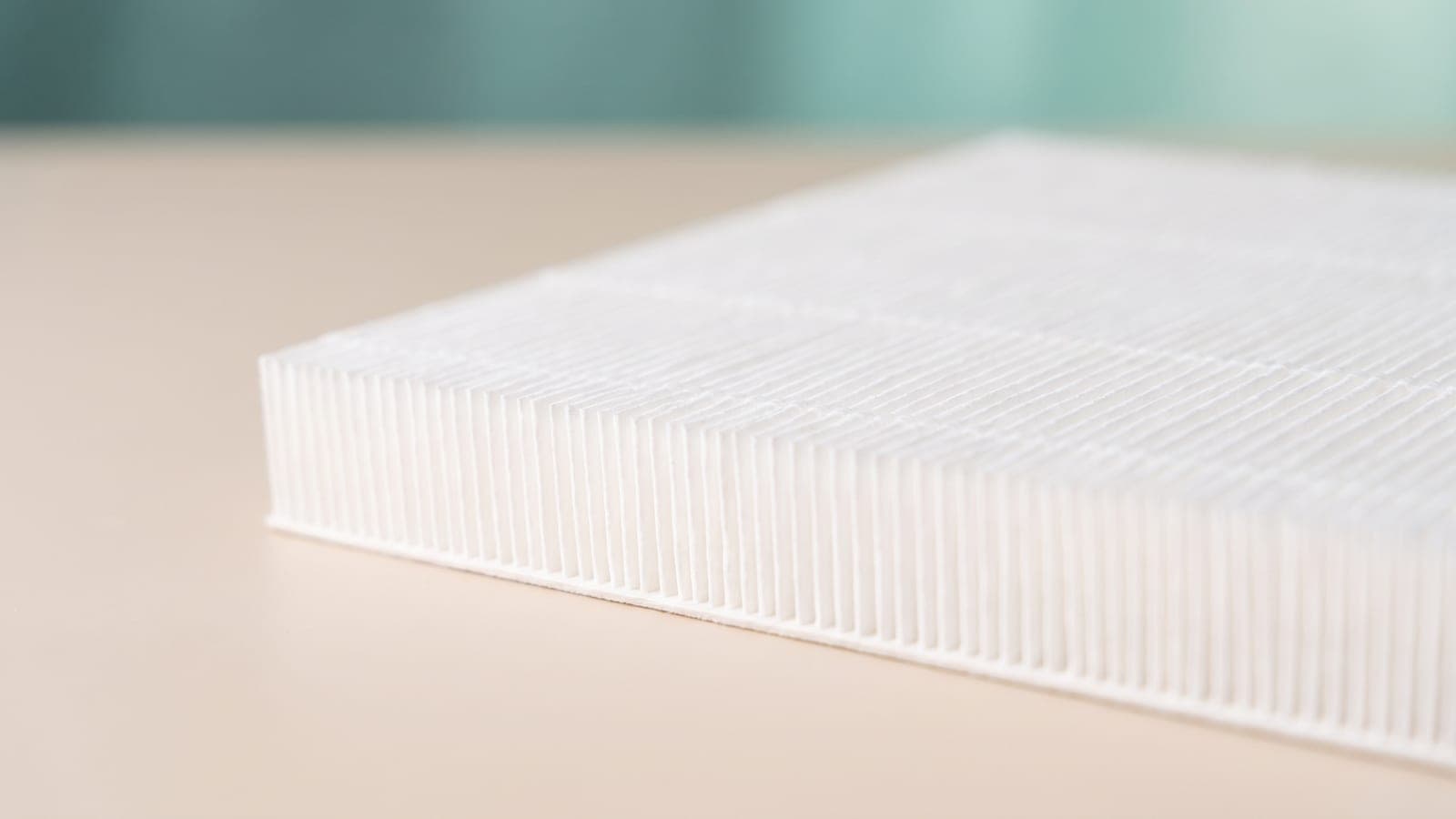
Air Quality
HEPA filter grades explained: E10–E12, H13, and H14 on the EN1822 scale. H13 True HEPA captures 99.95%+. Here's what each grade means and which to buy.
Read more →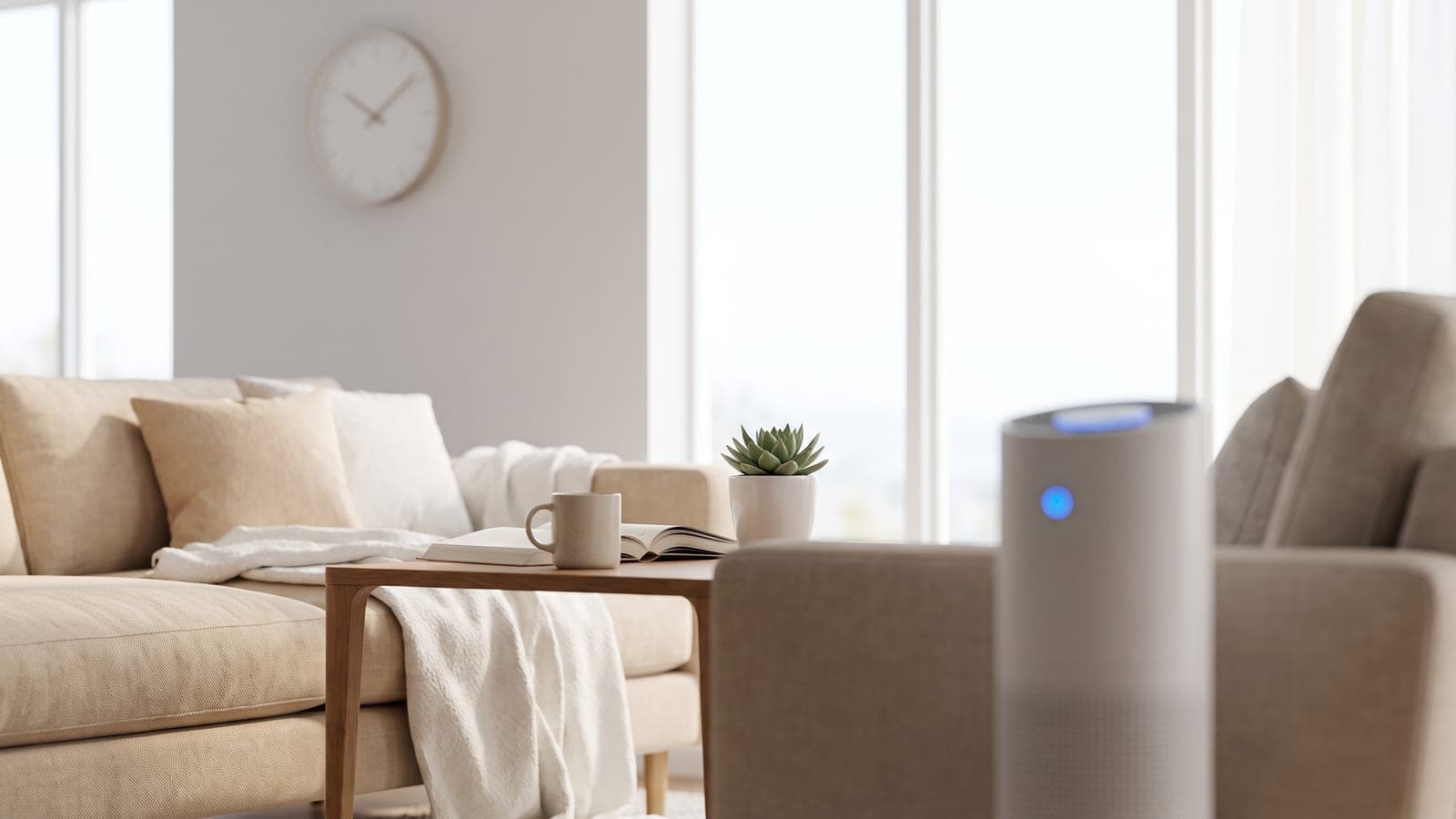
Air Quality
How long should you run an air purifier? Generally 24/7, on auto or low. Air re-pollutes when it's off, and running costs are small. Here's the smart way.
Read more →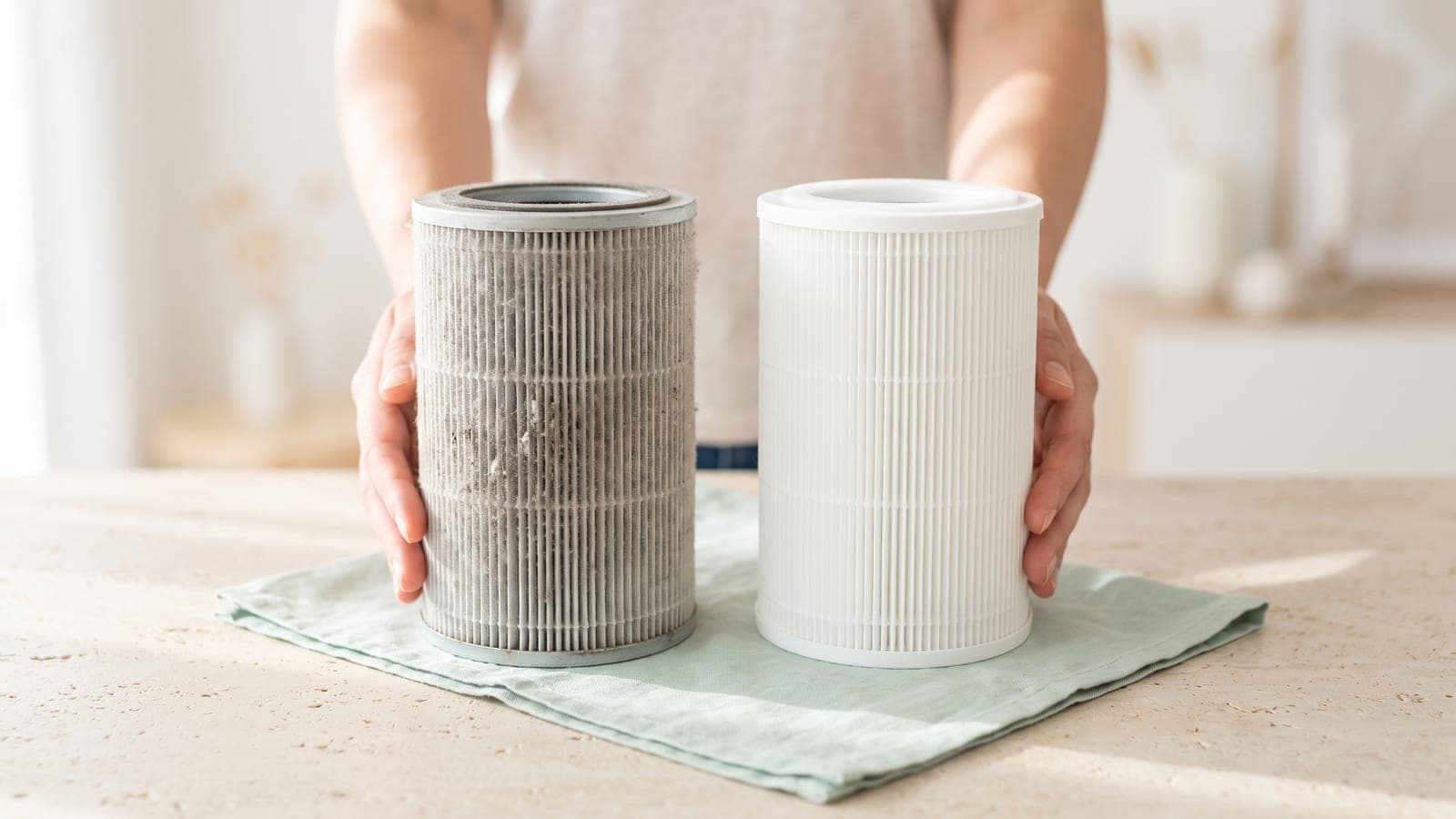
Air Quality
How often to replace an air purifier filter: True HEPA every 6–12 months, carbon every 3–6, pre-filters rinsed monthly. Signs it's due and what it costs.
Read more →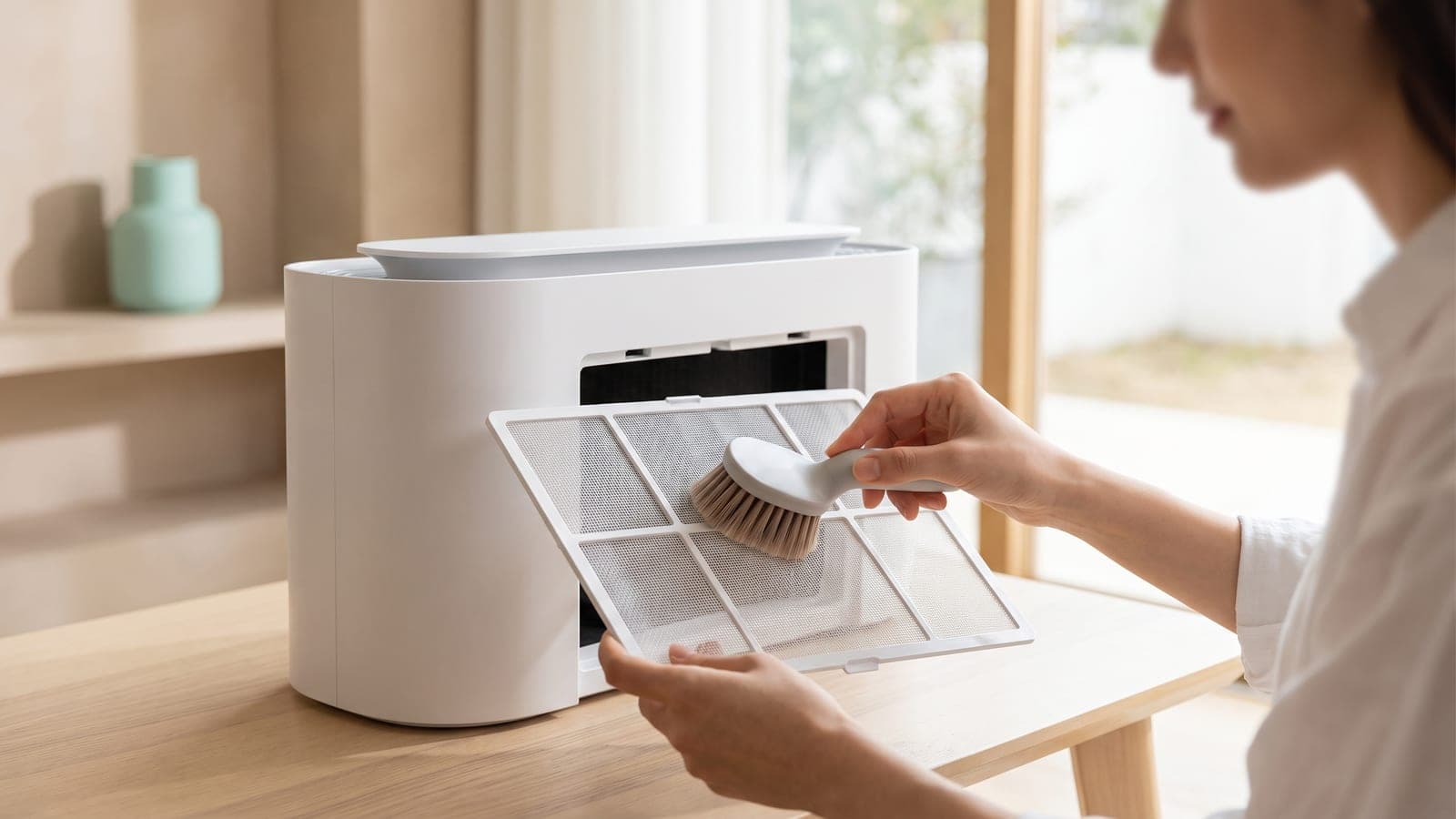
Air Quality
How to clean an air purifier: unplug it, vacuum or rinse the pre-filter, wipe the exterior and vents, and clean the sensor lens — without washing the HEPA.
Read more →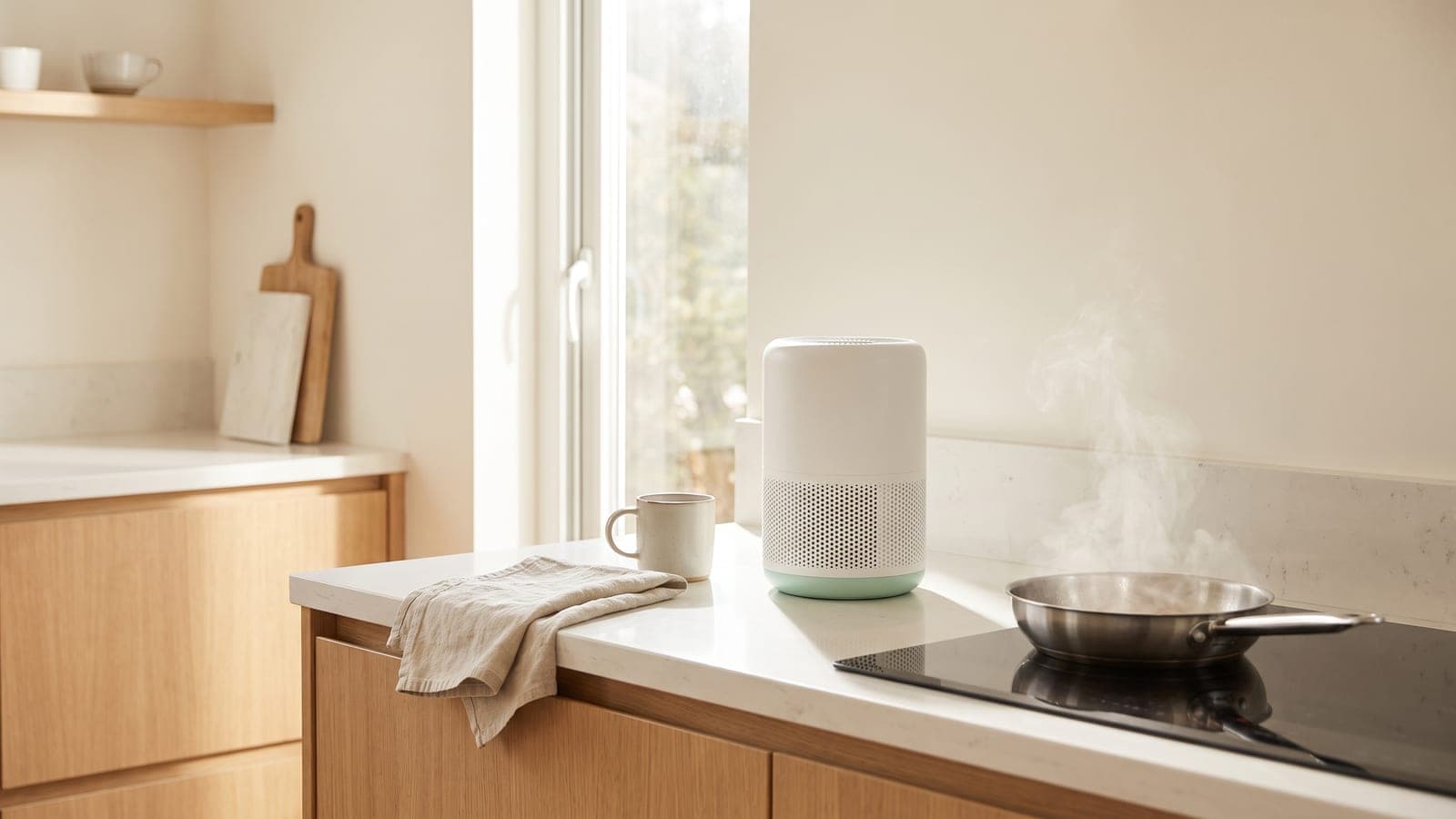
Air Quality
How to get rid of cooking smells: vent at the source with a range hood and open window, then use activated carbon — plain HEPA won't touch odor gases.
Read more →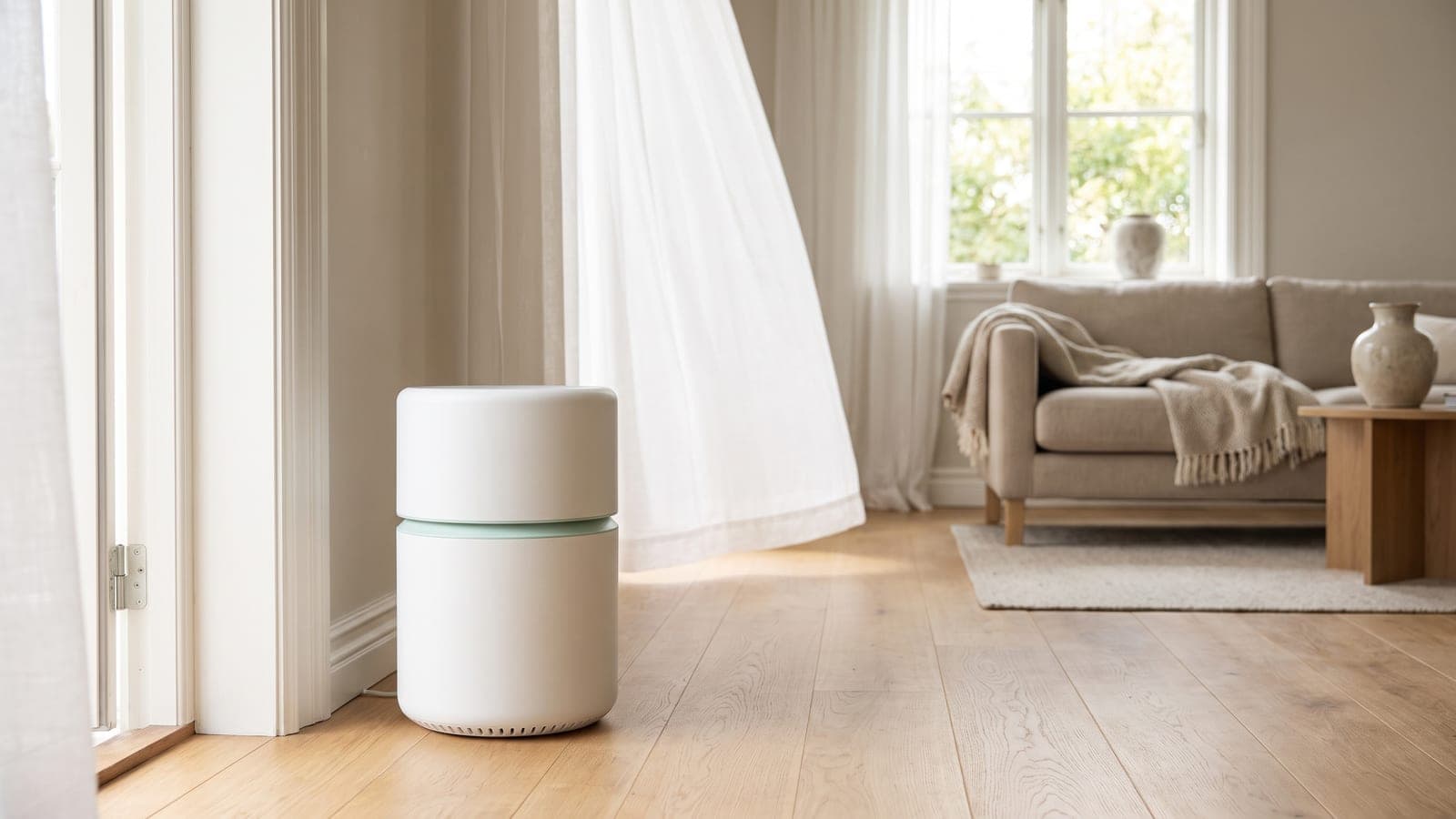
Air Quality
How to make an air purifier more effective: size it to the room by CADR, run it continuously on auto, place it well, keep windows shut, and change filters.
Read more →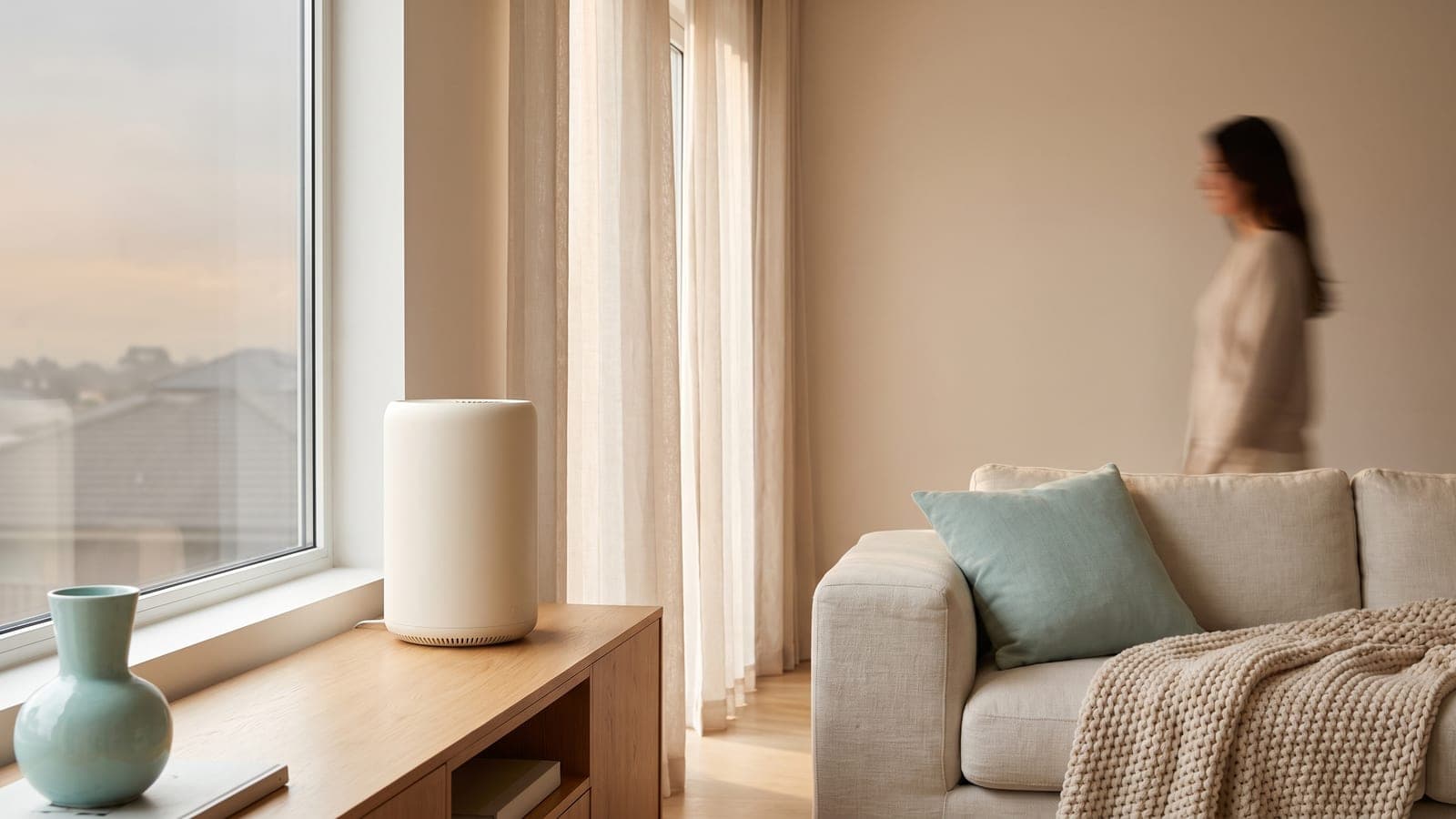
Air Quality
Prepare for wildfire smoke: oversize your purifier's CADR, seal a clean room, add carbon for the smell, track PM2.5, and keep a DIY box-fan filter as backup.
Read more →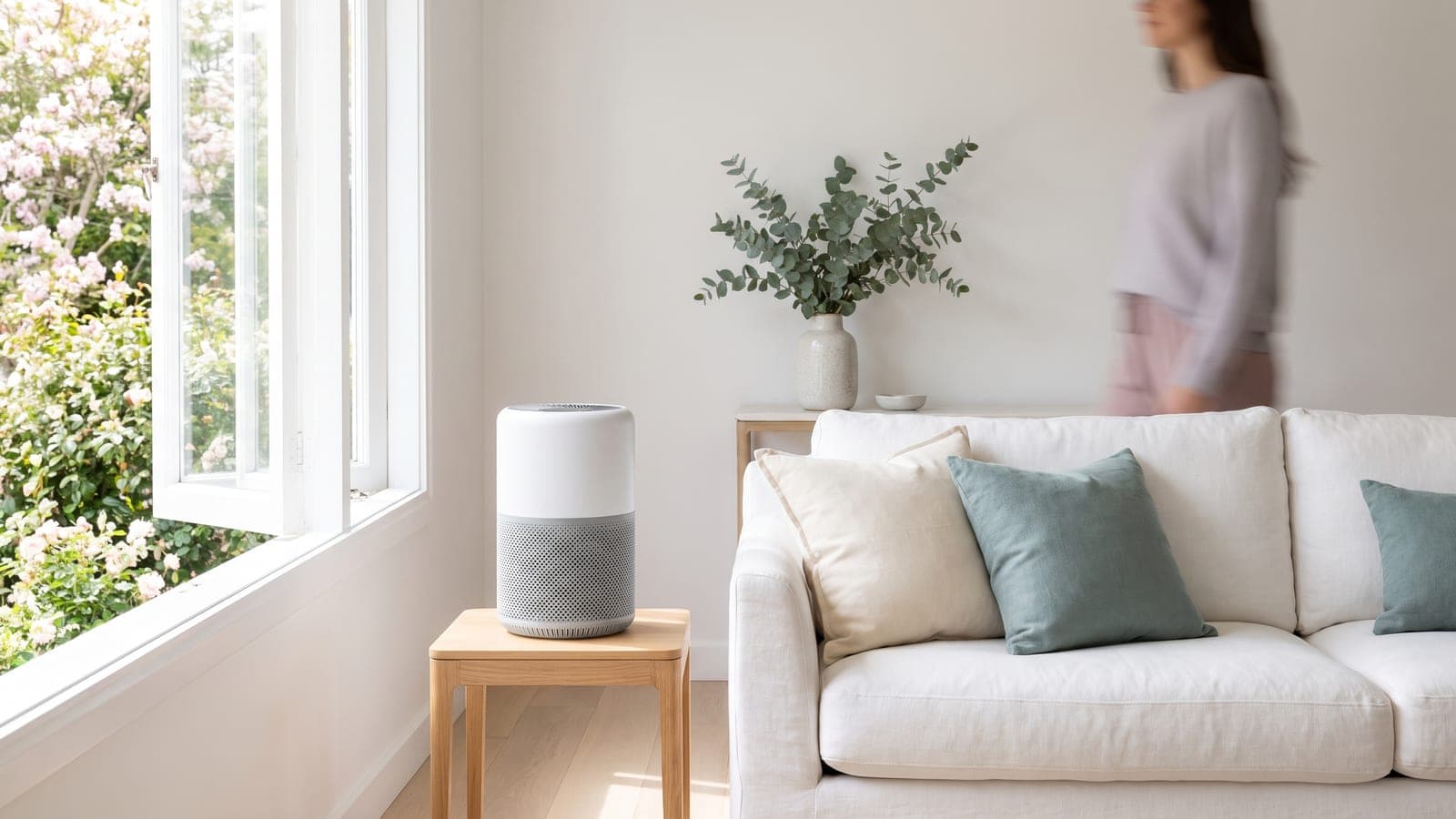
Air Quality
Prepare your home for allergy season: keep windows closed, run a HEPA purifier in the bedroom 24/7, change filters, and cut tracked-in pollen. A practical plan.
Read more →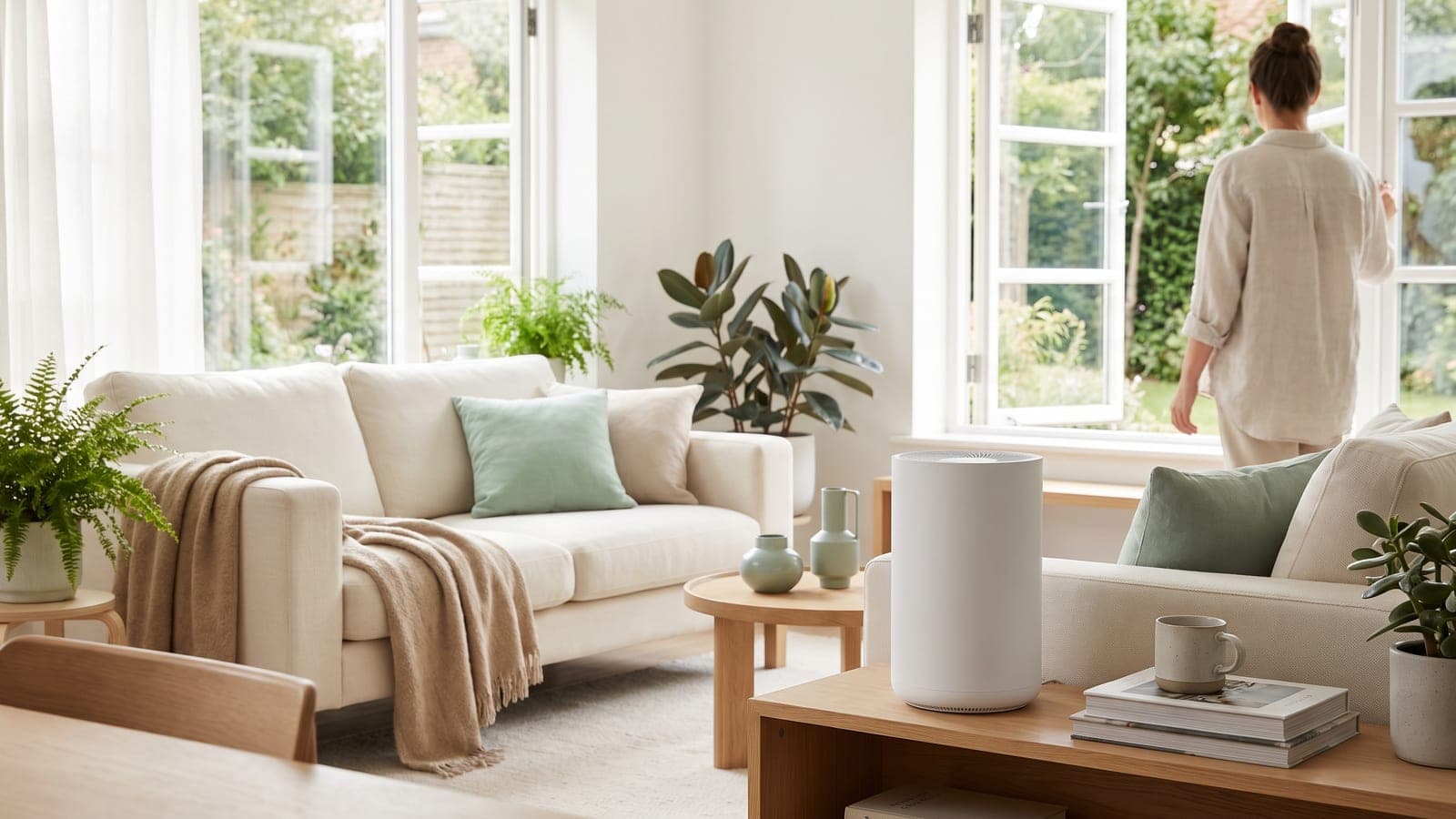
Air Quality
How to reduce indoor air pollution: control sources first, ventilate, then filter with a HEPA purifier. A practical, EPA-informed guide to cleaner indoor air.
Read more →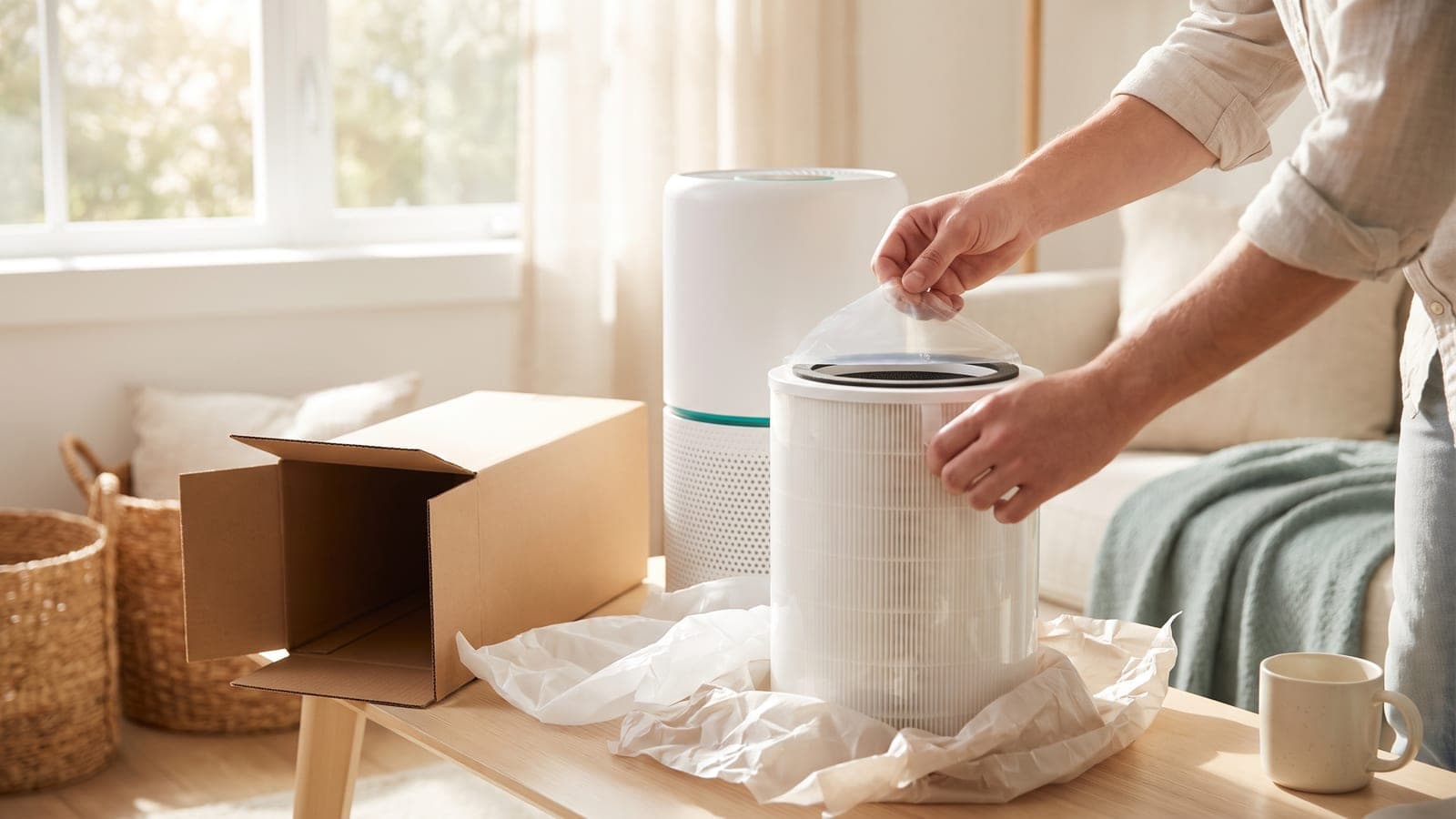
Air Quality
A simple step-by-step guide to setting up a new air purifier — unwrap the filter, place it right, pick the settings, and avoid the common first-day mistakes.
Read more →
Air Quality
How to tell if your air purifier is working: feel the airflow, watch PM2.5 on a monitor, use the smell test, check the greying filter, and read auto behavior.
Read more →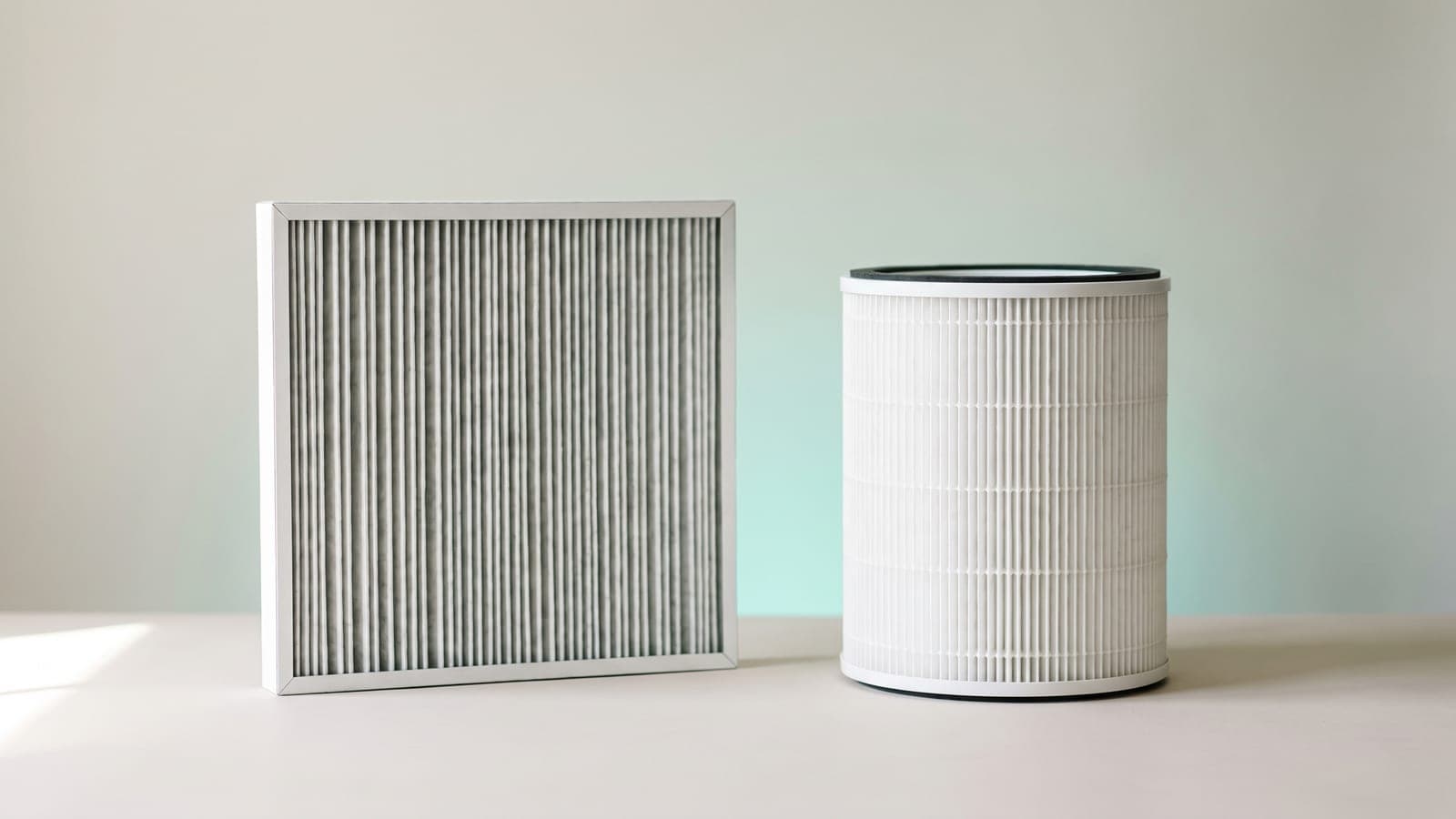
Air Quality
MERV vs HEPA: MERV rates furnace filters (1–20) for the whole house; HEPA is the 99.97% standard for room purifiers. They're complementary — here's how.
Read more →
Air Quality
What does an air quality monitor measure? PM2.5, VOCs, CO2, formaldehyde, CO, radon, and humidity — here's what each metric means, where it comes from, and why it matters.
Read more →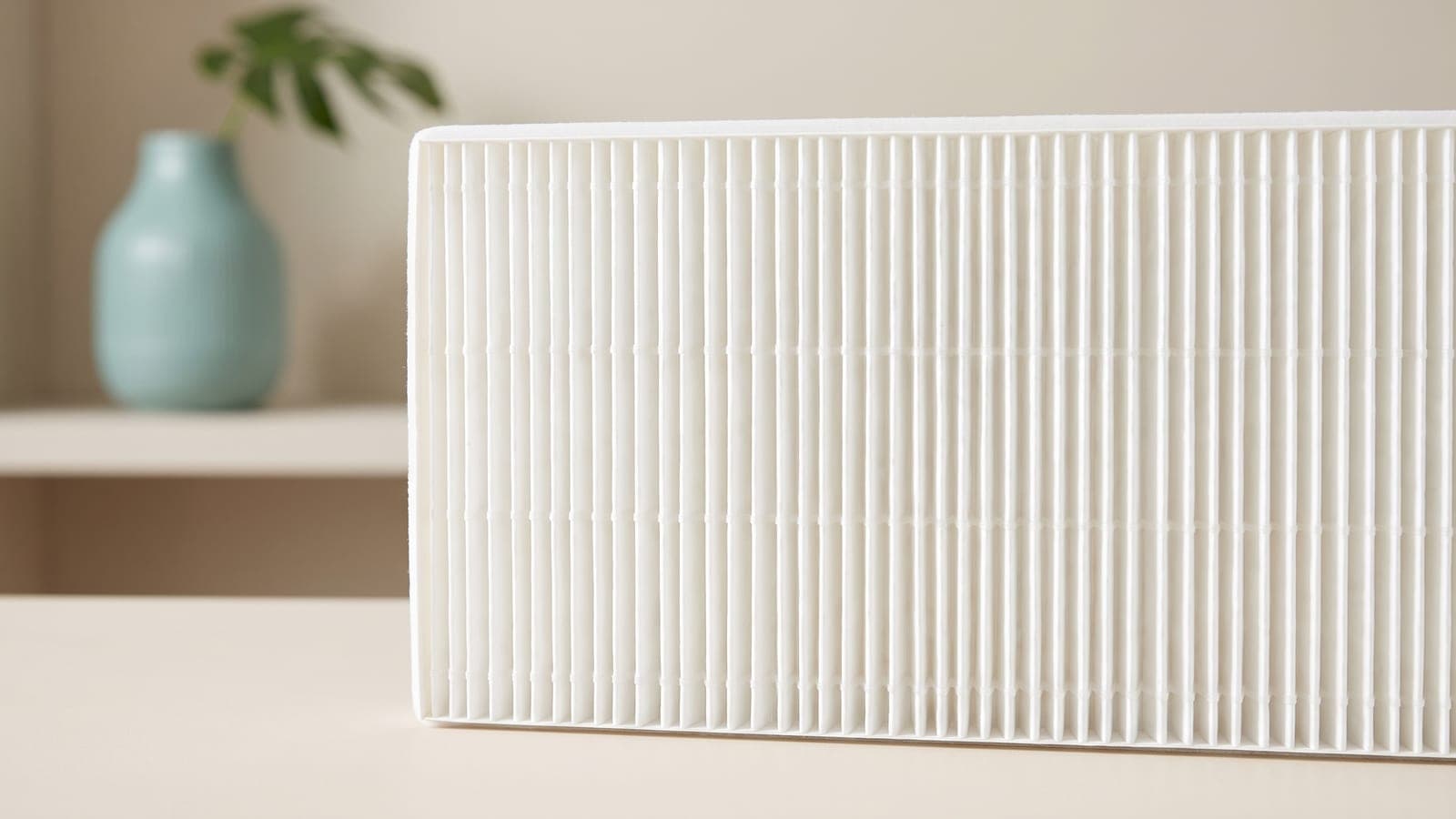
Air Quality
What is a HEPA filter? True HEPA captures 99.97% of particles at 0.3 microns. Here's why 'HEPA-type' isn't the same thing — and what to buy instead.
Read more →
Air Quality
What is CADR? It's the Clean Air Delivery Rate, measured in CFM by AHAM. Here's what the smoke, dust, and pollen numbers mean and how to use them.
Read more →
Air Quality
What is PM2.5? Fine particles under 2.5 microns that reach deep into your lungs. Here's where it comes from, how it's measured, and how to cut it indoors.
Read more →
Air Quality
Where to place an air purifier: the bedroom first, with clearance around it, near the pollutant source. Placement tips that actually improve airflow.
Read more →Filters & Maintenance
Filters & Maintenance
Blueair 211i Max replacement filter guide: F2MAX vs SmokeBlock, AllergenBlock and EcoLast, why the 211+ filter won't fit, and what each costs per year.
Read more →Filters & Maintenance
Filters & Maintenance
Coway Mighty2 filter vs Mighty filter: AP-1512N-FP vs AP-1512HH-FP, which units each fits, how to identify yours and what each costs per year.
Read more →Filters & Maintenance
Filters & Maintenance
Levoit Core 400S replacement filter: one Core 400S-RF fits the 400S, 400S-P and PlasmaPro 400S. Variant part numbers, prices and the real yearly cost.
Read more →Filters & Maintenance
Filters & Maintenance
Levoit Vital 200S replacement filter guide: Vital 200S-RF part numbers, the four color variants, how often to really swap it and what it costs per year.
Read more →Filters & Maintenance
Filters & Maintenance
Shark NeverChange filter 5 years claim, decoded: it ends at a 50% CADR drop in Shark's test. What wears out, the real cost and when to replace it.
Read more →Filters & Maintenance
Filters & Maintenance
Winix PlasmaWave on or off? On the 5530 the HEPA and carbon clean either way. What PlasmaWave is, what CARB approval means and who should switch it off.
Read more →Filters & Maintenance
Filters & Maintenance
Winix 5530 replacement filter: Filter Q (1712-0123-00) fits the 5510, 5520 and 5530, not the 5500-2. Price range, 12-month life and how to reset.
Read more →