No — air purifiers generally don't use a lot of electricity. A typical HEPA unit draws about 30 to 80 watts on a medium setting, roughly the same as a couple of LED light bulbs, and running one continuously usually costs just a few dollars a month. The cost only climbs meaningfully if you run a large machine on its highest speed around the clock — and even then it's modest compared with major appliances.
Key takeaways
- Typical draw is 30–80W on medium — about like two LED bulbs, not a space heater.
- Running 24/7 costs a few dollars a month for a standard unit at average electricity rates.
- High speed and larger machines cost more, but auto mode and low speeds cut usage a lot.
- The math is simple: watts ÷ 1000 × hours × your rate = cost.
- Energy Star models deliver more clean air per watt, lowering the running cost.
How much power does an air purifier actually use?
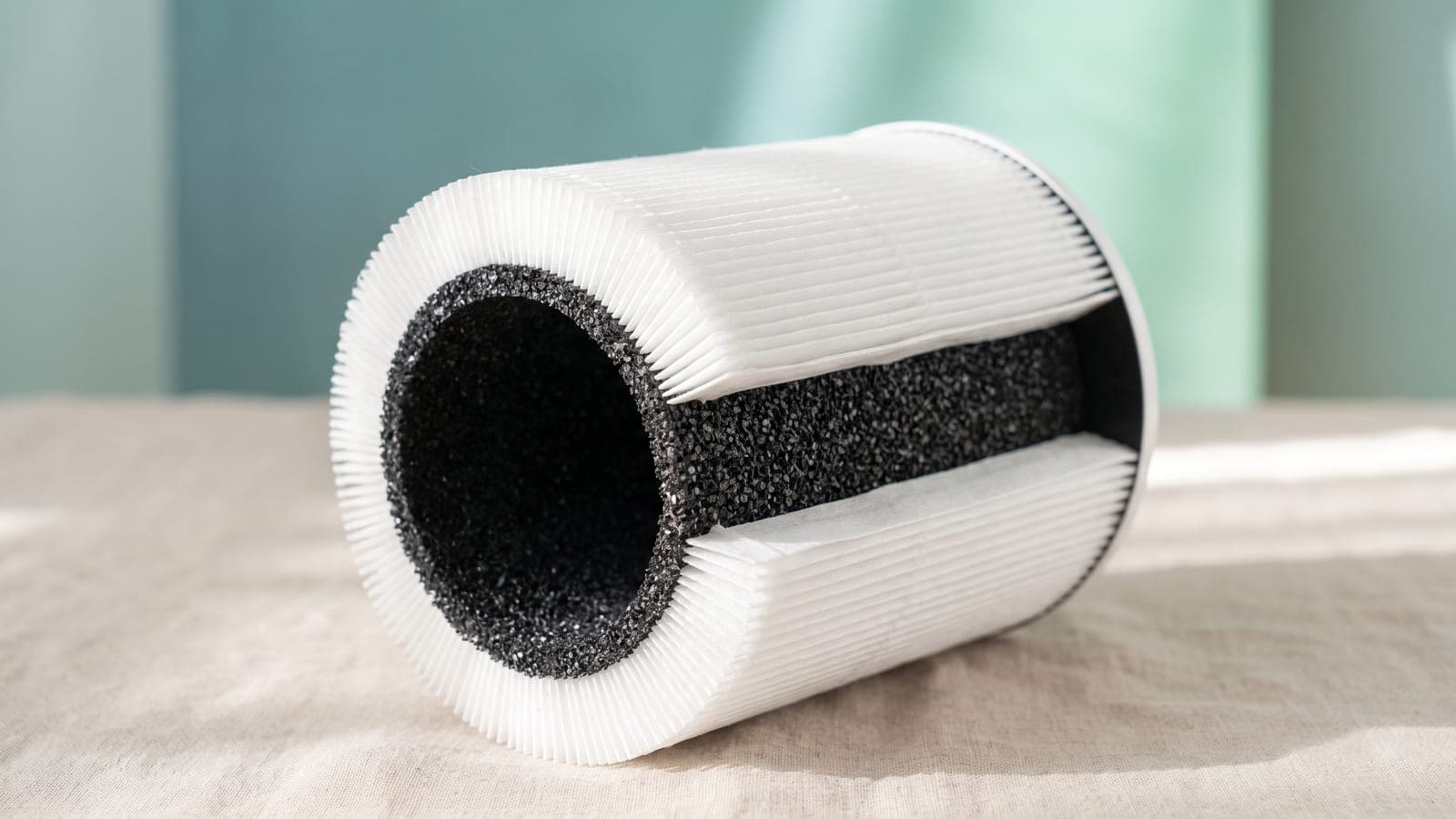
An air purifier is basically a fan pulling air through a filter, and a fan is an inexpensive thing to run. Most home HEPA units land in the 30 to 80 watt range on their medium setting. Small bedroom units sit near the bottom; large-room machines and top speeds push toward the top and occasionally past it.
For context, 50 watts is about two or three LED bulbs, a fraction of a laptop-and-monitor setup, and a tiny sliver of what a space heater (1,500W) or air conditioner draws. So even left on continuously, a purifier is a light electrical load. The exception is a big machine held on maximum fan speed — that can climb to 100 watts or more, which is where "a few dollars" starts becoming "several dollars" a month.
What does it cost to run — the simple math
You don't need to guess. The formula for electricity cost is:
watts ÷ 1000 × hours run × your electricity rate (per kWh) = cost
Say your purifier draws 50 watts, runs 24 hours a day, and your rate is $0.16 per kWh (near the U.S. average):
- 50 ÷ 1000 = 0.05 kW
- 0.05 × 24 hours = 1.2 kWh per day
- 1.2 × 30 days = 36 kWh per month
- 36 × $0.16 = about $5.76 a month
Here's how a few common scenarios compare:
| Setting / unit | Power draw | Cost per month (24/7, $0.16/kWh) |
|---|---|---|
| Small unit, low speed | ~15W | ~$1.70 |
| Typical unit, medium | ~50W | ~$5.80 |
| Large unit, high speed | ~90W | ~$10.40 |
To plug in your own model's wattage and local rate, the running cost calculator does it in one step — including what a lower speed or part-time schedule would save.
Does the fan speed change the cost much?
Yes, and it's the biggest lever you control. Power draw rises steeply with fan speed, so a purifier on high can use several times what it uses on low. That means the setting you choose matters more to your bill than the model you buy.
Two habits keep costs down without sacrificing clean air. First, run on the lowest speed that keeps up — if the unit is well sized for the room, low or medium is often plenty. Second, use auto mode if the unit has a sensor: it idles on an efficient low speed and only ramps up when it detects a real spike in pollution, so you're not paying for high speed when the air is already clean. A purifier that's correctly matched to the room barely needs its top speed, which is another reason to check the room size calculator before buying.
Do Energy Star models save money?
They can, especially over years of continuous use. Energy Star certified purifiers are tested to deliver more clean air per watt — so for the same cleaning power, they draw less electricity. The certification looks at efficiency across speeds, not just one setting.
The savings on any single month are small, but a purifier often runs for years, and the difference compounds. If two units clean your room equally well and one is Energy Star rated, the efficient one is cheaper to own even if it costs a little more upfront. Efficiency also tends to correlate with a quieter, better-engineered fan — a nice side benefit. If keeping the purchase and running costs both low is the goal, our best budget air purifiers picks weigh exactly that balance.
So is it cheap to leave an air purifier on all the time?
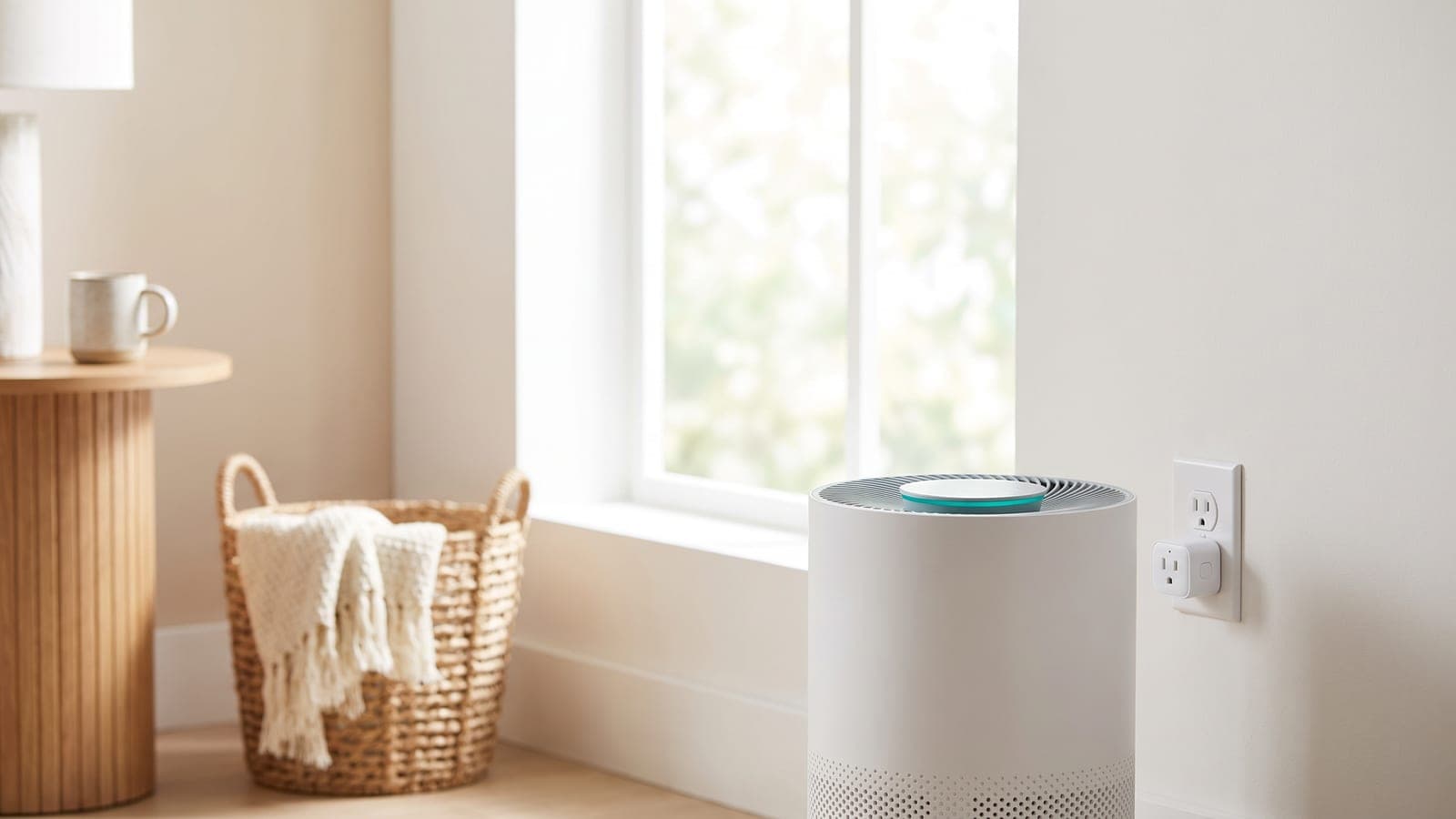
For a single, well-sized unit — yes, and leaving it running is the right call, because air purifiers only help while they're on. A few dollars a month buys continuous particle removal, which is the whole point. The costs only become worth watching if you're running several units at once, or a large machine on high 24/7; that's when the total can reach the tens of dollars a month.
For nearly everyone, though, the honest answer is that an air purifier is one of the cheaper appliances in the house to run. Worry about picking the right size and staying on top of filters — the electricity bill isn't the part that should hold you back.
Frequently asked questions
Do air purifiers use a lot of electricity?
Generally no. A typical HEPA air purifier draws about 30 to 80 watts on a medium setting — similar to a couple of LED bulbs — and costs only a few dollars a month to run continuously. High speeds and large machines use more, but even then it's a modest cost.
How much does it cost to run an air purifier 24/7?
For a typical unit drawing around 50 watts at an average U.S. electricity rate, running it 24/7 costs roughly $4 to $6 a month. Larger units on high speed cost more; small units on low speed cost less. Auto mode usually lands you at the low end.
Is it cheaper to run an air purifier on low or auto?
Both save money versus running on high. Lower speeds draw less power, and auto mode only ramps up when the sensor detects pollution, so it spends most of its time on efficient low settings. Auto is usually the best balance of clean air and low cost.
Do air purifiers raise your electricity bill much?
For most homes, barely. One typical purifier adds a few dollars a month. Running several units, or large machines on high around the clock, adds up more noticeably, but a single bedroom unit is a minor line item.
Are Energy Star air purifiers worth it?
Yes, if efficiency matters to you. Energy Star certified purifiers are tested to deliver more clean air per watt, so they cost less to run for the same performance. Over years of continuous use, the savings can offset a slightly higher purchase price.