When it's time to replace your filter, you'll face a choice between the genuine (OEM) filter from the manufacturer and a cheaper compatible (third-party) one — and the price gap is real, often close to half. Genuine vs compatible air purifier filters comes down to a simple trade: you pay more for a known quantity that fits and performs exactly as designed, or you pay less for a filter whose HEPA quality and fit can vary. Sometimes compatible is a smart save; sometimes it's a false economy. Here's how to tell which is which.
Key takeaways
- Genuine filters are a known quantity — guaranteed HEPA grade, correct fit, proper seal — at a higher price.
- Compatible filters can cost roughly half, but HEPA quality, carbon amount, and fit vary by seller and batch.
- Fit is as important as filtration. A filter that doesn't seal lets air bypass the media and quietly kills performance.
- Washable pre-filters get rinsed, not replaced — but never wash a True HEPA filter; water ruins the media.
- Compatible is smart on out-of-warranty units in low-stakes rooms; genuine wins under warranty or when filtration really matters.
What's the difference between genuine and compatible filters?
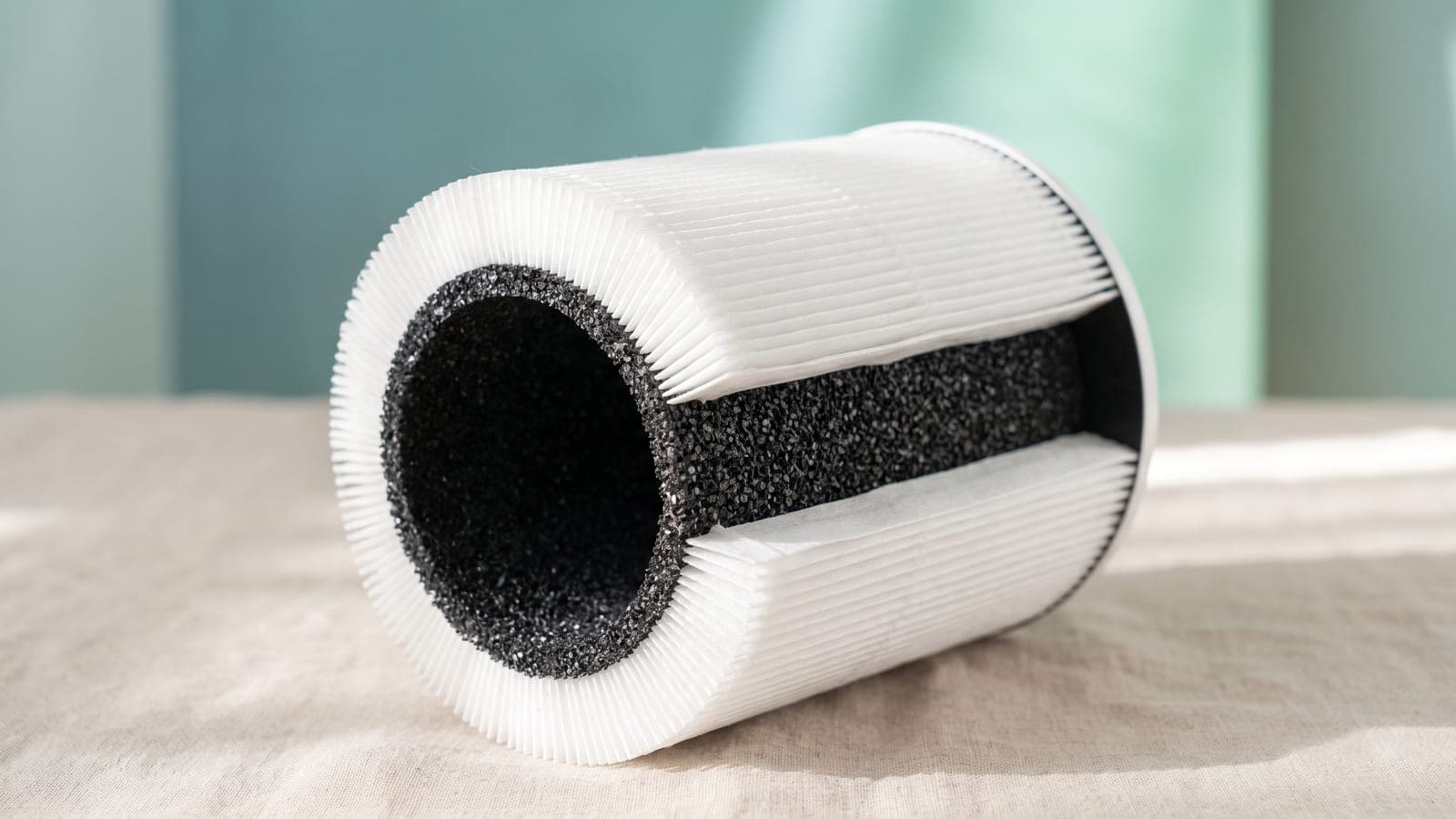
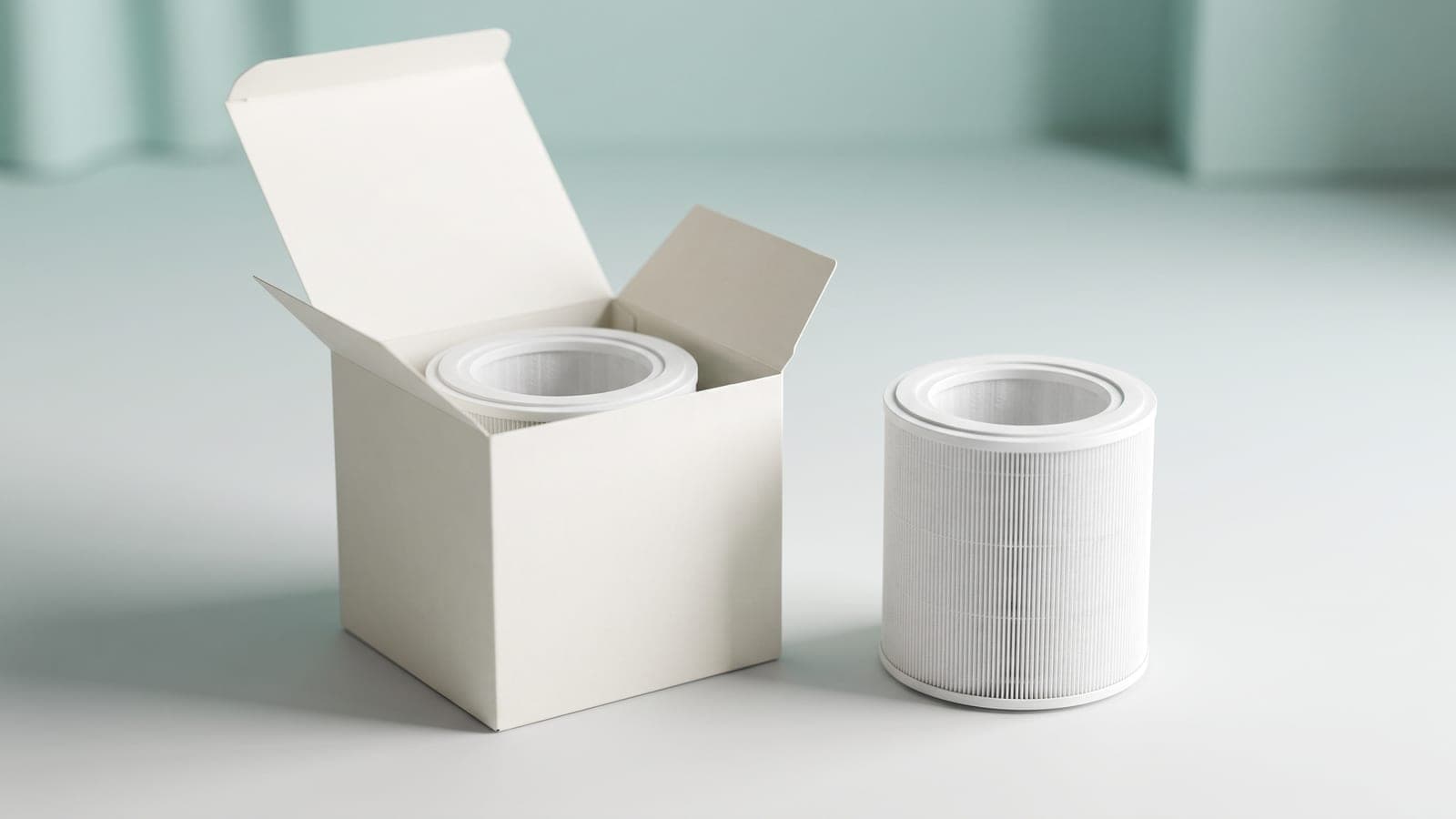
A genuine filter — also called OEM, for original equipment manufacturer — is made or authorized by the company that built your purifier. It's designed to your exact model, so the HEPA grade, the amount of activated carbon, the dimensions, and the gasket all match what the machine expects. You pay a premium, but you know precisely what you're getting.
A compatible filter is a third-party product built to fit and function like the original. Reputable ones can perform very close to genuine for a much lower price; weaker ones cut corners on filtration media, carbon, or build quality. The category is broad — from excellent to poor — which is exactly why "are compatibles good?" has no single answer. The filter itself is a consumable, so this decision comes back around every few months, which is what makes the price gap add up over the life of the machine.
How big is the price gap, really?
Meaningful. Compatible filters commonly sell for around half the price of the genuine equivalent, and on premium machines the gap in absolute dollars can be large. Over years of ownership — filters are typically replaced every 6 to 12 months, as our how often to replace your filter guide explains — that difference compounds into real money.
But the sticker price is only half the math. A cheap filter that clogs faster, filters less, or doesn't seal isn't actually cheaper per unit of clean air. The honest way to compare is to look at cost per year of genuine filters against the up-front price of the machine, then decide where compatibles can safely trim it. Our filter-cost calculator does that math for you, so you can see the true cost of ownership before you commit to either path.
Genuine vs compatible: how do they compare?
Here's the trade-off laid out across the factors that actually matter:
| Factor | Genuine (OEM) | Compatible (third-party) |
|---|---|---|
| Cost | Higher — full manufacturer price | Often ~half the price |
| Fit | Exact — built to the model, seals correctly | Approximate — small size/seal differences possible |
| HEPA quality | Known and consistent to the rated grade | Varies by seller and batch; may be "HEPA-type" |
| Carbon amount | As designed for the unit | Often less carbon; gas/odor performance can drop |
| Warranty risk | None — keeps coverage intact | May void warranty on some brands |
| Best when | Under warranty; filtration is critical | Out of warranty; low-stakes room; reputable seller |
The pattern is clear: genuine wins on certainty, compatible wins on price. The right pick depends on how much certainty your situation demands.
When is a compatible filter a smart save?
Compatible filters make the most sense when the stakes are lower and the unit is out of warranty. A well-reviewed third-party filter in a general-purpose room — a living room, an office, a guest bedroom — can cut your running costs substantially with little practical downside, especially on an older machine where warranty coverage no longer applies.
To buy compatibles safely: match the filter to your exact model number, buy from a seller with strong, recent reviews, and specifically read the reviews for fit and seal complaints. Confirm it's rated as True HEPA, not "HEPA-type" — that distinction, covered in our what is a HEPA filter guide, is where cheap filters quietly cut the most corners. If the carbon layer matters for odors in your space, check that the compatible actually includes a real one, since gas performance depends on carbon mass (see our activated carbon guide). Do that homework and a compatible filter is often a genuinely smart save.
When is a compatible filter a false economy?
Compatibles turn into false economy the moment filtration quality or fit is compromised. A filter with a lower HEPA grade cleans less air per pass; one with thin or absent carbon does little for odors; and — the sneakiest failure — one that doesn't seal properly lets air slip around the media entirely, so the machine hums along while barely filtering. A poorly fitting filter can look perfectly fine and still gut your purifier's performance.
Skip compatibles when the stakes are high. If your purifier is still under warranty, non-genuine filters may void coverage, so genuine is the safe call until the warranty lapses. And if filtration genuinely matters — asthma, allergies, or wildfire smoke — the guaranteed grade, fit, and seal of a genuine filter are worth the premium. In those cases, saving $30 on a filter you're trusting with your air quality is the wrong place to economize.
What about washable pre-filters — can you just rinse them?
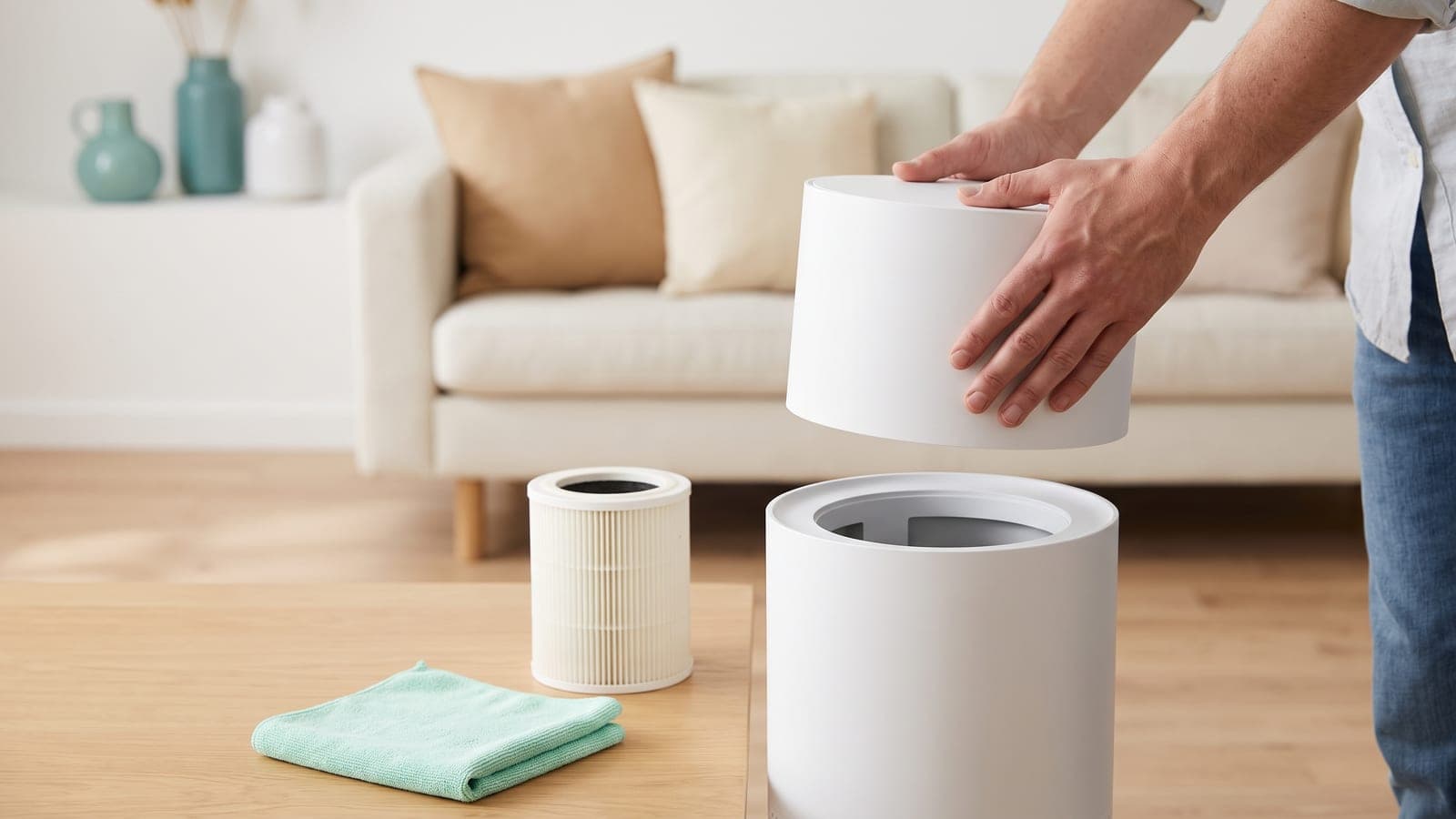
For pre-filters, often yes — and it's a real money-saver. Many purifiers have a washable pre-filter (and some a washable carbon pre-layer) designed to catch large debris like dust, hair, and lint. These are made to be rinsed and reused, not thrown away, so a gentle rinse and full dry every few weeks keeps them working and extends the life of the expensive HEPA filter behind them. Check your manual for which parts are labeled washable.
But there's a hard rule that overrides everything: never wash a True HEPA filter. The dense pleated media that captures fine particles is destroyed by water — the fibers that do the filtering are ruined — so a washed HEPA filter no longer meets its rating, even if it looks clean. Washing is strictly for parts explicitly labeled washable. When a True HEPA filter is loaded up, you replace it. There is no rinse-and-reuse shortcut for the HEPA stage, and trying one just means running a purifier that no longer purifies.
The bottom line on genuine vs compatible filters
Neither answer is right for everyone. Genuine filters buy you certainty — known HEPA grade, correct fit, guaranteed seal, and no warranty risk — and they're the clear pick when your unit is under warranty or filtration really matters. Compatible filters can cut running costs roughly in half and are a smart save on out-of-warranty machines in lower-stakes rooms, provided you match the exact model, confirm True HEPA, and check reviews for fit. And whatever you buy, remember the maintenance rule: rinse the washable pre-filters, but never wash a True HEPA.
Before you decide, it's worth seeing the real numbers for your machine. Run your options through our filter-cost calculator to compare the true cost of ownership, and browse the replacement filters we carry to find the correct match for your model.
Frequently asked questions
Are compatible air purifier filters as good as genuine ones?
Sometimes, but not reliably. A good third-party filter from a reputable seller can perform close to the genuine one for roughly half the price. The problem is inconsistency: HEPA grade, carbon amount, and physical fit all vary between brands and even between batches. A genuine (OEM) filter is a known quantity that fits and performs as designed; a compatible one is a gamble that often pays off but sometimes doesn't.
Will a third-party filter void my air purifier warranty?
It can, depending on the manufacturer, so check your warranty terms before buying compatibles. Some brands state that using non-genuine filters voids coverage; others don't enforce it. If your unit is new and still under warranty, the safe move is genuine filters until the warranty lapses. On an older, out-of-warranty machine, a well-reviewed compatible filter carries much less risk.
Can I wash a HEPA filter instead of replacing it?
No — never wash a True HEPA filter. Water damages the dense pleated media and ruins the fibers that do the filtering, so a washed HEPA filter no longer meets its rating even if it looks fine. Washing is only for parts labeled washable, like many pre-filters and some carbon pre-layers. When a True HEPA filter is loaded, you replace it; you don't rinse it.
How do I know if a compatible filter will fit my purifier?
Match it to your exact model number, not just the brand, and read recent buyer reviews for fit complaints. Compatible filters are made to approximate the original's dimensions, but small differences in size, gasket, or seal can let unfiltered air bypass the media — which quietly wrecks performance. A filter that doesn't seal properly is worse than it looks, so confirm the model match and the seal before trusting it.
When is buying a genuine filter worth the extra money?
When the unit is under warranty, when filtration really matters (asthma, allergies, wildfire smoke), or when you can't verify a compatible seller's quality. In those cases the known HEPA grade, correct fit, and guaranteed seal of a genuine filter are worth the premium. For an out-of-warranty unit in a low-stakes room, a well-reviewed compatible filter is often a smart, safe way to cut running costs.