Are air purifiers worth it? For removing airborne particles — pollen, dust, dander, and smoke — yes, a HEPA purifier is worth it, provided it's sized correctly for the room. The honest catch is that it's a genuine ongoing expense (unit, filters, and a little electricity), and the benefit is largest for a specific group: allergy and asthma sufferers, pet owners, households with smoke, and people in polluted areas. If you have no particle problem and clean outdoor air, you may not notice much. This guide lays out the real costs and who actually gets their money's worth.
Key takeaways
- Worth it for particles. A correctly sized True HEPA purifier reliably lowers airborne pollen, dust, dander, and smoke.
- Sizing decides everything. An undersized unit disappoints no matter the price; match CADR to the room.
- Three costs stack up: the unit, replacement filters (often the biggest long-term cost), and electricity (usually small).
- Biggest beneficiaries: allergies, asthma, pets, smoke/wildfire, and city air with higher particulate.
- Not for every job. It won't remove carbon monoxide, fix mold/moisture, or replace ventilation — and it's not a medical device.
Do air purifiers actually work?
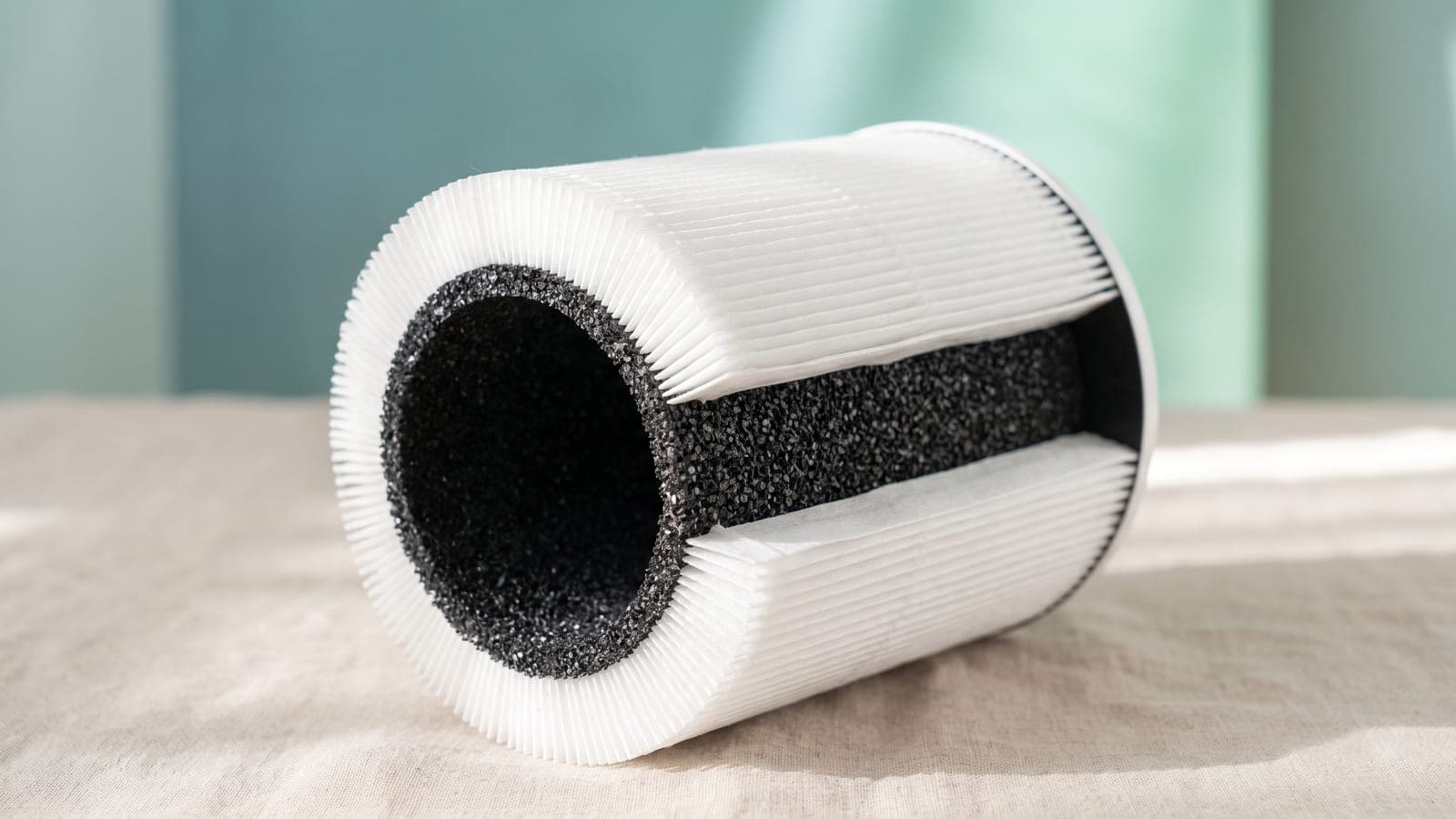
Yes — for what they're designed to do. A True HEPA filter captures 99.97% of particles at 0.3 microns, which covers the airborne stuff that bothers most people: pollen, pet dander, dust, mold spores, and smoke particulate. Run a correctly sized unit in a closed room and it demonstrably lowers the particle count, which you can watch fall on a PM2.5 monitor. The science here is settled; the question is whether your situation gives that capability something worthwhile to do.
Where purifiers don't deliver is outside their design: they don't remove gases like carbon monoxide (you still need a CO detector and ventilation), they don't fix the underlying source of mold or a moisture problem, and "HEPA-type" filters that fall short of the True HEPA standard clean far less than the name implies. Our do air purifiers work guide goes deeper, but the short version is: real capability, narrow scope. Judge worth-it against that scope.
What does an air purifier actually cost to own?
Sticker price is only the first of three costs, and it's often not the biggest. Here's the full picture:
- The unit: roughly $100 for a capable small-room True HEPA purifier, $150–300 for a mid-range unit covering a living room, and $400–1,200+ for premium and large-area models.
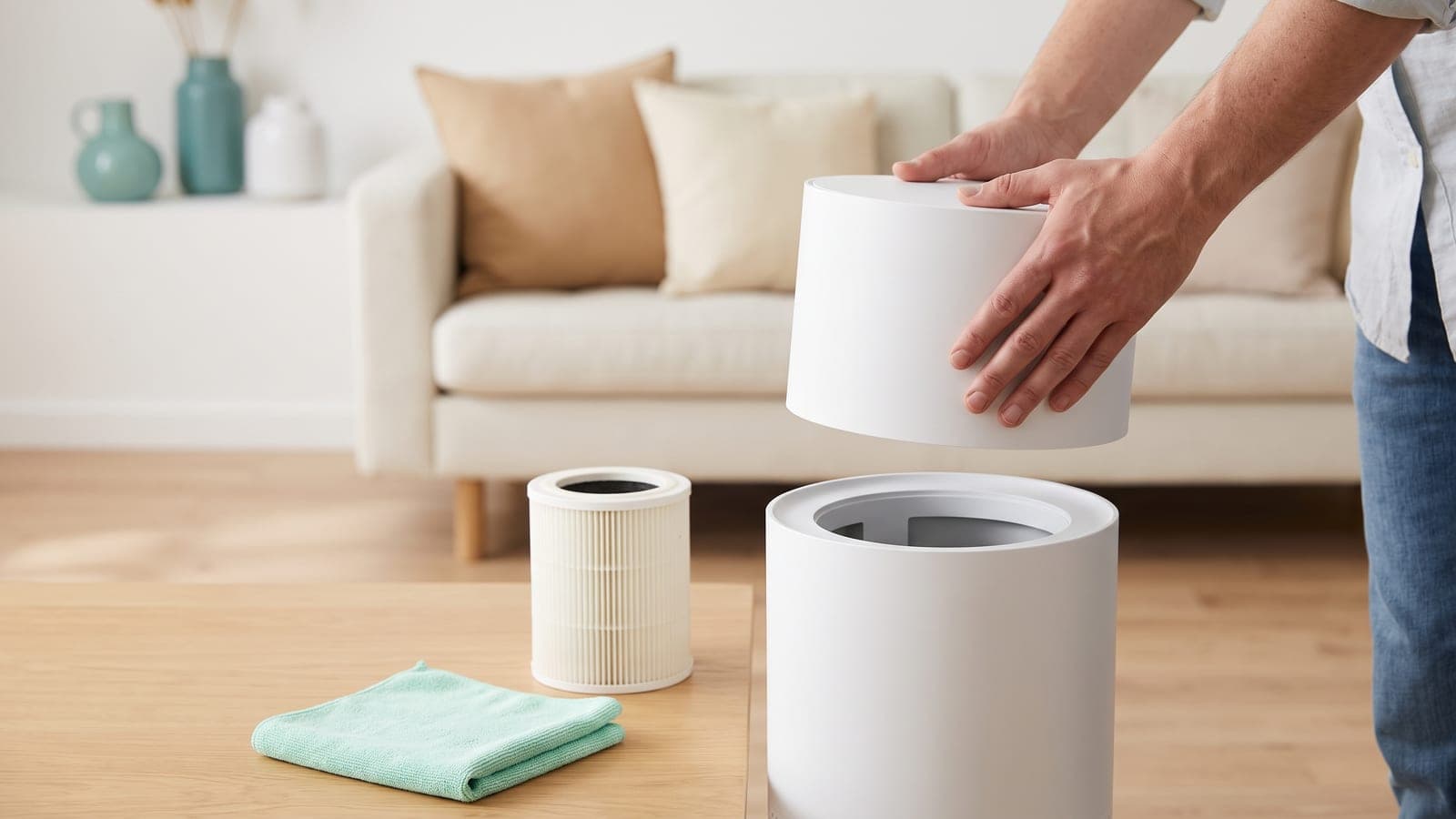
- Replacement filters: anywhere from about $30 to $200 a year depending on the model. Over three or four years, filters frequently add up to more than the machine itself — this is the cost people most often overlook.
- Electricity: modest. Many units draw between about 25 and 110 watts, so on auto or low the running cost is often just a few dollars a month.
The takeaway: filters, not the purchase price, usually dominate the long-run cost. A cheap unit with expensive proprietary filters can cost more over time than a pricier one with affordable filters. Estimate both before buying — run your model through the filter cost calculator and the running cost calculator so the ongoing number is a decision input, not a surprise.
Who benefits most from an air purifier?
The value scales with how much airborne particle pollution you're actually dealing with. The people who get the clearest return:
- Allergy sufferers reacting to pollen, dust, or dander — a HEPA unit in the bedroom can lower overnight exposure.
- Asthma sufferers sensitive to fine particulate triggers (used alongside, not instead of, medical care).
- Pet owners dealing with constant dander and hair.
- Smoke-exposed homes — cigarette smoke, cooking smoke, or seasonal wildfire smoke, where a purifier sized so its CADR roughly matches the room's square footage makes a real difference.
- City dwellers with higher outdoor particulate seeping indoors.
For these groups, a correctly sized purifier isn't a luxury gadget — it measurably reduces the particle load they breathe day to day. Because health is involved, one honest caveat: an air purifier is not a medical device. If you have asthma, allergies, or another condition, use it as a complement to your doctor's guidance, not a substitute for it.
Who won't notice much?
Just as honestly: if you have no allergies, no pets, no smoke exposure, and clean outdoor air, a purifier may quietly remove particles you were never bothered by — real work, but an imperceptible benefit. Because the job is largely invisible and odorless, "I don't notice a difference" is a common and legitimate outcome for people without a particle problem to solve.
It also won't help with problems it isn't built for. A purifier can't remove carbon monoxide, can't fix the moisture source feeding mold (it captures some spores but the mold keeps growing until you address the damp), and can't freshen or ventilate a stuffy room the way opening a window does. Buying one to solve those is money spent on the wrong tool. The honest rule: a purifier is worth it when you have an airborne-particle problem — and underwhelming when you don't.
Is a cheap air purifier worth it, or should you spend more?
Price is a weak predictor of worth; clean-air output for your room size is the real one. A budget True HEPA unit that's correctly sized for a small or medium room can be entirely worth it and outperform a pricier unit that's undersized for its space. Don't overspend on coverage you don't need — but don't undersize to save money, because an undersized purifier disappoints at every price.
Two things to avoid regardless of budget: "HEPA-type" filters, which don't meet the True HEPA standard and clean noticeably less, and ozone generators, which produce ozone — a lung irritant — and are best avoided entirely. Spend where it counts: True HEPA filtration and enough CADR for the room, plus reasonable filter costs. That's the combination that makes a purifier worth it, cheap or not.
Is it worth it for your situation?
Worth-it isn't one answer — it depends on the problem you're solving. Here's an honest breakdown:
| Situation | Worth it? |
|---|---|
| Allergies to pollen, dust, or dander | Yes — clear benefit, especially in the bedroom |
| Asthma with particle triggers | Yes, as a complement to medical care (not a medical device) |
| Pets shedding dander and hair | Yes — steady, everyday particle load it handles well |
| Cigarette or cooking smoke in the home | Yes — pair a True HEPA + carbon unit with source control |
| Wildfire smoke season | Yes — size CADR ≈ room sq ft and keep windows shut |
| City home with high outdoor particulate | Often yes — lowers the indoor share you breathe |
| No allergies, no pets, clean outdoor air | Marginal — you may not perceive a difference |
| Trying to remove carbon monoxide | No — needs a CO detector and ventilation, not a purifier |
| Fixing a mold or moisture source | No — address the moisture; a purifier only catches some spores |
| Freshening a stuffy, stale room | No — that's a ventilation job |
Find your row, weigh it against the three costs above, and the decision usually makes itself.
What's the honest bottom line?
Air purifiers are worth it when you have an airborne-particle problem and size the unit to the room — allergies, asthma, pets, smoke, and polluted air are exactly the cases where a True HEPA purifier earns its keep. They're not worth it as a cure-all: they won't remove gases, fix mold at the source, or transform air you had no problem with, and they're not a substitute for medical advice on any health condition.
Before you buy, make the ongoing cost part of the decision rather than an afterthought. Run your candidate model through the filter cost calculator and the running cost calculator — for most well-sized units the numbers are reasonable, and seeing them up front is what turns "are air purifiers worth it?" into a confident yes or a clear no for your situation.
Frequently asked questions
Are air purifiers worth the money?
For airborne particles — pollen, dust, dander, and smoke — a correctly sized HEPA purifier is worth it, and it's most worth it for allergy and asthma sufferers, pet owners, smokers' households, and people in smoky or polluted areas. The real cost is the unit plus filters plus a little electricity. If you have no particle problem and clean outdoor air, you may not notice much, so honest expectations matter.
How much does it cost to own an air purifier?
Three costs stack up: the unit (roughly $100 for a small room up to $1,000+ for premium), replacement filters (about $30 to $200 a year depending on the model), and electricity (often just a few dollars a month on auto or low). Filters, not the sticker price, are usually the largest long-term cost, so factor them in before buying rather than after.
Who benefits most from an air purifier?
People with allergies or asthma triggered by airborne particles, households with pets, homes affected by smoke or wildfire, and people in cities with higher outdoor particulate. For them, a HEPA purifier can meaningfully lower the particle load they breathe. It's not a medical device, though — if you have a health condition, use it alongside a doctor's advice, not instead of it.
Who won't notice much from an air purifier?
Someone with no allergies, no pets, no smoke exposure, and clean outdoor air may not perceive a big difference, because a purifier removes particles you often can't see or smell. It also won't help with problems it isn't designed for — it can't remove carbon monoxide, fix a mold or moisture source, or freshen a room the way ventilation does. Match the tool to an actual problem.
Are cheap air purifiers worth it?
A budget True HEPA unit can be genuinely worth it in a small-to-medium room if it's sized correctly — clean-air output matters far more than price. What's usually not worth it are 'HEPA-type' filters that fall short of the True HEPA standard, and ozone generators, which produce a lung irritant. Buy on CADR and True HEPA filtration for the room size, not on the lowest sticker price.