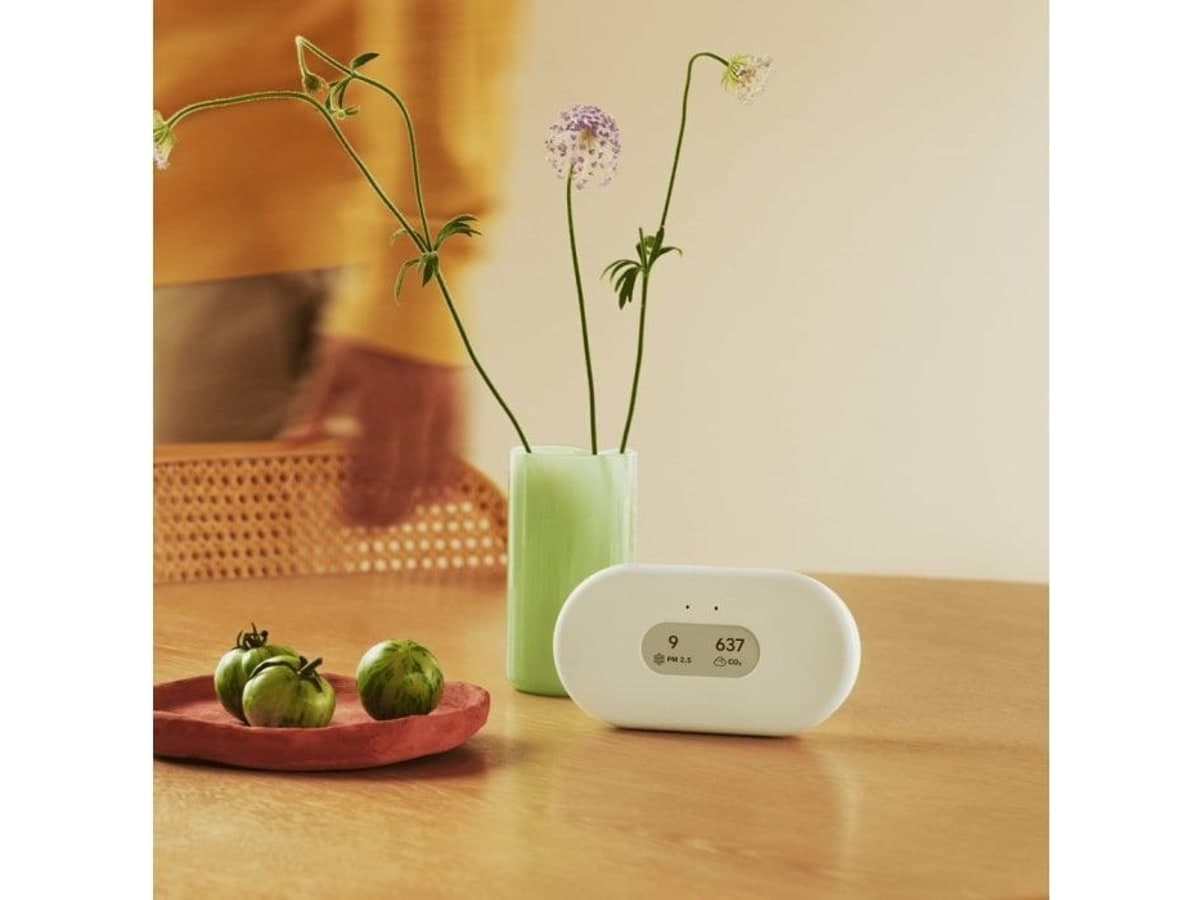
Airthings
Airthings View Plus
Most comprehensive
The most complete consumer air monitor — and the only mainstream one that also tracks radon.
The instruments that tell you whether your air is actually clean — measuring PM2.5, VOCs, CO2, and humidity so you know when to run a purifier, open a window, or track down a source. A monitor turns 'the air feels stuffy' into a number you can act on.
Airthings
Most comprehensive
The most complete consumer air monitor — and the only mainstream one that also tracks radon.
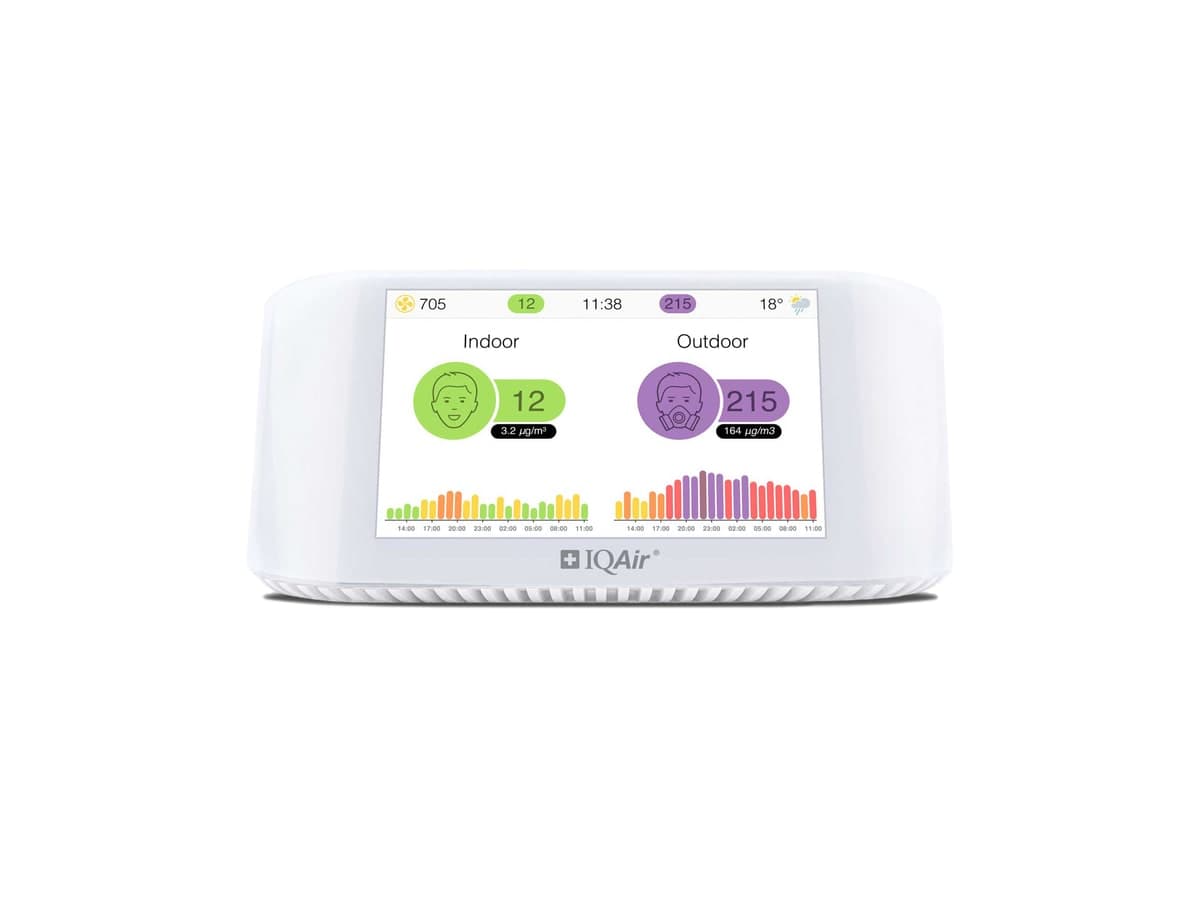
IQAir
Best indoor + outdoor
Shows your indoor air next to the local outdoor AQI forecast on a real screen.
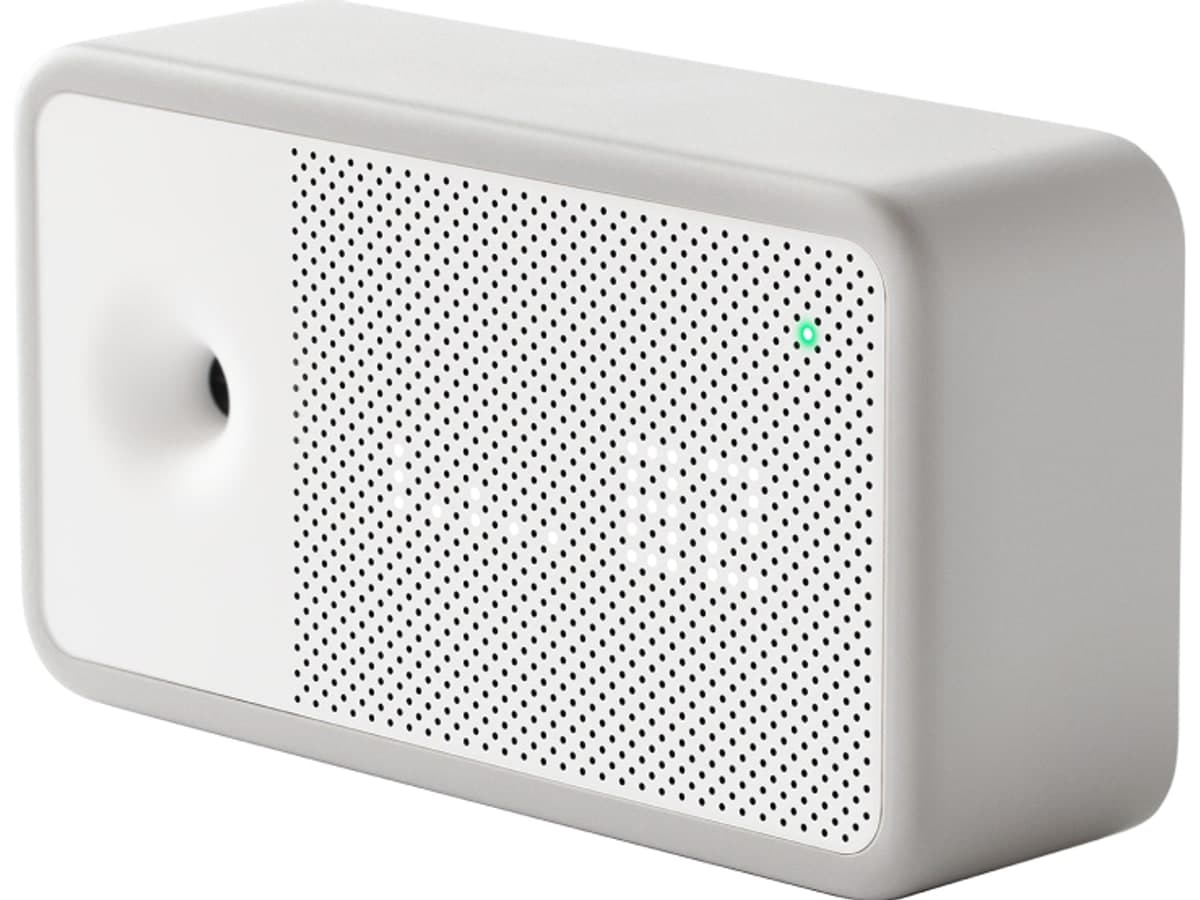
Awair
Best app experience
A clean, friendly monitor that boils your air down to a single 0–100 score.
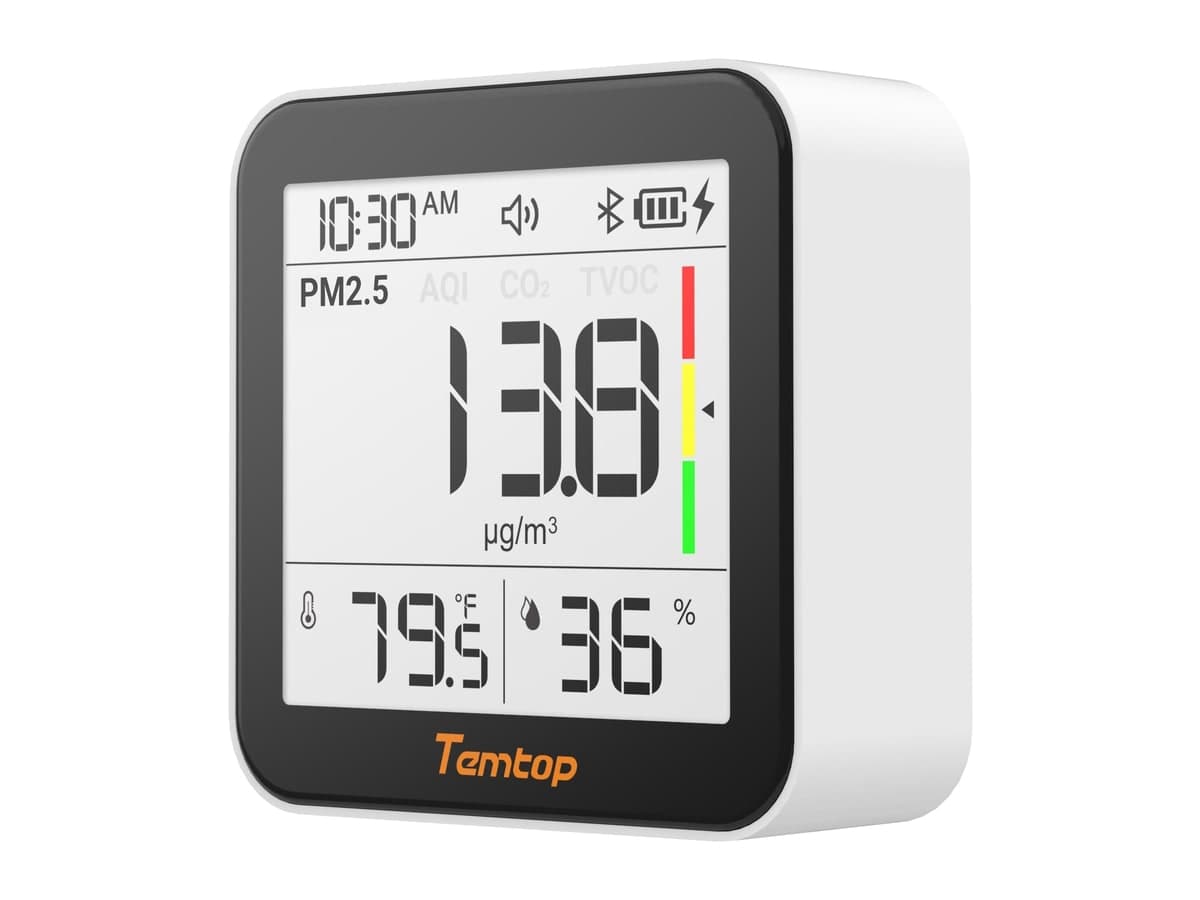
Temtop
Best portable
A pocket-size monitor for CO2, PM2.5, and VOCs with an e-ink screen and a 60-day battery.
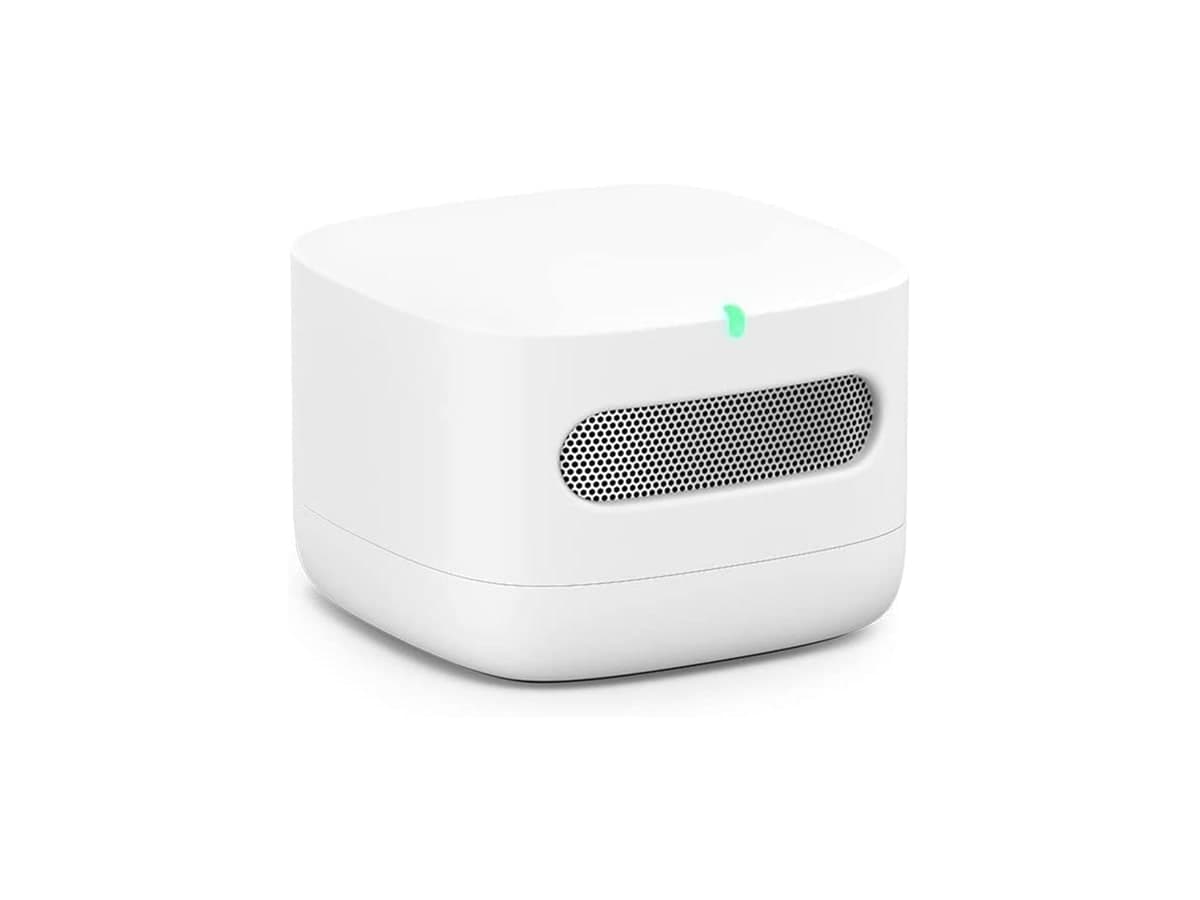
Amazon
Best for Alexa homes
A tidy, affordable monitor that pipes PM2.5, VOCs, CO, and humidity into Alexa.
Cheaper monitors track particulates (PM2.5) and basic temperature/humidity. Stepping up adds VOCs (off-gassing, cooking, cleaning products) and CO2 (a proxy for stuffiness and ventilation). If your goal is to know when to run a purifier, PM2.5 is the key metric; if it's ventilation and 'why does this room feel stale,' CO2 matters more.
A monitor and a purifier are complementary: the monitor tells you when and how hard to run the purifier, and lets you see it working. Many people find a monitor is what finally makes an automatic purifier's 'auto mode' trustworthy — you can watch the PM2.5 number fall after it kicks on.
Inexpensive PM2.5 sensors are surprisingly good at showing relative changes — the number rising when you cook or fall after a purifier runs — even if the absolute reading isn't lab-grade. For everyday decisions (run the purifier, open a window), that's usually enough. VOC and CO2 sensors vary more in quality, which is where paying more tends to matter.
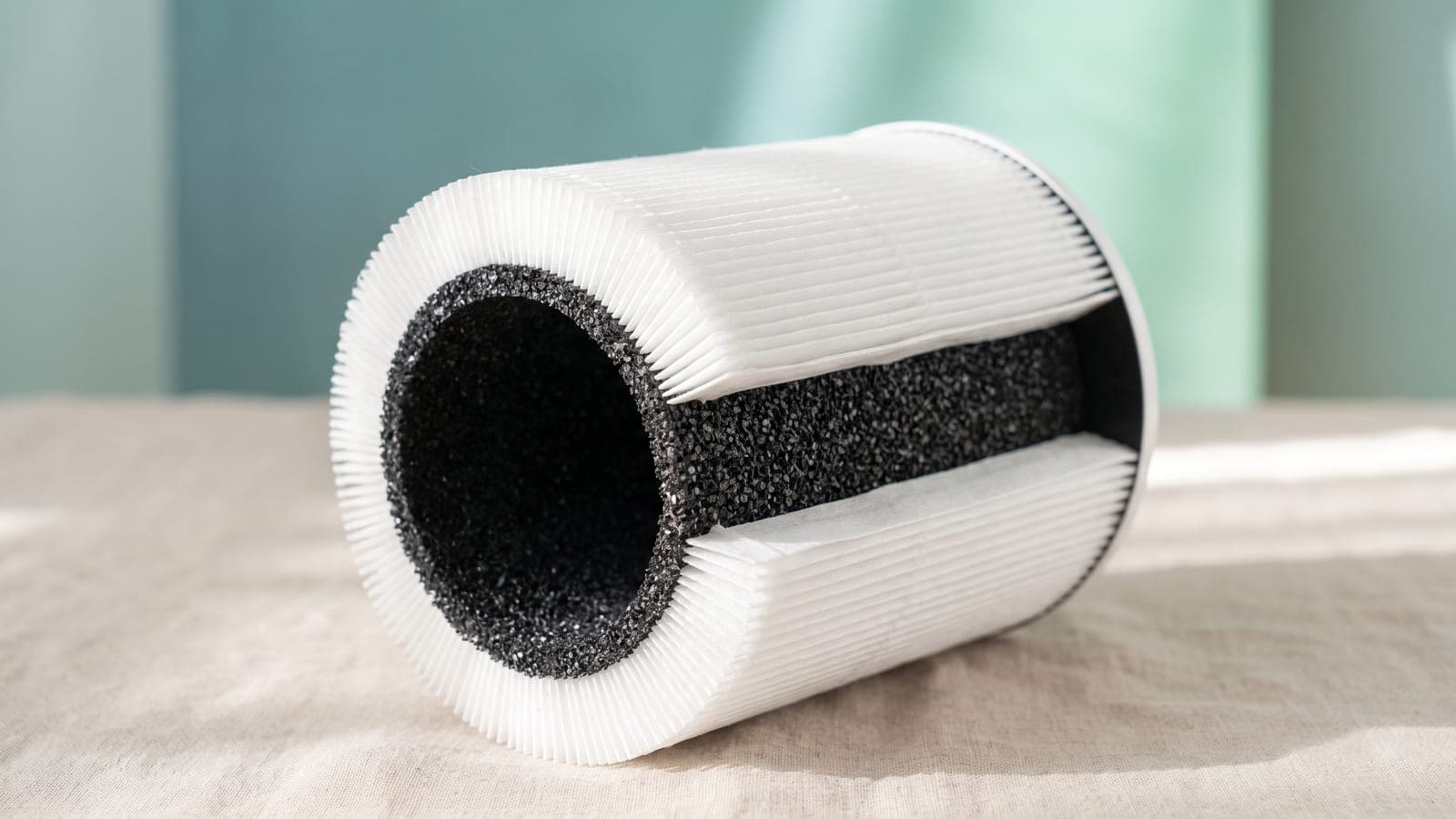
Air Quality
An activated carbon air filter adsorbs gases, odors, and VOCs that HEPA can't catch. Here's how it works, why more carbon matters, and which units have enough.
Read more →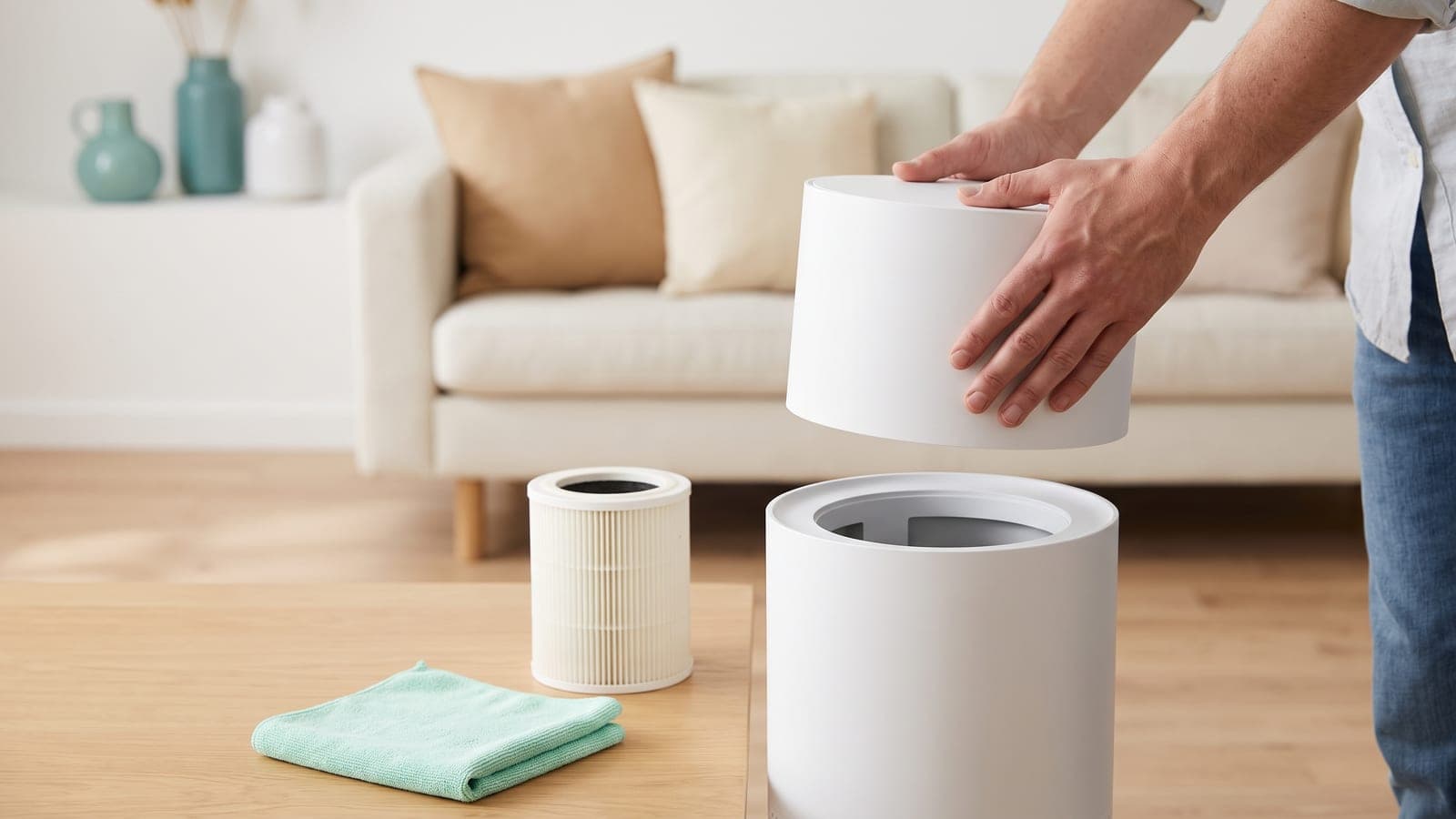
Air Quality
An air purifier maintenance checklist: rinse the pre-filter, wipe the vents, clean the sensor lens, replace HEPA and carbon on schedule, and reset the filter indicator.
Read more →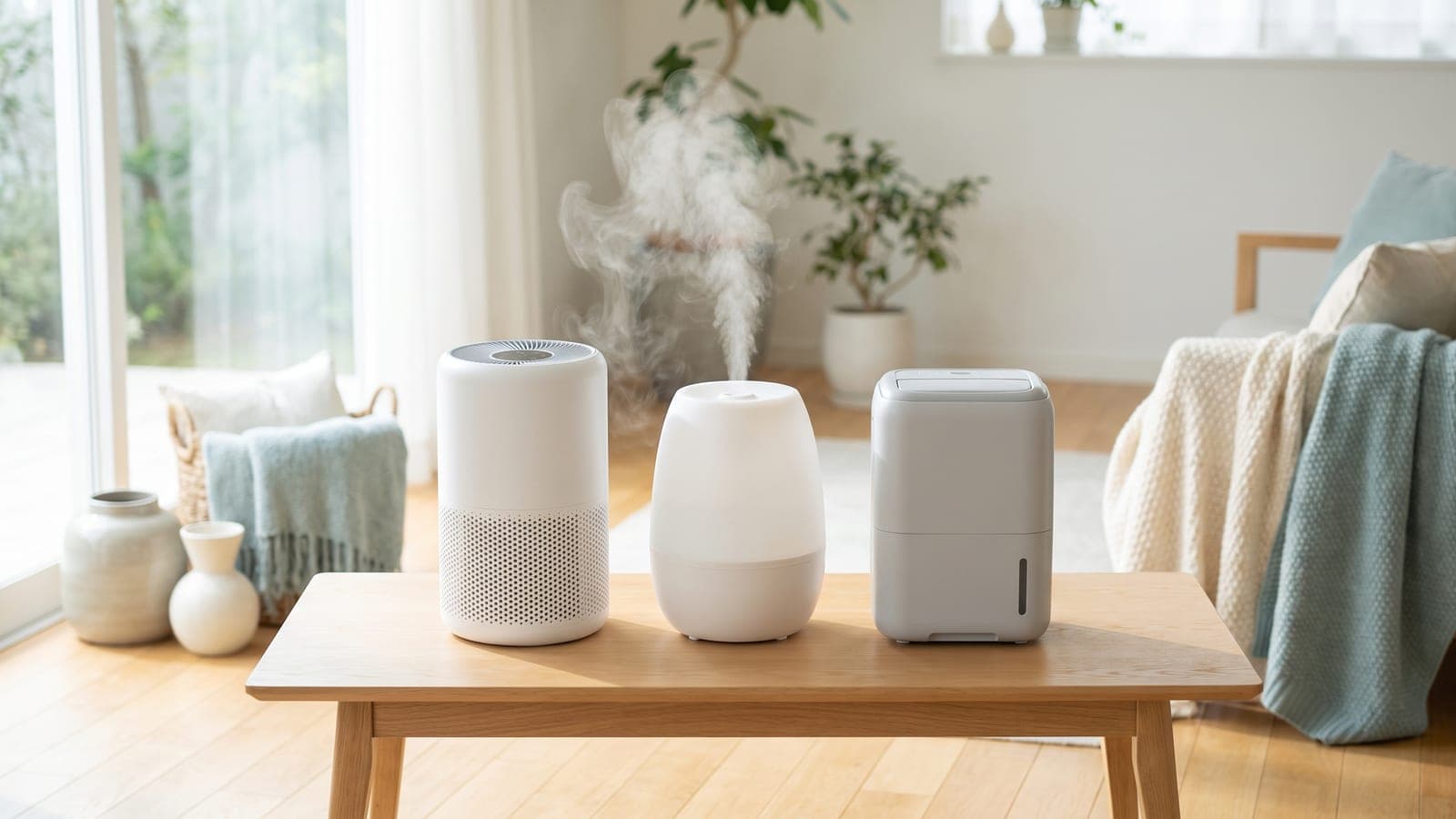
Air Quality
Air purifier vs humidifier vs dehumidifier: a purifier removes particles, a humidifier adds moisture, a dehumidifier removes it. Here's when you need each.
Read more →
Air Quality
Are air purifiers worth it? For airborne particles, yes — when sized right. Here's the honest cost-benefit: unit, filters, electricity, and who benefits most.
Read more →
Air Quality
Are ionizer air purifiers safe? Ionizers make some ozone with unclear benefit; ozone generators are a lung irritant to avoid. Here's the safe alternative.
Read more →
Air Quality
Can an air purifier help you sleep? Cleaner air can ease allergy congestion and its fan adds white noise — but it's not a sleep treatment. What to look for.
Read more →