PM2.5 is fine particulate matter — airborne particles measuring 2.5 microns or smaller in diameter. To put that in scale, that's roughly 30 times thinner than a human hair. Their tiny size is exactly what makes them matter: PM2.5 particles are small enough to slip past your body's natural defenses, travel deep into the lungs, and in some cases pass into the bloodstream. That's why air-quality agencies track PM2.5 more closely than almost any other pollutant, and why it's the number a good air purifier is built to bring down.
Key takeaways
- PM2.5 means particles 2.5 microns or smaller — fine enough to reach deep into your lungs and even your blood.
- Common sources are combustion and dust: wildfire and cigarette smoke, cooking, traffic exhaust, and fine household dust.
- It's measured in micrograms per cubic meter (µg/m³) and reported to the public through the EPA's Air Quality Index (AQI).
- A True HEPA purifier removes PM2.5 effectively, capturing 99.97% of particles at the hardest-to-catch size.
- An air-quality monitor lets you see PM2.5 spikes from cooking or outdoor smoke and react in real time.
What exactly is PM2.5?
"PM" stands for particulate matter, and the number is a size ceiling in microns (millionths of a meter). PM2.5 is the fraction of airborne particles 2.5 microns across or smaller. It's a mix, not a single substance — it can include soot, organic chemicals, metals, and dust, depending on the source.
Size is the whole story. Your nose and upper airway filter out larger particles fairly well, but PM2.5 is small enough to bypass those defenses and settle deep in the lung's air sacs. The finest particles in the range can cross into the bloodstream. That's the difference between an irritant you cough out and a pollutant that can affect your heart and lungs over time.
Where does PM2.5 come from?
Most PM2.5 is a product of combustion — anything that burns. Indoors and out, the usual sources are:
- Smoke — wildfire smoke, cigarette and tobacco smoke, wood stoves, and fireplaces. Wildfire events can push outdoor PM2.5 to extreme levels for days.
- Cooking — frying, searing, and high-heat stovetop cooking generate surprising amounts of fine particulate, which is why kitchen readings spike fast.
- Traffic and industry — vehicle exhaust and combustion at power plants and factories drift indoors through windows, doors, and gaps.
- Fine dust — some household and construction dust falls into the PM2.5 range, along with resuspended particles kicked up by activity.
Indoors, you're dealing with both what drifts in from outside and what you generate yourself. During a smoke event the outdoor source dominates; on a calm day, cooking is often the biggest single spike in a home.
Why does PM2.5 matter for your health?
This is where the size pays off — badly. Because PM2.5 reaches deep into the lungs, public-health agencies including the EPA and CDC link it to a range of effects. Short-term exposure can trigger coughing, irritation, and worsened asthma and other respiratory conditions. Over the long term, PM2.5 exposure is associated with reduced lung function and increased risk of heart and lung disease.
People most sensitive to PM2.5 include children, older adults, pregnant people, and anyone with asthma or a heart condition. If you're managing a specific health concern, that's a conversation for a doctor — an air purifier is a tool for cleaner air, not a medical device. But lowering the PM2.5 you breathe indoors is a sensible, well-supported goal for just about everyone.
How is PM2.5 measured and reported?
PM2.5 is measured as a mass concentration: micrograms of particulate per cubic meter of air, written µg/m³. A monitor pulls in air, counts and weighs the fine particles, and reports that number — the higher it is, the more polluted the air.
For the public, the EPA translates raw µg/m³ into the Air Quality Index (AQI), a 0–500 scale with color-coded categories that's easier to act on than a bare number. You can check your local AQI free through the EPA's AirNow site and app. Here's roughly how the AQI maps to 24-hour PM2.5 levels and what each band means in practice:
| AQI category | AQI range | PM2.5 (µg/m³, 24-hr) | What to do |
|---|---|---|---|
| Good | 0–50 | 0.0–9.0 | Enjoy normal activity; air is clean. |
| Moderate | 51–100 | 9.1–35.4 | Fine for most; very sensitive people watch symptoms. |
| Unhealthy for Sensitive Groups | 101–150 | 35.5–55.4 | Sensitive groups limit outdoor exertion; close windows, run a purifier. |
| Unhealthy | 151–200 | 55.5–125.4 | Everyone limits time outside; keep purifier running indoors. |
| Very Unhealthy | 201–300 | 125.5–225.4 | Stay indoors, seal windows, run purifiers on high. |
| Hazardous | 301+ | 225.5+ | Emergency conditions; minimize all exposure. |
Exact breakpoints are set by the EPA and were updated in 2024; treat the table as a working guide rather than a to-the-decimal rulebook.
How does a HEPA air purifier reduce PM2.5?
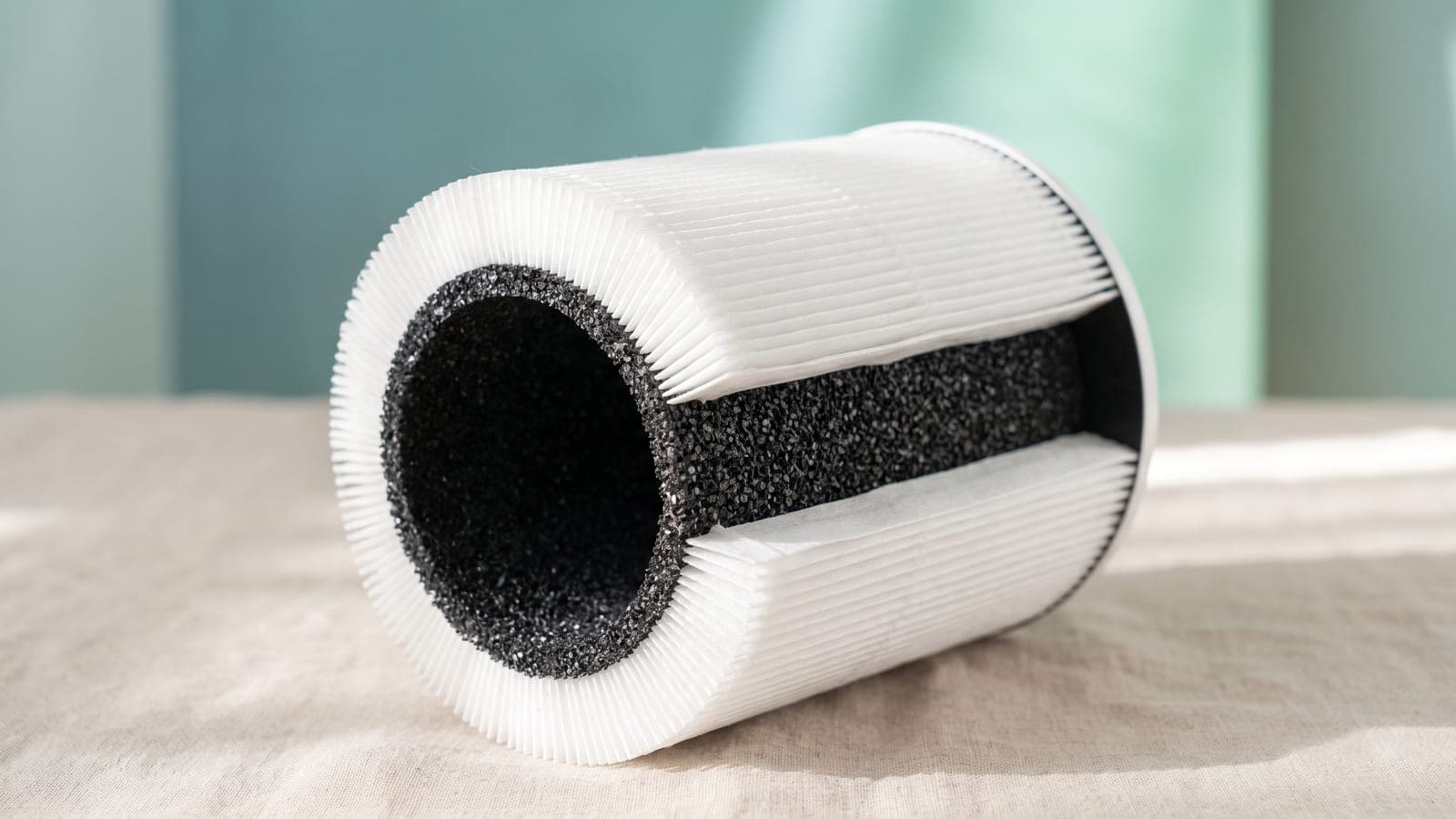
Very directly. A True HEPA filter is defined by its ability to capture at least 99.97% of particles at 0.3 microns — the single hardest particle size to trap. Since 0.3 microns sits comfortably inside the PM2.5 range, a HEPA purifier is essentially purpose-built to strip these particles out of your air. Pull room air through the filter enough times per hour and indoor PM2.5 drops.
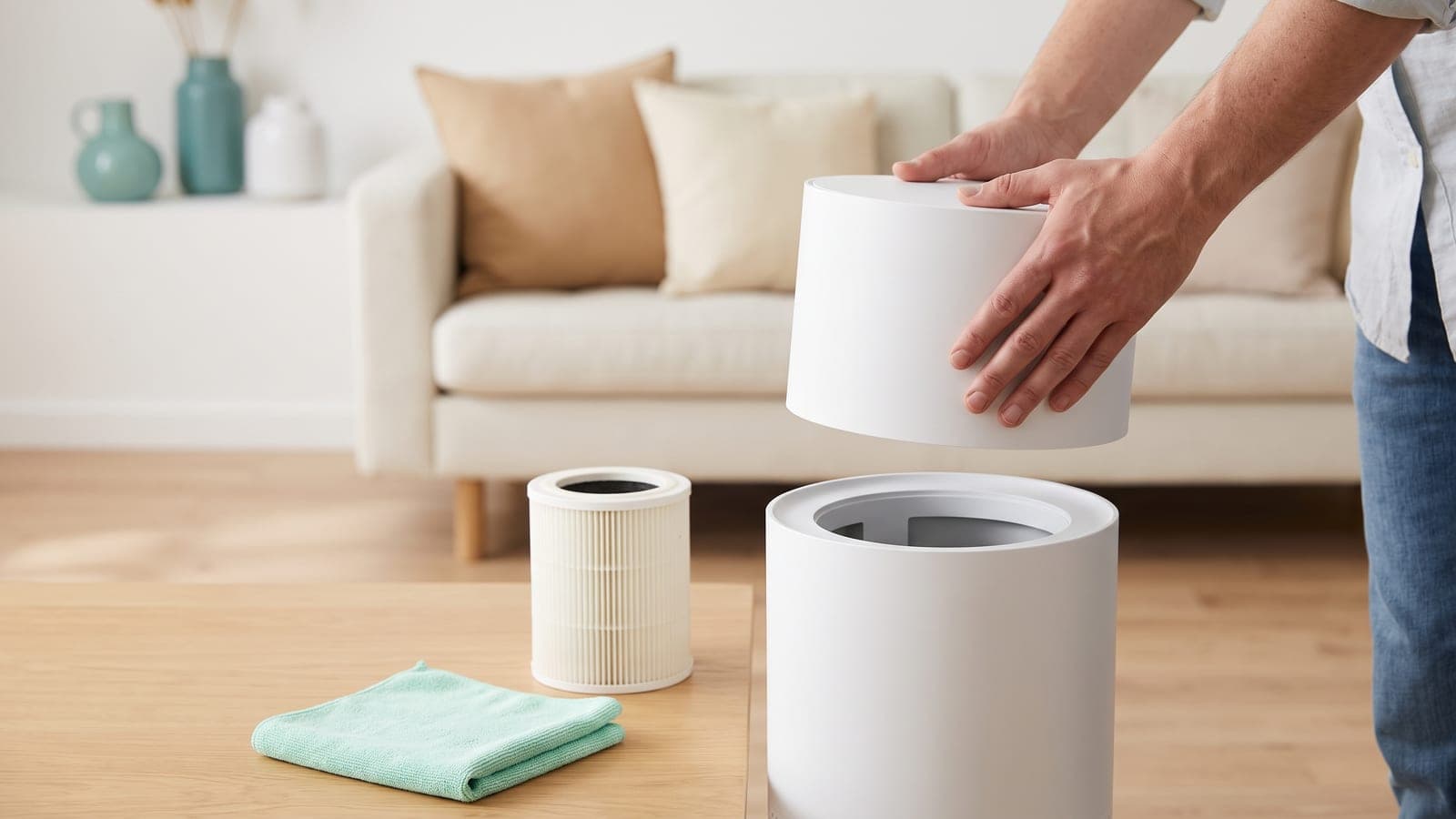
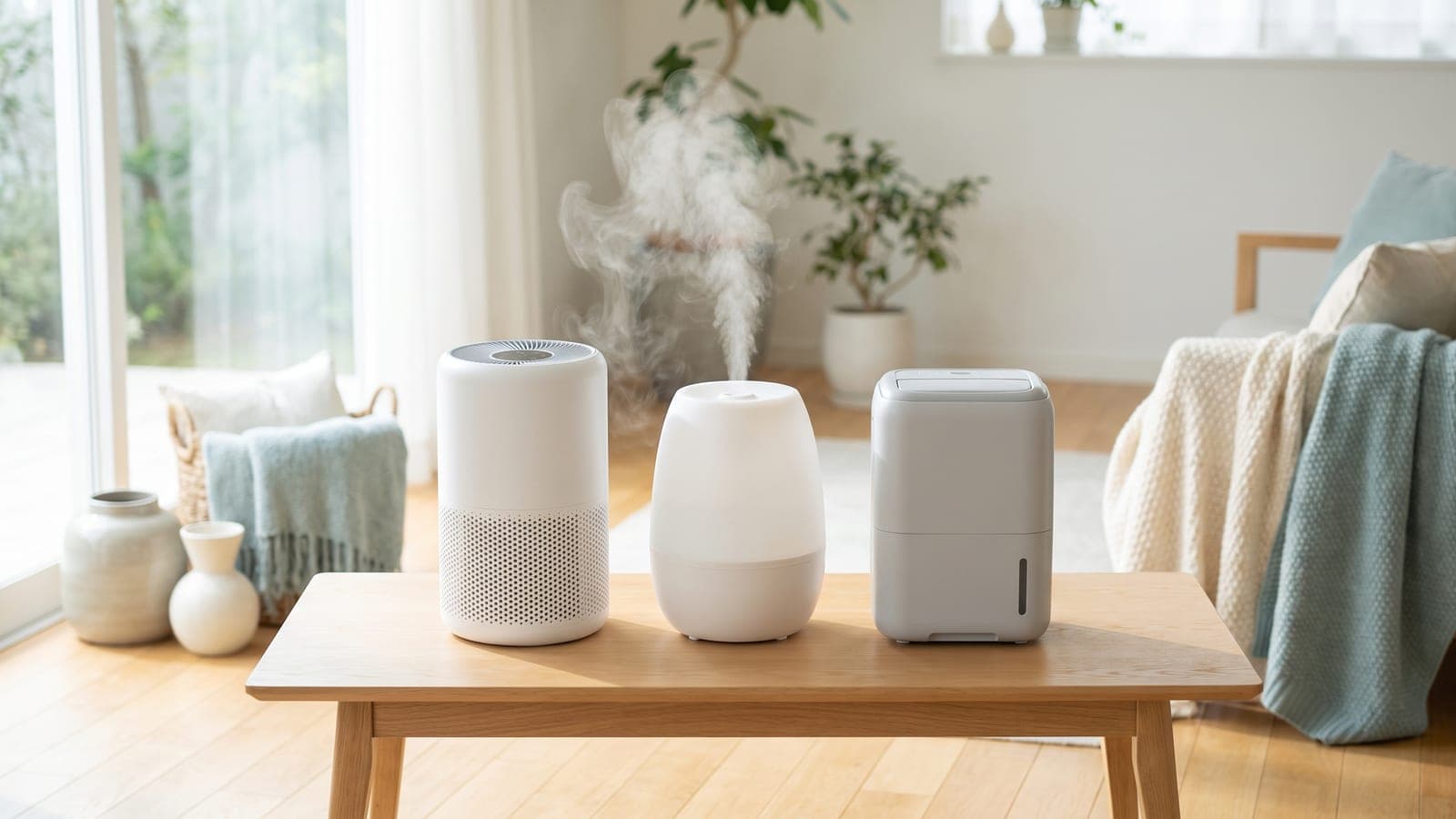
The catch is sizing. A purifier only helps if it can cycle your room's air fast enough, which comes down to its clean air delivery rate versus your square footage. During wildfire smoke you want to size up — match the purifier's CADR closer to the room size rather than the usual two-thirds rule, because the particle load is so heavy. For the mechanics of why True HEPA works and why "HEPA-type" doesn't, see our guide to HEPA filters.
How can a monitor help you track PM2.5?
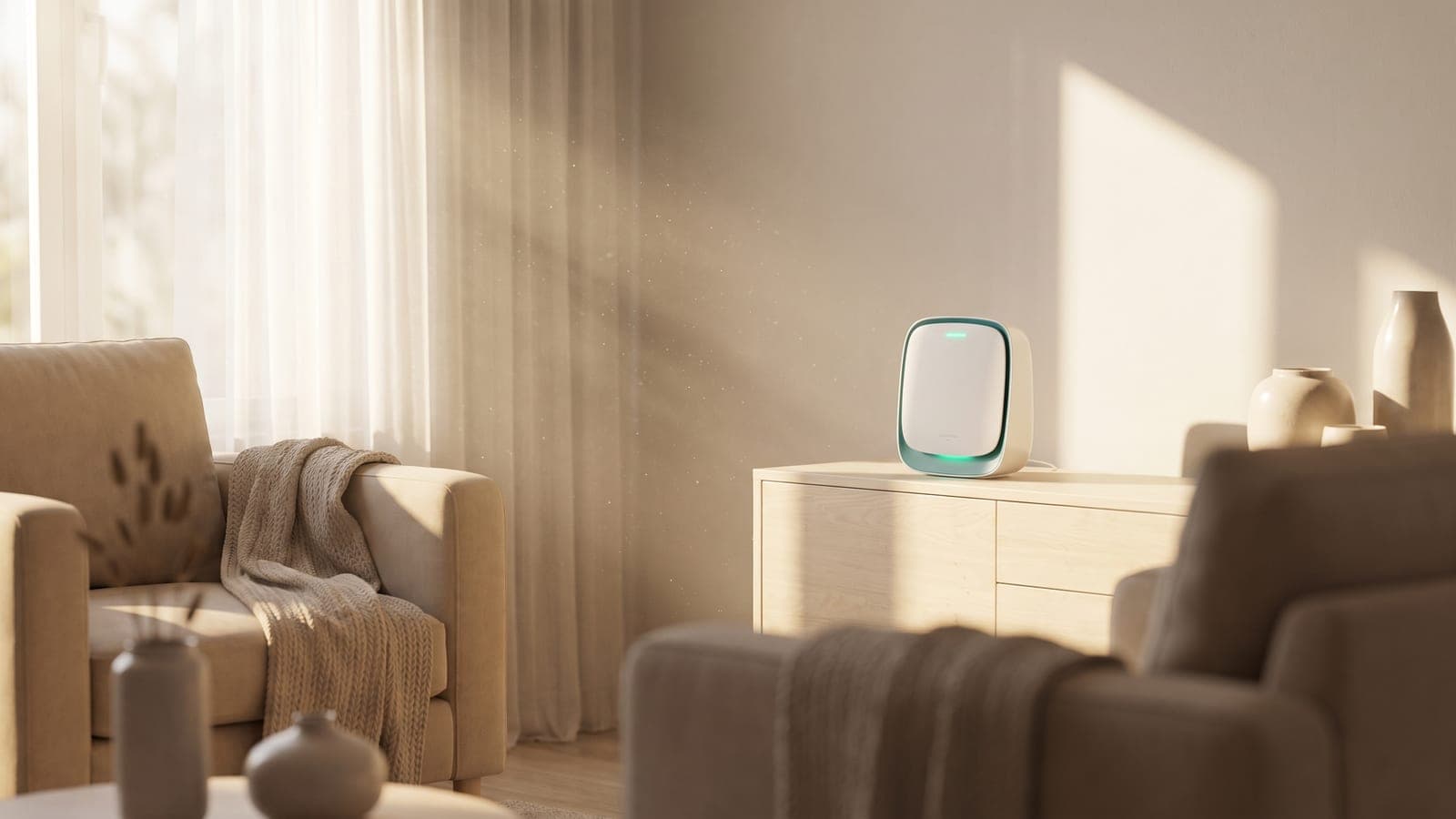
You can't manage what you can't see, and PM2.5 is usually invisible. A consumer air-quality monitor measures indoor PM2.5 live and shows it on a display or app, so you catch spikes as they happen — the reading jumping while you sear a steak, or creeping up when outdoor smoke leaks in.
That real-time feedback is genuinely useful. It tells you when to switch the purifier to high, when to crack a window versus keep it sealed, and whether your setup is actually keeping levels down. Pair a monitor with a right-sized HEPA purifier and you close the loop: see the number, act on it, watch it fall.
The bottom line and your next step
PM2.5 is small, common, and worth taking seriously — but it's also very manageable indoors. The playbook is simple: keep an eye on your local AQI, cut the sources you control (especially cooking and smoke), and run a properly sized True HEPA purifier with windows closed when levels climb.
If you want to lower the particulate in your home starting today, the most useful next step is our practical walkthrough on how to reduce indoor air pollution — it covers the source-control and filtration moves that make the biggest dent in PM2.5.
Frequently asked questions
What is a safe level of PM2.5?
Lower is always better, and there's no threshold that's completely risk-free. As a practical guide, the EPA's Air Quality Index rates a 24-hour PM2.5 average up to about 9 µg/m³ as 'Good.' Once readings climb past roughly 35 µg/m³ the air moves into 'Unhealthy for Sensitive Groups,' which is a sign to close windows and run a purifier.
Is PM2.5 worse than PM10?
They're different sizes with different risks. PM10 (particles up to 10 microns) mostly irritates the nose and throat. PM2.5 is far smaller, so it travels deeper into the lungs and can enter the bloodstream. Because of that reach, PM2.5 is the pollutant most closely tied to serious heart and lung effects.
Can I see PM2.5 in the air?
Usually not. At 2.5 microns these particles are about 30 times thinner than a human hair, so individual particles are invisible. You only see them in bulk — as haze during a wildfire or a smoky cooking session. Clear-looking air can still carry high PM2.5, which is why a monitor is useful.
Does a HEPA air purifier remove PM2.5?
Yes. A True HEPA filter captures at least 99.97% of particles at 0.3 microns, which sits right inside the PM2.5 range. Running a properly sized HEPA purifier is one of the most effective ways to lower indoor PM2.5, especially with windows closed during smoke events.
Where can I check the PM2.5 level near me?
The EPA's free AirNow website and app (airnow.gov) show your local Air Quality Index, which is driven largely by PM2.5. For your own home, a consumer air-quality monitor gives a live indoor reading so you can see spikes from cooking or outdoor smoke as they happen.