Short answer: ionizer air purifiers are generally safe but of questionable benefit, while ozone-generating purifiers are not safe and should be avoided. The two often get lumped together, but they're different technologies with very different risk profiles. An ionizer charges particles to make them settle and produces only trace ozone as a byproduct; an ozone generator deliberately floods a room with ozone — a known lung irritant. If your goal is clean air without the guesswork, a mechanical HEPA-plus-carbon purifier does the job with nothing added to your air.
Key takeaways
- Ionizers and ozone generators are not the same — one makes trace ozone as a byproduct, the other produces it on purpose.
- Ozone is a lung irritant. The EPA warns against ozone generators in occupied spaces, and California's CARB restricts indoor air cleaners that emit high ozone.
- Ionizers add modest, debated benefit and can produce small amounts of ozone; their particle removal is inconsistent in testing.
- HEPA plus activated carbon is the safe mechanical approach — proven, passive, and byproduct-free.
- On many units the ionizer is optional. Coway's ionizer and Winix's PlasmaWave can both be switched off.
What's the difference between an ionizer and an ozone generator?
They get confused constantly, but the distinction is the whole point.
An ionizer (or ionic purifier) releases charged ions into the air. Those ions attach to airborne particles, making them clump together and either settle onto surfaces or stick to a collector plate. Ozone is only an incidental byproduct of this process, typically in small amounts.
An ozone generator is a different animal. It deliberately produces ozone as its primary cleaning method, on the theory that ozone reacts with pollutants and odors. The problem is that the concentration needed to do that is also a concentration that's unsafe to breathe.
| Purifier tech | How it works | Ozone risk | Verdict |
|---|---|---|---|
| True HEPA + carbon | Fan pulls air through a fiber filter (particles) and carbon (gases) | None | Recommended — safe and effective |
| Ionizer | Charges particles so they clump and settle or stick to a plate | Low (trace byproduct) | Optional; modest, debated benefit |
| Ozone generator | Deliberately produces ozone to react with pollutants | High (that's the mechanism) | Avoid in occupied spaces |
| PlasmaWave / bipolar-style | Ionization variant built into some HEPA units | Low; usually off-able | Fine to run, fine to leave off |
Why is ozone a problem to breathe?
Ozone is the same gas that makes urban smog hazardous. Up in the atmosphere it shields us from UV; down at nose level it's a lung irritant. The EPA is explicit about it: in guidance on ozone generators sold as air cleaners, the agency notes that ozone can cause chest tightness, coughing, and shortness of breath, and can worsen asthma and other respiratory conditions.
The core issue is that there's no sweet spot. The amount of ozone that would meaningfully react with pollutants is well above the amount that's safe to breathe. So a device marketed on its ozone output is asking you to choose between "not effective" and "not safe." That's why the EPA advises against using ozone generators in occupied spaces, and why we don't recommend them at all for the home.
Do ionizers actually clean the air well?
This is the more interesting question, because ionizers aren't dangerous in the way ozone generators are — they're just underwhelming. Independent testing has repeatedly found that the real-world particle removal from ionization alone is modest and inconsistent. Charged particles that settle onto walls, floors, and furniture haven't left your home; they've just relocated, and activity can resuspend them.
There's also the byproduct question. Because ionization can generate small amounts of ozone, a purifier leaning on ionization as a main feature is one to scrutinize. The honest read: ionization is a "maybe it helps a little" feature, not a reason to buy. The heavy lifting in any good purifier comes from the mechanical filter.
Why is HEPA plus carbon the safer approach?
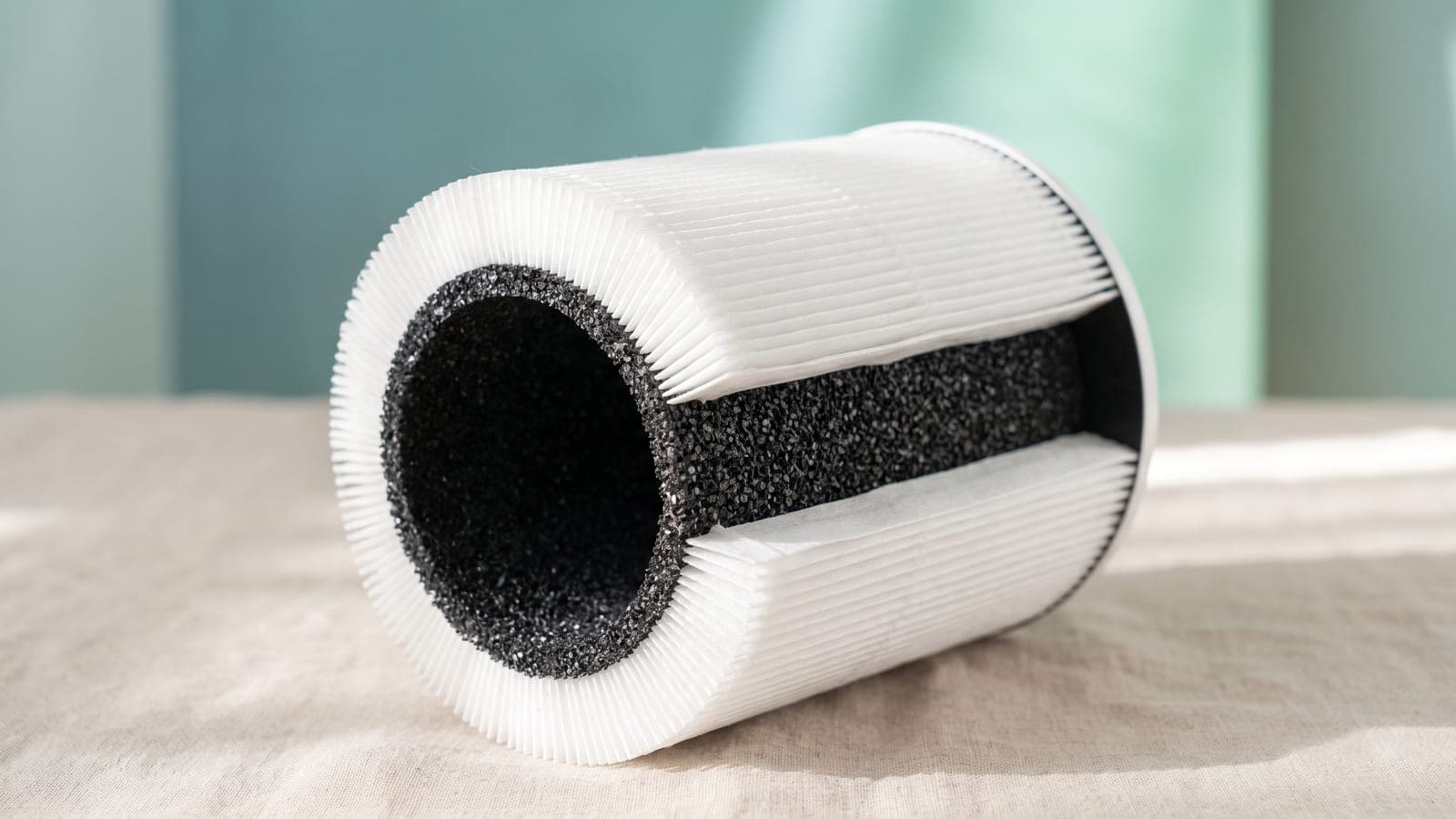
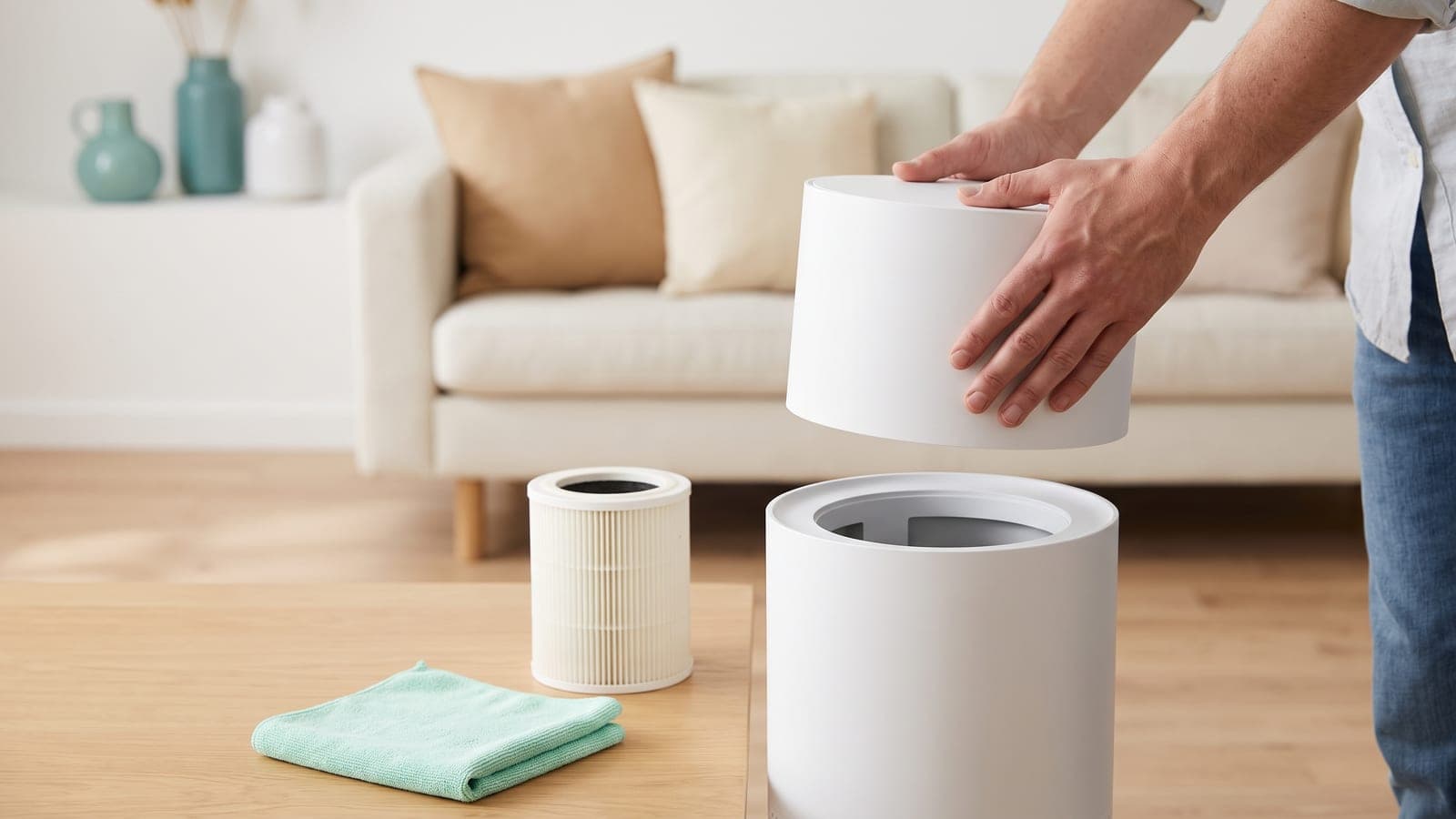
Because it adds nothing to your air. A mechanical purifier is just a fan and filters: a True HEPA filter traps particles down to 0.3 microns at 99.97% efficiency, and an activated carbon stage adsorbs gases and odors. Air goes in dirty, comes out cleaner, and nothing reactive is emitted in the process.
That's the entire appeal: no ozone, no charged ions, no debate about byproducts — just decades of well-documented particle capture. When people ask which purifier is "safe," this passive, mechanical setup is the answer nearly every time. It's also what the strongest units on the market rely on, from budget boxes to premium gas-tackling machines.
Are the ionizers on Coway and Winix a concern?
Not really, and here's the practical reassurance. Several excellent mechanical purifiers include an ionizer as a secondary, optional feature layered on top of real HEPA and carbon. Coway's Airmega line includes an ionizer you can switch off, and Winix builds in PlasmaWave, its ionization feature, which is likewise off-able.
The important part is that these are True HEPA purifiers first. The filter does the cleaning whether the ionizer is on or off, so if the feature makes you uneasy, just leave it off and you lose nothing meaningful. It's a nice illustration that "has an ionizer" and "is an ionic purifier" aren't the same thing — a great HEPA unit doesn't become a gimmick because it offers ionization as a toggle. If you're weighing these brands, our Coway Airmega review guide walks through the lineup.
What about California's ozone rules?
California is worth knowing about because it drew a hard line. The California Air Resources Board (CARB) established a regulation requiring indoor air cleaners sold in the state to be certified and to meet an ozone emission limit. Devices that emit ozone above that threshold — the category that includes many ozone generators — can't be legally sold there as air cleaners.
The takeaway extends beyond California: a purifier engineered to run clean will pass that kind of limit easily, because it isn't relying on ozone in the first place. If a device's whole pitch is ozone output, treat CARB's stance as a useful warning label. Reputable HEPA-and-carbon purifiers are designed to keep emissions negligible.
The bottom line and your next step
Ionizers are mostly harmless but not worth buying for; ozone generators are a genuine risk you should skip. The reliably safe, reliably effective choice is a mechanical purifier built around True HEPA plus activated carbon — with any ionizer treated as an optional toggle you can ignore.
If odors and gases are part of why you're shopping, the natural next read is our activated carbon filters explainer, which covers how the safe, no-ozone way to tackle smells actually works and how much carbon you really need.
Frequently asked questions
Are ionizer air purifiers safe to run at home?
Ionizers are generally low-risk but not clearly beneficial. They can produce small amounts of ozone as a byproduct, and independent testing has found their real-world particle removal is modest. If your purifier has an ionizer, it's usually an optional feature you can switch off — and the mechanical HEPA filter does the real work either way.
What's the difference between an ionizer and an ozone generator?
An ionizer charges particles so they clump and settle, producing ozone only as an incidental byproduct. An ozone generator deliberately produces ozone as its main method. The EPA warns against ozone generators for occupied spaces because ozone is a lung irritant. Ionizers are the milder cousin; ozone generators are the ones to avoid.
Is ozone dangerous to breathe?
Yes, at meaningful concentrations. Ozone is the same gas that makes up smog, and the EPA identifies it as a lung irritant that can cause chest tightness, coughing, and worsened asthma. There's no established level of ozone that's both effective at cleaning air and safe to breathe in an occupied room.
Should I turn off the ionizer on my Coway or Winix?
You can, and many owners do. Coway's ionizer and Winix's PlasmaWave are both optional and can be switched off, leaving the True HEPA and carbon filtration running normally. Turning it off costs you nothing meaningful and removes any concern about ionization byproducts.
What's the safest type of air purifier?
A mechanical purifier that pairs a True HEPA filter with activated carbon. It adds nothing to your air — it just pulls particles and gases out as air passes through. There's no ozone, no ionization, and decades of testing behind the approach.