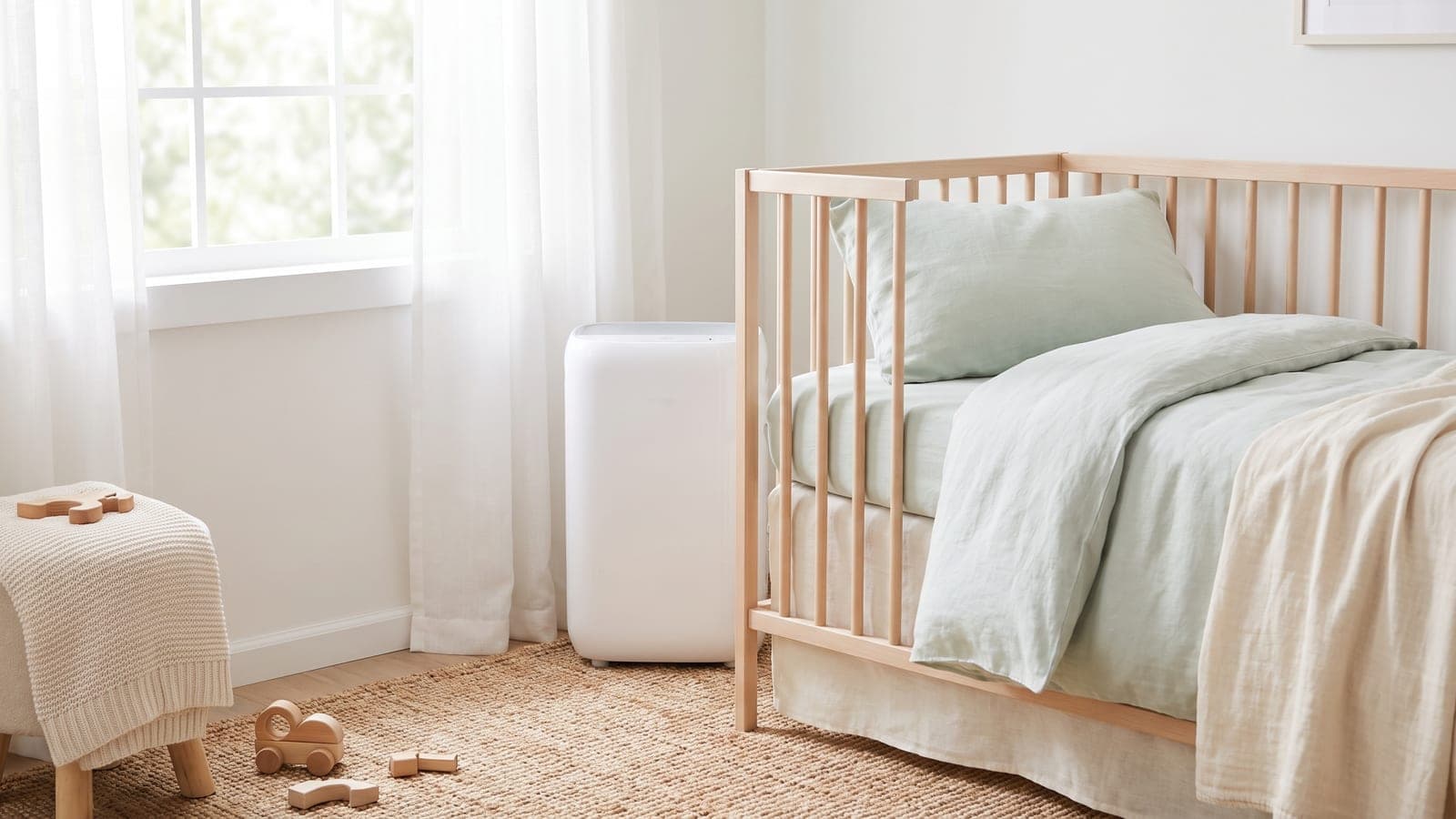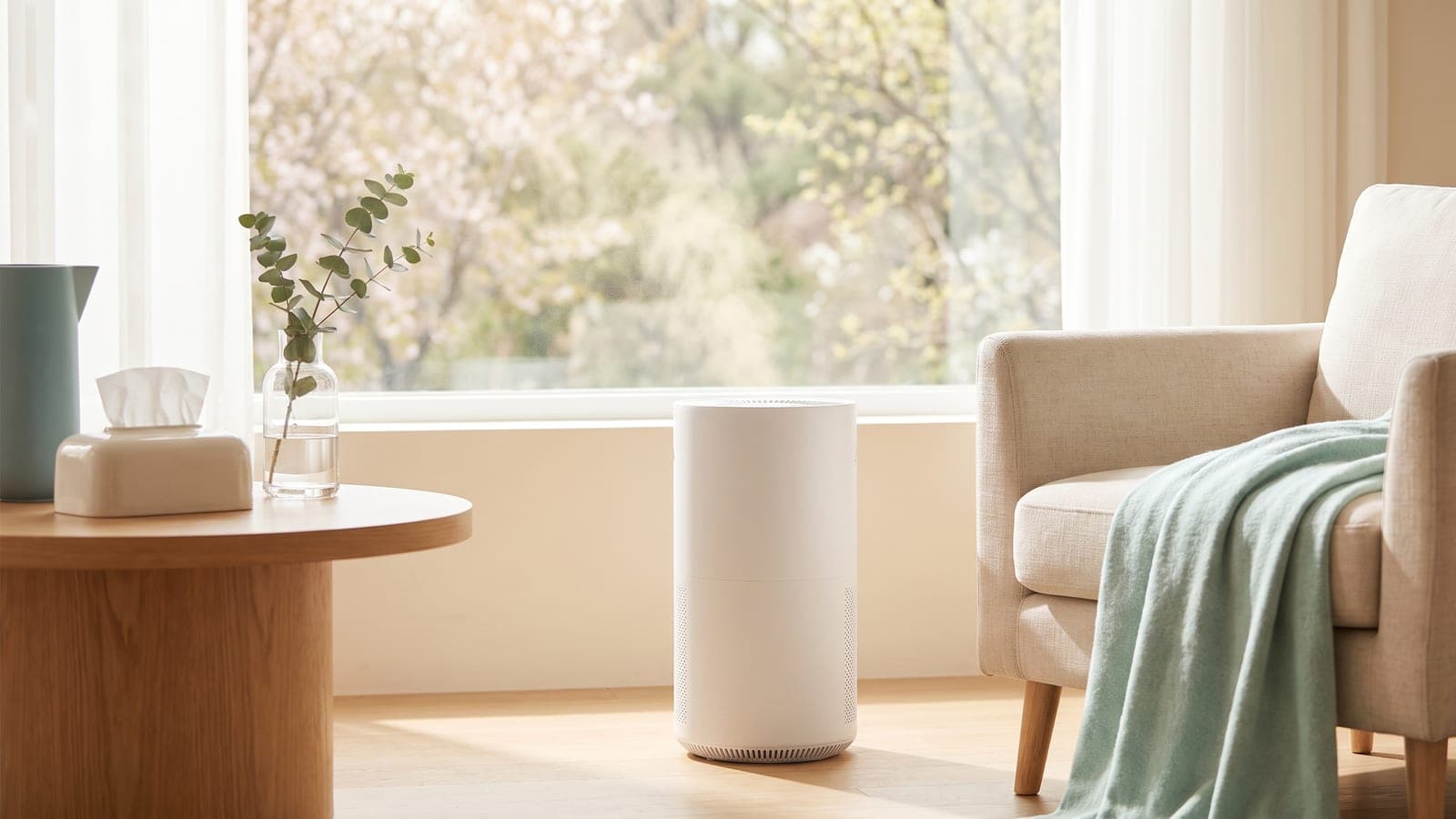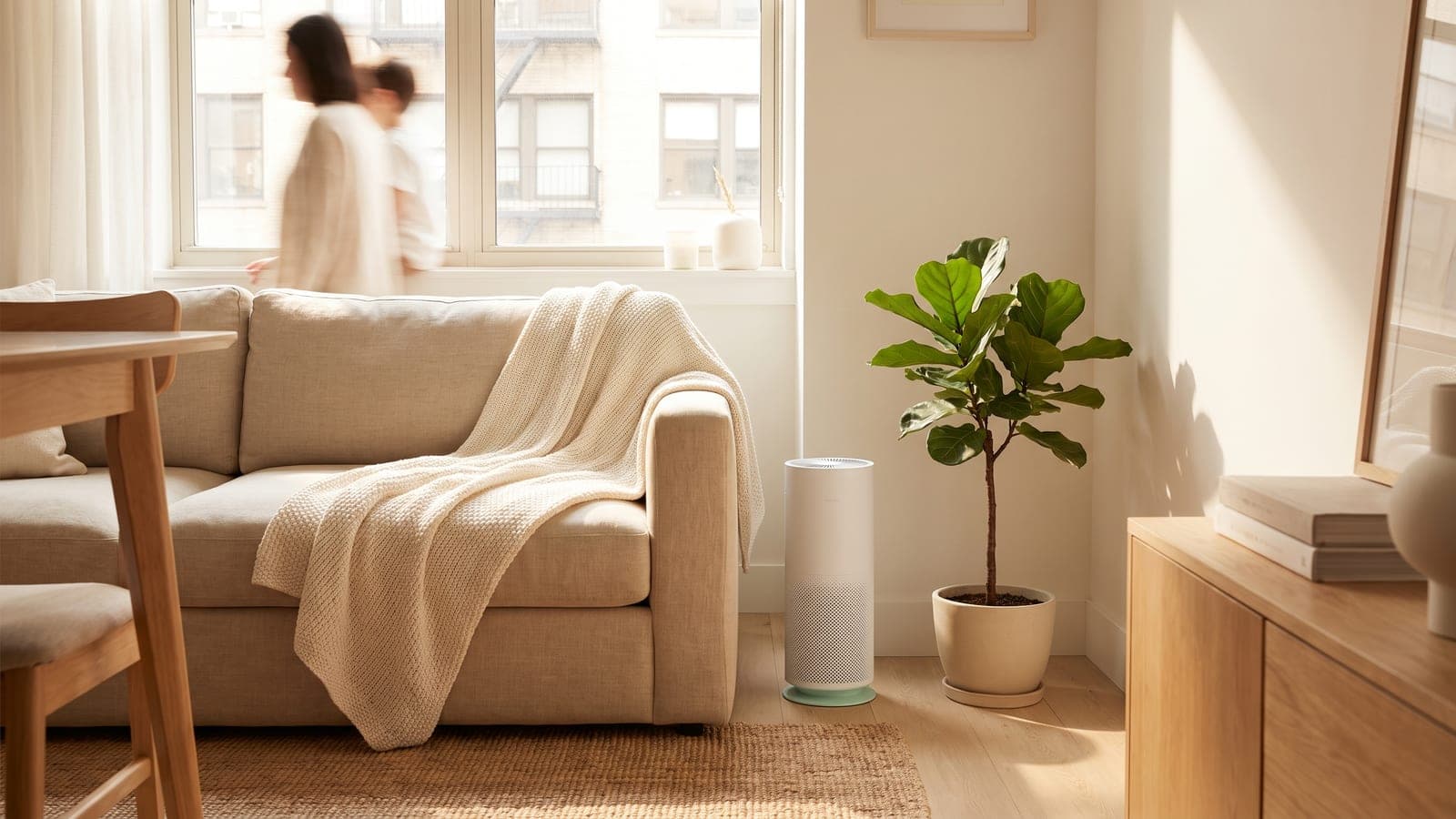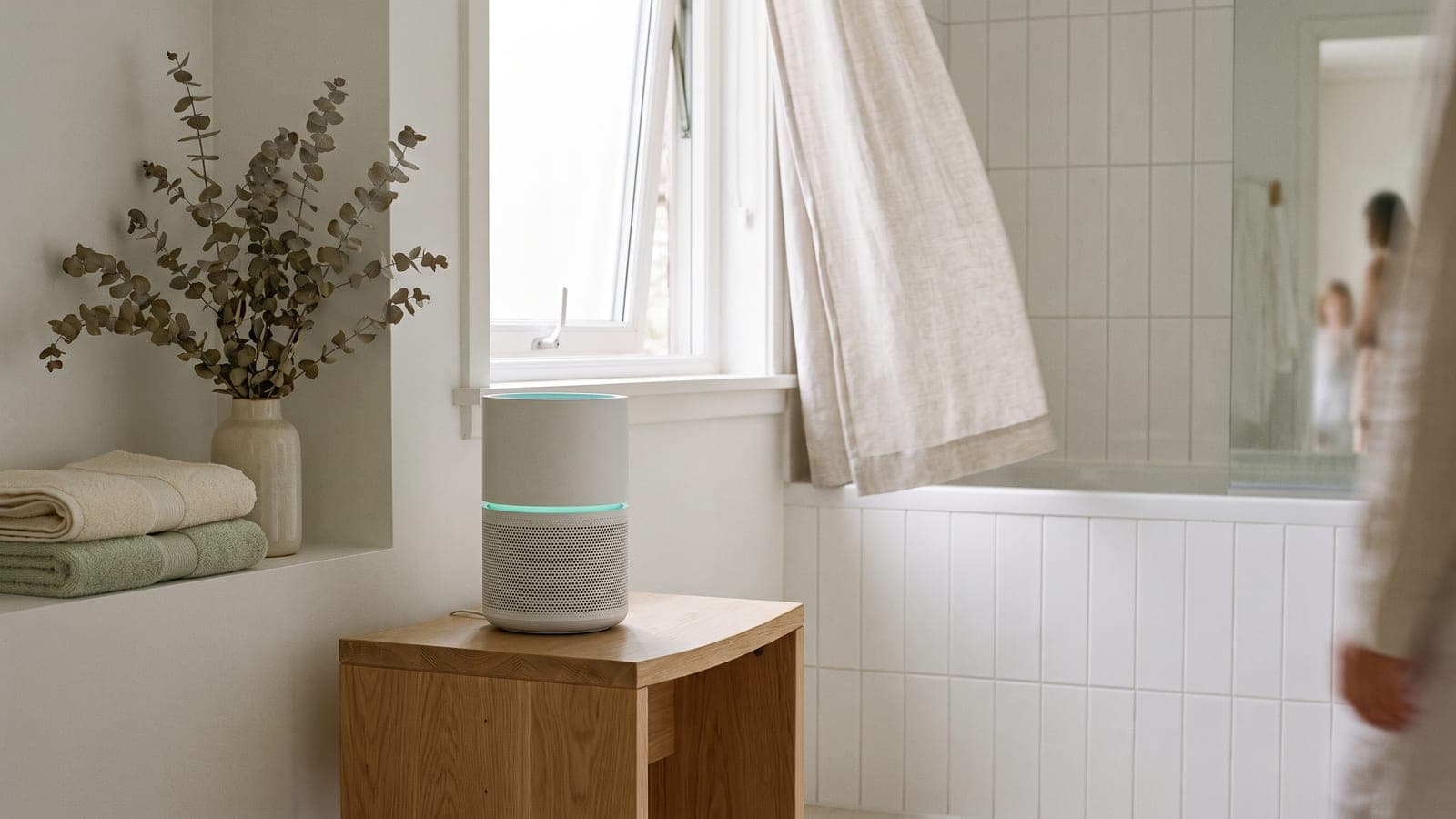
Let's be honest up front: an air purifier does not fix a mold problem. It captures the spores already floating in your air and can take the edge off the musty smell, but the mold growing on a wall or under a sink — and the moisture feeding it — is a job for a dehumidifier, a repair, and physical cleanup. Do that first. What a purifier does do well is lower the airborne spore count and help with the odor. For a typical room, the Coway Airmega AP-1512HH Mighty remains the sensible default, and the new Winix 5530 is now the pick when the smell bothers you more than the spores and an AirDoctor is more than you want to spend.
Quick answer
| Model | CADR (smoke) | Coverage | Filters/yr | Best for |
|---|---|---|---|---|
| Coway Airmega AP-1512HH Mighty | 233 CFM | 361 sq ft | ~$60 | Best overall |
| Winix 5530 | 253 CFM | 392 sq ft | ~$80 (less on sale) | Musty odors on a budget |
| AirDoctor AD5500i | 556 CFM | ~862 sq ft | ~$355 | Heavy musty odors |
| Levoit Core 300S | 141 CFM | 219 sq ft | ~$45–$60 | Budget / small rooms |
| Levoit Core 600S | 391 CFM | 606 sq ft | ~$60 | Large / basement |
| IQAir HealthPro Plus | — | 1,125 sq ft | ~$200 | Premium |
Coverage is smoke CADR × 1.55, about 4.8 air changes an hour at 8 ft ceilings. The IQAir has no AHAM smoke CADR to list; its 1,125 sq ft is IQAir's own HyperHEPA-based figure.
Key takeaways
- HEPA captures airborne spores. Mold spores are fine particles a genuine True HEPA (H13) filter traps well, which lowers the count floating in your air.
- Carbon helps the musty smell — that odor is a gas, so a real activated-carbon stage is what reduces it; HEPA alone won't. How much carbon matters more than whether the box says "carbon."
- A purifier does not fix mold. You must correct the moisture or leak and remove existing growth at the source; the purifier is a complement, not a solution.
Best overall for mold: Coway Airmega AP-1512HH Mighty
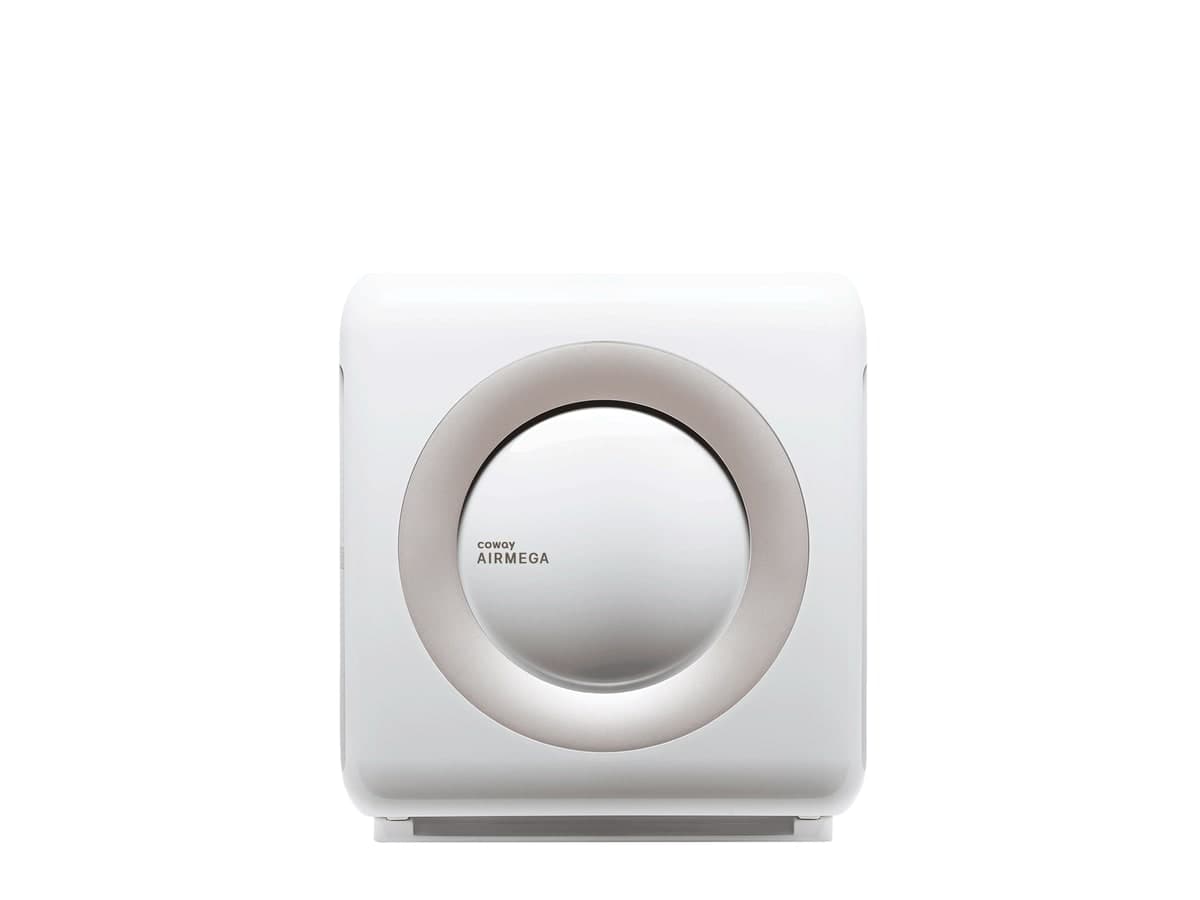
Mid-range · 233 CFM CADR · 361 sq ft
Paid links: we may earn a commission at no cost to you. Disclosure
The Coway Airmega AP-1512HH Mighty is the sensible first choice for airborne mold in a normal room. Its True HEPA filter captures spores across a space up to about 361 sq ft on a smoke CADR of 233 CFM, and its activated-carbon layer helps with the musty edge, while a trustworthy auto mode and air-quality sensor keep it working without attention. It runs quietly, its filters are cheap to replace at roughly $60 a year, and it does exactly what a mold purifier should — clean the air — without overpromising to fix the wall. The optional ionizer is best left off, and there's no app, but neither matters for this job.
Its successor, the Coway Airmega Mighty2, covers the same room size (240 CFM) without any ionizer, and Coway says its one-piece filter carries about 45% more carbon. That helps with a faint mustiness, but it still costs more to buy and re-filter, so the original keeps this spot on price.
Best value for musty odors: Winix 5530
Winix
5530
Mid-range · 253 CFM CADR · 392 sq ft
Paid links: we may earn a commission at no cost to you. Disclosure
The Winix 5530 fills the gap between thin-carbon purifiers and the AirDoctor. Its Filter Q stacks a bed of granular activated carbon between the washable pre-filter and the True HEPA layer, which is a lot more adsorbent material than the carbon-dusted wraps on most cylinder purifiers or the small carbon stage in the Core 300S below. Against an MVOC smell in a laundry room or spare bedroom, that extra carbon is the part doing the work.
Its 253 CFM smoke CADR covers about 392 sq ft, slightly more than the Mighty, and Wi-Fi lets you run it harder from the Winix app on damp days without walking into the room. Filter Q costs $79.99 at list and lasts about a year; sales bring it to $50–$65. The carbon can't be washed, so once the musty smell starts getting through again, the whole filter is due.
The 5530 also carries PlasmaWave, Winix's ionizer. It's switchable, and nothing about spore capture or odor control depends on it; our guide to ionizer and ozone safety explains why many owners leave it off.
Best for heavy musty odors: AirDoctor AD5500i
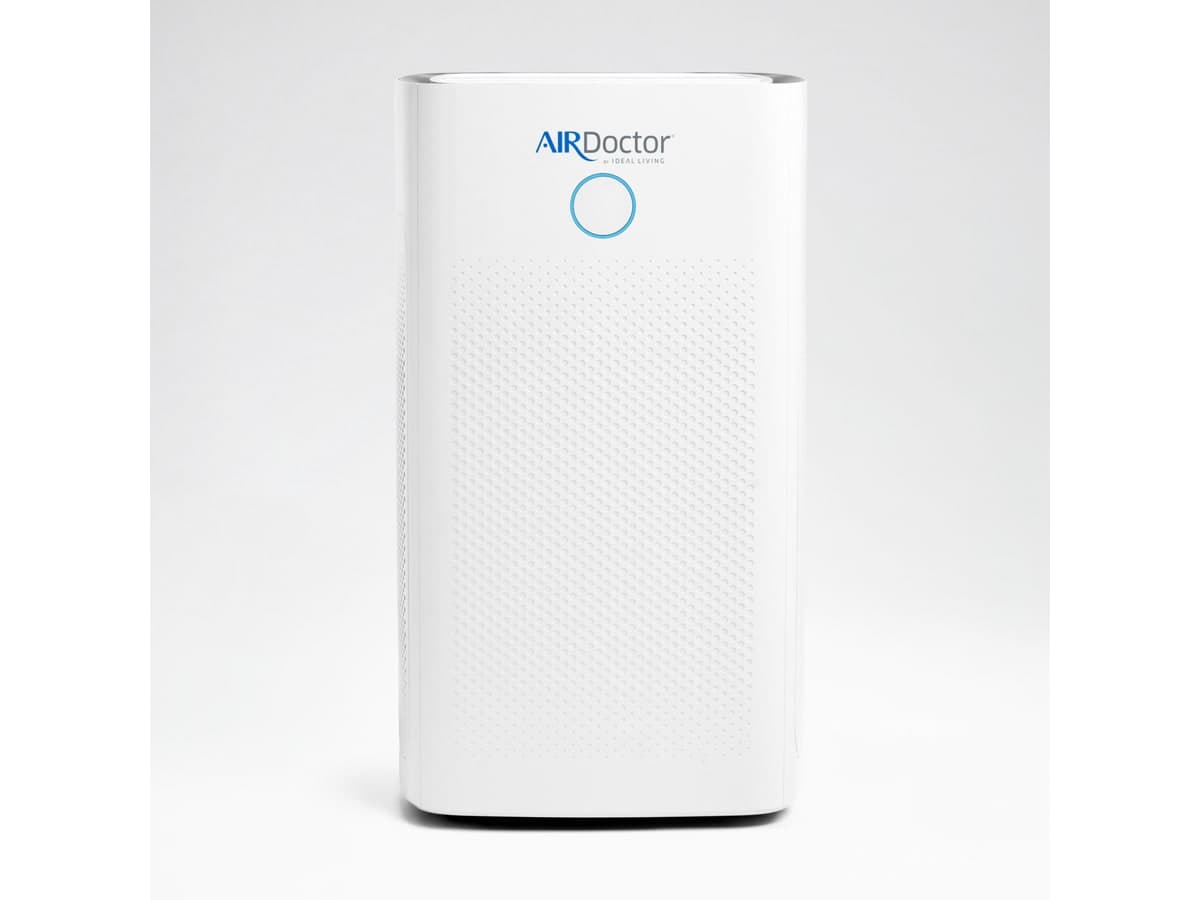
Premium · 556 CFM CADR · 862 sq ft
Paid links: we may earn a commission at no cost to you. Disclosure
If the musty smell is strong and fills a large space, the AirDoctor AD5500i is the pick, because odor is where lighter purifiers give up. On top of an UltraHEPA filter for the spores, it runs a serious dual carbon and VOC gas stage that's far more capable against the MVOC gases behind that damp, musty odor than the thin carbon in cheaper units. Its 556 CFM CADR covers about 862 sq ft at this site's sizing rule (AirDoctor quotes 1,043 sq ft at four air changes an hour), with a Wi-Fi app and auto sensor, and a year of filters costs about $355. At around $999 it is roughly five times the price of the Winix, so it makes sense for big, persistently musty spaces rather than a single room. It won't stop the smell from returning if the moisture source is still there — nothing will.
Best budget for mold: Levoit Core 300S
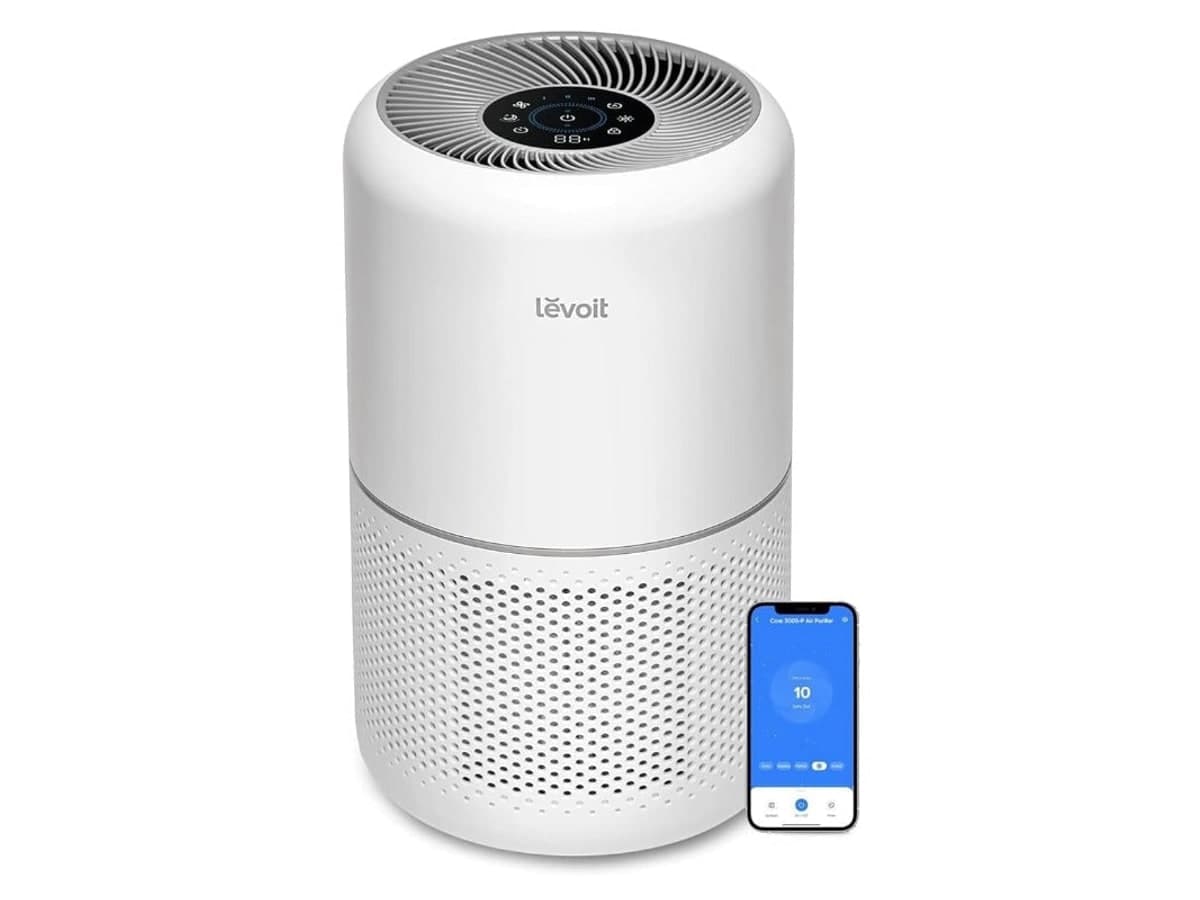
For a small room, closet-adjacent space, or a spot where you've had a minor damp issue, the Levoit Core 300S handles airborne spores for about $100. It uses a genuine H13 True HEPA filter with a small activated-carbon stage, adds an app and auto mode, and drops to a near-silent sleep setting for overnight running. It's sized for small rooms at roughly 219 sq ft with a CADR near 141, and the carbon stage is modest, so don't ask it to deodorize a whole basement — but within its footprint it's the best value for keeping spore counts down.
Best for large or basement rooms: Levoit Core 600S
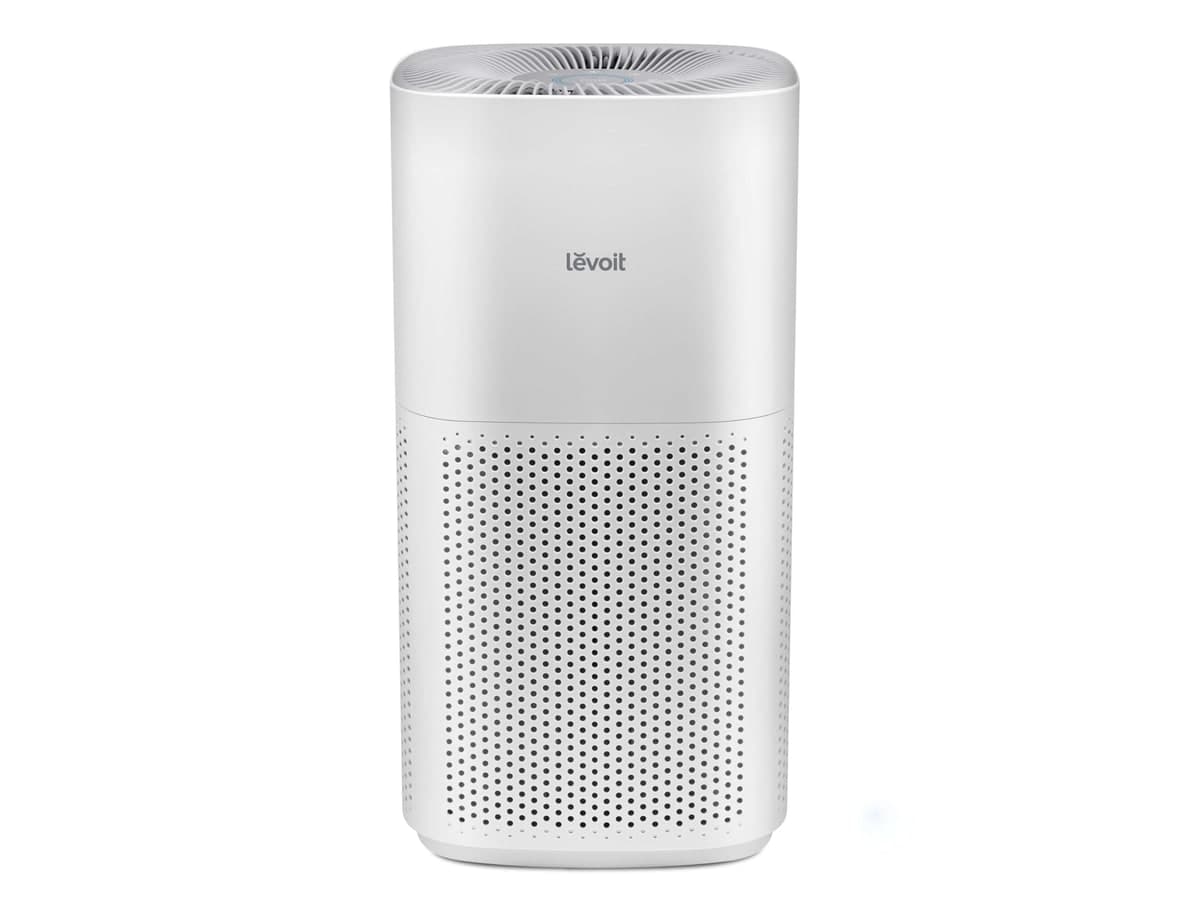
Mid-range · 391 CFM CADR · 606 sq ft
Paid links: we may earn a commission at no cost to you. Disclosure
Basements and large rooms are exactly where mold likes to live, and they need more clean-air output than a small unit can give. The Levoit Core 600S brings a CADR around 391 feeding a HEPA-grade and carbon filter, enough to keep spores down across about 606 sq ft, and it keeps the app, auto mode, and air-quality sensor so it manages itself. At about $300 it's a step up, but for a large or basement room a properly sized machine is what makes the difference — just remember it's cleaning the air, not drying out the space, so pair it with a dehumidifier and fix whatever's letting moisture in.
Best premium: IQAir HealthPro Plus
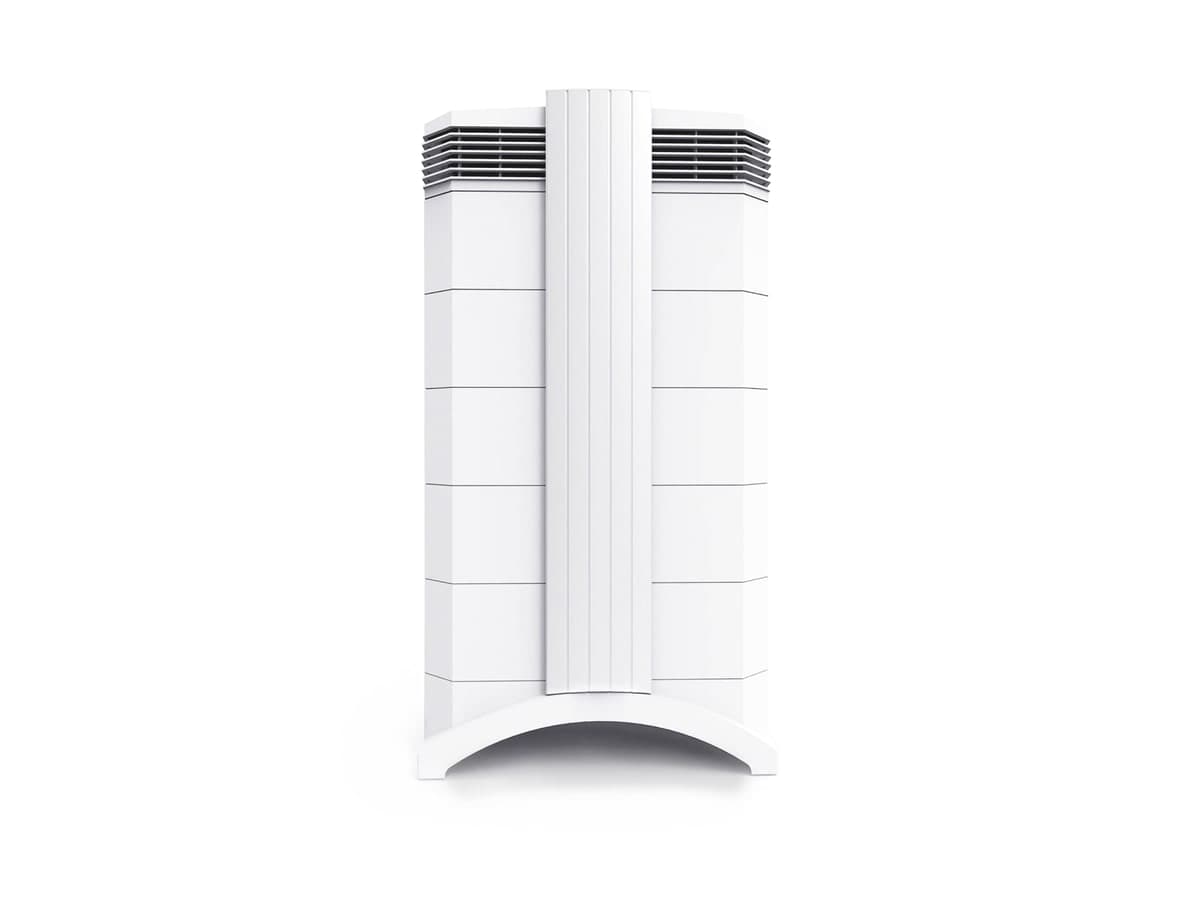
When you want the strongest filtration available for spores and the gases that come with mold, the IQAir HealthPro Plus is the benchmark. Its HyperHEPA filter is rated to capture particles well below the standard HEPA threshold, and its large V5-Cell gas-and-odor carbon stage is a substantial bed built for smells like mustiness, covering a space up to about 1,125 sq ft. It's a real investment at around $1,199 with high filter costs; the current XE version adds Wi-Fi app control and a particle sensor. It still won't fix the source — no purifier does — but for sheer air-cleaning quality in a mold-prone room, it sets the bar.
How to choose the right one for you
Fix the moisture first — find the leak or lower the humidity and remove any visible growth, because a purifier can't do any of that. The EPA's guide to mold and moisture is the honest starting point. Once the source is handled, size the purifier to the room: measure it, use the room-size to CADR calculator to set a target of at least two-thirds of the square footage, and pick the unit on this list that meets it in your budget. If the musty smell is the main complaint, lean toward a heavier carbon stage; activated carbon filters explained shows why carbon weight matters. For basements and other big spaces, our best air purifiers for large rooms roundup goes deeper, and if you're unsure a filter is genuine, read what a HEPA filter really is before you buy.
Frequently asked questions
Do air purifiers get rid of mold?
They remove airborne mold spores from the air, which a True HEPA filter captures well, and carbon can ease the musty smell. But a purifier does not fix a mold problem — it can't reach growth on walls, grout, or behind surfaces, and it won't stop mold coming back while the moisture that feeds it is still there.
Will an air purifier remove a musty smell?
Partly. The musty odor is a gas (the MVOCs mold gives off), so it needs an activated-carbon stage, not just HEPA. A real carbon stage noticeably reduces the smell, but if the odor keeps returning it's a sign the underlying moisture and growth haven't been dealt with.
What kind of filter is best for mold spores?
A genuine True HEPA (H13) filter. Mold spores are fine particles in the range HEPA is designed to trap, so any well-sized True HEPA purifier captures the airborne ones. Avoid 'HEPA-type' filters, which don't meet the same standard.
Does the Winix 5530's PlasmaWave kill mold?
Don't buy it for that. The 5530's True HEPA layer is what catches spores and its granular carbon bed is what takes on the musty smell; PlasmaWave is an ionizer you can switch off. If you'd rather not run an ionizer in the house, turning it off doesn't stop the filters doing their job.
Can an air purifier fix a mold problem in my house?
No — and it's important to be clear about this. A purifier only cleans the air; it does nothing about the actual mold growing on a surface or the moisture feeding it. You have to fix the leak or humidity and physically remove existing growth. A purifier is a helpful complement to that, not a cure.
Should I run a dehumidifier along with an air purifier for mold?
Yes, and the dehumidifier is arguably the more important of the two. Mold grows where humidity is high, so keeping indoor humidity below about 50% removes the condition mold needs, while the purifier captures the spores already airborne. Together they address both the cause and the symptom; the purifier alone only handles the symptom.