IQAir
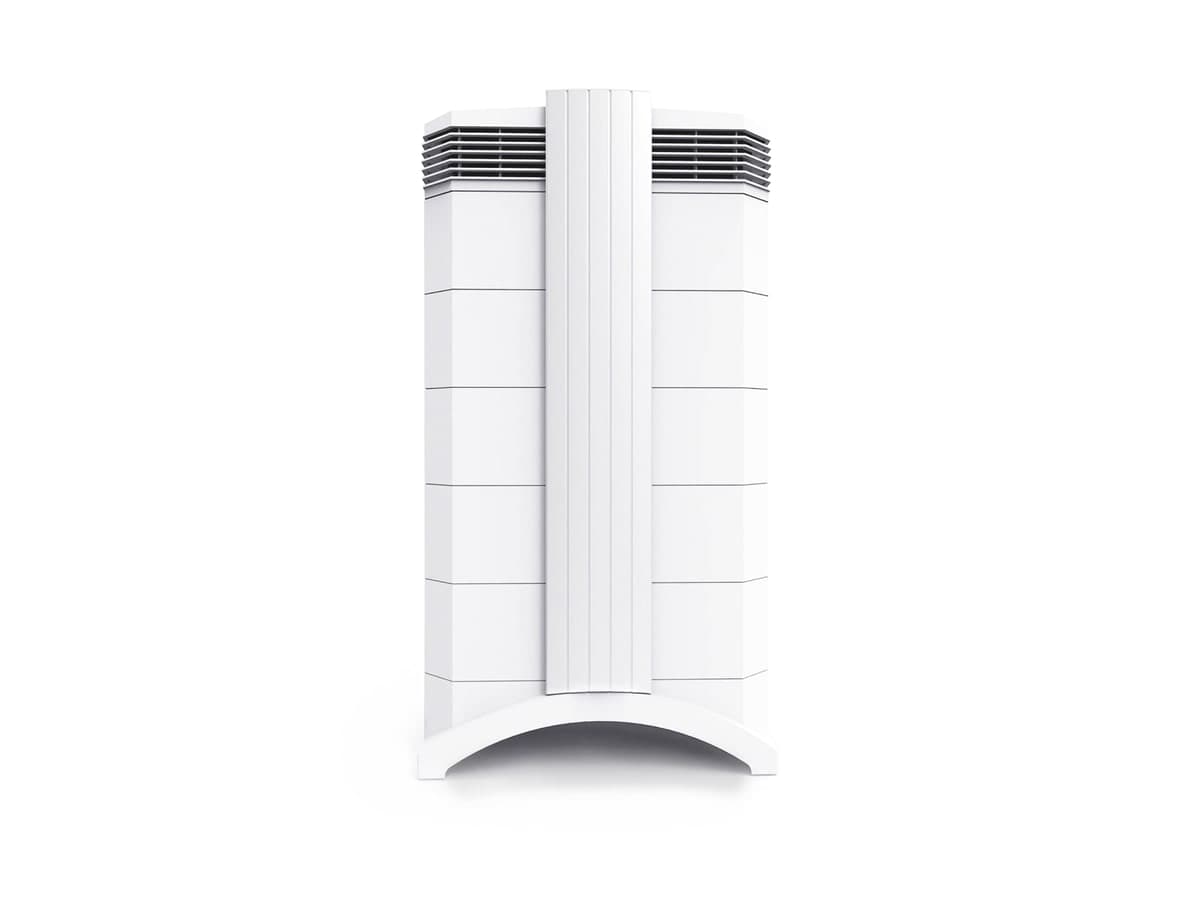
IQAir HealthPro Plus
Best over $1,000
IQAir's HealthPro Plus XE pairs HyperHEPA with a 5 lb V5-Cell gas cartridge and adds Wi-Fi, a PM2.5 sensor and Smart Mode. No CADR is published.
- 1125 sq ft
- $1,199.99 at IQAir (HealthPro Plus XE)
Portable HEPA air purifiers for bedrooms, living rooms, and open-plan spaces — the core of clean indoor air. We compare them on the number that actually matters (CADR versus room size), filtration quality, real filter cost over time, and how loud they are on the setting you'll actually use.
Showing 16 of 16
IQAir
Best over $1,000
IQAir's HealthPro Plus XE pairs HyperHEPA with a 5 lb V5-Cell gas cartridge and adds Wi-Fi, a PM2.5 sensor and Smart Mode. No CADR is published.
Coway
Best premium large-room
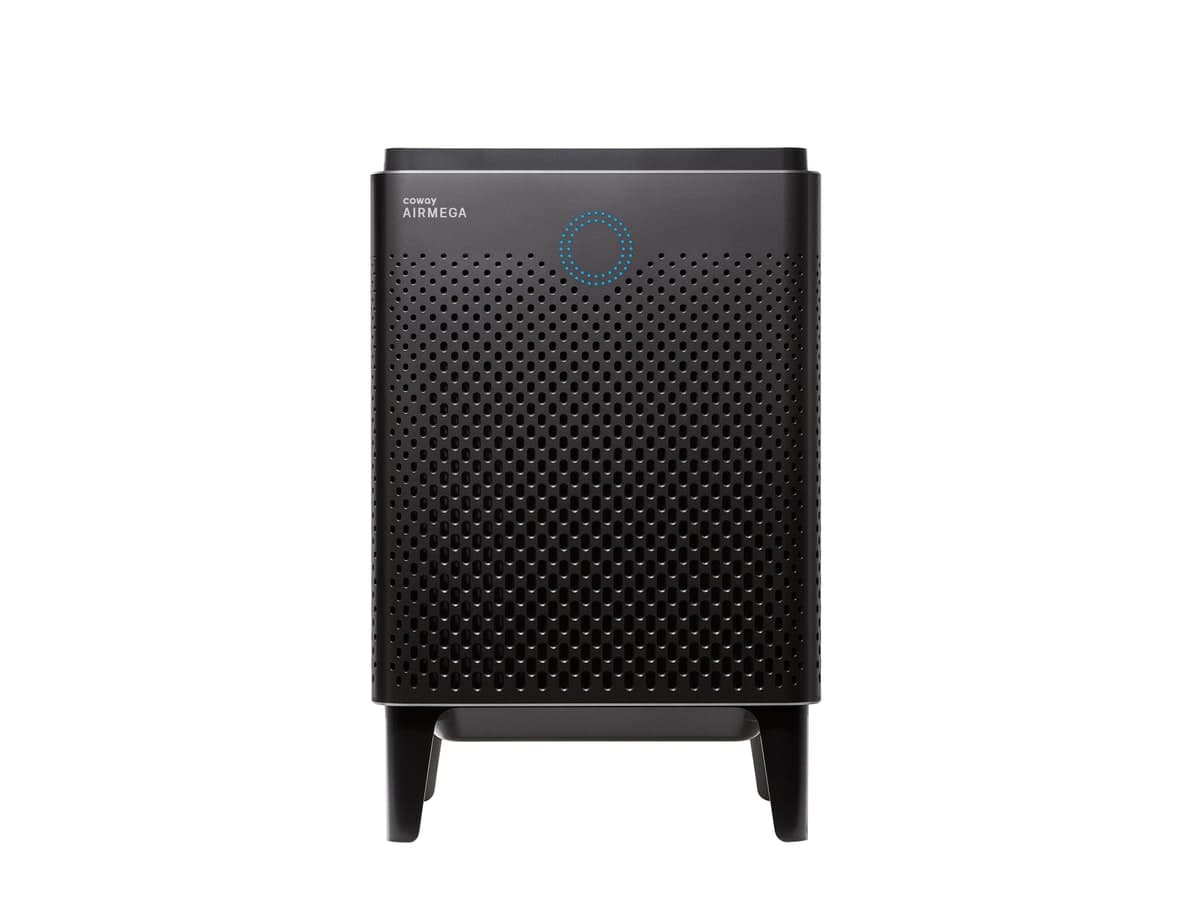
A refined, high-CADR large-room purifier with a genuine dual True HEPA + carbon system and a trustworthy auto mode.
AirDoctor
Best large-room smart pick
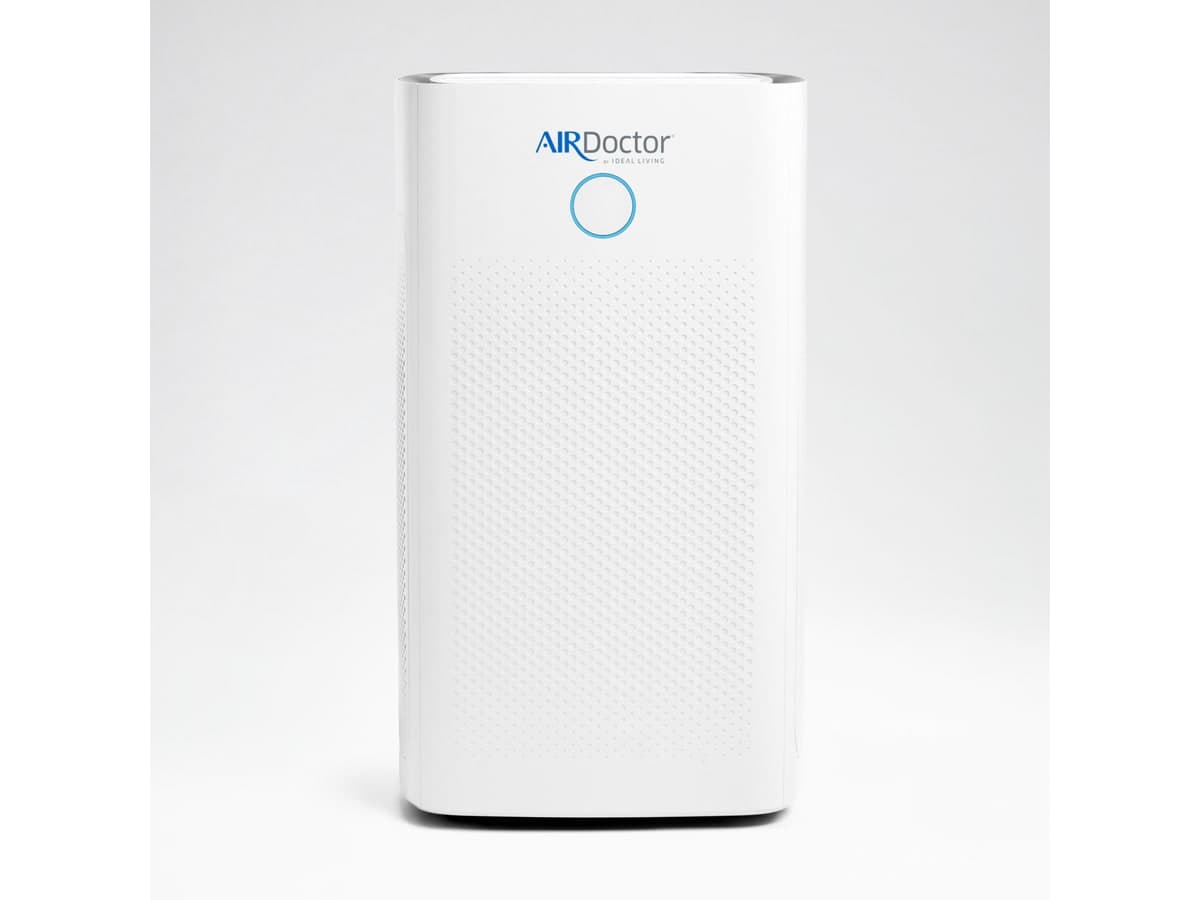
A high-CADR, app-connected big-room purifier with an UltraHEPA filter and a serious dual-action gas/VOC stage — sold direct.
Coway
Best quiet mid-size pick
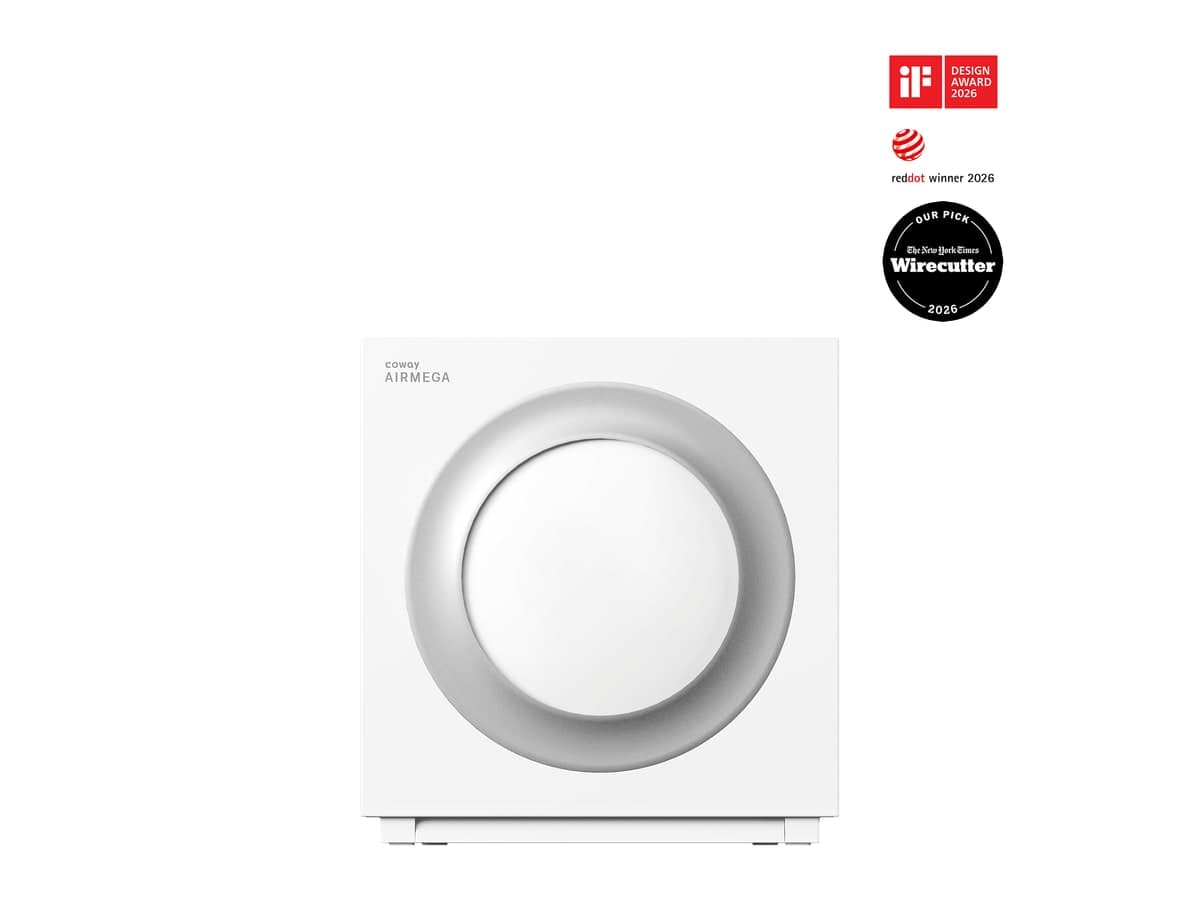
Coway's 2026 Mighty successor: same 240 CFM class, but quieter, no ionizer, a laser PM sensor and a one-piece $70 filter. Fits rooms to ~370 sq ft.
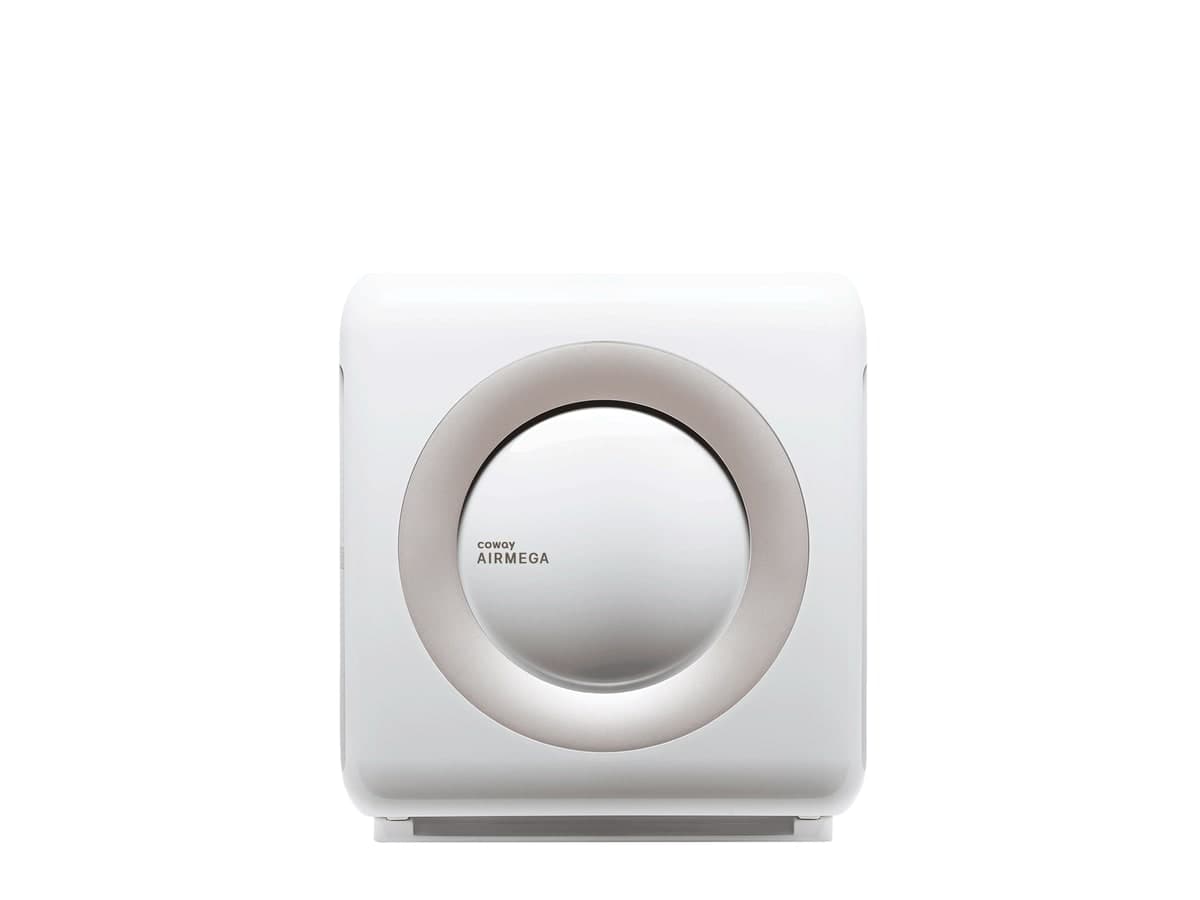
Coway
Best overall
The value benchmark: strong CADR for a mid-size room, a genuine True HEPA + carbon stack, quiet auto mode, and cheap filters.
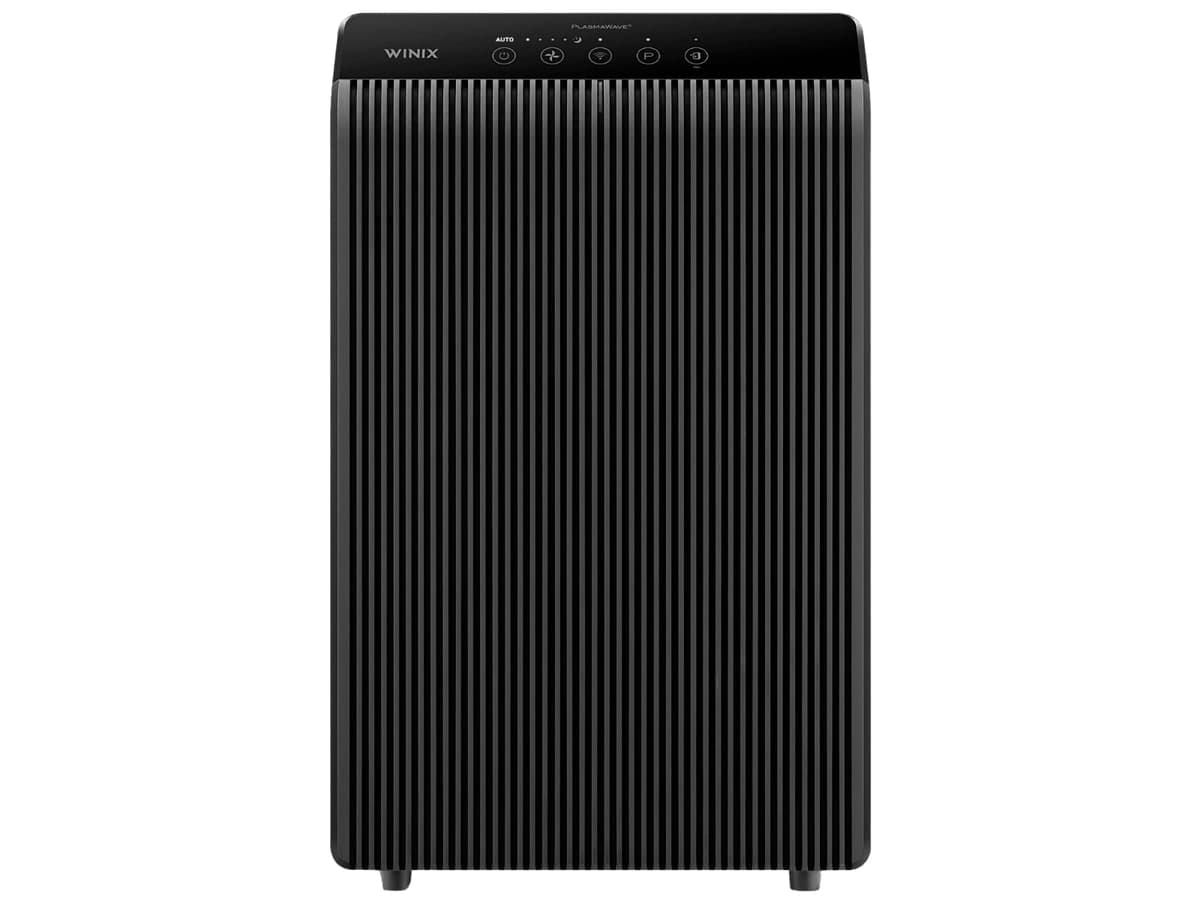
Winix
Best smart mid-range
A smart, app-connected Winix with True HEPA, carbon, and strong coverage — the step up from the 5500-2 for people who want auto scheduling.
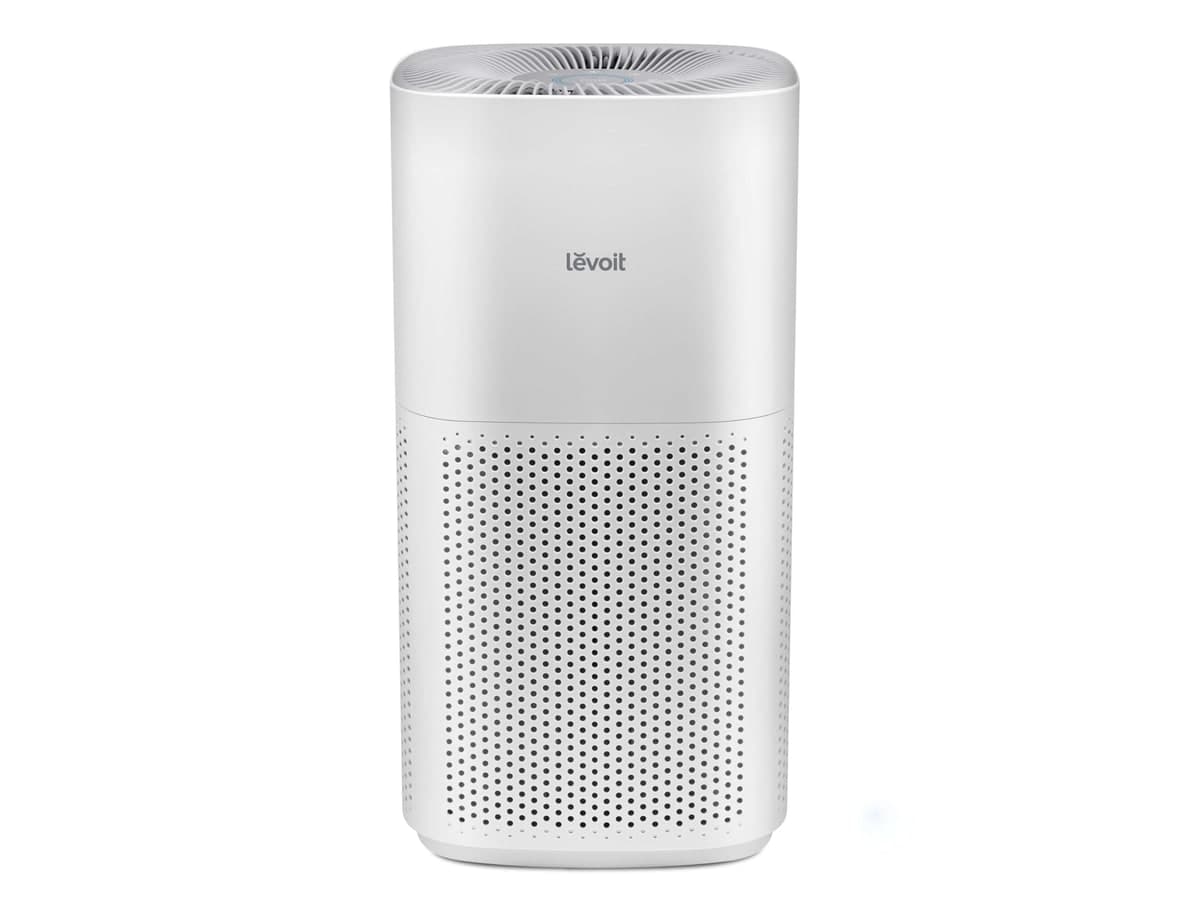
Levoit
Best value for large rooms
Large-room CADR of 391 CFM with full smart features, at a price well below the premium large-room set.
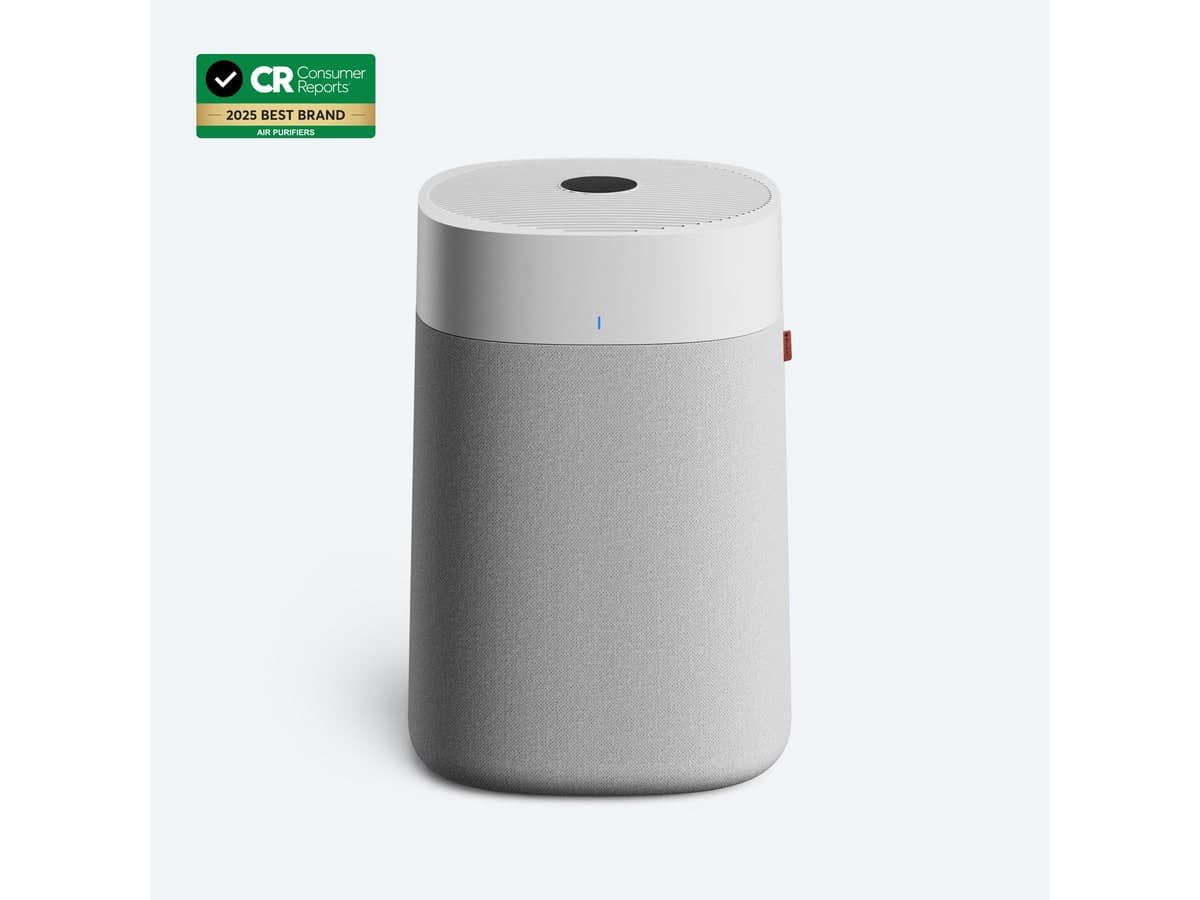
Blueair
Best low-wattage big-room smart pick
A 435 CFM big-room purifier (about 674 sq ft) that sips 46 W and adds auto mode and an app over the 211+. Its ionizer stage can't be turned off.
Winix
5530
Winix
Best Winix for app control in white
The white, 2026 version of Winix's 5510: same 253 CFM AHAM rating, same Filter Q, same 65 W rating and Wi-Fi app. Sized for ~390 sq ft.
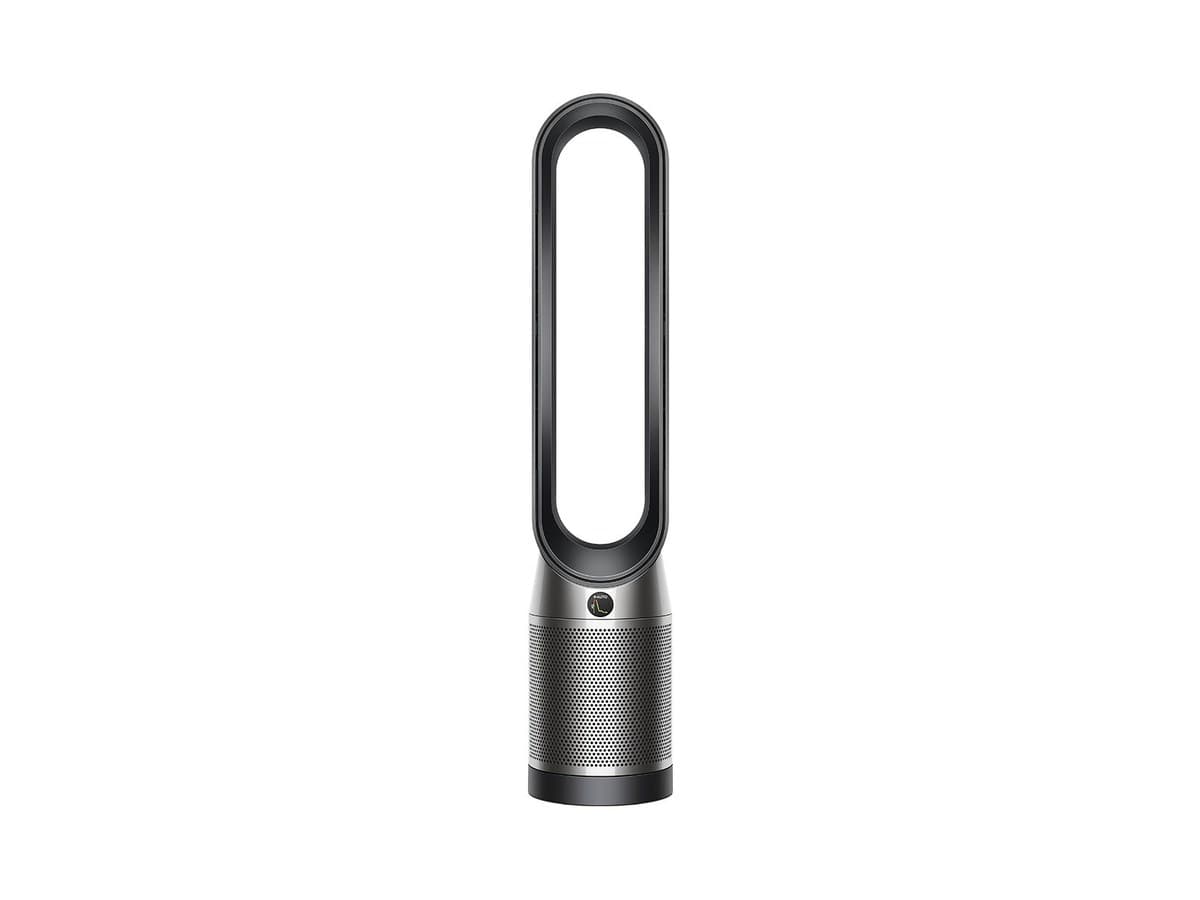
Dyson
Best design + cooling fan
Dyson's current purifying fan: sealed HEPA H13 and carbon filtration, a bladeless cooling fan, auto mode, and app control.
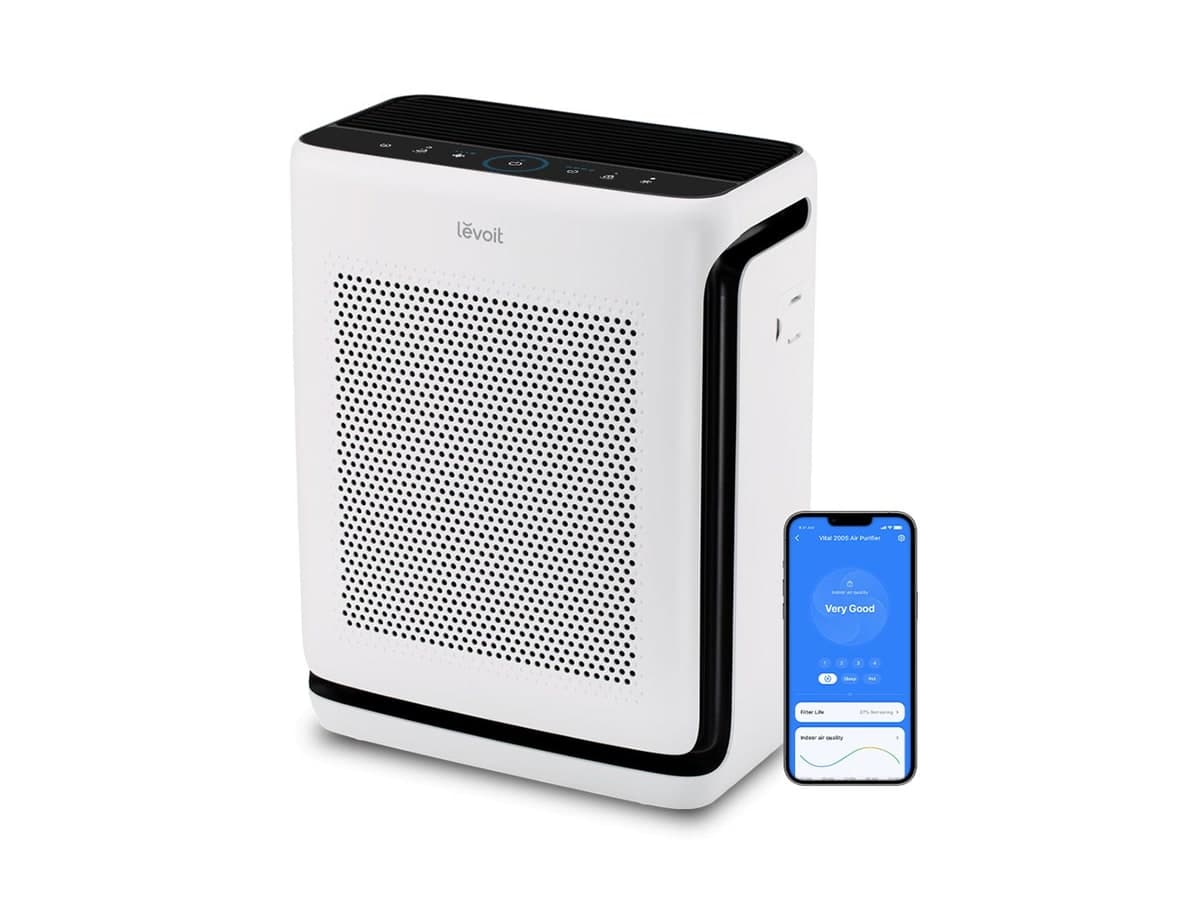
Levoit
Best Levoit for pet hair
A 250 CFM smart Levoit with a washable pre-filter and Pet Mode, sized for pet-hair rooms up to about 388 sq ft.
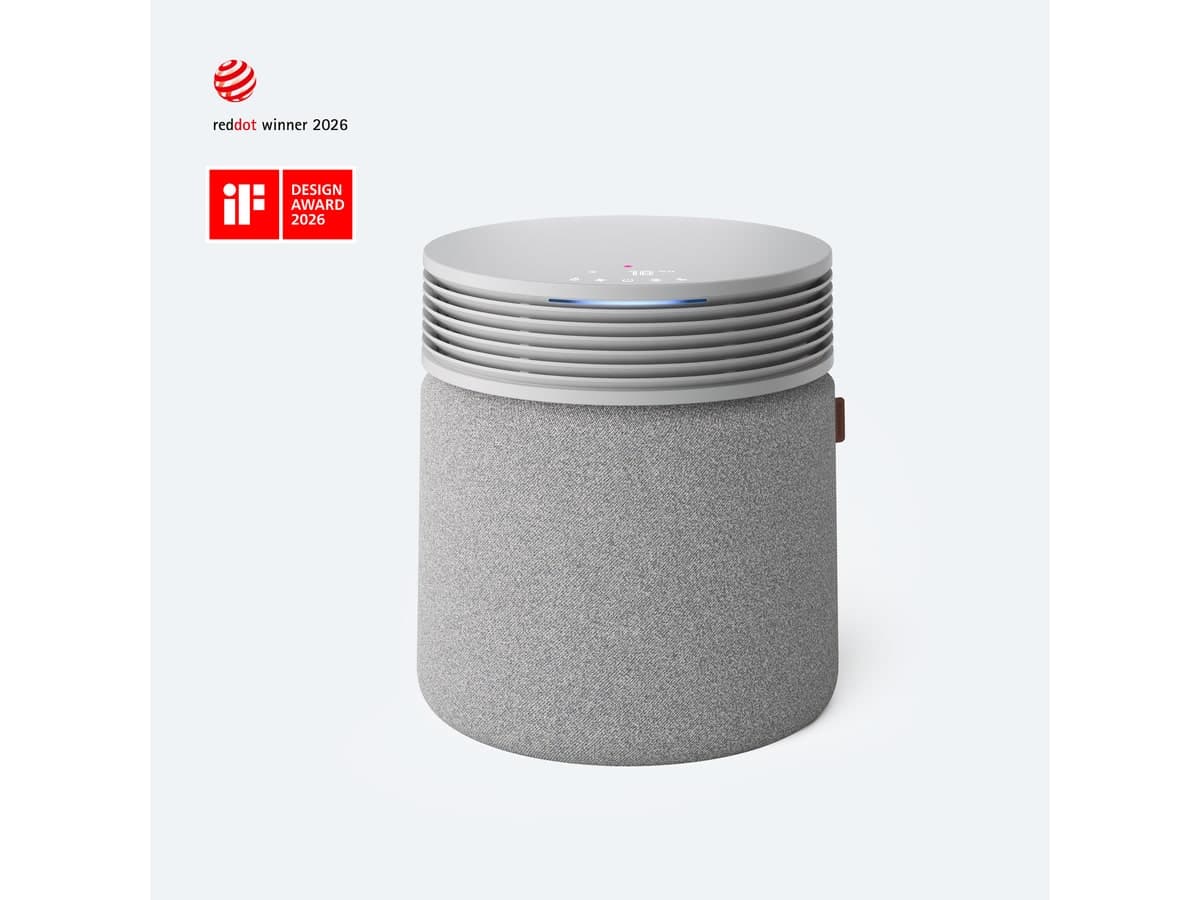
Blueair
Best design-led big-room purifier
Blueair's table-top purifier: 455 CFM smoke CADR (about 705 sq ft), pelleted carbon and a laser sensor, at a design premium over the 211i Max.
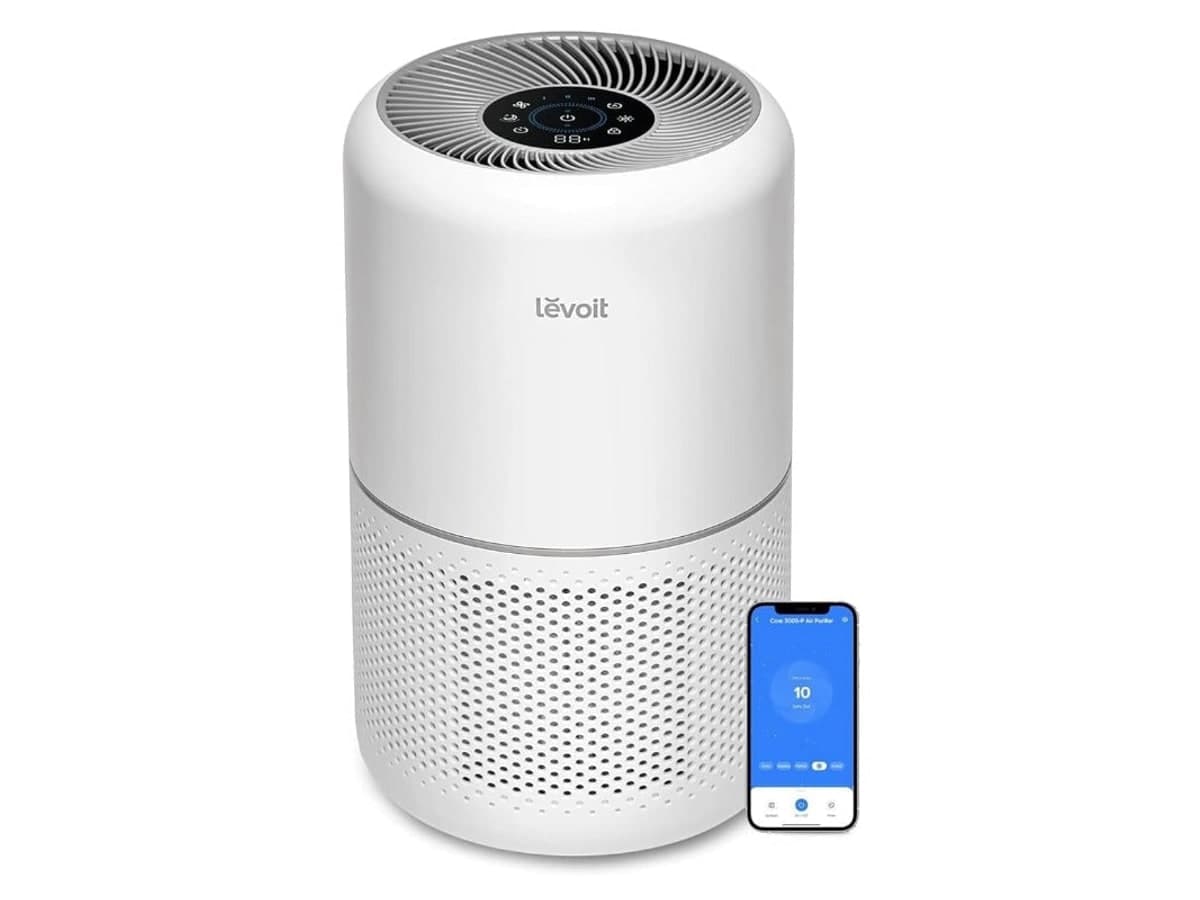
Levoit
Best budget
A compact, quiet, smart True HEPA purifier for small rooms at a price that makes a second unit easy.
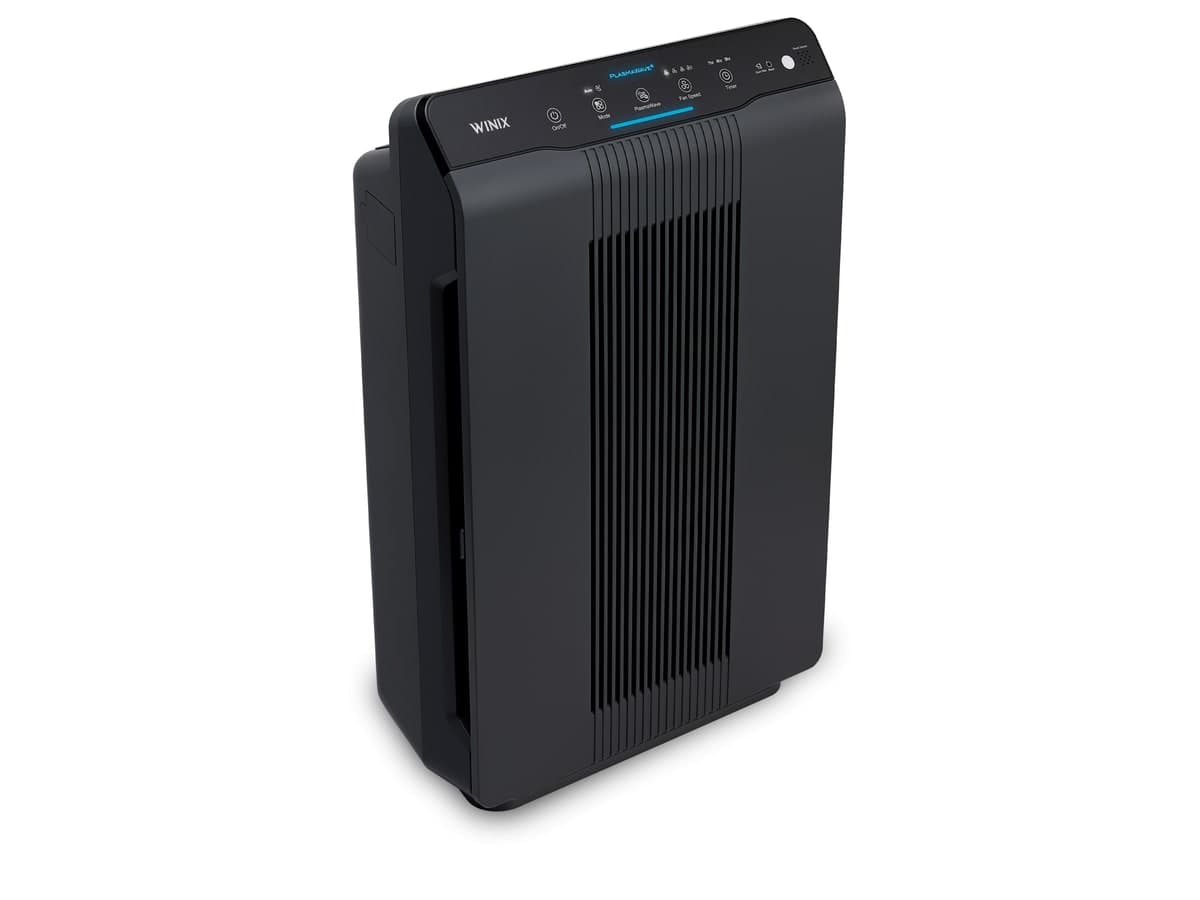
Winix
Best budget for larger rooms
More coverage than the usual budget pick, with a washable carbon filter that keeps running costs low.
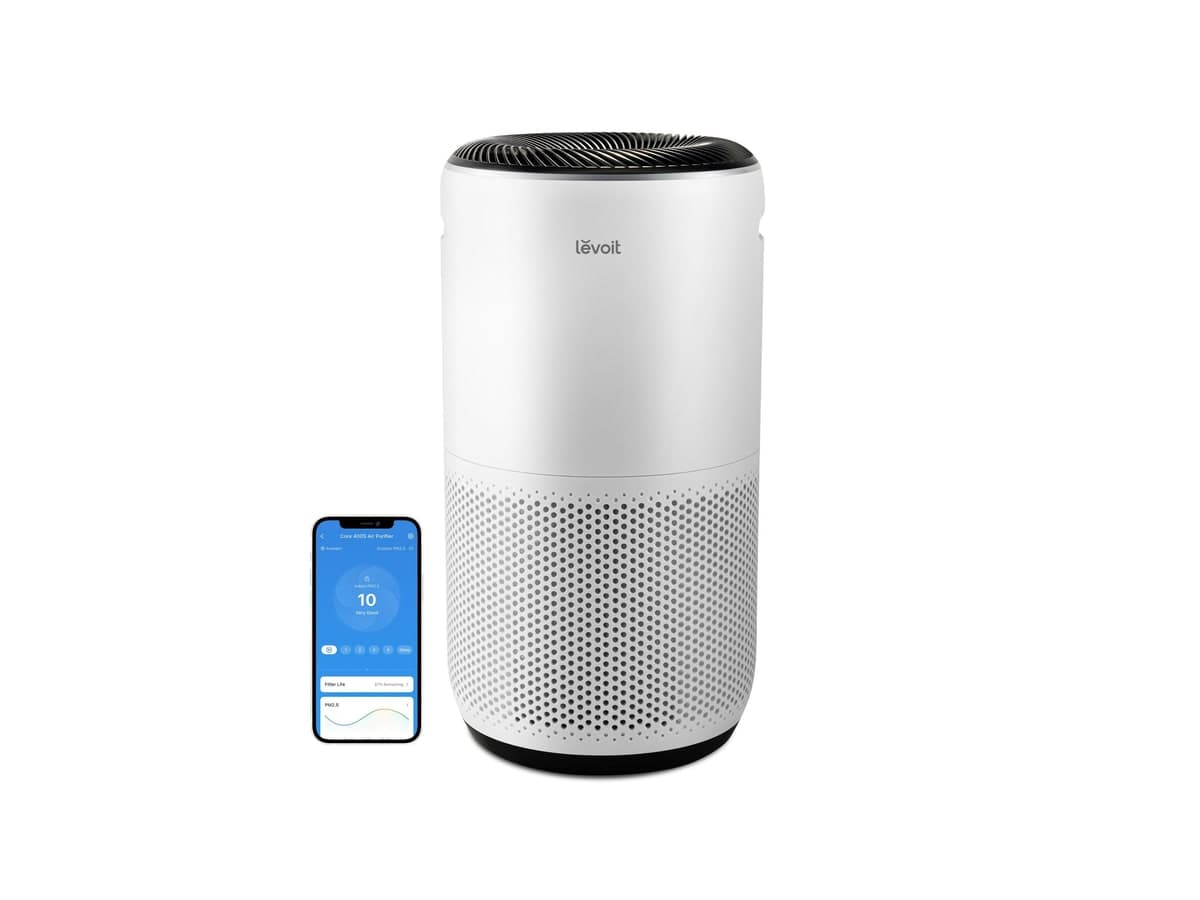
Levoit
Best round Levoit for mid-size rooms
The current Core 400S: a 231 CFM AHAM-verified smart cylinder for rooms up to about 358 sq ft, with a laser PM2.5 sensor.
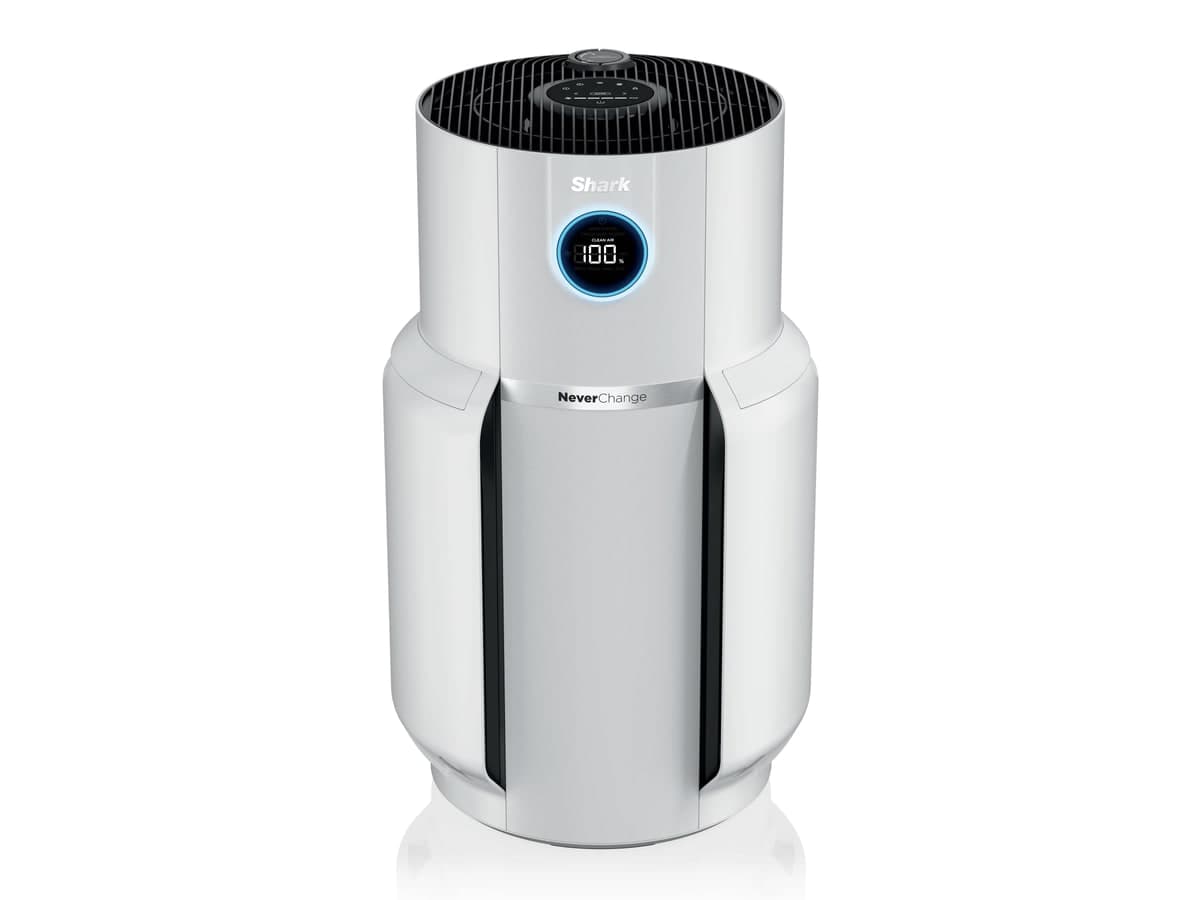
Shark
Best for skipping yearly filter changes
Shark's HP302 trades yearly filter buys for one long-life filter. Energy Star lists 204 CFM smoke CADR, so size it for ~316 sq ft, not 1,400.
Full criteria in how we review. Specs change — always confirm details with the retailer before buying.
The single most useful number on an air purifier is its CADR (Clean Air Delivery Rate, in CFM) — how much clean air it actually produces. AHAM's rule of thumb is a smoke/dust CADR of at least two-thirds of your room's square footage; for wildfire smoke, aim for a CADR roughly equal to the room's square footage. A beautiful, expensive purifier that's underpowered for your room will disappoint; a plain one with the right CADR will not.
The sticker price is only the down payment. True HEPA and activated-carbon filters need replacing every 6–12 months, and across brands that runs anywhere from about $30 to well over $150 a year. We list the replacement cost on every review because a cheap purifier with pricey filters can cost more over three years than a pricier one with affordable filters.
Two things to avoid: purifiers whose main mechanism is an ionizer or 'ozone generator' (ozone is a lung irritant), and filters labeled 'HEPA-type' or 'HEPA-like' rather than True HEPA (H13). True HEPA captures 99.97% of particles at 0.3 microns; the look-alikes don't have to meet that bar. Every purifier we recommend uses a genuine HEPA filter and is ozone-free in its normal mode.
Match CADR to your room. Measure the room's square footage and look for a smoke/dust CADR of at least two-thirds of that number for everyday air, or roughly equal to it if wildfire smoke is a concern. Our Room-Size to CADR calculator does the math for you and shows purifiers that fit.
Yes, for airborne particles. A True HEPA purifier sized correctly for the room measurably reduces dust, pollen, pet dander, smoke, and other fine particulates. They are not a cure-all — they don't remove gases well without a carbon stage, and they can't fix a source problem like an active mold colony — but for particle pollution the effect is real and well documented.
Most True HEPA filters last 6–12 months depending on use and air quality; carbon filters and washable pre-filters vary. Running on a higher setting or in dusty/smoky conditions shortens filter life. We list each model's stated filter life and rough annual replacement cost so there are no surprises.
Air Quality
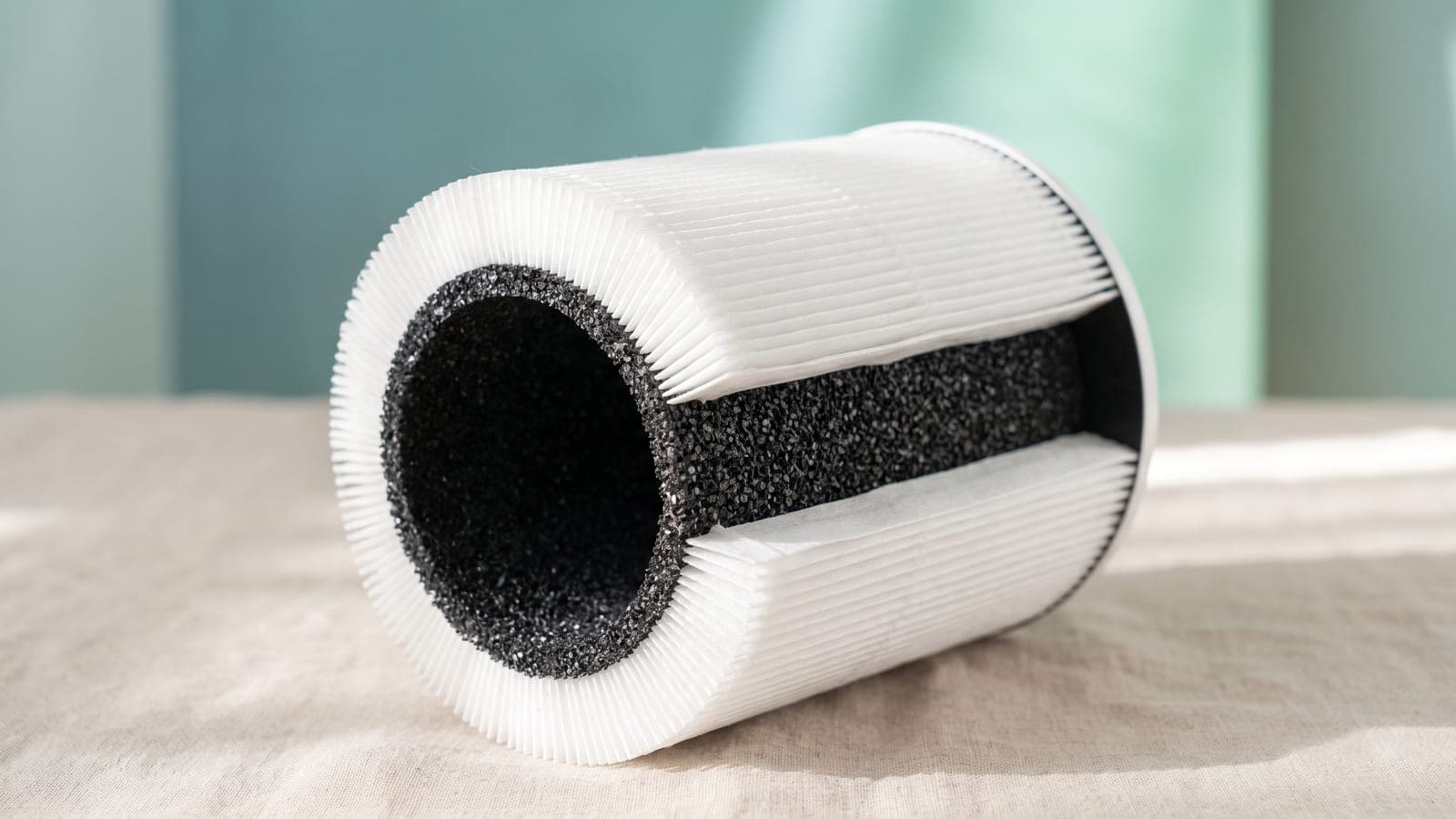
An activated carbon air filter adsorbs gases, odors, and VOCs that HEPA can't catch. Here's how it works, why more carbon matters, and which units have enough.
Read more →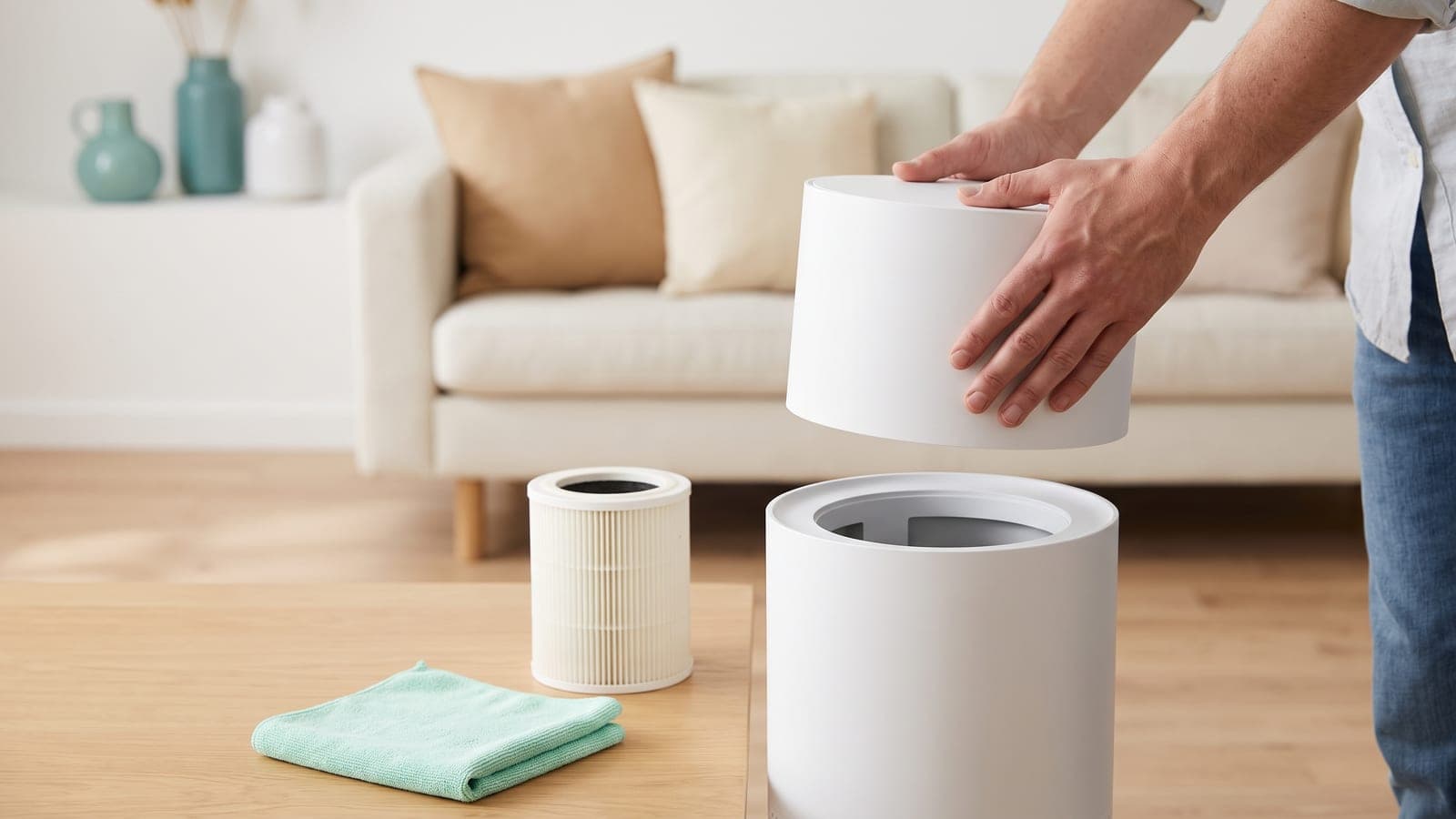
Air Quality
An air purifier maintenance checklist: rinse the pre-filter, wipe the vents, clean the sensor lens, replace HEPA and carbon on schedule, and reset the filter indicator.
Read more →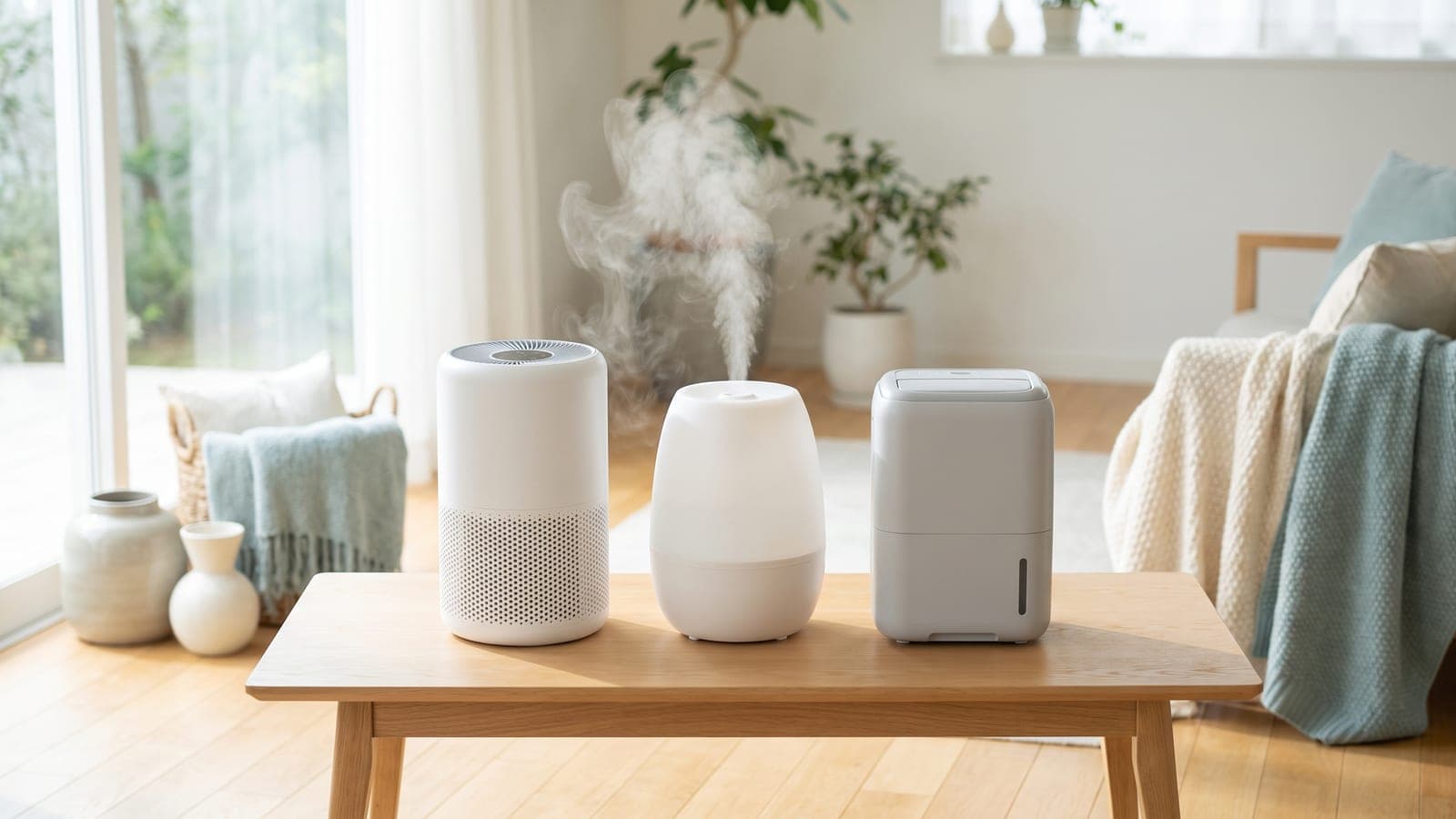
Air Quality
Air purifier vs humidifier vs dehumidifier: a purifier removes particles, a humidifier adds moisture, a dehumidifier removes it. Here's when you need each.
Read more →
Air Quality
Are air purifiers worth it? For airborne particles, yes — when sized right. Here's the honest cost-benefit: unit, filters, electricity, and who benefits most.
Read more →
Air Quality
Are ionizer air purifiers safe? Ionizers make some ozone with unclear benefit; ozone generators are a lung irritant to avoid. Here's the safe alternative.
Read more →
Air Quality
Can an air purifier help you sleep? Cleaner air can ease allergy congestion and its fan adds white noise — but it's not a sleep treatment. What to look for.
Read more →