To prepare for wildfire smoke, you build a plan around one fact: during a smoke event the air outside is the hazard, so your job is to seal your home, filter the indoor air hard, and track PM2.5 so you know it's working. That means sizing a purifier's CADR to roughly match your room (higher than everyday), creating a sealed clean room, adding activated carbon for the smell, using a monitor to watch PM2.5, and keeping a DIY box-fan filter as backup for when stores sell out. One caution up front: a purifier removes smoke particles, but it does not remove carbon monoxide — that needs a detector. Here's how to get ready before the smoke arrives.
Key takeaways
- Oversize for smoke — size the purifier's CADR to roughly match the room's square footage, higher than the everyday rule, so it turns the air over more often.
- Seal a clean room — close windows and doors, set HVAC to recirculate, and keep one room as your low-smoke refuge.
- Add carbon for the smell — HEPA catches the particles; only an activated carbon stage tackles the odor gases.
- Track PM2.5 with a monitor and check AirNow.gov for outdoor conditions so you know when to seal up and when it's safe to open.
- Keep a DIY box-fan filter as backup, and remember a purifier does NOT remove carbon monoxide — that needs a CO detector. For health effects, talk to a doctor.
Why size the purifier bigger for smoke?
Because smoke is a much heavier, more relentless particulate load than everyday dust and pollen. For normal use, a purifier sized to turn a room's air over a couple of times an hour is fine. For wildfire smoke, you want more air changes per hour to keep pace with fine particulate that keeps seeping in, so the guidance is to size the CADR to roughly match the room's square footage in feet — noticeably higher than the everyday rule of thumb. A room of 300 square feet wants a smoke CADR around 300, not the ~200 you'd accept for light duty.
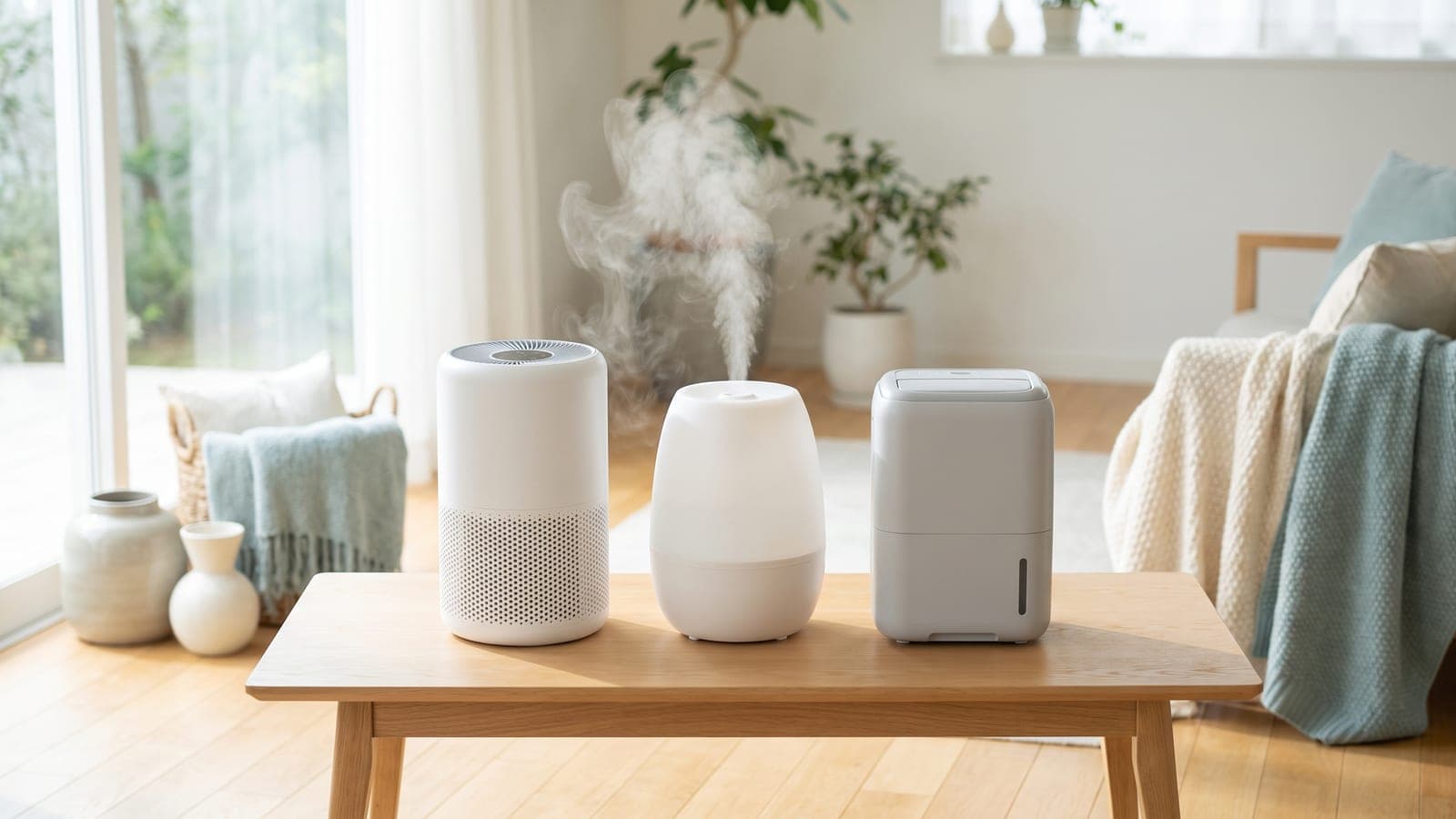
Practically, that means either buying a purifier rated well above your room size or running a capable unit on its highest setting during the event and accepting the noise. If you're shopping ahead of the season, use the air purifier room-size calculator with smoke in mind, and see our best air purifiers for wildfire smoke roundup for units with the carbon and CADR to handle it. Understanding what CADR and CFM actually mean helps you compare honestly.
How do you seal a clean room?
By turning one room into a low-smoke refuge before the smoke gets bad. Close all windows and doors, and if your central HVAC has a fresh-air intake, economizer, or "fresh air" mode, switch it to recirculate so it isn't pulling smoke inside. Weatherstrip or use towels at gaps under doors and around leaky windows to slow infiltration. Pick a room that's easy to seal and comfortable to spend time in — often a bedroom.
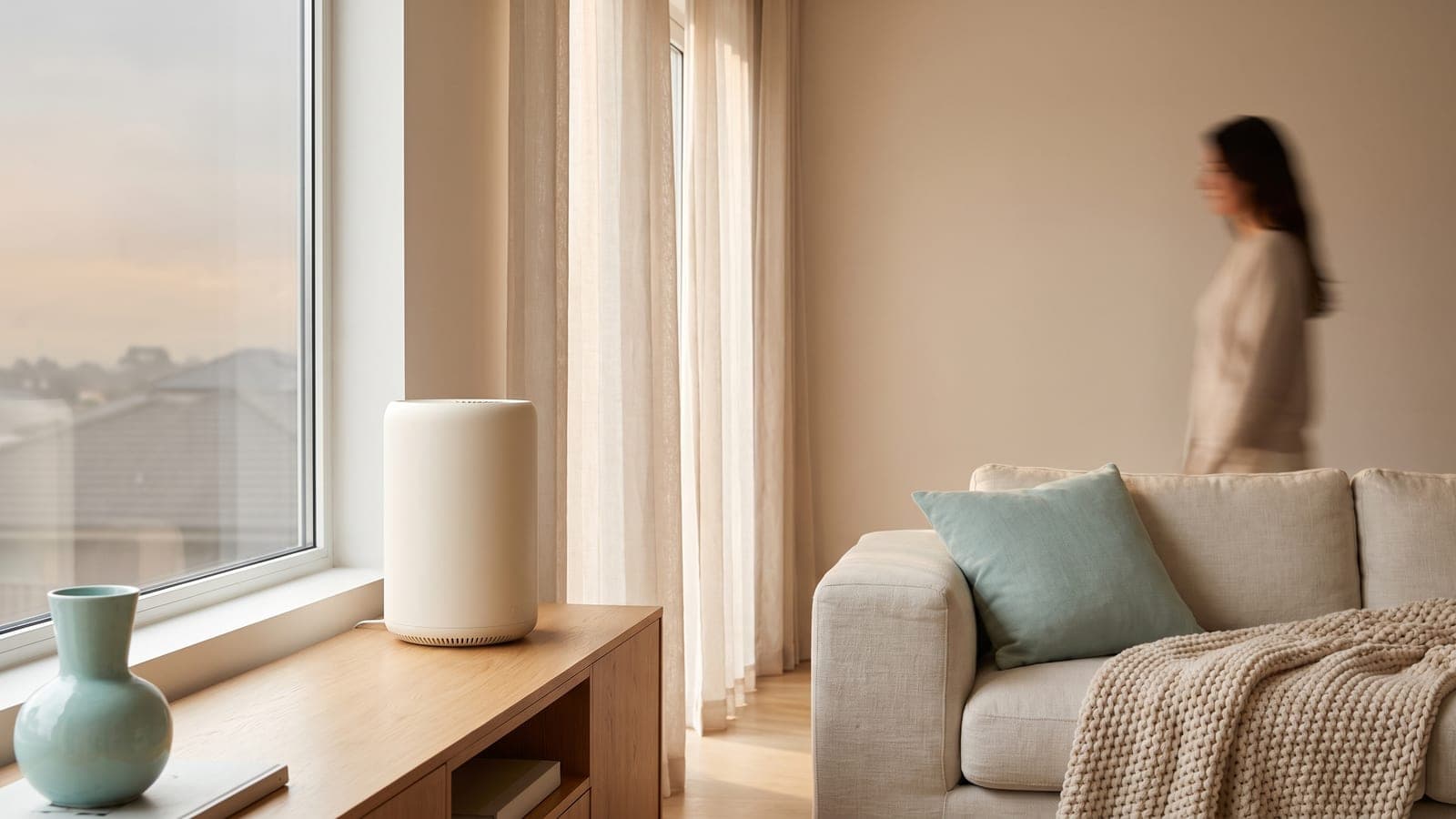
Then put your best purifier in that room, running continuously. The goal is a space where PM2.5 stays low even as the rest of the house drifts up, so vulnerable household members and pets have somewhere clean to breathe and sleep. Keep the door closed as much as possible; every time it opens, smoke-laden air from the rest of the house mixes in and the purifier has to recover.
Why does the smell need carbon, not just HEPA?
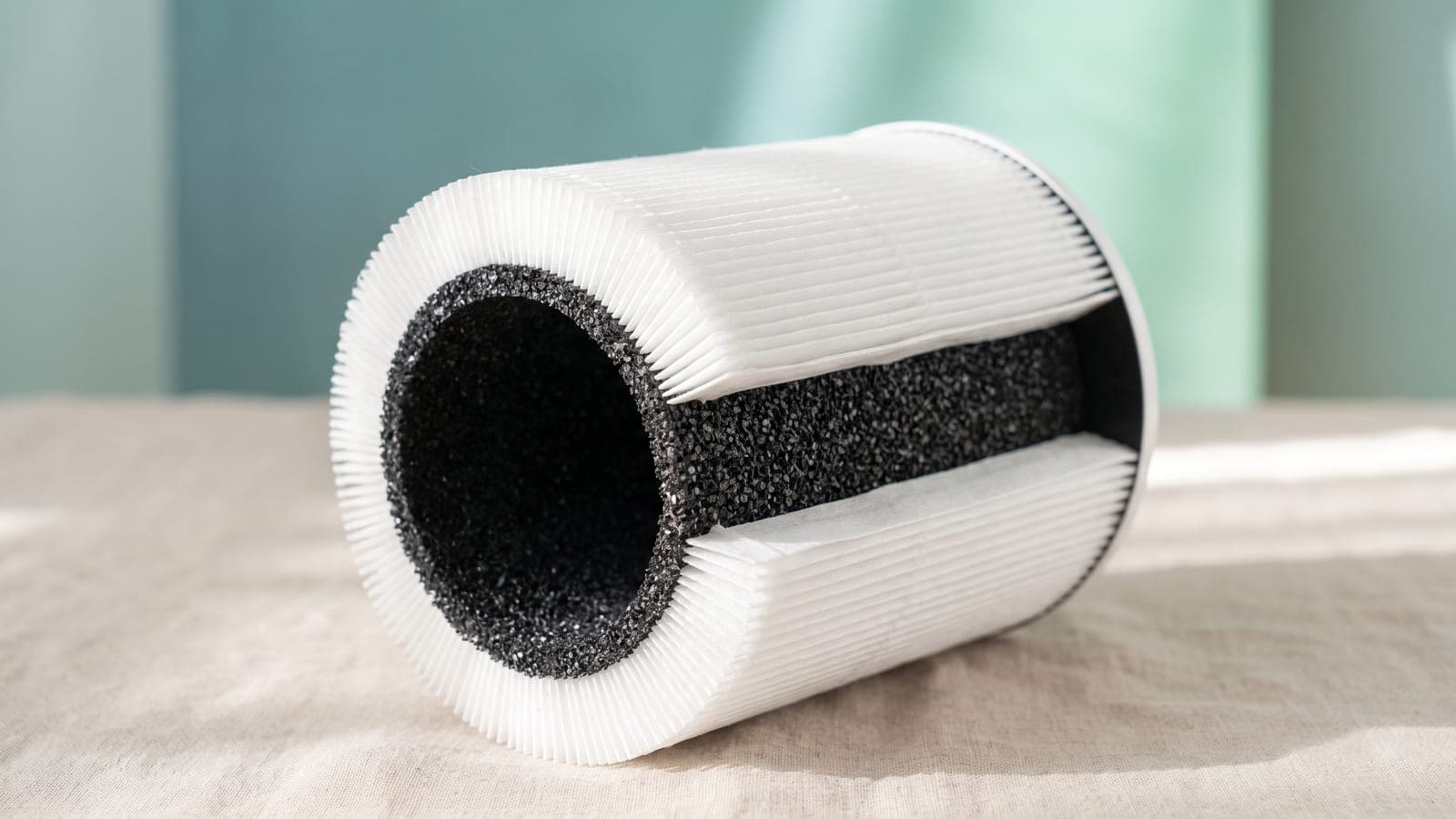
Because smoke is two problems, and HEPA only solves one. True HEPA captures the fine particles — the PM2.5 — that matter most for health, and that's the priority. But the smell of smoke comes largely from gases and volatile compounds that slip straight through a HEPA filter, which is built for particles, not molecules. That's why a HEPA-only purifier can clean the visible haze yet still leave the room smelling like a campfire.
The fix is an activated carbon stage, which adsorbs some of those odor gases. Purifiers vary a lot here — some carry serious pounds of carbon while budget units have a thin coated screen — so if odor control matters to you, choose a model with a substantial carbon filter. Even then, set expectations: carbon reduces the smell rather than erasing it, and sealing the room does more for both particles and odor than any filter alone.
What should you track, and how?
PM2.5, from two vantage points. Outdoors, AirNow.gov gives you the official air quality index and PM2.5 readings for your area, which tells you when a smoke event is starting, worsening, or clearing. Indoors, an air quality monitor shows what's actually in your rooms — whether your sealing and filtration are winning or whether smoke is creeping in faster than you're removing it.
That indoor number is what turns preparation into feedback. If your monitor's PM2.5 climbs despite a running purifier, you need more clean-air capacity (crank the fan, add the DIY box-fan unit, or tighten the seal). And when the monitor drops back to a healthy range and AirNow shows the outdoor smoke has passed, it's your signal that it's finally safe to open up and flush the house with fresh air. Our guide on what PM2.5 is and why it matters explains how to read those numbers.
What's the step-by-step, and why each step?
Here's the plan in order, with the reason behind each move so you can adapt it to your home:
| Step | Why it matters |
|---|---|
| Check AirNow.gov daily during fire season | Gives early warning so you seal up before smoke peaks |
| Seal windows, doors, and gaps; set HVAC to recirculate | The outdoor air is the hazard — keeping it out beats filtering it |
| Run an oversized-CADR HEPA purifier in a clean room | Higher air changes keep pace with heavy smoke particulate |
| Choose a carbon-heavy model | Only carbon reduces the smoke smell HEPA passes through |
| Watch a PM2.5 monitor indoors | Confirms your setup is working and signals when it's safe to reopen |
| Keep a DIY box-fan filter ready | Cheap backup capacity when purifiers sell out mid-event |
| Install and test a carbon monoxide detector | A purifier does NOT remove CO — this is a separate, critical safeguard |
| Stock filters ahead of the season | Smoke clogs HEPA fast; replacements sell out during events |
Reading down the list, the logic is: keep smoke out, filter what gets in, prove it's working, and have a backup — while never confusing a purifier for a CO alarm.
Is a DIY box-fan filter worth building?
Yes, as backup and supplemental capacity. The simplest version tapes a MERV-13 HVAC filter to the intake side of a box fan; the more effective version is a Corsi-Rosenthal box, a cube of four MERV-13 filters around a box fan with a cardboard shroud. Either one pushes a lot of air through decent filtration and can meaningfully lower indoor PM2.5 — testing during real smoke events has shown they hold their own against much pricier units for particulate.
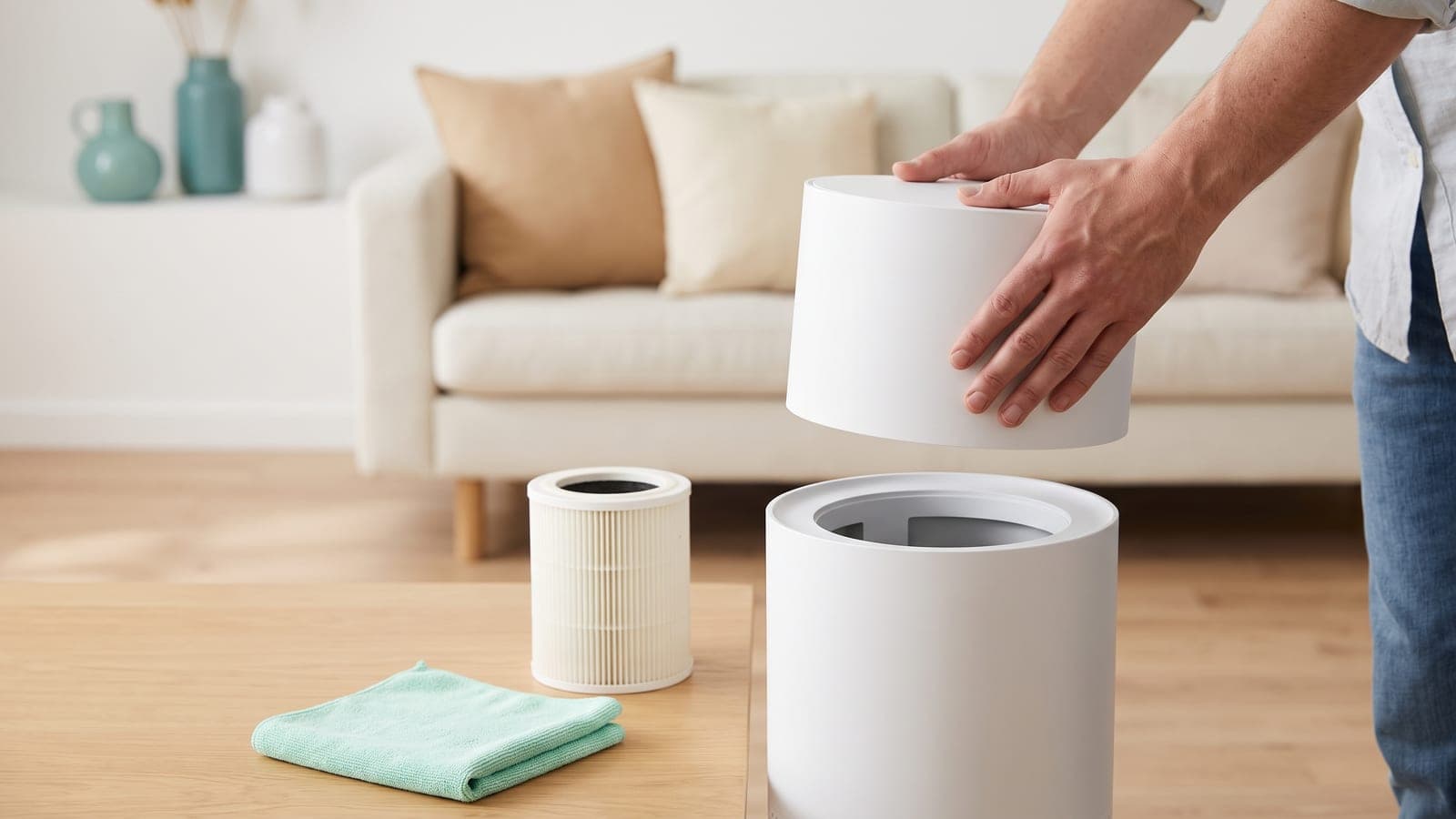
They're not perfect: they're louder, bulkier, and less refined than a True HEPA purifier, and the filters need replacing as they load up. But during a severe smoke stretch, when every store is sold out of purifiers and filters, a box-fan build is a proven, inexpensive way to add clean-air capacity fast — especially for a large room where one purifier can't keep up. Build one before the season and keep spare filters on hand.
How do you put the whole plan together?
Prepare before the smoke, then execute when it arrives. Ahead of season: buy or identify an oversized-CADR, carbon-equipped purifier for your clean room, stock spare filters, build a box-fan backup, place an air quality monitor, and test your carbon monoxide detector. During an event: check AirNow, seal the home, set HVAC to recirculate, run your purifiers on high, and watch the indoor PM2.5 until it settles. When the number drops and outdoor air recovers, open up and air the house out.
The purifier is the piece to size right, because an undersized unit simply can't keep pace with smoke. Use the air purifier room-size calculator with a smoke-level target, and see our best air purifiers for wildfire smoke picks for models with the CADR and carbon to match. Above all, keep the two safeguards a filter can't provide — a working carbon monoxide detector and evacuation guidance from authorities — front of mind, and for smoke-related symptoms, talk to a doctor.
Frequently asked questions
What size air purifier do I need for wildfire smoke?
Bigger than for everyday use. For smoke, size the purifier's CADR to roughly match the room's square footage — higher than the everyday rule of thumb — so it turns the air over more times per hour and keeps up with a heavy particulate load. During a smoke event you want maximum clean-air delivery, so err toward an oversized unit or run a smaller one on its highest setting.
Does an air purifier remove wildfire smoke smell?
Partly, and only if it has activated carbon. HEPA captures the fine smoke particles (PM2.5) that matter most for health, but the smell comes largely from gases that pass straight through HEPA. A carbon stage adsorbs some of those odor gases. Expect a carbon-equipped purifier to reduce the smell noticeably, not eliminate it — sealing the room does more for both particles and odor.
Can an air purifier protect me from carbon monoxide during a fire?
No. Air purifiers, including HEPA and carbon models, do not remove carbon monoxide, which is a colorless, odorless gas. You need a carbon monoxide detector for that, and if a fire is close enough that CO is a risk, follow evacuation guidance from authorities. A purifier handles smoke particulate indoors — it is never a substitute for a CO alarm.
Does a DIY box-fan filter actually work for smoke?
Yes, as a backup or supplement. Taping a MERV-13 HVAC filter to a box fan (or building a four-filter Corsi-Rosenthal box) moves a surprising amount of air through decent filtration and can meaningfully lower indoor PM2.5. It's not as refined or quiet as a True HEPA purifier, but during a bad smoke stretch when stores are sold out, it's a proven, cheap way to add clean-air capacity.
Should I keep windows open or closed during wildfire smoke?
Closed. During a smoke event the outdoor air is the problem, so you seal the home — close windows and doors, and if your HVAC has a fresh-air intake or economizer, set it to recirculate. This is the opposite of normal ventilation advice. Keep the house sealed and run filtration until AirNow shows outdoor PM2.5 has dropped back to a healthy range.
How do I know if the smoke is affecting my indoor air?
Track PM2.5 with an air quality monitor. Outdoor conditions you can check on AirNow.gov, but a home monitor shows what's actually in your rooms, which tells you whether your sealing and filtration are keeping up or whether you need more clean-air capacity. Watching the number also tells you when it's finally safe to open up again after the smoke clears.