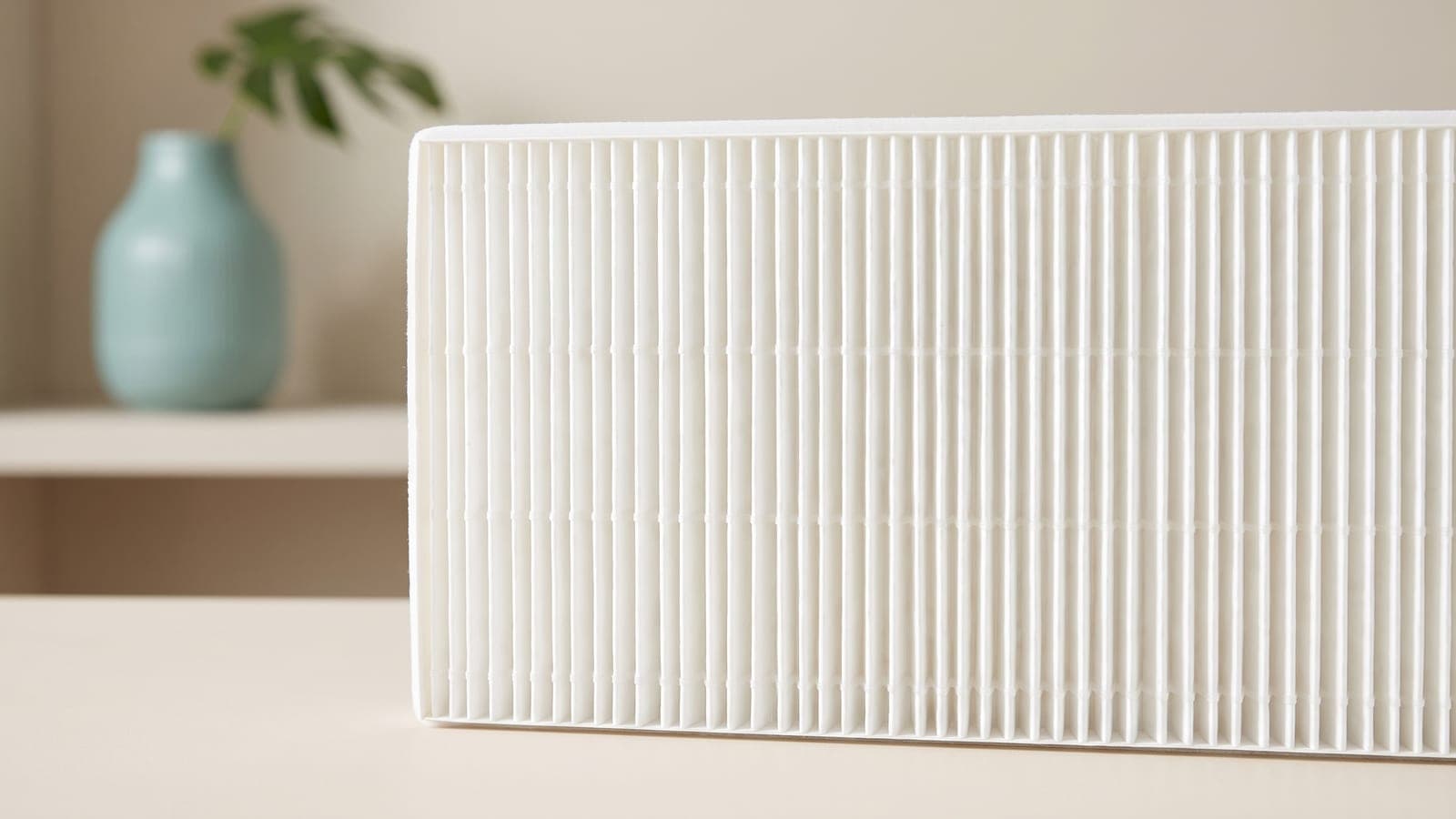
A HEPA filter is a dense mat of fine fibers that physically traps airborne particles as air passes through it. A genuine True HEPA filter is held to a strict standard: it must capture at least 99.97% of particles at 0.3 microns — the single hardest particle size to catch. That's the number that makes HEPA the gold standard for pulling dust, pollen, dander, and smoke particulate out of the air.
Key takeaways
- True HEPA captures 99.97% of particles at 0.3 microns, the most penetrating particle size — bigger and smaller particles are caught even more easily.
- "HEPA-type," "HEPA-like," and "99% HEPA" are not True HEPA. They dodge the certified standard and capture fewer fine particles.
- HEPA handles particles, not gases. Odors and VOCs need a separate activated carbon stage.
- A sealed HEPA path matters — air that leaks around the filter isn't cleaned.
- Ozone generators and ionizers are a different technology, and ozone is a lung irritant, not a feature.
What does a HEPA filter actually capture?
HEPA is defined by performance, not brand. To be labeled True HEPA, a filter must remove at least 99.97% of particles at 0.3 microns in diameter. In practice that covers the fine stuff that causes the most trouble indoors: pollen, dust mite debris, pet dander, mold spores, and a large share of smoke particulate.
The 0.3-micron figure sounds oddly specific because it is. That size is the most penetrating particle size — the hardest for the filter to grab. Larger particles get caught by simple impaction and interception, and smaller particles bounce around by diffusion and stick even more readily. So the 99.97% rating is essentially a worst-case guarantee. Real-world performance across the full range of particle sizes is typically even better.
What does "HEPA-type" really mean?
This is where shoppers get burned. Because "HEPA" describes a standard, brands lean on look-alike terms to borrow its reputation without meeting it:
| True HEPA | "HEPA-type" / "HEPA-like" | |
|---|---|---|
| Certified standard | Yes — 99.97% at 0.3 microns | No formal standard |
| Fine-particle capture | Excellent | Inconsistent, often much lower |
| Common labels | "True HEPA," "H13 HEPA" | "HEPA-type," "99% HEPA," "HEPA-like" |
| Good for allergies/smoke | Yes | Not reliably |
A "HEPA-type" filter might capture 99% of larger particles while letting far more of the fine, lung-reaching particles through. For general dust that can be acceptable; for allergies, wildfire smoke, or fine particulate it isn't. The fix is simple: read the exact wording. If it doesn't say True HEPA (or a grade like H13), treat it as not HEPA.
What do the HEPA grades H11 to H14 mean?
European testing grades HEPA-class filters on a scale, and you'll see these letters on spec sheets:
- H11 / H12 — high efficiency, but below the True HEPA threshold at the finest sizes.
- H13 — the most common True HEPA grade in home purifiers; roughly 99.95% and up.
- H14 — even higher efficiency, more common in medical and cleanroom settings.
For a home air purifier, H13 is the sweet spot — genuine True HEPA performance without the cost and airflow penalty of medical-grade media. H14 is more than most living rooms need.
Why does "sealed HEPA" matter?
A filter can only clean the air that goes through it. If a purifier's housing lets air sneak around the edges of the filter, that unfiltered air rejoins the room carrying its particles along. This is called bypass, and it quietly undermines an otherwise good filter.
Sealed HEPA (sometimes "fully sealed system") means the airway is engineered so all the air is forced through the media with no shortcut. It's part of why a purifier's real-world clean air delivery rate can fall short of what the raw filter suggests — leakage costs you clean air. You won't always see "sealed" advertised, but it's a mark of a well-made unit.
Do HEPA filters remove odors and gases?
No — and this is the most common misunderstanding about HEPA. A HEPA filter traps solid particles. It does nothing for gases: cooking odors, paint and cleaning fumes, VOCs off-gassing from furniture, or the smell that lingers after wildfire smoke clears.
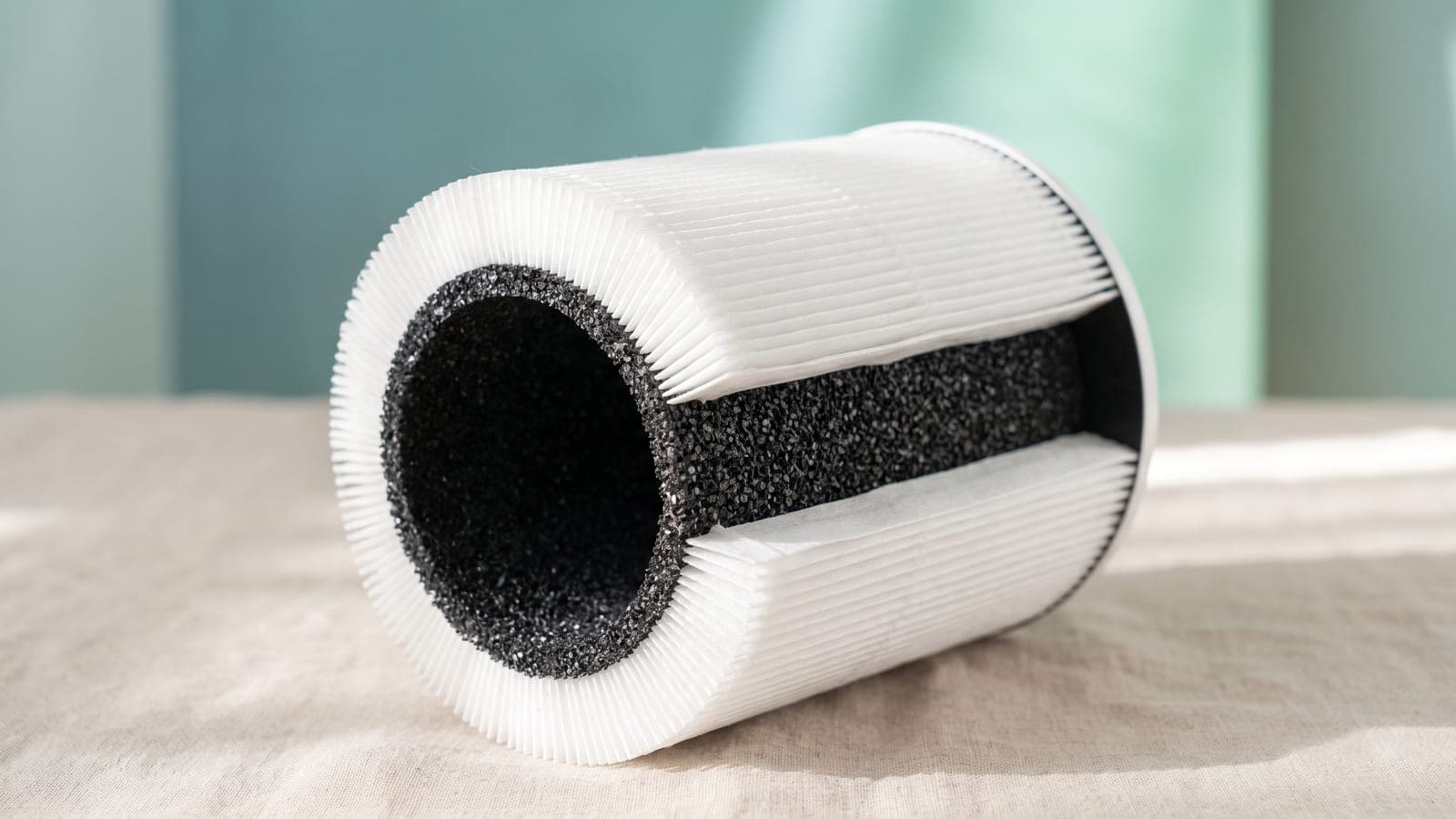
Those need a completely different mechanism: activated carbon, which adsorbs gas molecules onto its huge internal surface area. That's why serious purifiers pair a True HEPA filter with a carbon stage — HEPA for the particles you'd see under a microscope, carbon for the smells you notice with your nose. If odor control matters to you, confirm the unit has real activated carbon, and remember carbon wears out faster than HEPA, so it needs its own replacement schedule.
Are ionizers and ozone generators the same thing?
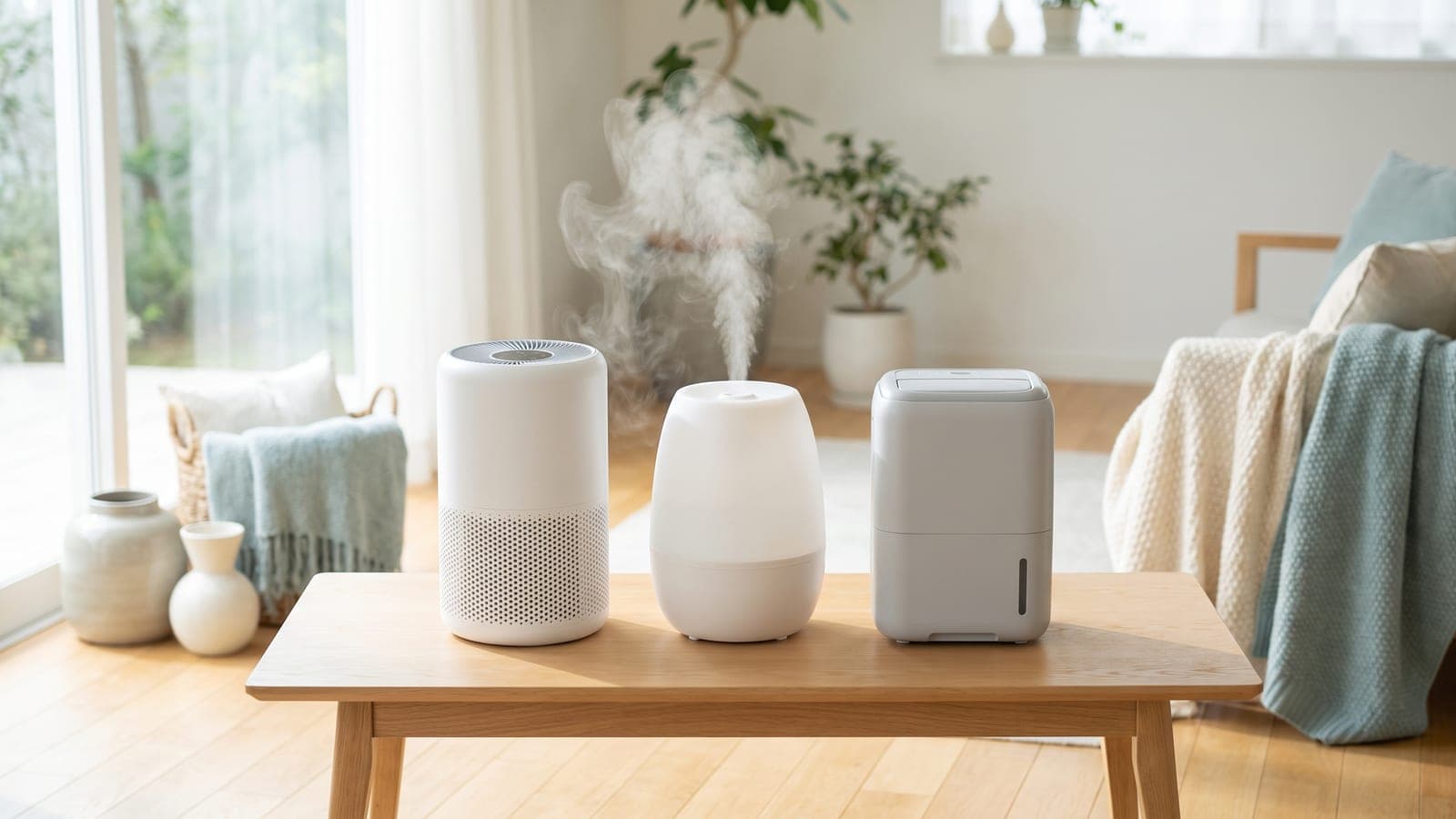
They're not, and the distinction is worth caring about. A HEPA purifier is passive and mechanical — a fan and a filter, nothing added to your air.
- Ionizers charge particles so they clump and settle or stick to surfaces. Some can produce small amounts of ozone as a byproduct.
- Ozone generators deliberately produce ozone, which the EPA identifies as a lung irritant that can worsen asthma and shouldn't be run in occupied spaces.
Neither is an upgrade over HEPA. If you want proven, safe particle removal, a well-sealed True HEPA filter — ideally with activated carbon alongside it — is the setup to buy. It's the same logic behind every unit on our best air purifiers for allergies list: real HEPA, no gimmicks.
Frequently asked questions
What does HEPA stand for?
HEPA stands for High-Efficiency Particulate Air. A True HEPA filter, by definition, captures at least 99.97% of airborne particles at 0.3 microns — the hardest-to-catch size. It's a performance standard, not a brand.
Is 'HEPA-type' as good as True HEPA?
No. 'HEPA-type,' 'HEPA-like,' and '99% HEPA' are marketing terms for filters that resemble HEPA but are not certified to the 99.97% standard. They typically capture fewer fine particles. For allergies, smoke, or fine dust, insist on True HEPA.
What is the 0.3 micron most penetrating particle size?
0.3 microns is the size a HEPA filter finds hardest to catch — the 'most penetrating particle size.' Particles both larger and smaller than that are actually captured more easily, which is why the 99.97% rating at 0.3 microns is a worst-case guarantee, not a cutoff.
Do HEPA filters remove smells and gases?
No. HEPA captures solid particles, not gases. Odors, cooking smells, and VOCs need a separate activated carbon stage. Many purifiers include both a HEPA filter and a carbon filter for exactly this reason.
Are ionizers and ozone generators the same as HEPA?
No, and it's an important difference. HEPA is a passive mechanical filter. Ionizers and ozone generators use electrical charge, and ozone generators can produce ozone — a known lung irritant. HEPA filtration is the safer, better-documented approach.