Do negative ion air purifiers work? In a narrow, disappointing sense — and with a real caveat. An ionizer releases charged ions that attach to airborne particles, making them clump together and settle out of the air onto surfaces faster. That does lower what's floating around, but it doesn't truly remove anything: the particles land on your floors, walls, and furniture, where they can be stirred back up. Ionizers are weak compared with HEPA, which physically traps and holds particles, and many of them produce ozone, a lung irritant. Here's an honest breakdown of how they work, why HEPA is the proven mechanism, and what the ionizer switch on your Coway or Winix actually does.
Key takeaways
- Ionizers make particles clump and settle, not disappear — the particles land on surfaces and can be re-suspended.
- They're weak versus HEPA, which physically captures and holds at least 99.97% of fine particles until you replace the filter.
- Many ionizers produce ozone, a lung irritant that can worsen asthma — health authorities warn against ozone-generating cleaners.
- HEPA is the proven mechanism for actually removing airborne particles from a room.
- On Coway and Winix units the ionizer is optional and off-able — the real cleaning is True HEPA, and you can leave the ionizer off. For respiratory concerns, talk to a doctor.
How does a negative ion purifier actually work?
By charging particles so they fall out of the air. An ionizer emits a stream of negatively charged ions that latch onto airborne particles — dust, pollen, smoke — giving them a charge. Charged particles attract each other and nearby surfaces, so they clump together and settle onto floors, walls, and furniture more quickly than they otherwise would. The air looks cleaner because there's less floating in it.
The catch is hiding in that description: the particles aren't gone, they've just relocated to your surfaces. Nothing has been captured or removed from the room. Sweep, vacuum, sit down on the couch, or let the HVAC kick on, and a portion of those settled particles gets stirred right back into the air. An ionizer redistributes pollution more than it eliminates it, which is a fundamentally different thing from what a filter does.
Why is HEPA the stronger mechanism?
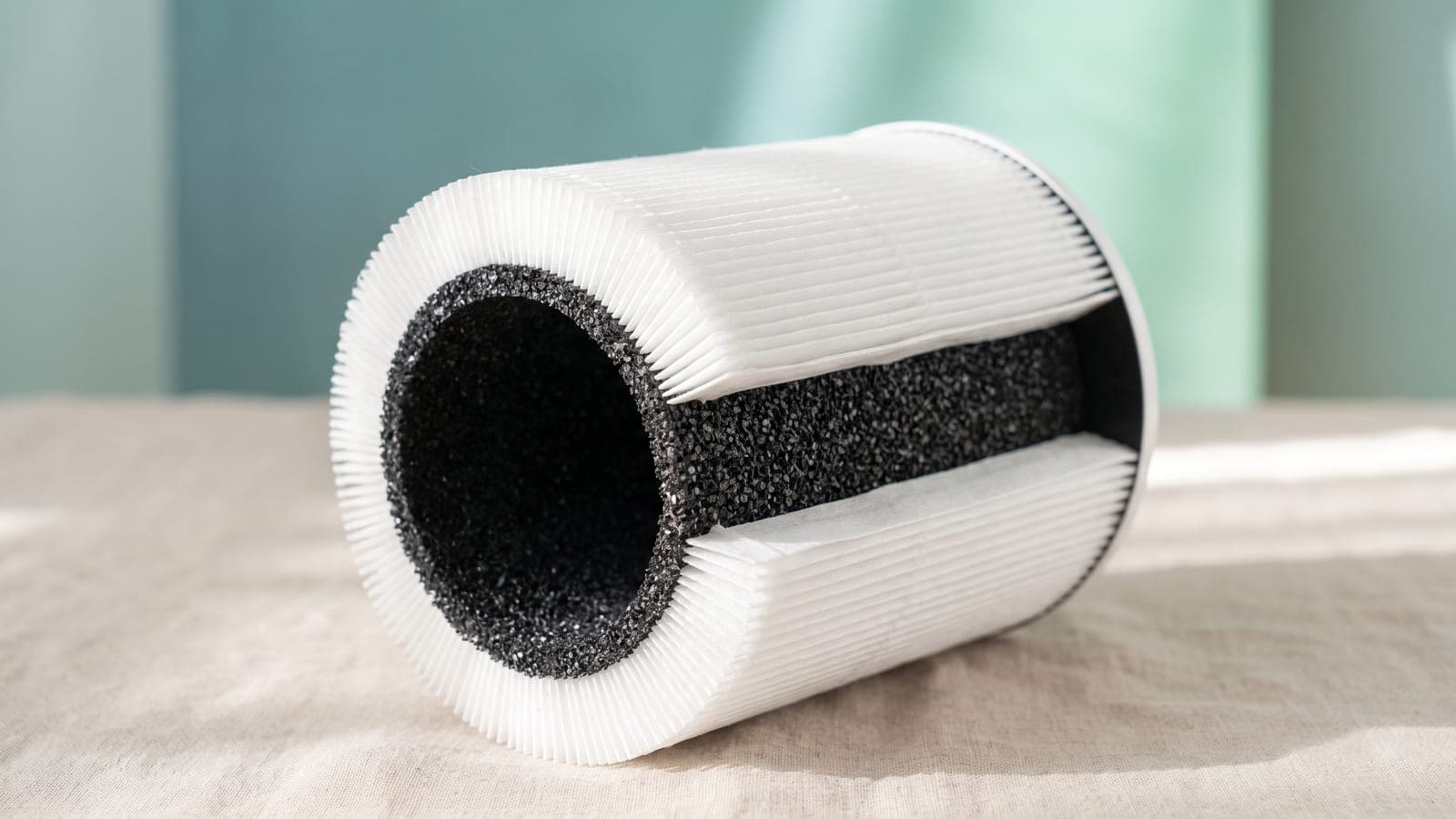
Because it physically captures and keeps the particles. A True HEPA filter is a dense mat of fibers that traps at least 99.97% of particles at 0.3 microns as air is forced through it, and — crucially — holds them there until you replace the filter. The particles leave the room's air permanently rather than settling somewhere to be disturbed later. That's why HEPA is the mechanism health and testing organizations point to for real particle removal.
An ionizer simply can't match that. It has no way to hold particles, it depends on them landing and staying put (which they don't), and independent testing generally shows ionizers far less effective at lowering airborne particle counts than a well-sized HEPA unit. If your goal is genuinely cleaner air, HEPA does the job an ionizer only gestures at. Our explainer on what a HEPA filter is and what HEPA type really means covers the grades and the marketing traps.
What's the deal with ozone?
It's the reason to be cautious. Many ionizers — and all intentional ozone generators — produce ozone as a byproduct of charging the air. Ozone is great in the upper atmosphere but a lung irritant at ground level: breathing it can worsen asthma, irritate airways, and aggravate other respiratory conditions. Public health authorities, including the EPA, explicitly warn against ozone-generating air cleaners and note that ozone is not effective at cleaning indoor air at safe concentrations.
Not every ionizer emits meaningful ozone, and some are designed to keep it very low. But the risk is real enough that the safest posture is to avoid relying on ionization for cleaning and to be wary of any device marketed on "activated oxygen" or "ozone." If you or someone in your home has asthma or another respiratory condition, this is exactly the kind of tradeoff worth avoiding — and worth raising with a doctor. Our guide on whether ionizer and ozone air purifiers are safe goes deeper.
Ionizer vs HEPA: how do they compare?
Side by side, the differences are stark. Here's how the two mechanisms stack up on the things that matter:
| Factor | Ionizer | True HEPA |
|---|---|---|
| How it works | Charges particles so they clump and settle | Physically traps particles in a fiber mat |
| Are particles removed? | No — they land on surfaces, can be re-suspended | Yes — held in the filter until replaced |
| Effectiveness on airborne particles | Weak and inconsistent | Strong; 99.97% at 0.3 microns |
| Ozone byproduct | Often produces some ozone (a lung irritant) | None |
| Odor / gas removal | Little to none | HEPA alone none; pairs with carbon for odors |
| Ongoing cost | Low (no filter) but limited benefit | Filter replacements, but real cleaning |
| Best role | Optional add-on, off-able | The primary cleaning mechanism |
The table makes the verdict clear: HEPA is what actually cleans, ionization is a weak supplement with a downside. If you had to pick one, it's not close.
Then why do good purifiers include an ionizer?
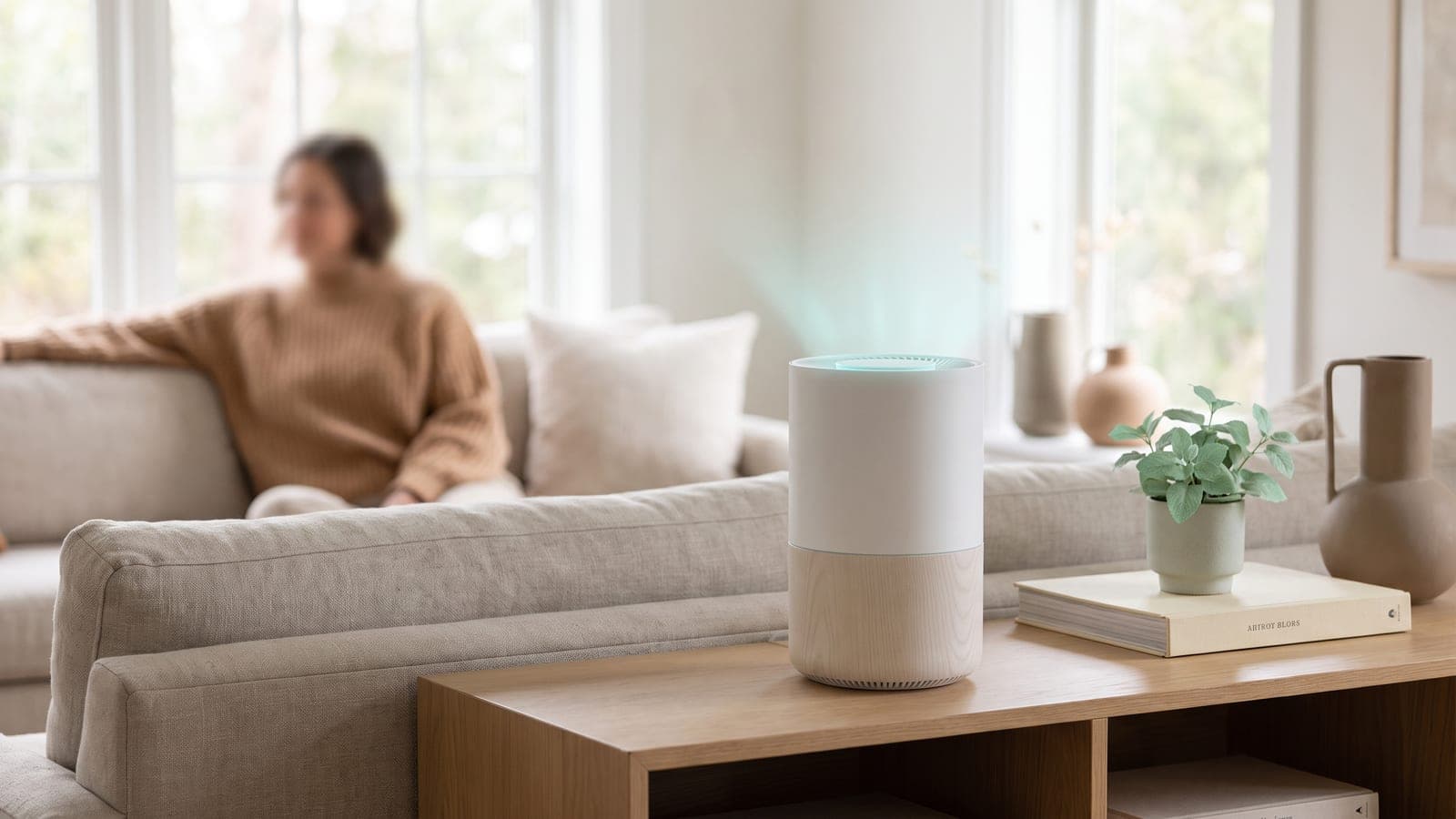
Because it's an optional extra, not the engine. Reputable purifiers like Coway and Winix models are built around a True HEPA filter — that's where their cleaning power comes from. The ionizer or PlasmaWave stage on these units is an add-on feature meant to give particles an extra nudge to clump, and importantly, it's optional and can be switched off with a button. The unit cleans effectively with the ionizer disabled.
So the presence of an ionizer on a quality purifier isn't a red flag the way a standalone ionizer or ozone generator is — it's a toggle layered on top of proven filtration. Many owners simply leave it off to avoid any ozone byproduct, losing essentially nothing since HEPA is doing the heavy lifting. The device you're buying is a HEPA purifier that happens to also offer ionization, not an ionizer pretending to be a purifier.
Should you turn the ionizer off?
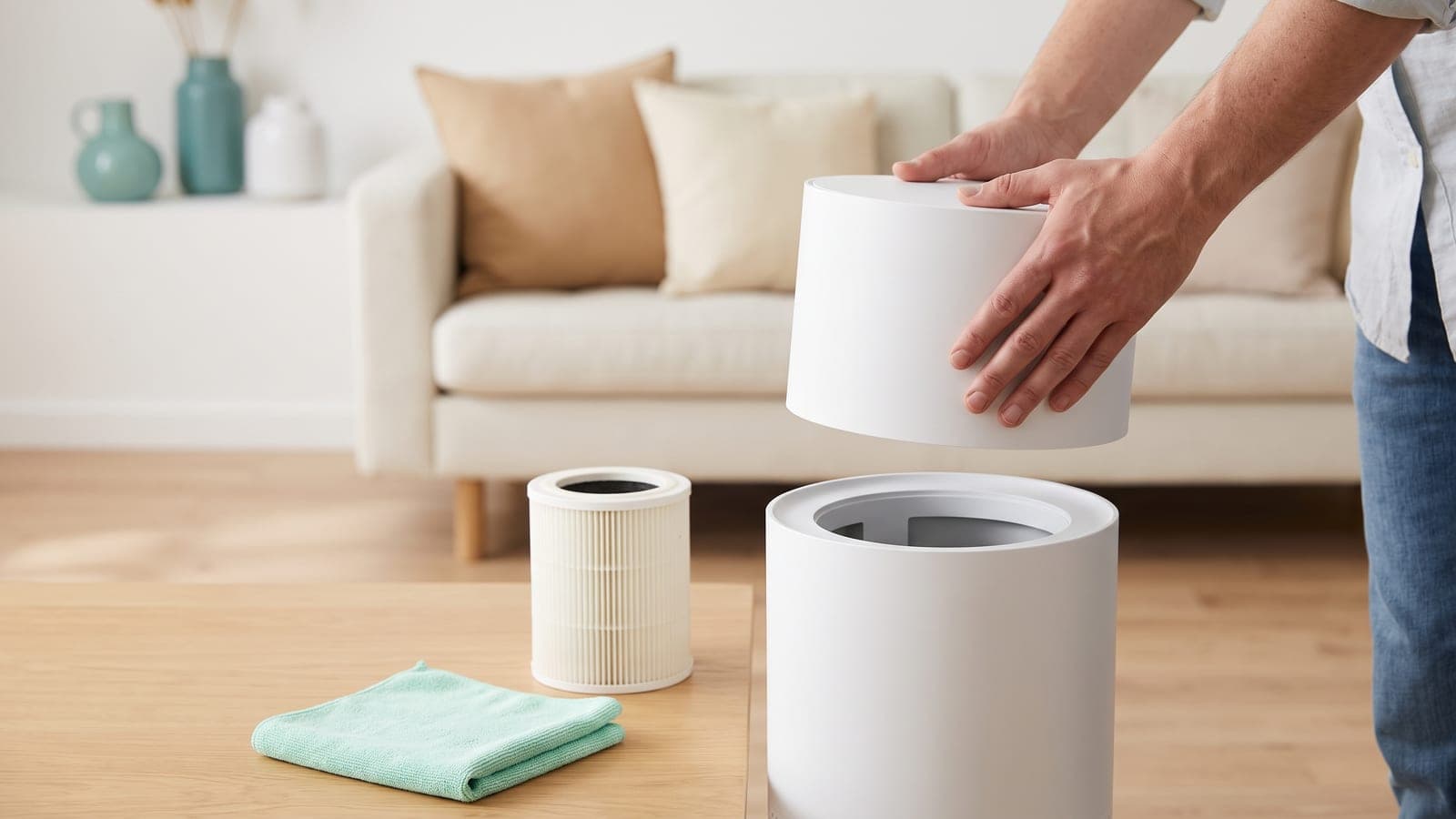
For most people, yes — it's the cautious default with little downside. If your purifier has a True HEPA filter, that's already removing the particles, so switching off the optional ionizer sidesteps any ozone byproduct while keeping the real cleaning intact. Leave the HEPA and any carbon stages running; just disable the ion/PlasmaWave feature. You lose a marginal, unproven benefit and gain peace of mind.
The case for turning it off is strongest if you're sensitive to ozone or have a respiratory condition — asthma, COPD, allergies that affect breathing — where even low ozone is worth avoiding. If you have no such concerns and want the extra particle-clumping, running it isn't a crisis on a low-ozone unit, but there's no compelling reason to. When in doubt, off is the sensible choice, and any breathing concerns are worth discussing with a doctor.
The bottom line
Negative ion purifiers "work" only in the weak sense that they make particles settle out of the air — they don't remove them, they underperform HEPA badly, and many produce ozone you'd rather not breathe. The proven, well-established way to actually clean indoor air of particles is a right-sized True HEPA purifier, ideally with an activated carbon stage if odors matter. Treat any ionizer feature as an optional toggle you can — and often should — leave off.
If you're shopping, skip standalone ionizers and ozone generators entirely and choose a HEPA unit sized to your room; the air purifier finder narrows it down in a couple of minutes, and our best air purifiers for bedrooms picks are all HEPA-based. For the safety details on ionization and ozone, see are ionizer and ozone air purifiers safe, and take any respiratory worries to a doctor.
Frequently asked questions
Do negative ion air purifiers actually clean the air?
Only in a limited, indirect way. Ionizers charge airborne particles so they clump together and settle onto surfaces faster, which lowers what's floating in the air but doesn't truly remove it — the particles land on floors, walls, and furniture and can be stirred back up. Compared with a HEPA filter that physically traps and holds particles, an ionizer is weak. HEPA is the proven mechanism.
Are negative ion purifiers dangerous?
The main concern is ozone. Many ionizers produce some ozone as a byproduct, and ozone is a lung irritant that can worsen asthma and other respiratory conditions — health authorities warn against ozone-generating air cleaners. Not every ionizer produces meaningful ozone, but the risk is real enough that most experts steer people toward HEPA instead. For respiratory concerns, talk to a doctor.
Is an ionizer better than a HEPA filter?
No. A True HEPA filter physically captures and retains at least 99.97% of fine particles, holding them in the filter until you replace it. An ionizer only makes particles settle out of the air, doesn't remove them from the room, is far less effective overall, and can emit ozone. If you're choosing one mechanism, HEPA is the well-established, safer choice.
Do Coway and Winix purifiers use ionizers?
Some include an ionizer feature — Coway and Winix models often have an ionizer or PlasmaWave stage — but on these units it's optional and can be switched off, and their real cleaning comes from a True HEPA filter. That's the key: the ionizer is an add-on you can disable, not the primary mechanism. You get proven HEPA filtration and can leave the ionizer off if you prefer.
Should I turn off the ionizer on my air purifier?
Many people do, and it's a reasonable choice. If your purifier has a True HEPA filter, that's already doing the real work, so turning off the optional ionizer avoids any ozone byproduct with little downside. Leave HEPA and any carbon filtration running. If you're sensitive to ozone or have a respiratory condition, switching the ionizer off is the cautious, sensible default.
Do ionizers help with smoke or odors?
Not effectively. Ionizers do little for odor gases, and any ozone they produce can create its own smell without actually cleaning the air. For smoke, you want True HEPA for the particles plus an activated carbon stage for the smell — that combination is what removes smoke's two components. An ionizer is not a substitute for carbon or HEPA on smoke.