Spending over $1,000 on an air purifier buys real things: the strongest combined particle-and-gas filtration, coverage for very large rooms, and a build meant to last a decade. But here's the honest version most roundups won't give you — most people don't need to spend that much. The sub-$1,000 picks below get you most of the way, and for plain everyday dust and pollen, CADR is still king. Below we crown the true over-$1,000 champion, then show the machines that quietly do 90% of the job for less.
Quick answer
| Model | CADR (smoke) | Coverage | Filters/yr | Best for |
|---|---|---|---|---|
| IQAir HealthPro Plus | — | 1,125 sq ft | ~$200 | Best over $1,000 |
| AirDoctor AD5500i | 556 CFM | ~862 sq ft | ~$355 | Big room under $1k |
| Coway Airmega 400 | 328 CFM | ~508 sq ft | ~$129 | Premium mainstream |
IQAir doesn't publish an AHAM CADR for the HealthPro Plus (it uses its own room rating), so no smoke CADR is listed for it.
Key takeaways
- The over-$1,000 tier buys filtration depth, not basic cleaning speed. You're paying for a large gas-and-odor stage and beyond-HEPA particle rating, plus big-room coverage and build quality.
- For everyday dust and pollen, CADR is king. A well-sized cheaper machine cleans ordinary air just as fast, so price alone doesn't mean better.
- Most buyers should stop below $1,000. The premium picks here get you most of the way; save the four-figure spend for genuine VOC sensitivity or very large spaces.
Best over $1,000: IQAir HealthPro Plus
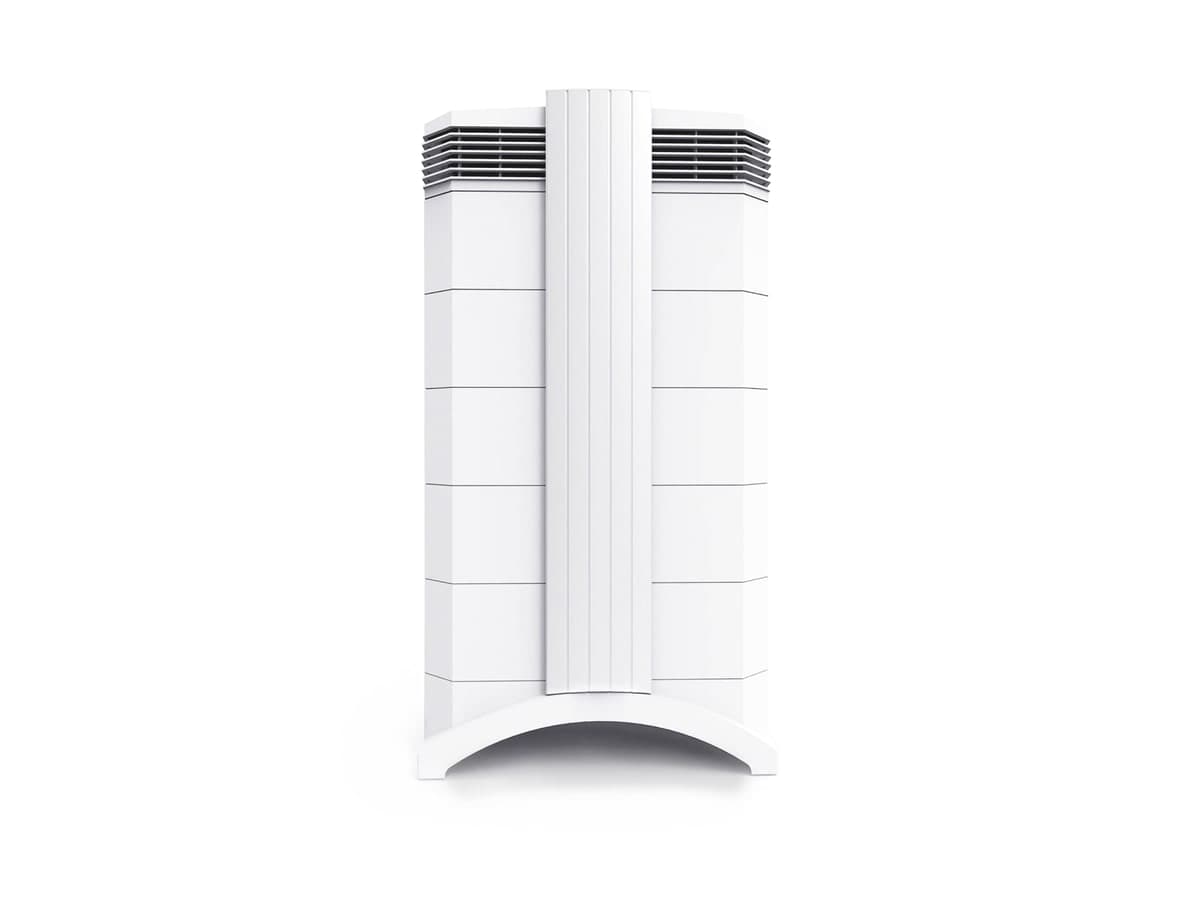
If you want the strongest air purifier we cover, full stop, the HealthPro Plus is it. Its HyperHEPA filtration is rated to capture particles well below the standard HEPA threshold, and a large V5-Cell gas-and-odor stage handles the VOCs and smells that most purifiers ignore entirely, all in a build backed by a 10-year warranty and rated for rooms up to roughly 1,125 sq ft. At around $1,199 brand-direct it's a serious commitment, and its filters average roughly $185 a year, though the current XE version now includes an app, a PM2.5 sensor and auto mode. But as the true over-$1,000 champion, nothing here matches it for outright filtration quality.
Best big-room pick under $1,000: AirDoctor AD5500i
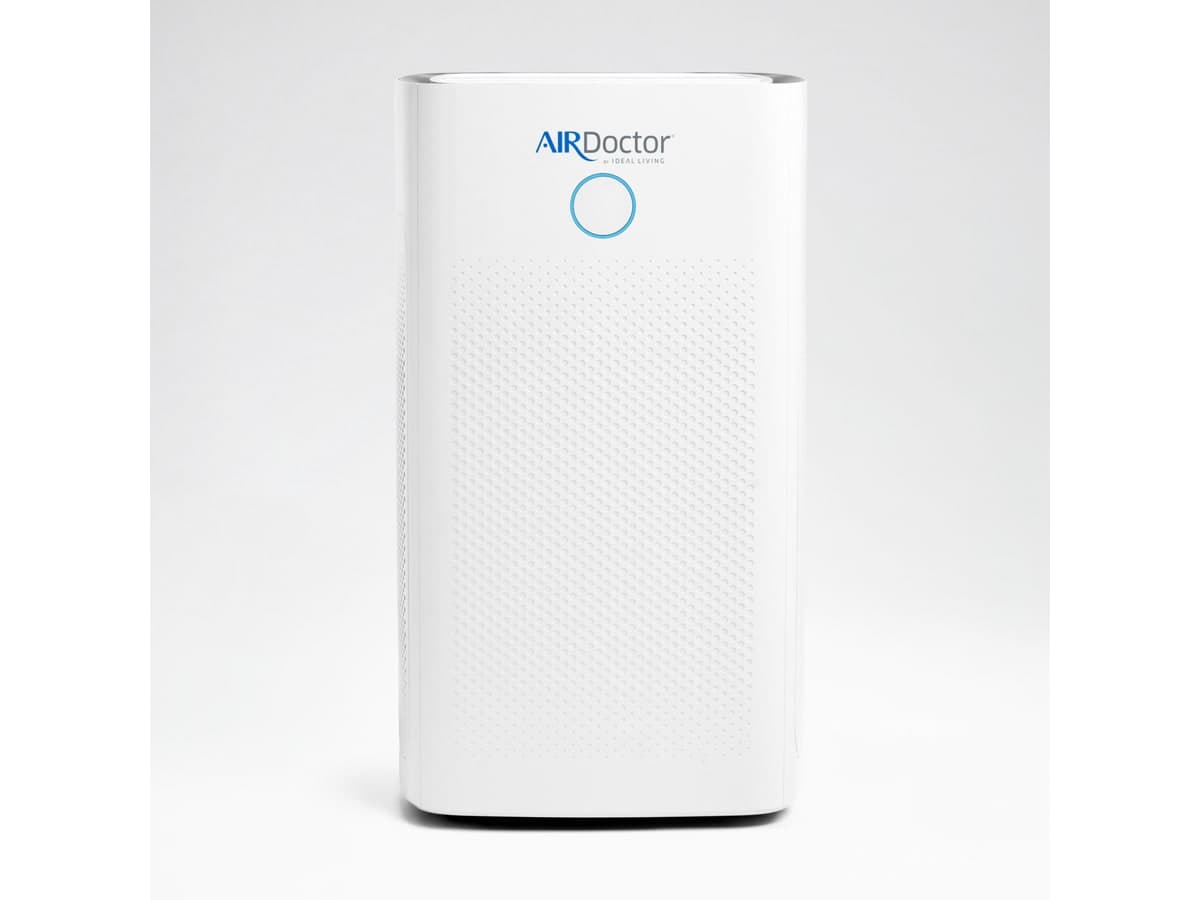
Premium · 556 CFM CADR · 862 sq ft
Paid links: we may earn a commission at no cost to you. Disclosure
The AD5500i is the machine that makes most people question spending four figures. It pairs UltraHEPA filtration with a dual carbon and VOC stage, posts a CADR near 556, and covers very large rooms up to around 862 sq ft — and it moves far more air than the IQAir, which publishes no CADR at all. At around $999 list (often discounted brand-direct) it undercuts the four-figure tier while delivering genuine big-room, gas-plus-particle performance. For the overwhelming majority of large-room buyers, this is the smarter stopping point.
Best premium mainstream: Coway Airmega 400
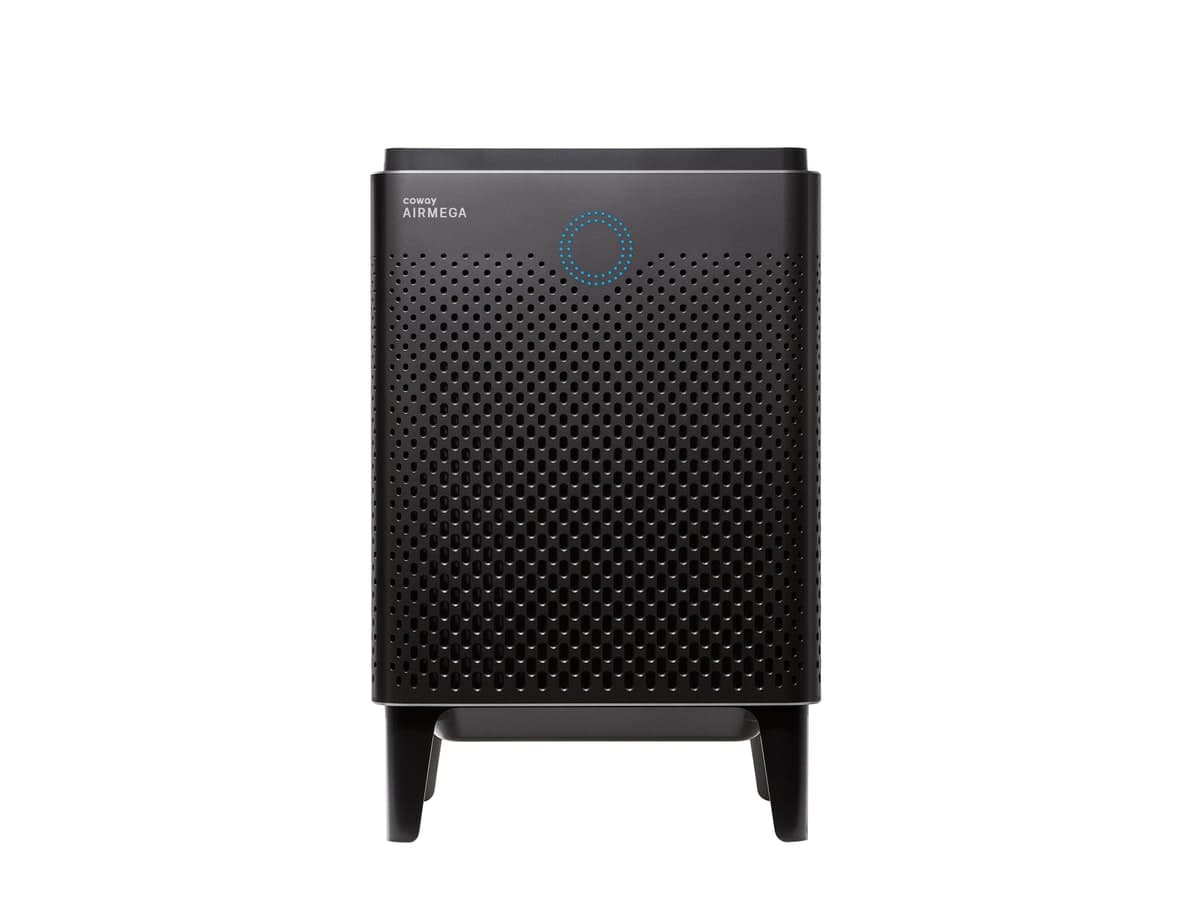
Premium · 328 CFM CADR · 508 sq ft
Paid links: we may earn a commission at no cost to you. Disclosure
For an open-plan living space that needs strong, quiet performance without the specialty price, the Airmega 400 is the sweet spot. It runs dual True HEPA and carbon filters, posts a CADR around 328, and uses the same trustworthy sensor-driven auto mode as the rest of Coway's lineup. At roughly $450 it's a fraction of the flagship cost — no app on the base model — yet for everyday particle cleaning in a big room, it does the core job beautifully.
How to choose the right one for you
Start with the room and the actual problem. Measure the space and run the room-size to CADR calculator to get a clean-air target — if a sub-$1,000 machine already meets it, spending more won't clean ordinary dust or pollen any faster. It helps to understand what those numbers mean, so our guide on what CADR and CFM really are is worth a read before you commit. Reserve the four-figure spend for genuine VOC sensitivity, a very large open floor plan, or a real appetite for the best build available; otherwise, one of the big-room machines in our best air purifiers for large rooms roundup will keep your air just as clean for a lot less.
Frequently asked questions
Are air purifiers over $1,000 worth it?
For a specific buyer, yes: if you want the strongest combined particle-and-gas filtration, the most durable build, and coverage for a very large room, a four-figure machine like the IQAir HealthPro Plus delivers it. But most people don't need that. A well-sized sub-$1,000 unit handles everyday dust and pollen just as effectively, so the premium mainly buys headroom, build quality, and gas-phase filtration you may never use.
Does a more expensive air purifier clean better?
Not for plain particles. For everyday dust, pollen, and dander, clean air delivery rate — CADR — is what decides how fast the air gets cleaned, and plenty of mid-priced machines post excellent CADR numbers. A higher price often buys stronger gas and odor filtration, bigger coverage, or a nicer build, none of which improves basic particle cleaning if a cheaper unit already matches your room.
What do you get for over $1,000 that you don't get cheaper?
Mainly a much larger and more capable gas-and-odor stage, filtration rated beyond the standard HEPA threshold, coverage for very large spaces, and a heavy-duty build with a long warranty. Those matter if you're sensitive to VOCs or have a big open floor plan. For ordinary allergy and dust duty, they're extras, not necessities.
Is the IQAir HealthPro Plus better than cheaper machines?
For sheer filtration quality it's the benchmark — its HyperHEPA media is rated to capture particles below the standard HEPA cutoff, and its large carbon stage tackles gases most units ignore. Whether it's better for you depends on the job. For a normal-size room and everyday particles, a properly sized cheaper machine will keep the air just as clean day to day.
What's the real yearly cost of owning a premium air purifier?
Budget for filters and electricity, not just the sticker. A four-figure machine like the IQAir HealthPro Plus can run roughly $200 a year in replacement filters, plus power for a higher-wattage motor if you run it around the clock. Over a decade those running costs can approach the purchase price, so factor them in before you buy.