Do air purifiers help with viruses and COVID? The honest answer is: yes, as one layer of protection — not as a cure. A True HEPA air purifier captures a large share of the fine aerosols and droplet nuclei that carry respiratory viruses, and moving enough clean air through a room lowers the airborne viral concentration people are exposed to. Both the EPA and CDC describe portable air cleaners as a useful supplement to ventilation. What a purifier can't do is replace vaccines, ventilation, or masks, or make any room risk-free. Treat it as part of a stack, and for medical questions, talk to a doctor.
Key takeaways
- HEPA captures virus-carrying aerosols. Viruses travel indoors on respiratory droplets and aerosols that True HEPA filters trap efficiently.
- More clean air = lower airborne viral load. Higher air changes per hour dilute and remove airborne particles faster, reducing exposure over time.
- It's a layer, not a solution. Clean air works alongside vaccination, ventilation, and masks where appropriate — per EPA and CDC guidance.
- Sizing matters. A purifier only helps if its CADR delivers enough air changes for the room.
- Avoid ozone. Ozone generators are a lung-irritant risk; stick to mechanical HEPA filtration. An air purifier is not a medical device.
Can a HEPA filter really capture something as small as a virus?
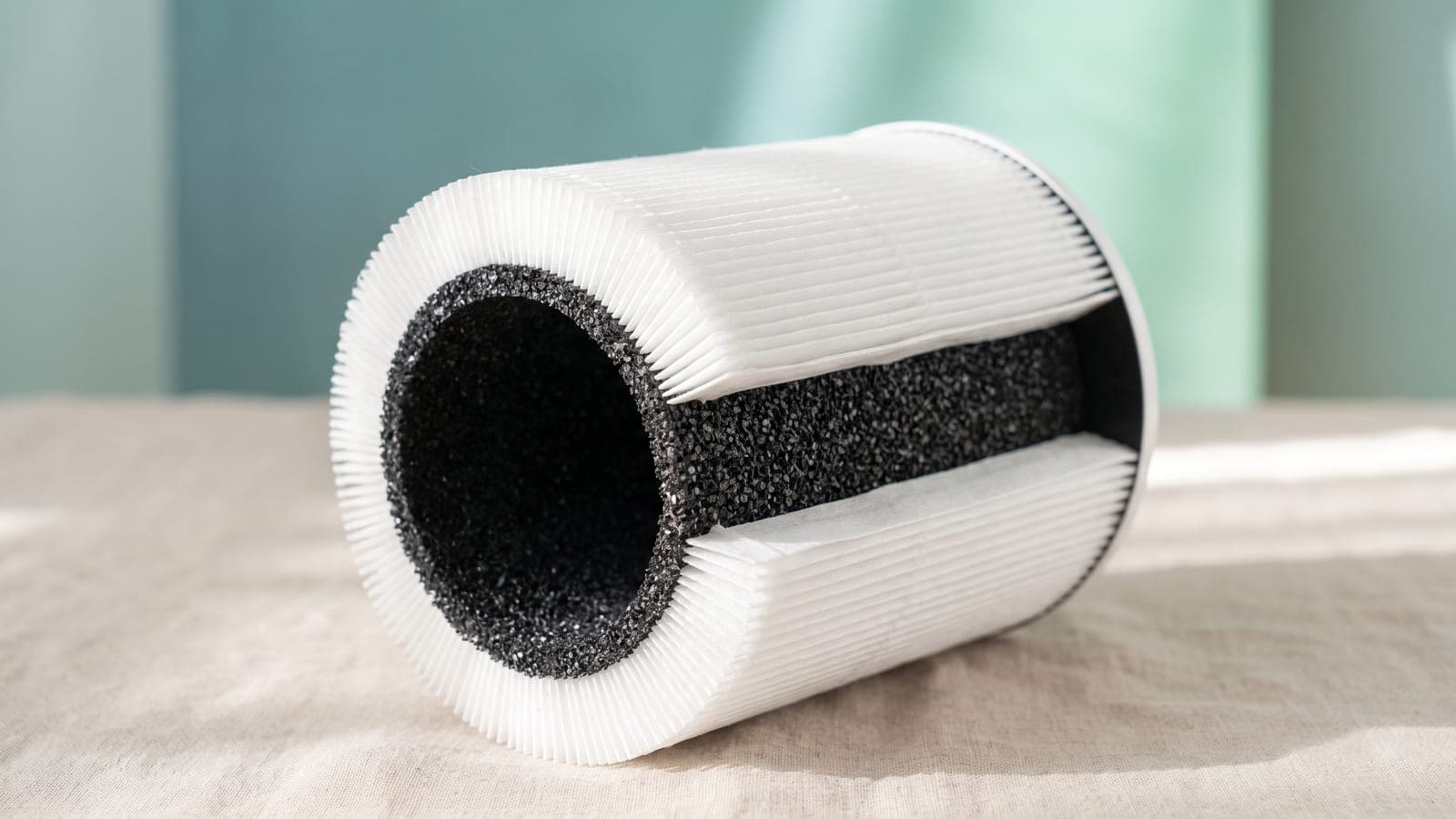
This is the most common doubt, and it's based on a misunderstanding. A lone virus particle is extraordinarily small, but that's not how viruses move through indoor air. They ride on respiratory droplets and aerosols — the fine mist we exhale, cough, and speak out — which are much larger and which True HEPA filters capture with high efficiency.
There's also a quirk of filtration physics worth knowing. HEPA's rated efficiency (99.97% at 0.3 microns) is measured at the most penetrating particle size — the hardest size to catch. Particles both larger and smaller than 0.3 microns are actually captured at even higher rates, thanks to how tiny particles move and stick to filter fibers. So virus-laden material is filtered effectively, not slipping through as the raw size comparison might imply.
How much does an air purifier lower airborne virus levels?
The mechanism is dilution and removal. Every pass through the filter strips particles out of the air, so a room with a running purifier has a lower steady-state concentration of airborne virus than the same room with no air cleaning. The key metric is air changes per hour (ACH) — how many times the purifier cleans the room's full air volume each hour. More air changes mean airborne particles are removed faster than they build up.
Public-health guidance during COVID leaned heavily on this idea: portable HEPA air cleaners were recommended specifically to boost effective ventilation in spaces where you can't open windows or upgrade the HVAC. The effect is real but proportional — it reduces exposure, it doesn't eliminate it, especially at close range where you're breathing someone's air before the purifier can process it.
Which measures help, and how much?
No single tool does the whole job. Here's roughly how clean air stacks up against the other layers:
| Measure | How much it helps |
|---|---|
| True HEPA air purifier (well-sized) | Meaningfully lowers airborne viral load in the room; strongest for shared, poorly ventilated spaces |
| Ventilation (open windows, HVAC) | Foundational — dilutes and removes indoor air; purifiers supplement it, don't replace it |
| Vaccination | A primary medical layer against severe illness; follow current guidance and your doctor |
| Masks (where appropriate) | Reduce both what you emit and what you inhale, including at close range a purifier can't reach |
| Distance / time indoors | Less shared air and shorter exposure lower risk regardless of filtration |
| Ozone generators | Not recommended — ozone is a lung irritant; avoid in occupied spaces |
The takeaway is that these layers add up. A purifier plus ventilation plus the appropriate personal measures is far more protective than leaning on any one of them.
What size and settings actually make a difference?
A purifier only helps if it moves enough air for the room. For everyday particle control the common target is four to five air changes per hour, and for reducing shared-air risk in a busy indoor space, more is better. That means matching the unit's CADR to the square footage and then running it on a speed that genuinely delivers those air changes — not the whisper-quiet sleep setting that barely moves air.
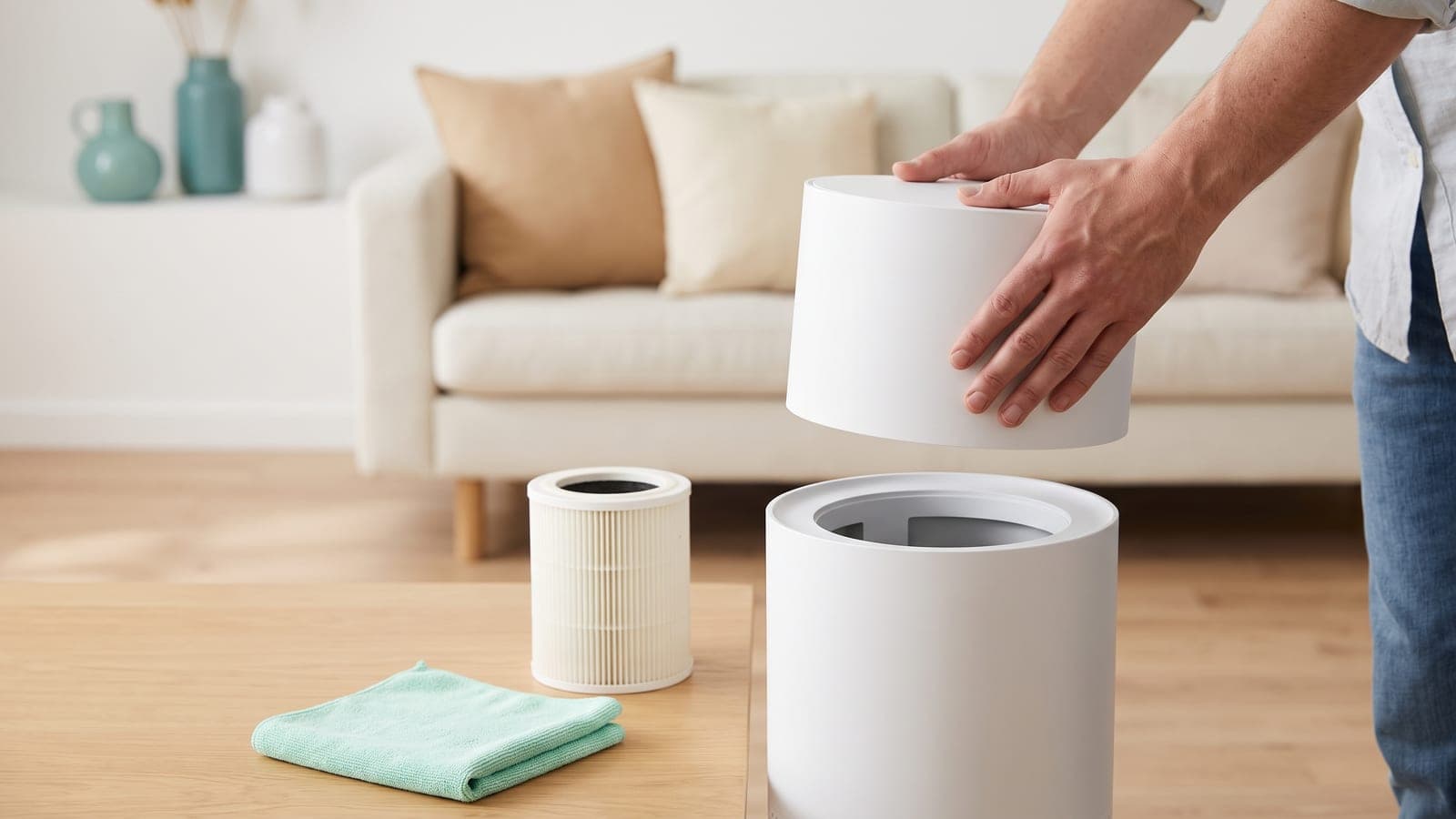
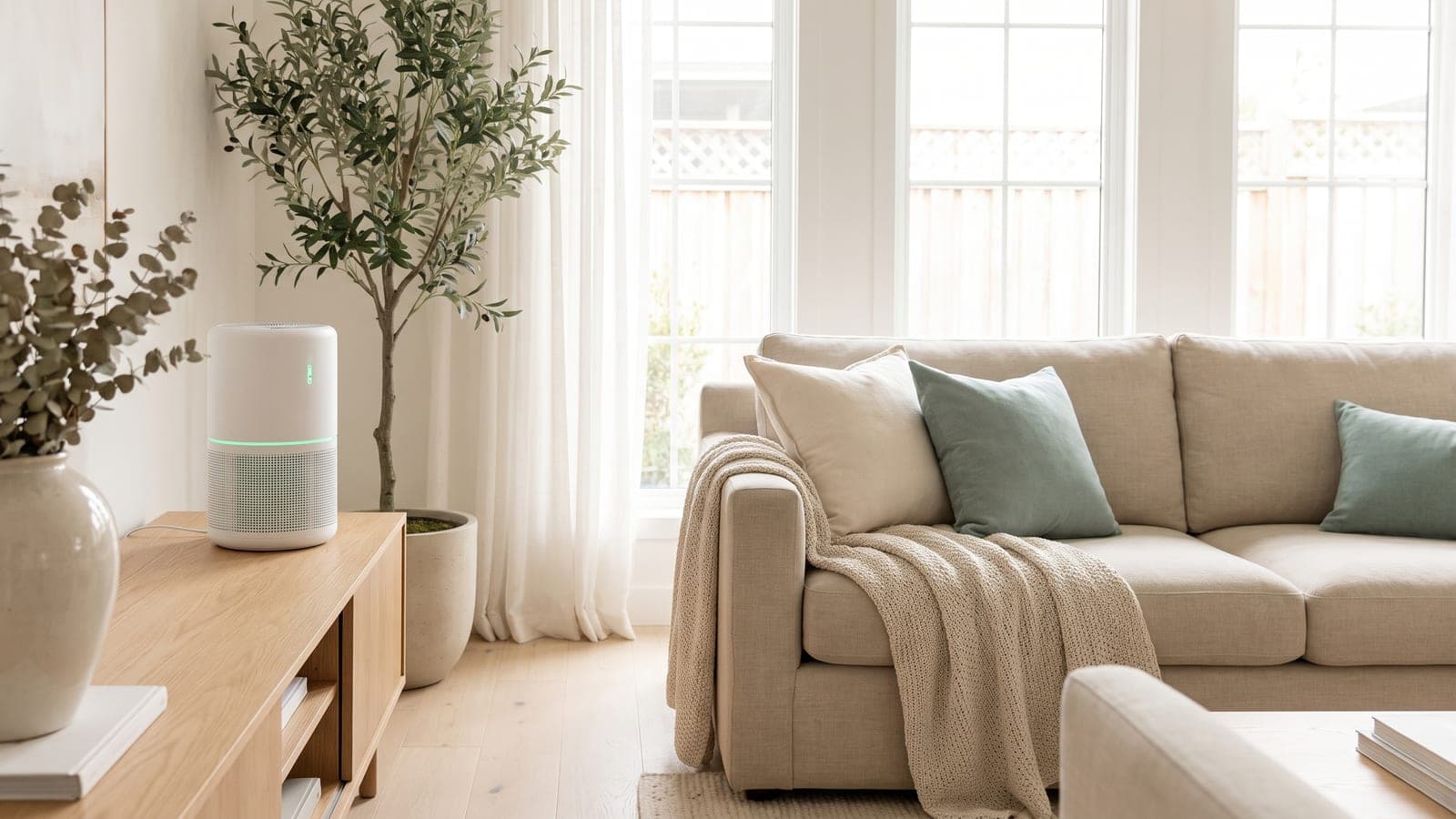
Placement helps too: put the purifier where air circulates, not boxed into a corner or behind furniture. Before you trust a given unit for a room, run the numbers through the air changes per hour calculator to confirm it's actually strong enough for the space rather than just switched on.
Should you avoid ozone and ionizing purifiers?
For virus control, stick with mechanical HEPA filtration and be skeptical of anything that "kills" viruses with ozone or heavy ionization. The EPA warns that ozone is a lung irritant and advises against using ozone generators in occupied spaces — the levels needed to affect microbes are the same levels that harm your lungs. That trade-off isn't worth it.
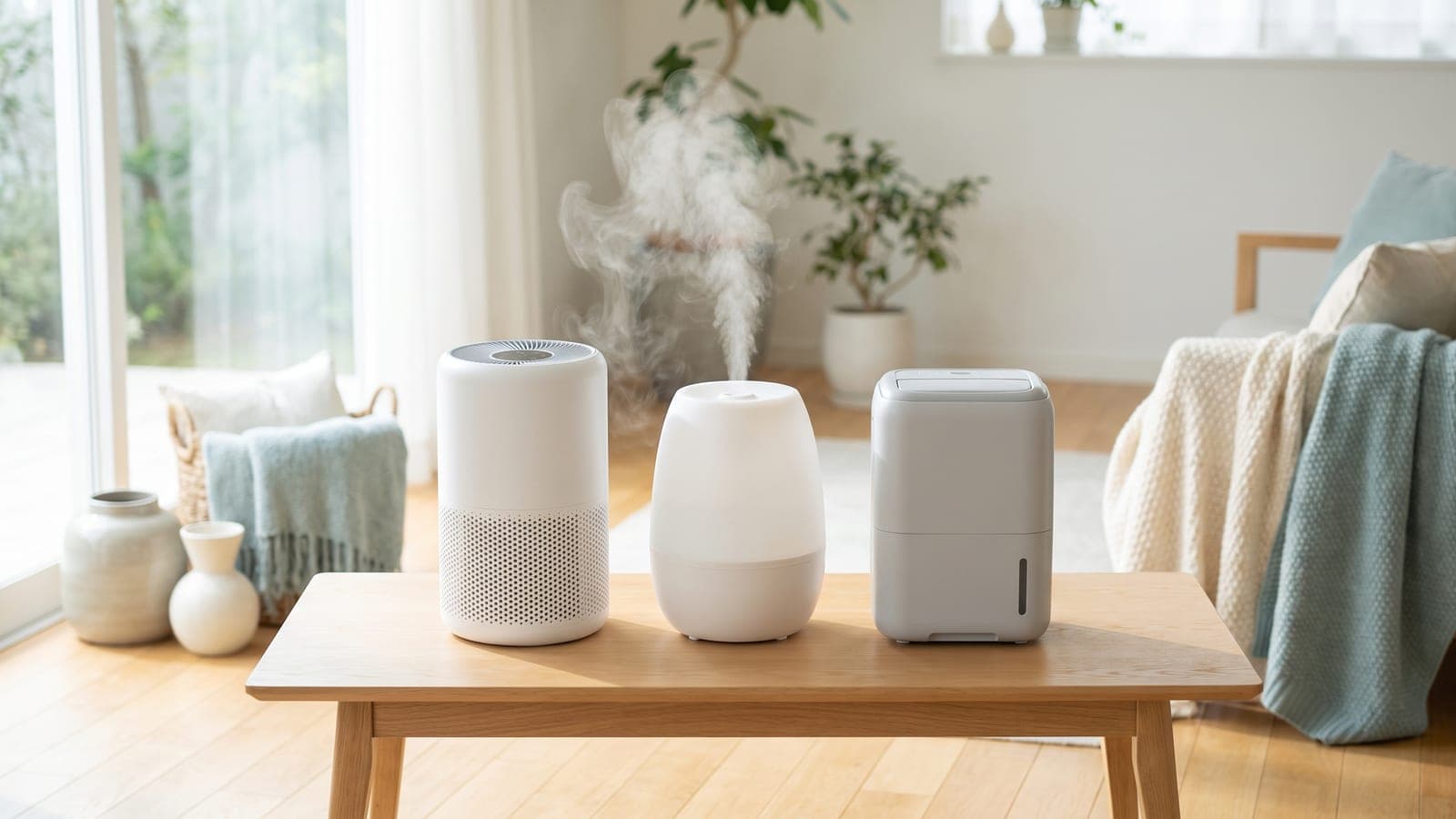
Some purifiers include an ionizer as an extra stage. The safest approach is to make sure it can be switched off and run the unit on HEPA alone. Our guide on whether ionizer and ozone air purifiers are safe walks through the distinction. The evidence-backed path is boring but reliable: True HEPA, sized for the room, running continuously.
Is an air purifier enough on its own?
No — and that's the most important point to keep in view. An air purifier is a genuinely useful tool for lowering the airborne share of virus in a room, and both the EPA and CDC endorse portable air cleaners as a supplement to ventilation. But it doesn't protect against close-range exposure, it doesn't touch surfaces, and it is not a medical device.
Think of clean air as one layer in a stack that also includes ventilation, vaccination, and masks where appropriate. The most reliable next step is to confirm your purifier is strong enough for the room using the air changes per hour calculator, then keep it running. For any decision about your own health or risk, follow current public-health guidance and talk to a doctor — this is background on how the technology works, not medical advice.
Frequently asked questions
Do air purifiers actually help with viruses like COVID?
They can help as one layer. A True HEPA air purifier captures a large share of the fine aerosols that carry respiratory viruses, and running enough clean air lowers the airborne viral concentration in a room. The EPA and CDC describe portable air cleaners as a useful supplement to ventilation, but not a standalone solution. For medical guidance, talk to a doctor and follow public-health advice.
Can a HEPA filter catch something as small as a virus?
Yes, more than the numbers suggest. A single virus particle is tiny, but viruses travel indoors attached to larger respiratory droplets and aerosols that HEPA captures very efficiently. HEPA is also most penetrating around 0.3 microns and actually filters both larger and smaller particles well, so virus-sized material is captured effectively.
Does running an air purifier mean I can skip masks or vaccines?
No. An air purifier reduces airborne particle levels, but it doesn't protect against close-range exposure or surfaces, and it isn't a medical intervention. Public-health guidance treats clean air as one layer alongside vaccination, ventilation, and masks where appropriate. Follow current guidance from the CDC and your doctor.
What size air purifier do I need to reduce virus risk in a room?
Aim for a high number of air changes per hour — often four to five or more for shared indoor spaces. That means matching the purifier's CADR to the room, then running it on a speed that actually delivers those air changes. Our air changes per hour calculator helps you check whether a given unit is strong enough for your space.
Are ozone generators or ionizers good for killing viruses?
Be cautious. Ozone is a lung irritant, and the EPA warns against using ozone generators in occupied spaces. Some ionizing devices make big claims with thin evidence. The well-established approach is mechanical filtration with True HEPA plus ventilation. If a purifier has an ionizer, make sure it can be switched off.