If you want to know how to reduce indoor air pollution, the framework the EPA uses is the clearest guide: control the sources first, ventilate second, and filter third. Cutting pollution at the source — no indoor smoking, venting your cooking, controlling moisture, choosing low-VOC products — does more than any gadget. Ventilation then dilutes what's left with fresher air, and a well-sized HEPA air purifier captures the airborne particles that remain. No single step is a magic fix; the clean-air homes combine all three. Here's how to work through them in order.
Key takeaways
- Source control comes first. The EPA calls reducing or removing pollution sources the single most effective strategy — it's cheaper and more powerful than any filter.
- Ventilation is the second layer. Fresh outdoor air dilutes indoor pollutants — except when outdoor air is worse, as during wildfire smoke.
- Filtration is third. A well-sized True HEPA purifier handles the airborne particles left over; with carbon it also reduces some gases and odors.
- Combine all three. They cover different gaps; relying on just one leaves obvious holes.
- Some hazards need dedicated tools — carbon monoxide and radon require detectors and mitigation, not an air purifier. For health concerns, talk to a doctor.
Why start with source control?
Because it's the layer with the most leverage. The EPA identifies source control — eliminating or reducing individual sources of pollution — as generally the most effective approach to indoor air quality, and it's easy to see why: it's far more efficient to stop a pollutant from entering the air than to filter it out afterward. A single strong source can overwhelm even a good purifier.
Practically, source control is a checklist of habits and choices: don't smoke indoors (tobacco smoke is one of the worst indoor pollutants), vent cooking with a range hood or open window since cooking is a major source of fine particulate, control humidity and fix leaks so mold never gets started, choose low-VOC paints, finishes, and cleaning products, and put doormats at entries to keep tracked-in dust and pollen down. None of these cost much, and together they cut the pollution load before ventilation or filtration has to do anything.
How much does ventilation help?
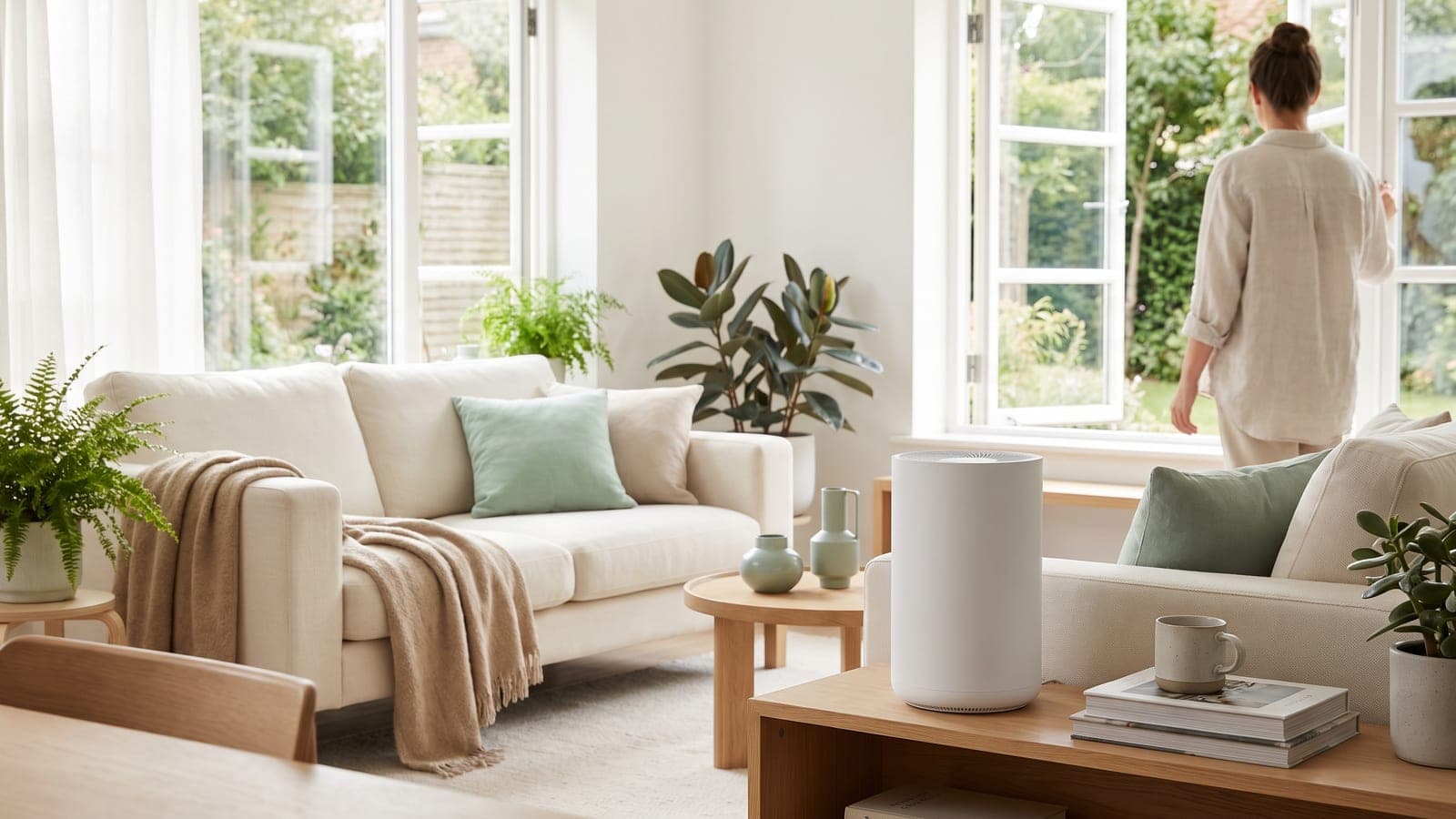
A lot, and it's the second layer for a reason. Ventilation dilutes indoor pollutants by swapping stale indoor air for fresher outdoor air, lowering the concentration of whatever your source control didn't catch. Opening windows, running exhaust fans in kitchens and bathrooms, and using a well-maintained HVAC system all move air in and out, keeping pollutants from building up in a sealed box.
The important caveat is outdoor air quality. Ventilation assumes the air outside is cleaner than the air inside — usually true, but not during wildfire smoke, high-pollen stretches, or heavy outdoor pollution. On those days, opening windows imports the problem, so you close up and lean on filtration instead. Check outdoor conditions and ventilate when the air outside is genuinely better; filter when it isn't.
Where does an air purifier fit in?
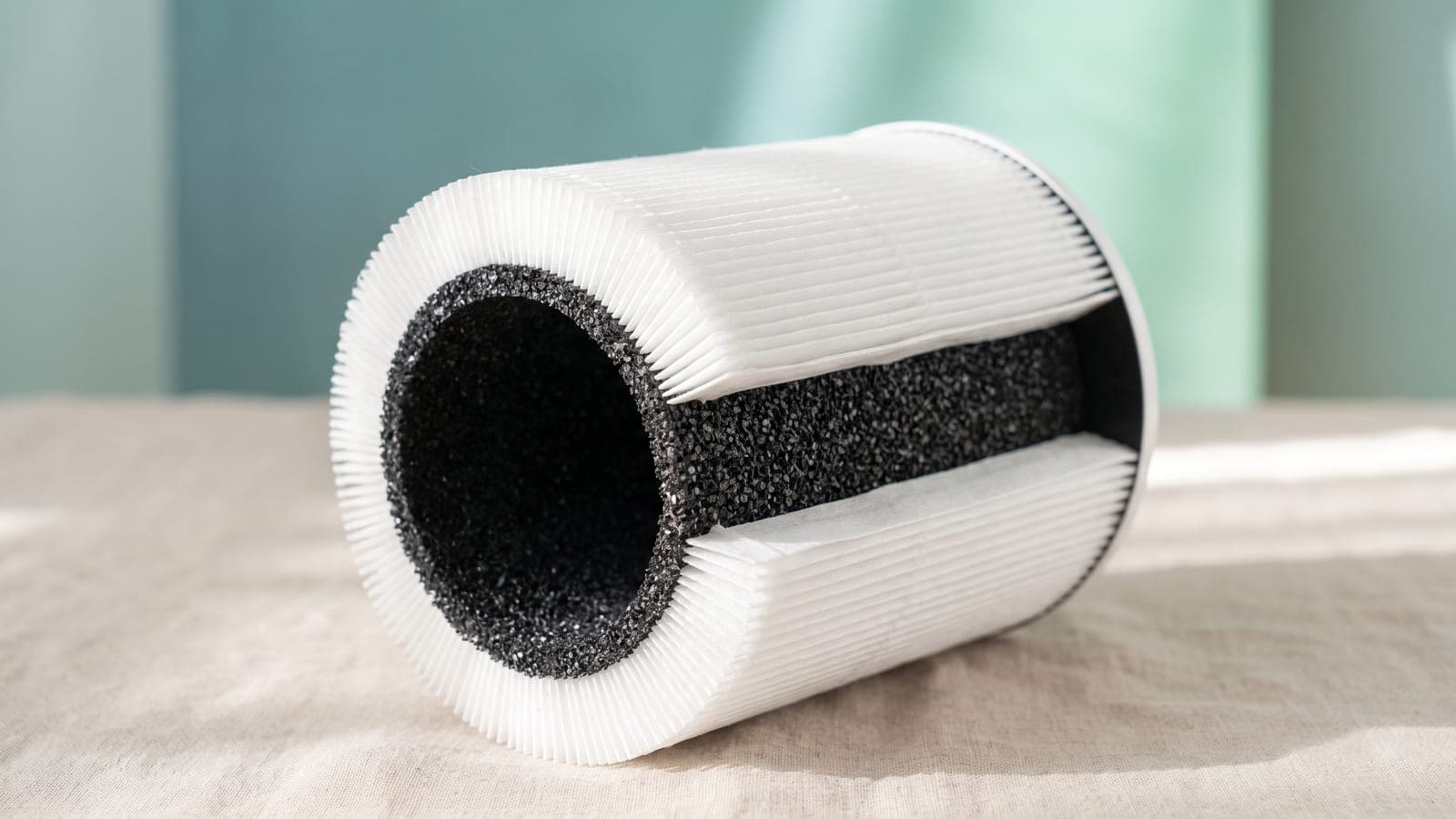
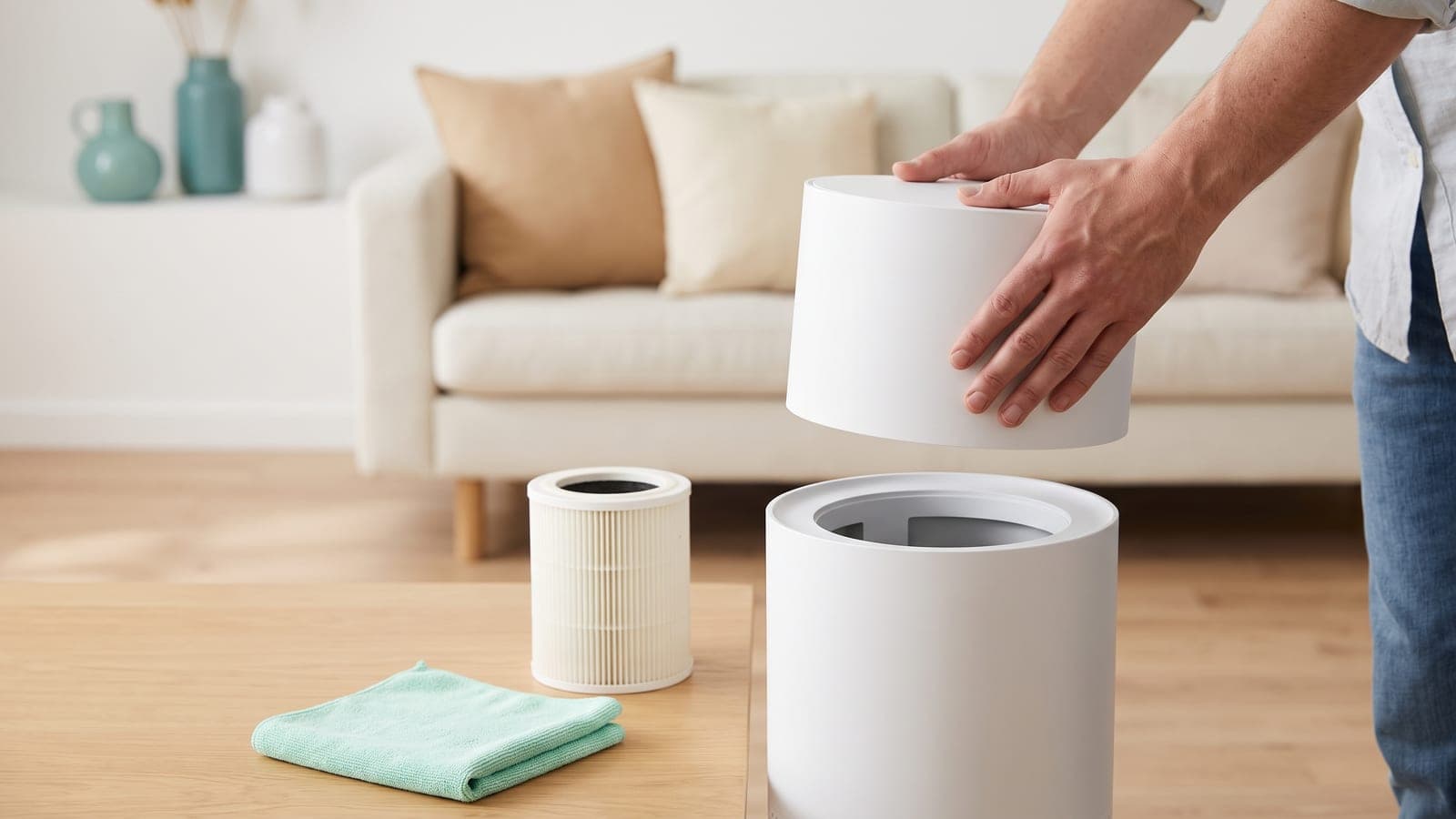
Third — after you've cut sources and ventilated. A well-sized True HEPA air purifier captures the airborne particles that source control and ventilation leave behind: the dust, pollen, dander, mold spores, and smoke particulate still floating in the room. Add an activated carbon stage and it also reduces some gases and odors that HEPA alone passes straight through.
The key is honesty about what a purifier can and can't do. It handles airborne particles extremely well when sized to the room, and it's a genuinely useful layer — the EPA points to portable air cleaners as a helpful supplement, especially during smoke events. But it won't fix a moisture source, won't remove particles already settled into carpet and bedding, and does nothing for carbon monoxide or radon. It's the finishing layer, not a substitute for the first two. Understanding what PM2.5 is and why it matters helps explain exactly what the filter is catching.
Which fix works for which pollutant?
Different pollutants have different best answers. Here's how the common ones map to their main source and the fix that actually moves the needle:
| Pollutant | Main source | Best fix |
|---|---|---|
| Fine particulate (PM2.5) | Cooking, smoke, combustion | Vent cooking; ventilate; True HEPA purifier |
| Tobacco smoke | Indoor smoking | Don't smoke indoors (source control) — nothing else comes close |
| Pollen & dust | Outdoors tracked in, shed indoors | Doormats, cleaning, ventilation timing; HEPA purifier |
| Pet dander | Pets | Cleaning and grooming; HEPA purifier for airborne dander |
| Mold spores | Dampness, leaks, high humidity | Fix moisture and humidity first; purifier only captures airborne spores |
| VOCs & odors | Paints, furnishings, cleaners | Low-VOC products, ventilation; carbon-stage purifier for what remains |
| Carbon monoxide | Combustion appliances, attached garage | CO detector and repair — an air purifier does NOT remove it |
| Radon | Soil gas entering the home | Radon testing and mitigation — not a filtration issue |
The pattern is worth internalizing: for most pollutants the first fix is source control or moisture control, with the purifier as backup — and for CO and radon, a purifier isn't the answer at all.
What about moisture, mold, and humidity?
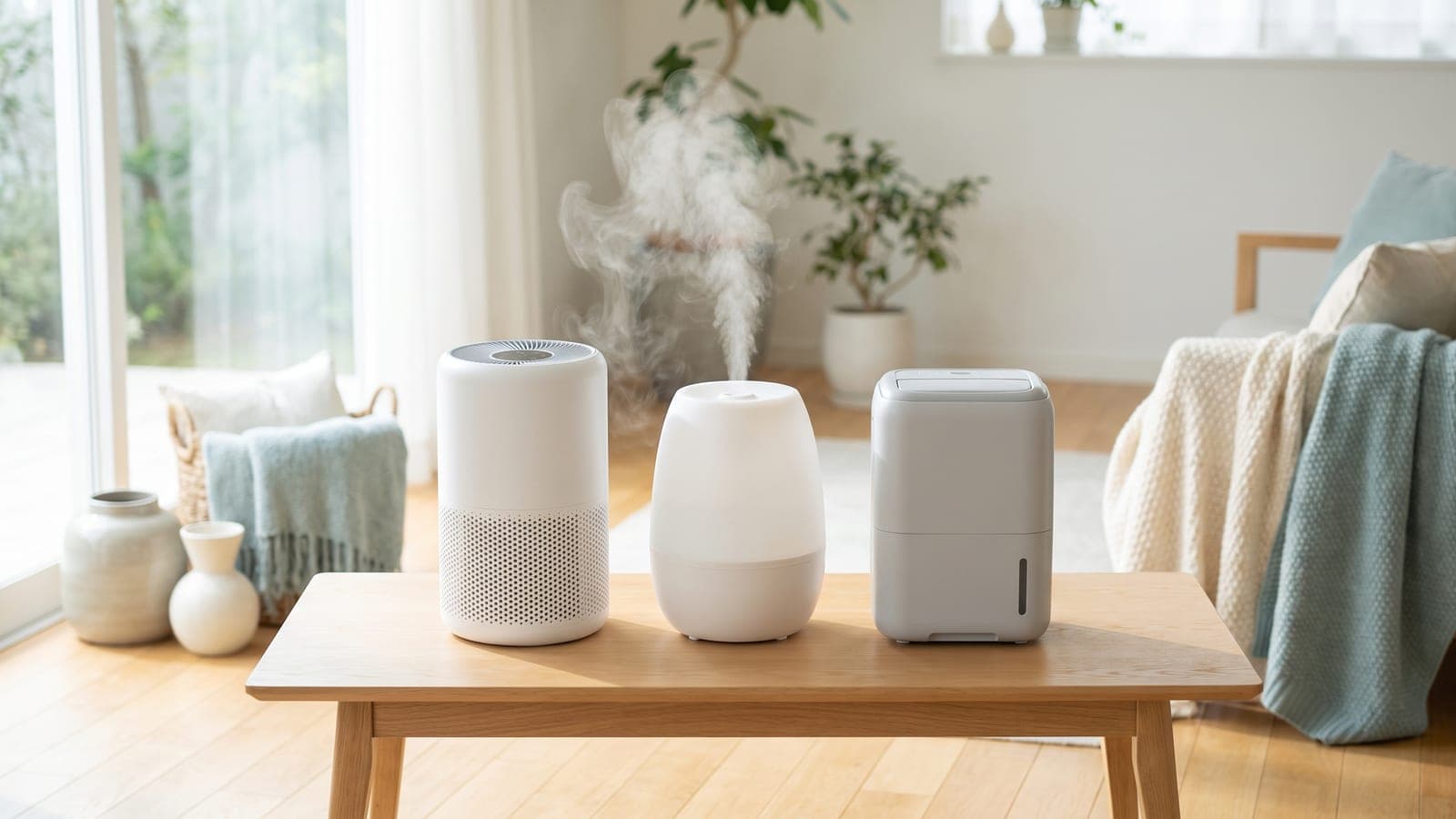
Moisture deserves its own step because it drives two problems at once. High humidity feeds mold and dust mites, both significant indoor pollutants, so keeping indoor humidity in a moderate range — the EPA generally points to roughly 30–50% — removes the condition they need to thrive. That means fixing leaks promptly, running bathroom and kitchen exhaust fans, and using a dehumidifier in damp basements or humid climates.
This is squarely a source-control job, and it's one a purifier can't do for you. An air purifier with True HEPA can capture some mold spores already airborne, but it will never dry out a damp basement or remove mold growing on a wall — the growth simply keeps producing more spores until you address the dampness. Fix the moisture first; treat the purifier as cleanup for what's already in the air, not the cure.
How do you put it all together?
Layer the three steps rather than betting on one. Start by cutting sources: no indoor smoking, vent your cooking, control humidity and fix leaks, choose low-VOC products, and add doormats. Then ventilate when outdoor air is good and seal up when it isn't. Finally, add a well-sized True HEPA purifier (with carbon if odors or VOCs are a concern) in the rooms where you spend the most time, running continuously. And install the safety detectors — carbon monoxide and radon — that no filter can replace.
The filtration layer is the one most people shop for, so it pays to size it correctly to the room. The quickest way to land on a unit that fits your space and your main concern is the air purifier finder; if allergies are your driver, our best air purifiers for allergies roundup narrows it further. For the full picture on sources, ventilation, and health effects, the EPA's indoor air quality guidance at epa.gov/indoor-air-quality-iaq is the authoritative reference — and for any symptoms you're worried about, talk to a doctor.
Frequently asked questions
What's the most effective way to reduce indoor air pollution?
Source control first. The EPA calls eliminating or reducing pollution sources the most effective strategy — things like not smoking indoors, venting cooking and combustion, controlling moisture, and choosing low-VOC products. Ventilation and air filtration then handle what's left. No single device substitutes for cutting the sources.
Do air purifiers reduce indoor air pollution?
Yes, for airborne particles. A well-sized True HEPA purifier measurably lowers dust, pollen, dander, and smoke particulate, and with carbon it reduces some gases and odors. But it's the third layer, not the first — it works best on top of source control and ventilation, and it can't fix a moisture source or remove carbon monoxide.
What are the biggest sources of indoor air pollution?
Common ones include tobacco smoke, cooking and combustion appliances, dampness and mold, building materials and furnishings that off-gas VOCs, cleaning and personal-care products, dust, and pet dander. Some homes also have radon or carbon monoxide, which are serious and need dedicated detectors, not an air purifier.
Can opening windows really improve indoor air quality?
Often yes. Ventilation dilutes indoor pollutants with outdoor air, which is why the EPA lists it as a core strategy. The exception is when outdoor air is worse — during wildfire smoke or high-pollution days — when you should keep windows closed and rely on filtration instead. Balance ventilation against outdoor conditions.
How do I reduce VOCs and chemical smells at home?
Cut the source by choosing low-VOC paints, finishes, and cleaning products, and ventilate well when using them or bringing in new furniture that off-gasses. An air purifier with an activated carbon stage can reduce some VOCs and odors already in the air, but source control and ventilation do the heavy lifting. HEPA alone doesn't remove gases.
Is indoor air really more polluted than outdoor air?
It can be. The EPA notes that indoor levels of some pollutants are often higher than outdoors, partly because sources are concentrated and air is trapped inside. Since most people spend the majority of their time indoors, indoor air quality matters a lot — which is why the source-ventilate-filter approach is worth the effort.