Yes — air purifiers work, but with an important qualifier: they work on airborne particles, and only when the unit is powerful enough for the room. A correctly sized True HEPA purifier measurably reduces dust, pollen, pet dander, mold spores, and smoke particulate. What separates a purifier that works from one that just hums in the corner isn't the brand — it's whether its clean-air output matches the space.
Key takeaways
- Yes, for particles. A well-sized True HEPA unit demonstrably lowers airborne dust, pollen, dander, and smoke — the EPA notes portable air cleaners can help improve indoor air.
- Sizing is everything. An underpowered purifier "runs" without meaningfully cleaning the room.
- They don't remove gases without activated carbon, and they can't touch allergens already settled in carpet or bedding.
- They don't fix sources — mold, moisture, carbon monoxide, or radon need their own solutions, not a filter.
- A purifier is a supplement to ventilation and cleaning, not a replacement.
What do air purifiers actually do well?
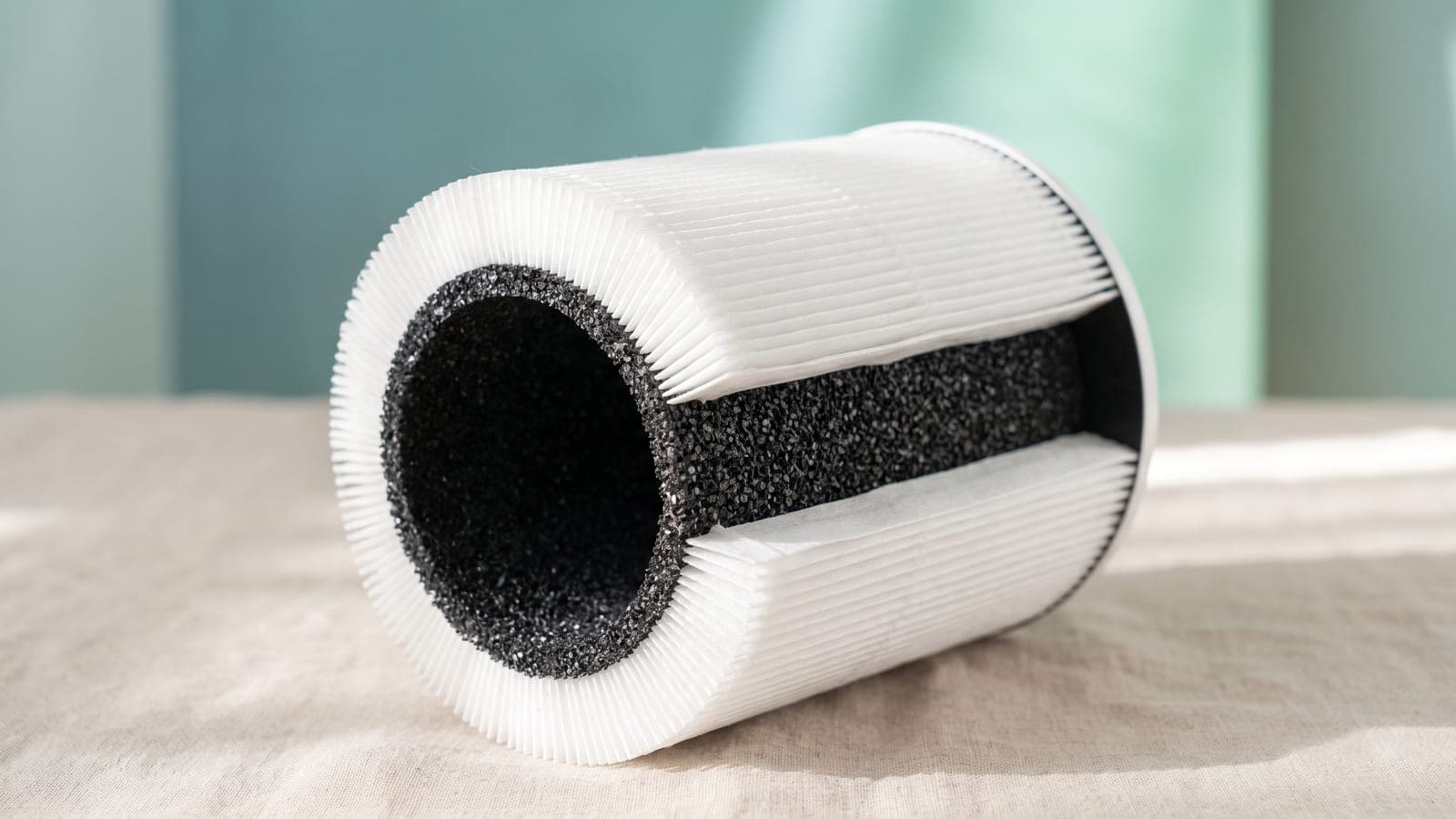
Their core job is straightforward and effective: pull room air through a filter, trap the particles, and push clean air back out. A genuine True HEPA filter captures 99.97% of particles at 0.3 microns, which covers most of what floats around a home — pollen, fine dust, pet dander, mold spores, and the particulate in wildfire and cooking smoke.
Run one continuously in a room and the airborne particle count drops and stays down, because the purifier removes particles faster than they accumulate. This is why the EPA and public-health guidance point to portable air cleaners as a useful tool for improving indoor air, especially during smoke events or high-pollen stretches. The benefit is real and repeatable — it isn't a placebo hum.
Why does sizing decide whether it works?
Here's the part the marketing glosses over. A purifier's effect depends almost entirely on its CADR relative to your room. Move enough clean air and the particle load falls; move too little and new dust and pollen outpace the filter, so the number in the air barely budges.
The standard target is four to five air changes per hour — the room's full air volume cleaned four or five times every hour. AHAM's rule of thumb gets you there: a smoke or dust CADR of at least two-thirds of the room's square footage. A tiny unit rated for a nightstand, set in a large living room, technically works — it just can't keep up. Before buying, run your space through the room size calculator so the CADR actually matches the room. Get sizing right and "do air purifiers work?" answers itself.
What can't an air purifier do?
Being honest about the limits is what keeps expectations sane. Here's the split:
| Air purifiers handle this | Air purifiers can't handle this |
|---|---|
| Airborne dust, pollen, dander | Allergens settled in carpet or bedding |
| Smoke and mold particles in the air | The source of mold or moisture |
| Fine particulate (PM2.5) | Gases and VOCs (without carbon) |
| Ongoing particle removal | Carbon monoxide and radon |
A few of these deserve emphasis. Purifiers only clean air that reaches them, so anything that has already settled into soft furnishings stays put until you vacuum or wash it. They can't reach the source of a problem — spores in the air might drop, but mold on the wall keeps producing more until you fix the dampness. And crucially, they are not safety devices for dangerous gases: a HEPA purifier does nothing for carbon monoxide or radon, which need dedicated detectors and mitigation.
Do air purifiers remove odors, smoke smell, and gases?
Partly, and only with the right filter. A HEPA filter captures the particles in smoke — but the lingering smell is gas, and gases pass straight through HEPA. To reduce odors, cooking smells, and VOCs you need an activated carbon stage working alongside the HEPA.
That's why the units on our best air purifiers for smoke list all pair True HEPA with a meaningful amount of carbon: HEPA for the visible haze, carbon for the smell that hangs around after. A HEPA-only purifier will clear the smoke particulate and still leave the room smelling faintly of a campfire.
Are air purifiers a substitute for ventilation and cleaning?
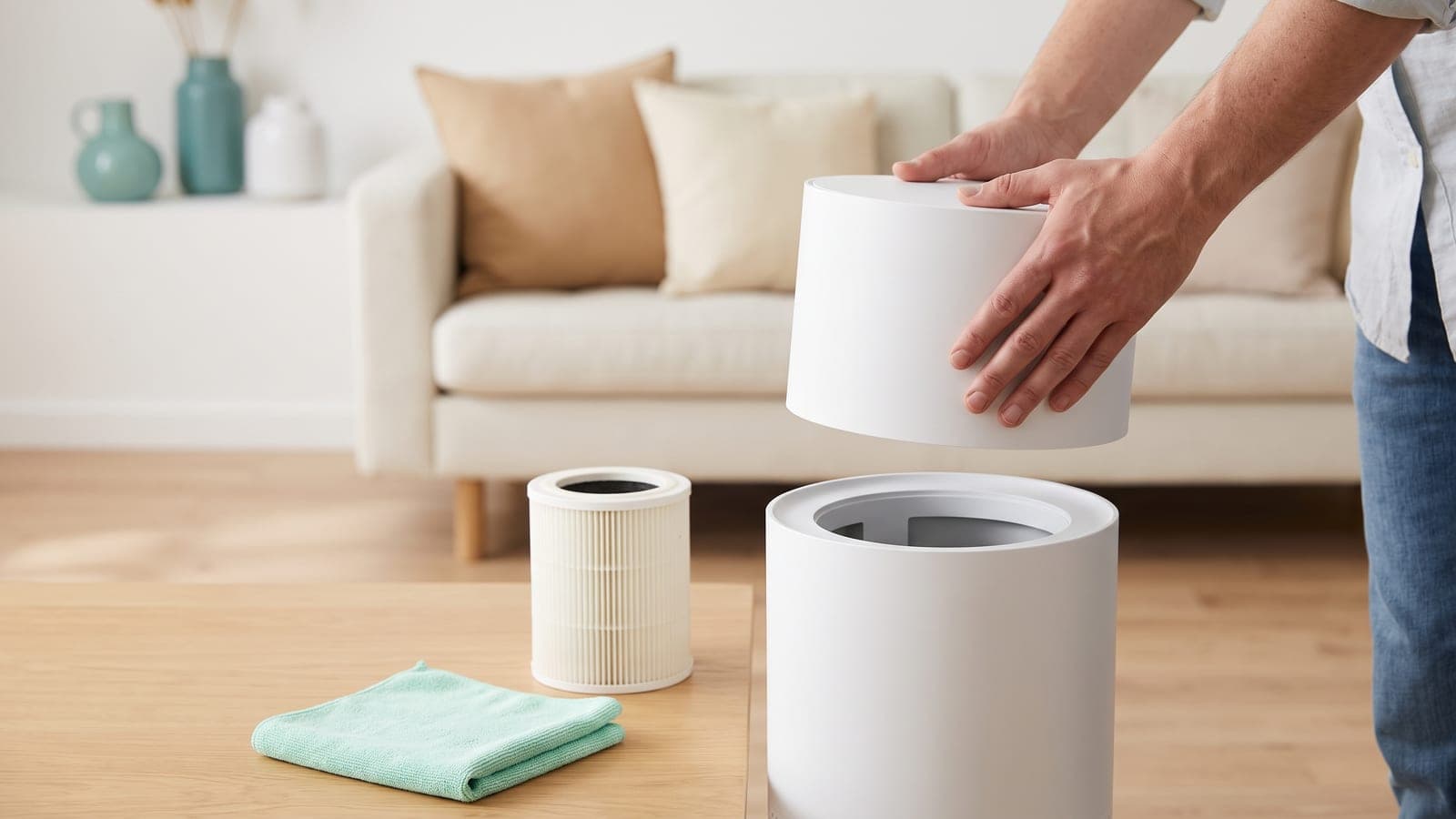
No, and it helps to think of a purifier as one layer in a stack. Fresh-air ventilation dilutes indoor pollutants and brings in oxygen; cleaning removes the settled dust and dander a filter can't reach; controlling humidity keeps mold and dust mites in check. A purifier handles the airborne particle layer that those other steps miss between cleanings.
Used that way — a well-sized True HEPA unit running continuously in the room where you spend the most time, on top of normal ventilation and cleaning — air purifiers absolutely earn their place. The people who conclude they "don't work" have almost always bought one too small for the room, expected it to fix smells with no carbon, or hoped it would solve a mold or moisture problem it was never built to touch.
Frequently asked questions
Do air purifiers really work?
Yes, for airborne particles. A correctly sized True HEPA purifier measurably reduces dust, pollen, pet dander, mold spores, and smoke particulate in a room. The effect is well documented. The catch is sizing — a purifier too weak for the room does very little.
Do air purifiers help with allergies and asthma?
They can. By lowering the airborne allergen load — pollen, dust mite debris, dander — a well-sized True HEPA purifier reduces one of the triggers people react to. It won't reach allergens settled in carpet or bedding, so pair it with cleaning.
Do air purifiers remove smells and gases?
Not with HEPA alone. HEPA captures particles, not gases. To reduce odors, cooking smells, or VOCs you need an activated carbon stage in addition to the HEPA filter.
Can an air purifier fix mold in my house?
No. A purifier can capture some airborne mold spores, but it can't remove mold growing on surfaces or fix the moisture feeding it. You have to address the source — the leak, humidity, or dampness — first.
How do I know if my air purifier is actually working?
The clearest sign is sizing: check that its CADR meets the rule of thumb for your room. Many units also have an air-quality sensor that ramps the fan up when particle levels rise, which is direct feedback that it's detecting and responding to pollution.