To prepare your home for allergy season, the goal is simple: keep pollen out, capture what sneaks in, and stop re-introducing it. That means closing windows during high-pollen stretches, running a HEPA air purifier in the bedroom 24/7, changing your filters before the season peaks, and cutting the pollen you track in on shoes, clothes, and hair. None of it treats the allergy itself — that's a conversation for your doctor — but together these steps meaningfully lower the allergen load in the rooms where you spend the most time. Here's a practical, room-by-room plan to get ahead of the season.
Key takeaways
- Get ahead of the peak — prep a week or two before local pollen counts climb so your filters are fresh and your purifier is already running.
- Keep windows closed during high-pollen stretches and use AC instead; ventilate only when counts are low.
- Run a HEPA purifier in the bedroom 24/7 — continuous operation keeps allergen levels from rebuilding.
- Change filters more often during the season, both the purifier's and your HVAC's, since they load up faster.
- Cut tracked-in pollen with doormats, shoes-off, and showering before bed. An air purifier isn't a treatment — for symptoms, talk to a doctor.
When should you start preparing?
Before the pollen does. Allergy seasons are predictable enough to plan around: tree pollen tends to surge in early spring, grass pollen in late spring and summer, and ragweed in late summer into fall. Watching your local pollen forecast and starting a week or two before counts trend upward means your defenses are already in place when the outdoor load spikes, rather than scrambling once symptoms hit.
Getting ahead matters because pollen that settles indoors keeps affecting you long after the outdoor count drops for the day. If your purifier is running and your filters are fresh before the season, indoor levels never get a chance to build. The prep is front-loaded — a bit of setup now saves weeks of reactive misery later.
Why keep the windows closed?
Because open windows are the single biggest way pollen gets inside. On a breezy spring day, an open window lets pollen drift straight in and settle on bedding, floors, and furniture, turning your home into a reservoir that doses you even after you close up. Allergists consistently recommend keeping windows closed during high-pollen stretches and running air conditioning instead, which cools without importing outdoor air.
If you crave fresh air, timing helps: pollen counts are often lower in the early morning and right after rain, so a brief airing then does less damage than midday when counts peak and the air is dry and breezy. But during the worst stretches, the honest move is to stay sealed and let filtration handle the indoor air. This is the same logic as wildfire smoke season — when the air outside is the problem, you close up and filter.
How should you use an air purifier during allergy season?
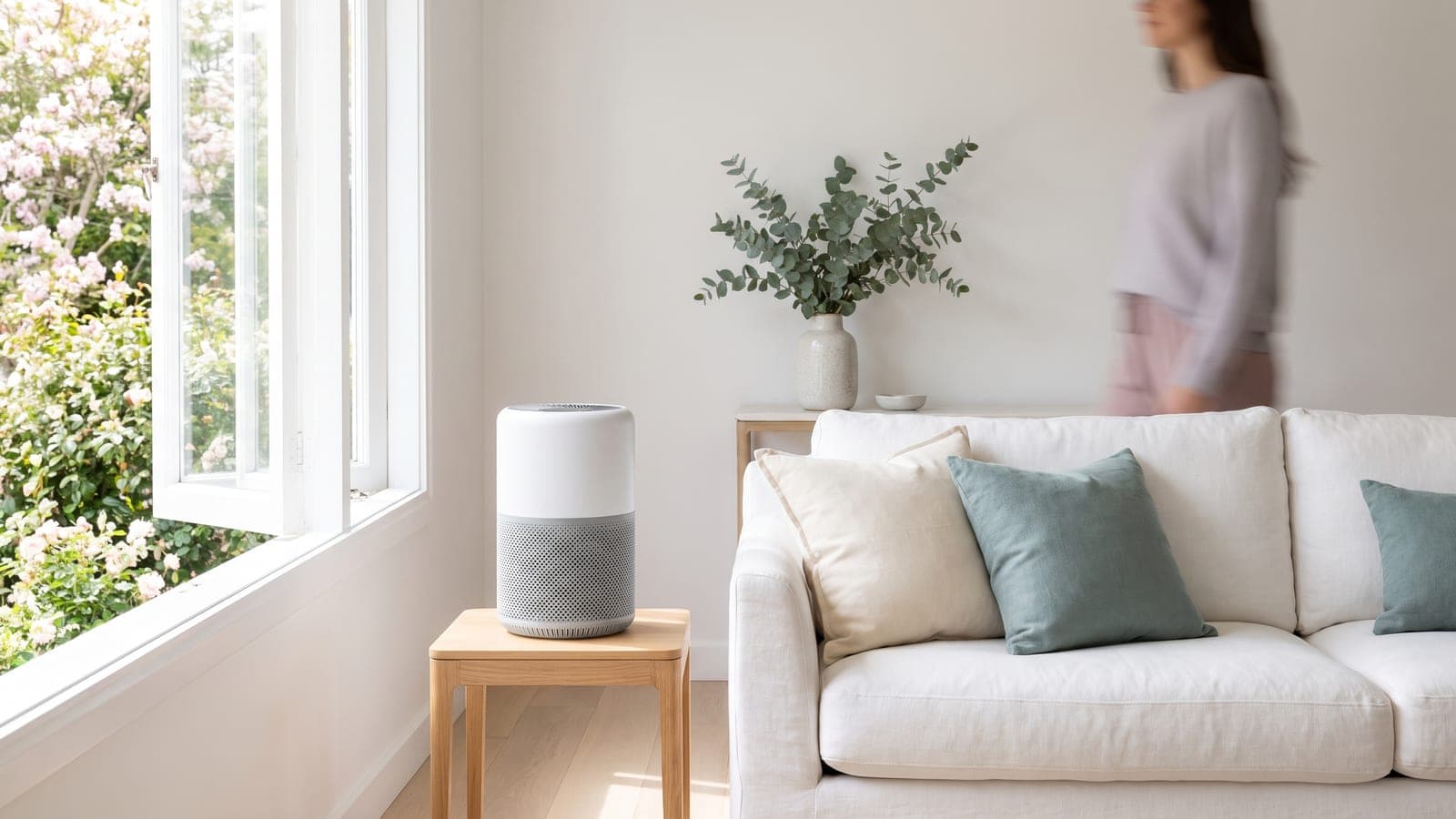
Continuously, and in the right room. A True HEPA air purifier captures airborne pollen and dander extremely well, but allergens are re-introduced constantly — every time you move around, open a door, or a pet walks through. So the purifier only keeps levels low if it runs 24/7, not in occasional bursts. Set it on a quiet low or medium setting for around-the-clock operation and bump it to high after you've stirred things up.
The bedroom is the priority, because you spend roughly a third of your day there breathing that air uninterrupted for hours. Size the unit to the bedroom's square footage so it turns the air over several times an hour, and place it where airflow isn't blocked by furniture. For more on runtime strategy, see our guide on how long you should run an air purifier; to pick a unit sized to your room, the air purifier finder and our best air purifiers for allergies roundup both help.
Which task happens when?
Allergy prep is part one-time setup and part ongoing habit. Here's how the tasks map to their timing so nothing slips:
| Task | When to do it |
|---|---|
| Replace HVAC and purifier filters | Before the season starts, then more often during it |
| Start running the bedroom HEPA purifier | A week or two before local counts climb — then keep it on 24/7 |
| Keep windows closed / switch to AC | Whenever pollen counts are high (most of the season) |
| Wipe down hard surfaces & dust with a damp cloth | Weekly during the season — dry dusting just relaunches pollen |
| Wash bedding in hot water | Weekly during peak season |
| Shower & change clothes after being outdoors | Daily, especially before bed |
| Vacuum with a HEPA-filter vacuum | Twice a week during peak; more with pets |
| Check the pollen forecast | Daily during the season, to time any ventilation |
The split is worth noticing: a couple of tasks are set-and-forget, but the ones that matter most — running the purifier, cleaning, and post-outdoor hygiene — are habits you keep up through the whole season.
How do you stop tracking pollen indoors?
By intercepting it at the door and on your body. Pollen is sticky and travels on everything: it clings to shoes, coats, hair, and pet fur, then gets deposited all over the house. A few cheap habits cut this dramatically. Put doormats at every entry (and use them), adopt a shoes-off rule inside, and keep outerwear near the door rather than carrying it into the bedroom.
The most valuable habit is what you do at the end of the day: shower and change out of outdoor clothes before bed. Otherwise you carry a full day's pollen onto your pillow and breathe it all night in the room you worked hardest to keep clean. Wiping down pets after they've been outside helps too, since fur is a pollen magnet. These steps cost nothing and protect the bedroom, which is where the purifier and your sleep both live.
What about cleaning and filters?
Clean smarter, and clean more often. During allergy season, pollen and dust settle continuously, so weekly cleaning keeps the reservoir low. Use a damp cloth on hard surfaces rather than a dry duster, which just relaunches particles into the air, and vacuum with a HEPA-filter vacuum so you're capturing fine particles instead of blowing them around. Wash bedding weekly in hot water to knock down both pollen and dust mites.
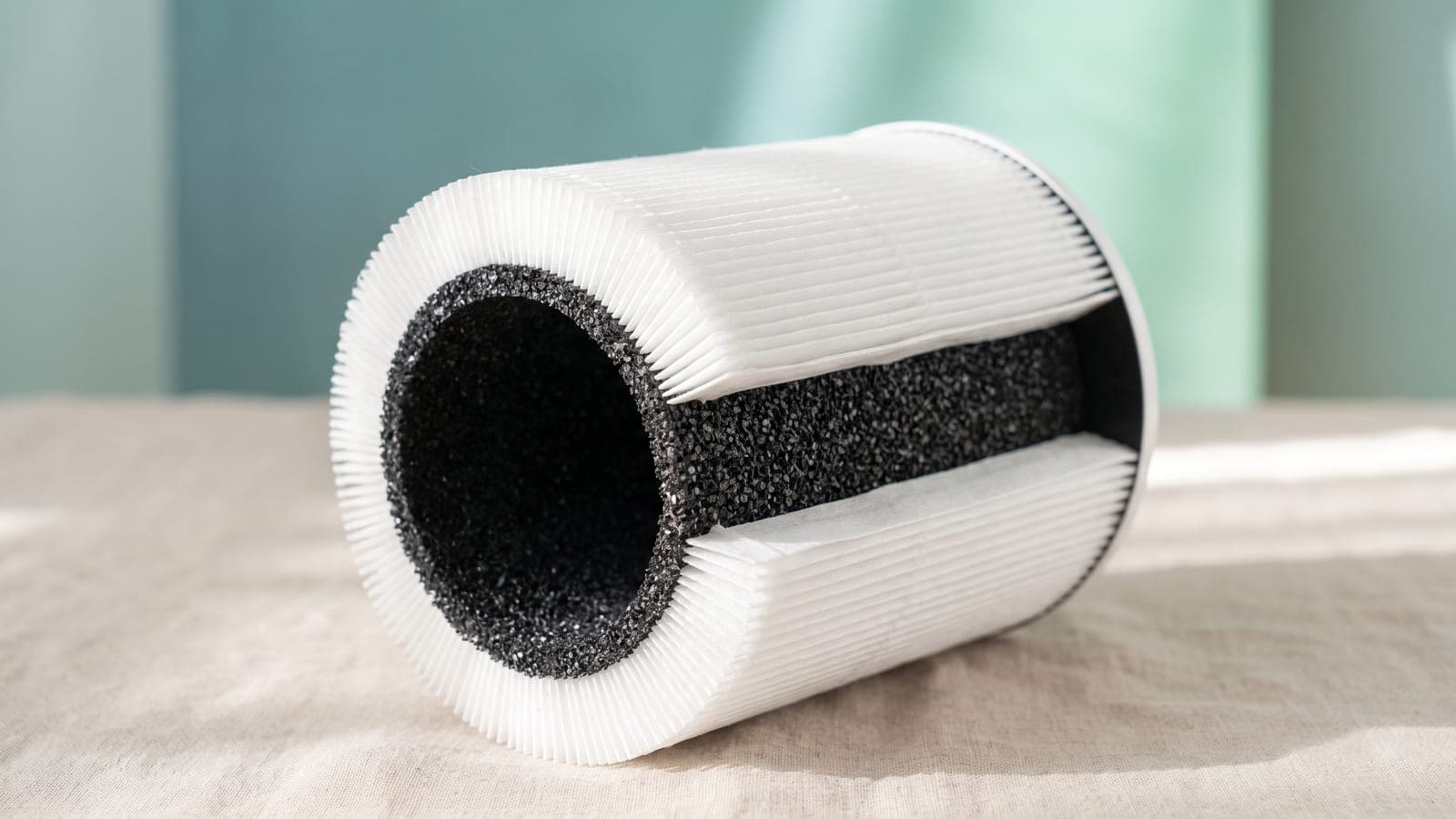
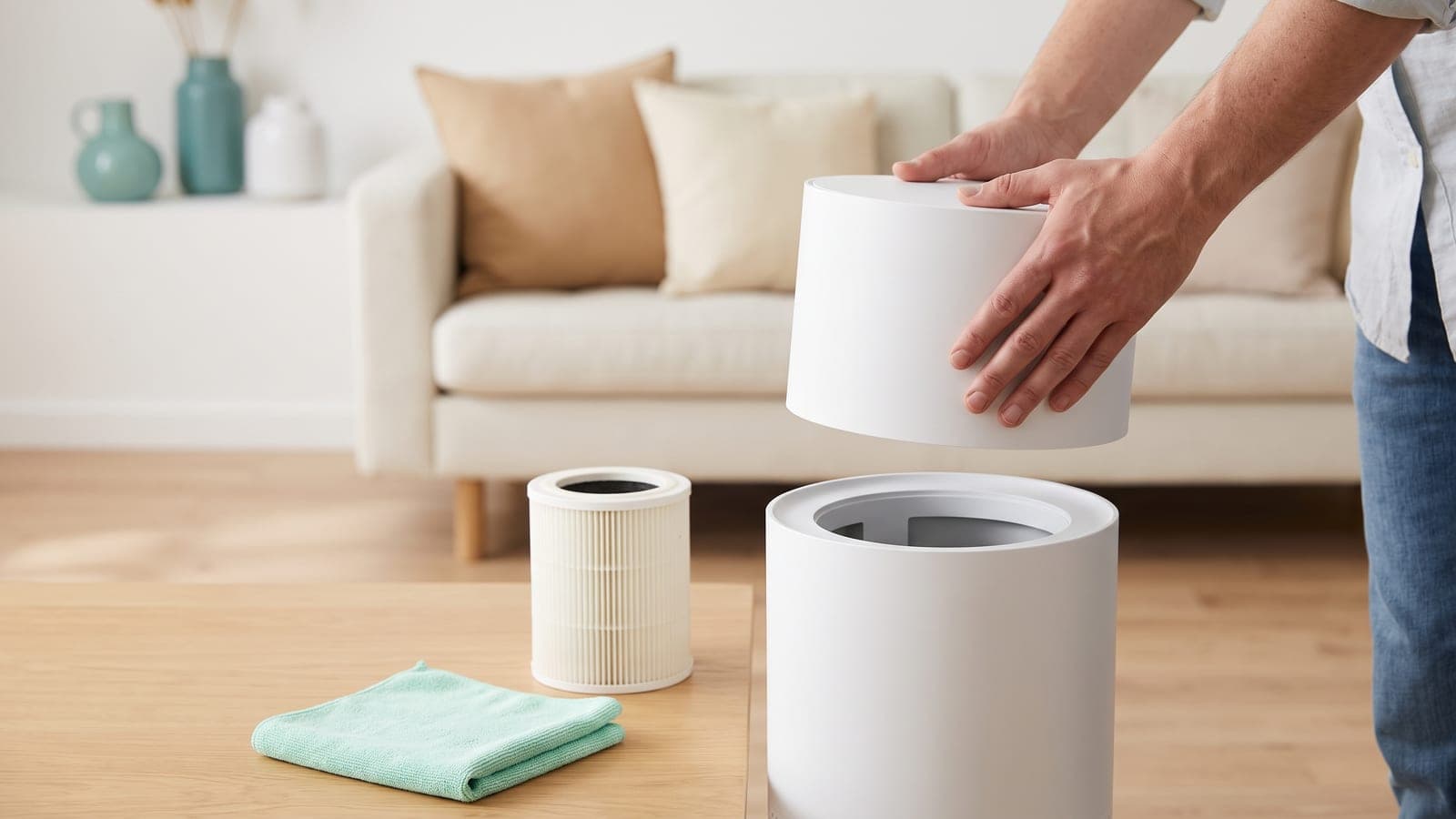
Filters deserve special attention because they clog faster under a heavy allergen load. Check your purifier's HEPA filter on the manufacturer's schedule but expect to replace it sooner during peak pollen, and swap or clean your HVAC filter roughly every one to three months. A loaded filter moves less air and captures less, quietly undercutting everything else you're doing. Our guide on how often to replace your air purifier filter covers the signs to watch for.
How do you put the whole plan together?
Sequence it: prep, then maintain. In the setup phase, replace filters, position a right-sized HEPA purifier in the bedroom, and set it running 24/7 before counts climb. Then, through the season, keep windows closed and use AC, clean weekly with damp cloths and a HEPA vacuum, wash bedding in hot water, and build the post-outdoor routine of shoes off, clothes changed, and a shower before bed. Check the pollen forecast daily so any ventilation happens when counts are low.
The centerpiece most people shop for is the bedroom purifier, so size it correctly to the room — an undersized unit can't keep up with a heavy pollen load. The quickest way to find one that fits is the air purifier finder, and for units chosen specifically with allergens in mind, see our best air purifiers for allergies roundup. Remember that a purifier reduces airborne allergens but doesn't treat the underlying allergy — for persistent or severe symptoms, talk to a doctor.
Frequently asked questions
When should I start preparing my home for allergy season?
A week or two before pollen counts climb in your area, which for tree pollen is often early spring and for ragweed is late summer. Getting ahead means your filters are fresh and your purifier is already running before the outdoor load spikes, so pollen never gets a foothold indoors. Check local pollen forecasts and start when they begin trending up.
Should I run my air purifier all day during allergy season?
Yes — continuous operation is the point. Pollen and dander are re-introduced constantly, so a purifier that runs 24/7 keeps levels low instead of letting them rebuild every time it's off. Run it on a quiet low or medium setting around the clock, and bump it to high after you open a door or do something that stirs particles up. The bedroom is the priority.
Does keeping windows closed really help with allergies?
It's one of the most effective steps. Open windows let pollen drift straight in and settle on every surface, which is why allergists recommend keeping them closed during high-pollen stretches and using air conditioning instead. If you need fresh air, ventilate in the early morning or after rain when counts are typically lower, then close up as the day warms.
How often should I change filters during allergy season?
More often than the rest of the year, because they load up faster. Check your HEPA purifier filter on the manufacturer's schedule but expect to replace it sooner during heavy pollen, and swap or clean your HVAC filter roughly every one to three months. A clogged filter moves less air and cleans less, so a fresh one during peak season pays off.
Can an air purifier cure my allergies?
No. An air purifier reduces airborne allergens like pollen and dander, which can ease symptoms for some people, but it doesn't treat the underlying allergy and isn't a medical device. It's one helpful layer alongside closed windows, cleaning, and avoiding tracked-in pollen. For persistent or severe symptoms, talk to a doctor about testing and treatment.
What should I do after coming inside during allergy season?
Pollen rides in on your hair, skin, and clothes. Changing out of outdoor clothes and showering before bed keeps it off your pillow, where it would otherwise dose you all night. Leaving shoes at the door and using doormats cuts what gets tracked in on the floor. These small habits keep your cleanest room — the bedroom — genuinely clean.