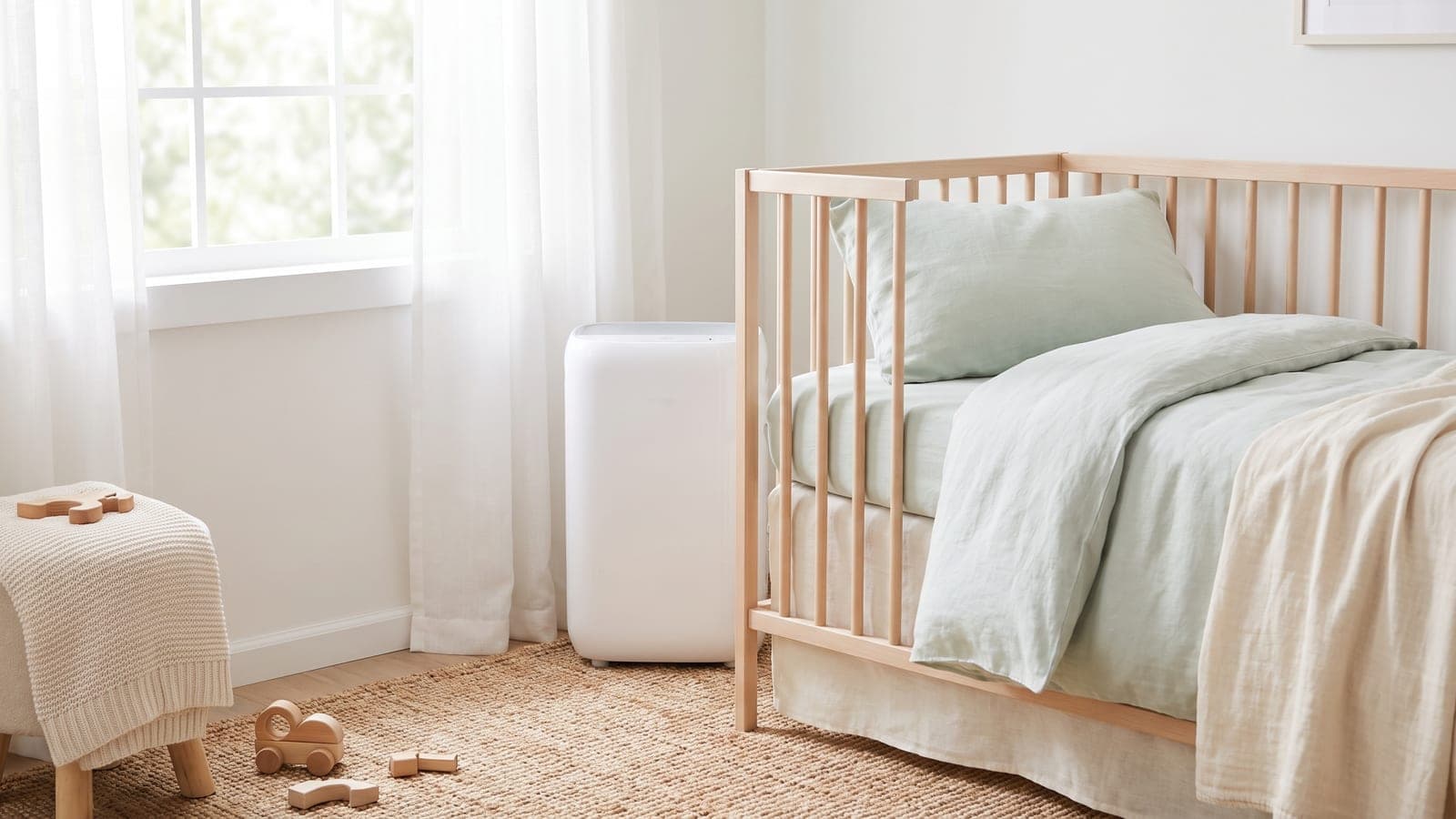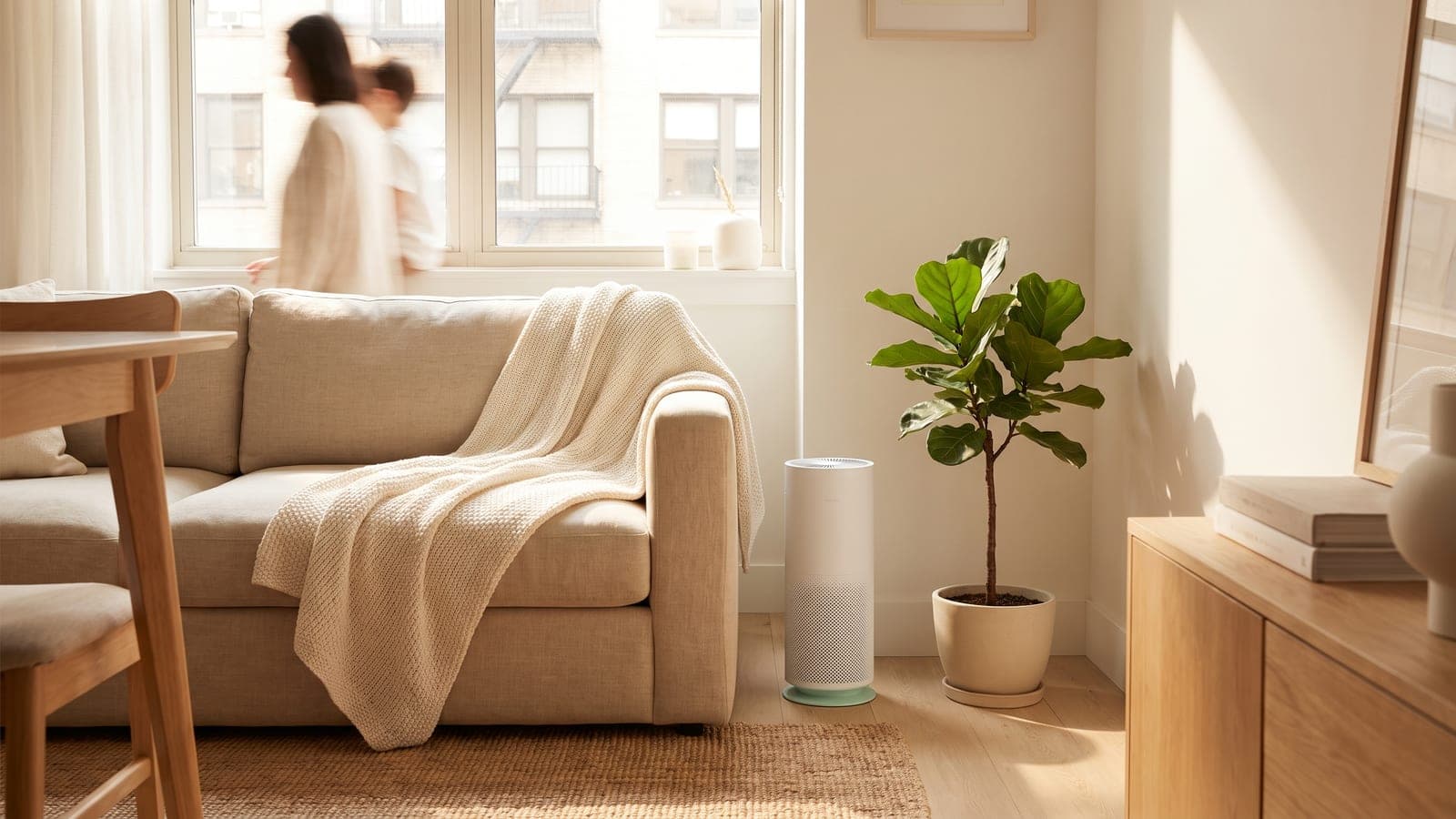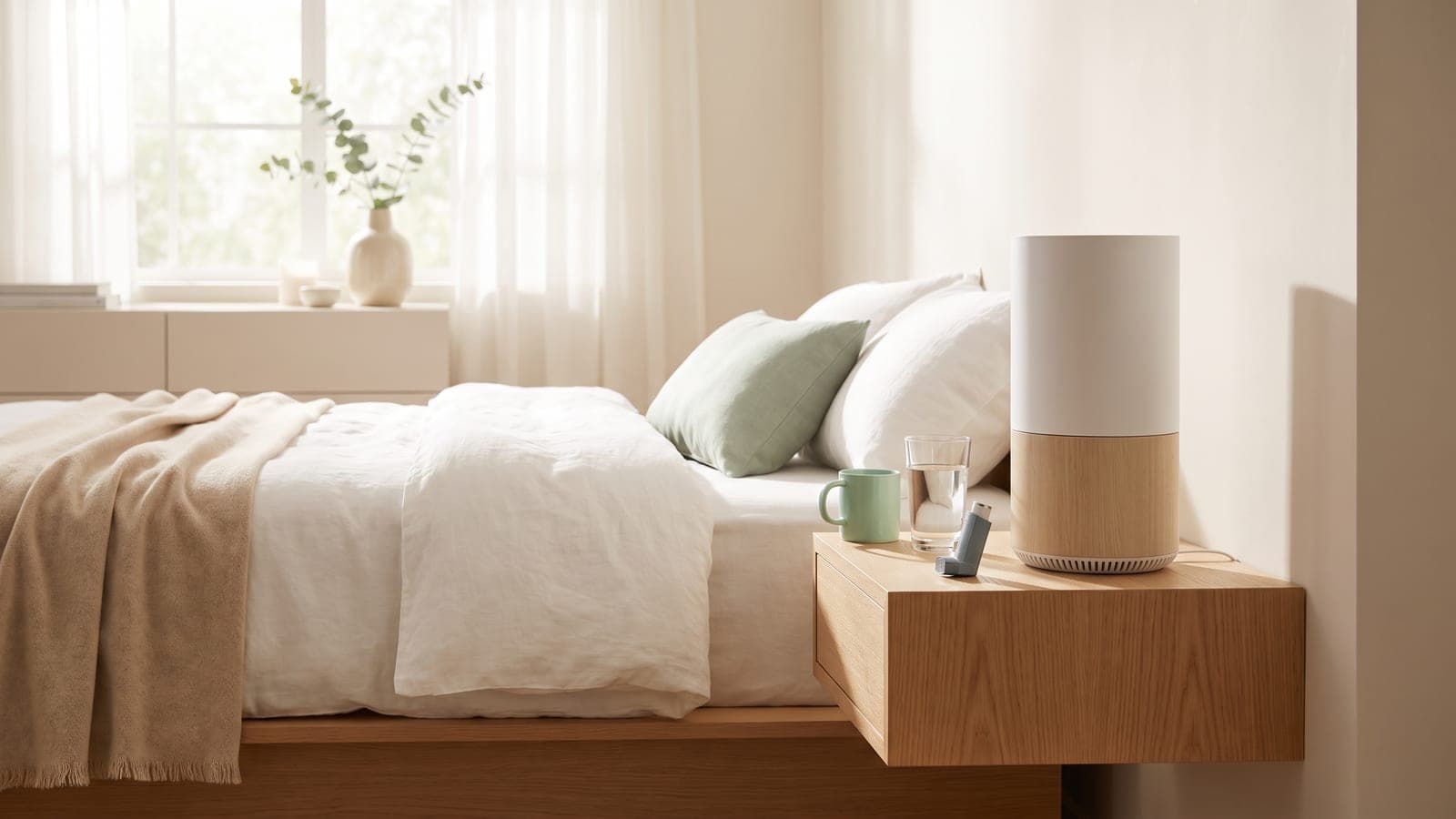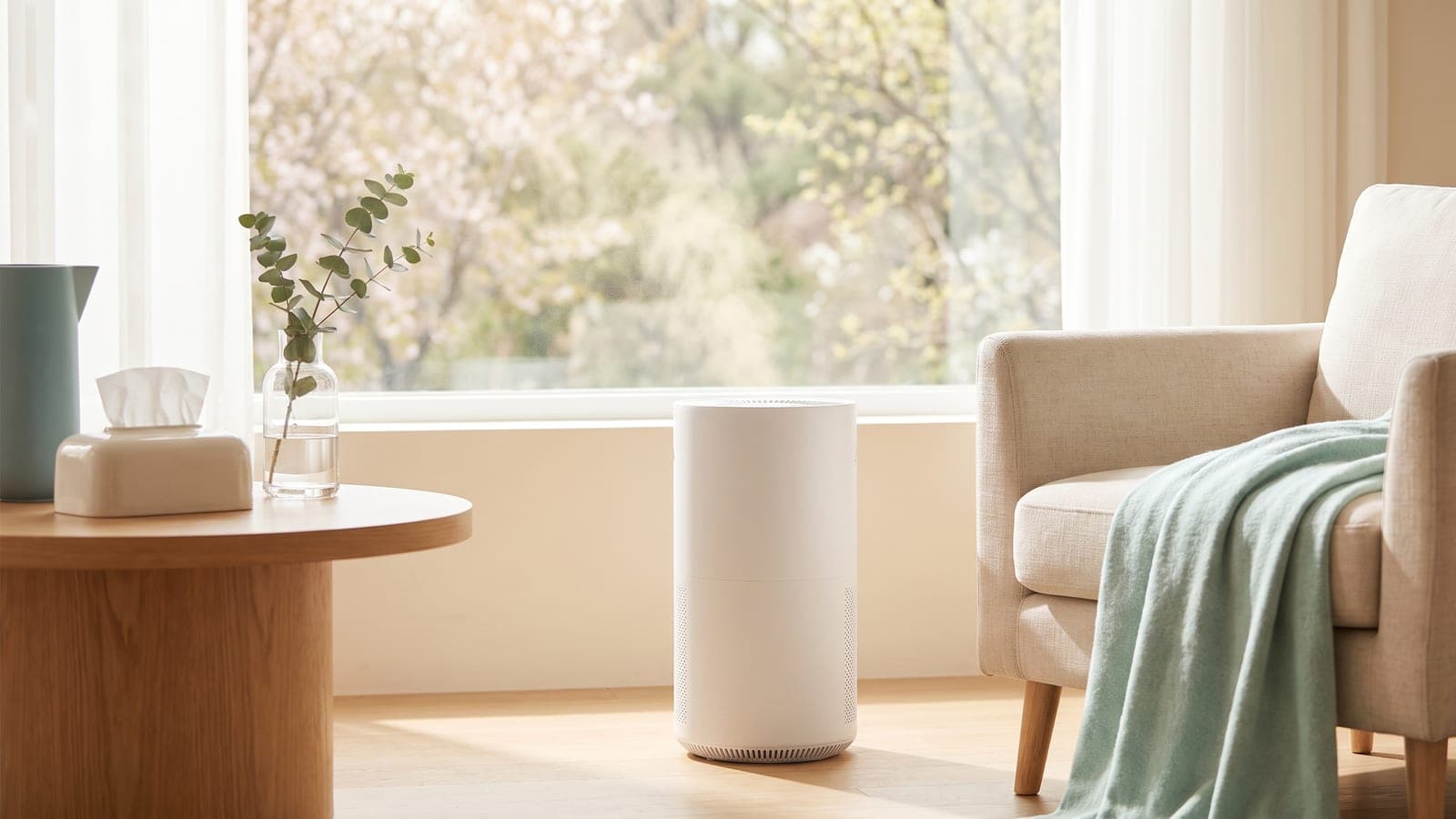
Allergies are the number-one reason people buy an air purifier, and the requirements are simple: a filter that traps fine particles, enough clean-air output for your room, and replacement filters cheap enough that you'll actually change them. The short version: buy the Coway Airmega Mighty2 for a bedroom or mid-size room, the Levoit Vital 200S-P if a dog or cat is behind the sneezing, and the Blueair Blue Pure 211i Max if the problem room is big and open. The full list runs from a $100 bedroom unit to a HyperHEPA machine, and each pick links to its research-based review.
Quick answer
| Model | CADR (smoke) | Coverage | Filters/yr | Best for |
|---|---|---|---|---|
| Coway Airmega Mighty2 | 240 CFM | 372 sq ft | ~$70 | Best overall |
| Levoit Core 300S | 141 CFM | 219 sq ft | ~$45–$60 | Budget bedroom |
| Levoit Vital 200S-P | 250 CFM | 388 sq ft | ~$50 (more with pets) | Pet dander + app |
| Blueair Blue Pure 211i Max | 435 CFM | 674 sq ft | ~$93–$140 | Large rooms |
| Coway Airmega 400 | 328 CFM | ~508 sq ft | ~$129 | Large room, no ionizer |
| IQAir HealthPro Plus | — | 1,125 sq ft | ~$200 | Severe sensitivity |
Coverage is the smoke CADR × 1.55, the room size each unit can turn over about 4.8 times an hour at 8 ft ceilings. IQAir rates its HyperHEPA media rather than publishing an AHAM CADR, so its figure is IQAir's own.
Key takeaways
- Fine-particle filtration is non-negotiable for allergies. True HEPA captures 99.97% of particles at 0.3 microns, which covers pollen, dust mite debris, and dander. Avoid vague "HEPA-type" filters that come with no measured CADR.
- Size by CADR, not by a vague coverage claim: aim for four to five air changes per hour in the room you'll use it in.
- The bedroom is the highest-value spot — clean air while you sleep does the most for morning symptoms.
Best overall for allergies: Coway Airmega Mighty2
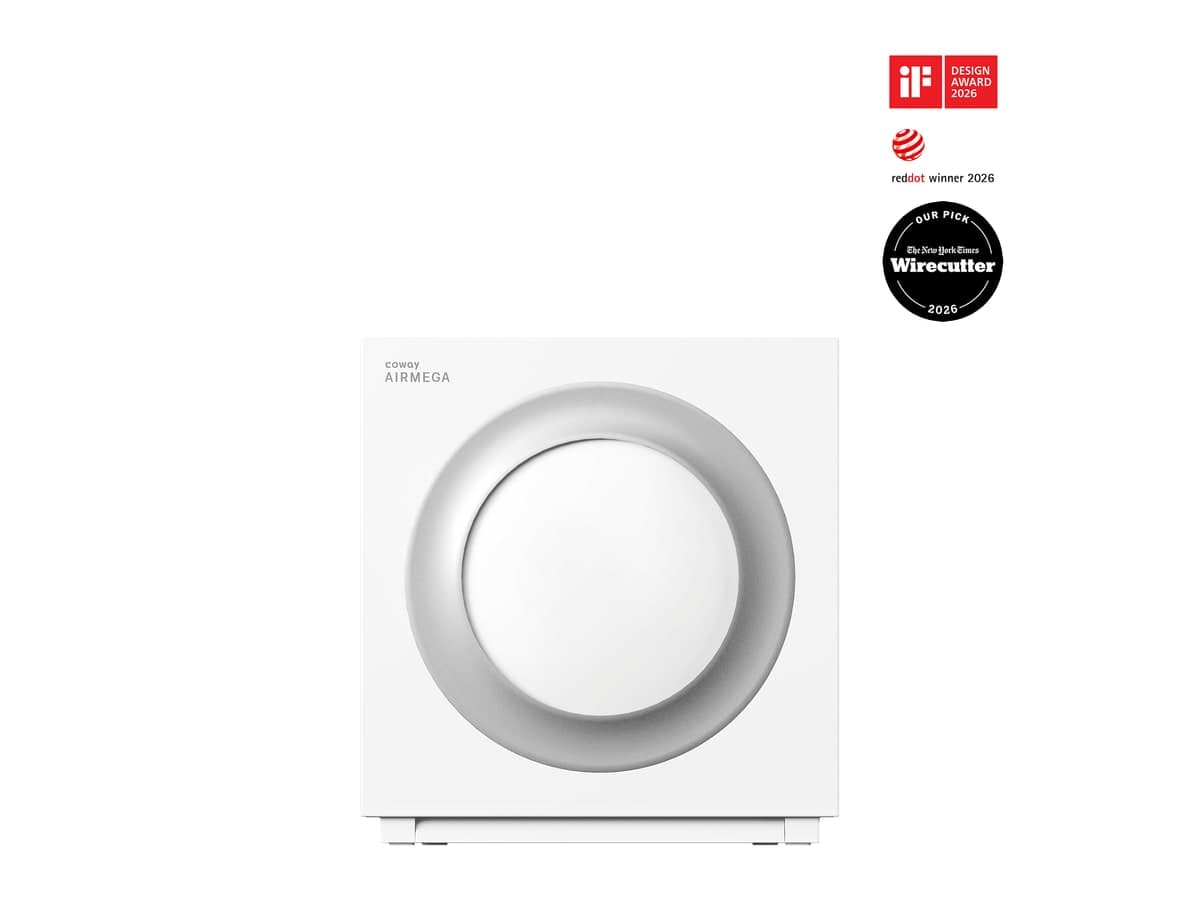
Mid-range · 240 CFM CADR · 372 sq ft
Paid links: we may earn a commission at no cost to you. Disclosure
The Coway Airmega Mighty2 takes over from the original Mighty as the first purifier to consider for allergies. It moves almost the same air (240 CFM smoke CADR against 233), so a 12 × 15 ft bedroom gets about 10 air changes an hour on top speed, but everything around that number is better suited to a room you sleep in. Coway rates it at 19 dB on its lowest setting, it has no ionizer at all, and a light sensor tips Smart mode into Sleep about three minutes after you switch the lamp off.
The sensor upgrade matters for allergy timing. A laser sensor reading PM1, PM2.5 and PM10 replaces the old basic dust sensor, and HouseFresh found it reacts much faster, so auto mode ramps up when someone shakes out a pollen-dusted jacket rather than several minutes later. Upkeep is one $69.99 cartridge a year plus a side-access pre-filter you can rinse without moving the unit.
The original Coway Airmega AP-1512HH Mighty is still a perfectly good allergy purifier, and at the sale prices near $160 seen this year it costs about $110 less with cheaper filters. Our Mighty vs Mighty2 comparison lays out when the upgrade pays.
Best budget for allergies: Levoit Core 300S
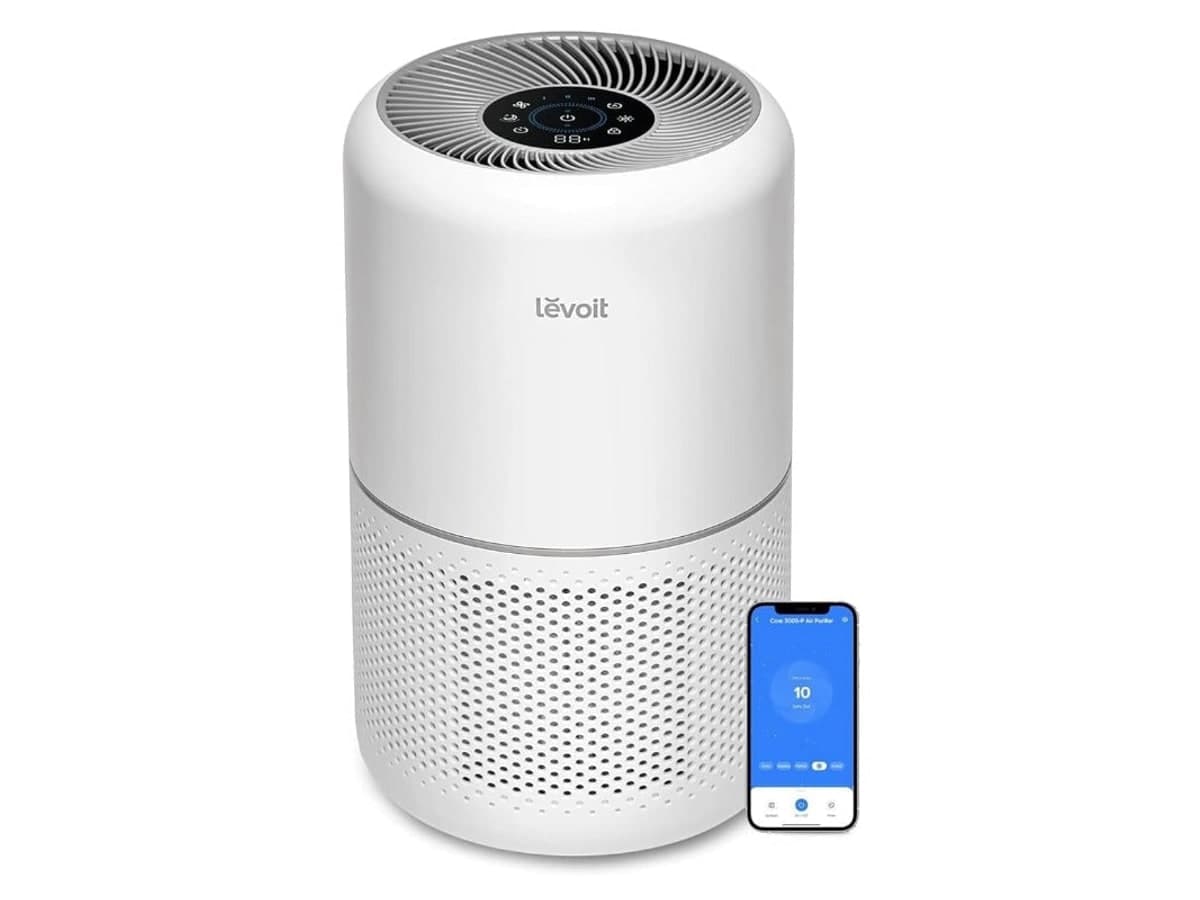
If you want real allergy relief in a bedroom for around $100, the Levoit Core 300S is the pick. It uses a genuine H13 True HEPA filter, has an air-quality sensor and auto mode, and drops to a near-silent sleep setting — ideal for overnight running, which is when allergy purifiers earn their keep. Its 141 CFM CADR suits rooms up to about 219 sq ft, so a 10 × 12 ft bedroom is comfortable and a great room is not.
Best smart pick and for pet dander: Levoit Vital 200S-P
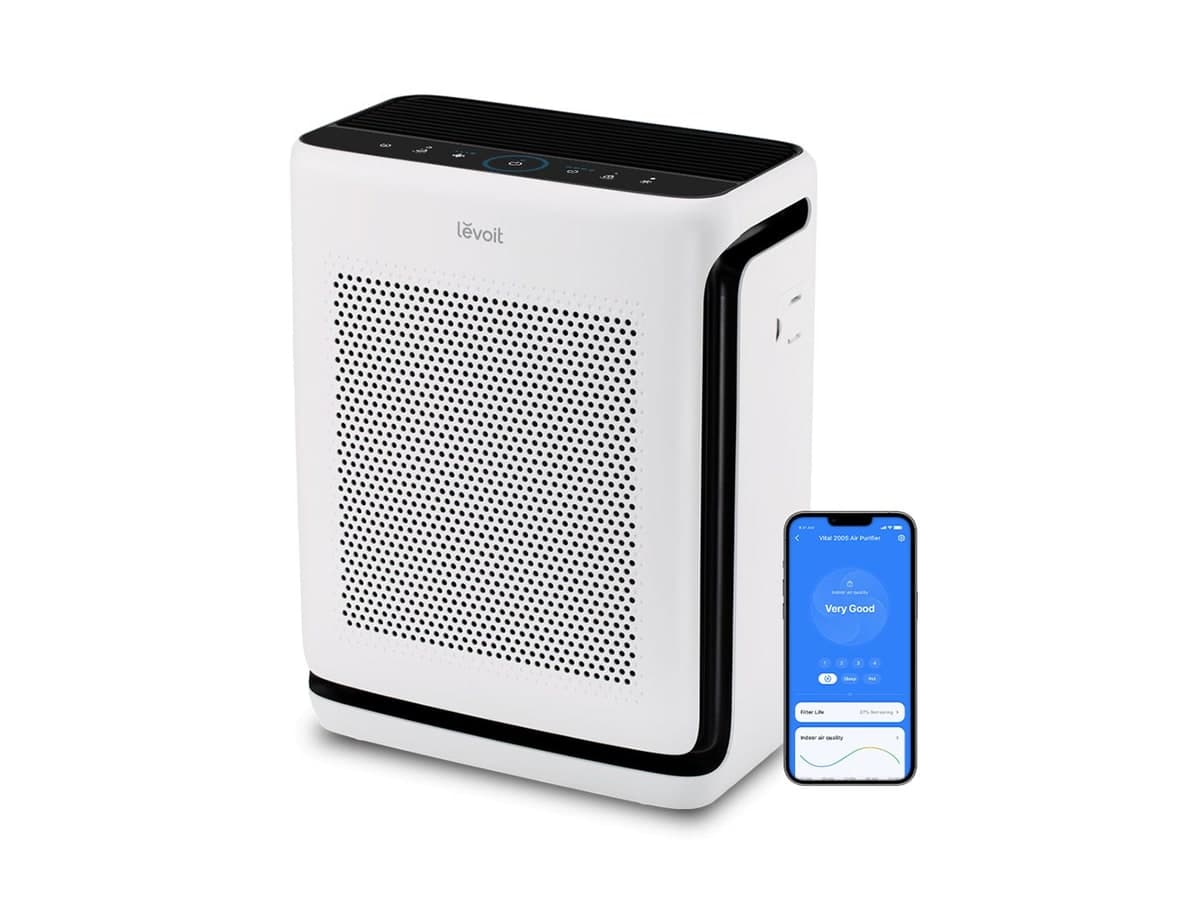
Mid-range · 250 CFM CADR · 388 sq ft
Paid links: we may earn a commission at no cost to you. Disclosure
Pet allergies need two things a basic purifier handles badly: hair that clogs the main filter, and dander that keeps being shed all day. The Levoit Vital 200S-P answers both. Its pre-filter is a separate washable panel, so the hair comes off under the tap instead of shortening the life of a $49.99 main filter, and Pet Mode cycles 15 minutes on speed 3 with an hour on speed 2 to keep pace with an animal moving around the room.
On paper it matches the Winix 5510 this list used to recommend for app control (250 CFM against 253) while costing less to keep running, and Levoit sells a Pet Allergy version of its filter for the same housing. Levoit rates the standard filter for about 12 months; with a shedding dog, plan on closer to six. One setup note: Light Detection ships switched off, so turn it on in the VeSync app if you want the display to go dark at night. If you're deciding between this and the round Core 400S-P, the Core 400S-P vs Vital 200S-P comparison covers the pet-specific differences.
Best for large rooms: Blueair Blue Pure 211i Max
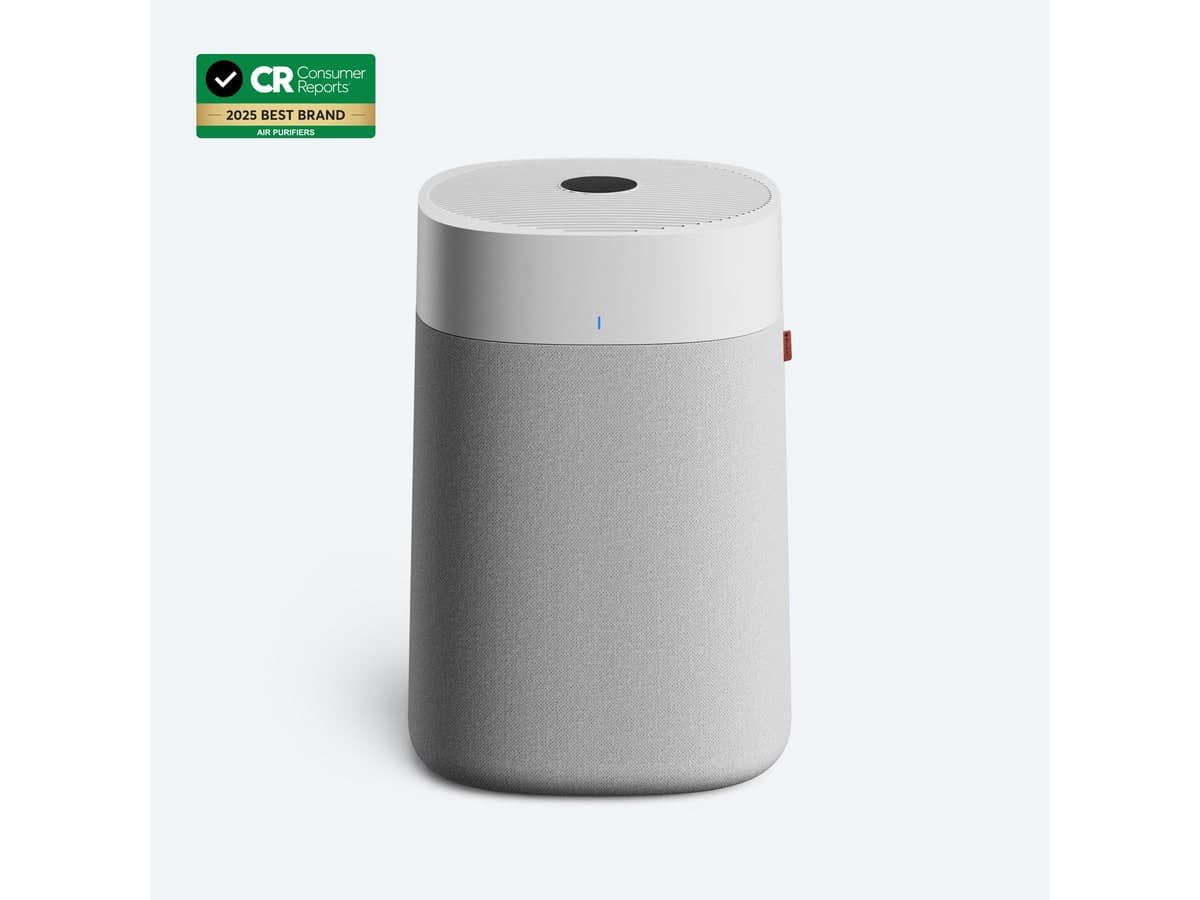
Mid-range · 435 CFM CADR · 674 sq ft
Paid links: we may earn a commission at no cost to you. Disclosure
For an open-plan living space or a big bedroom, the Blueair Blue Pure 211i Max delivers the most airflow on this list short of the IQAir: a 435 CFM smoke CADR, enough for roughly 674 sq ft — a 24 × 28 ft great room — at a full allergy-grade air-change rate. It does that on 46 W at top speed, and unlike the one-button 211+ it replaces, it has PM1/PM2.5/PM10 sensors driving a real auto mode plus app schedules, so it can run hard on high-pollen mornings without you touching it.
Two trade-offs. Blueair's HEPASilent system charges particles before a mechanical filter catches them, and that ionizing stage can't be switched off; if you want no ionization at all, the Airmega 400 below is the alternative. Filters cost $69.99 and last six to nine months, roughly $93–$140 a year, and Blueair also sells an AllergenBlock version at $89.99. It lists at $349.99 but has sold for well under $300.
Best large room with no ionizer: Coway Airmega 400
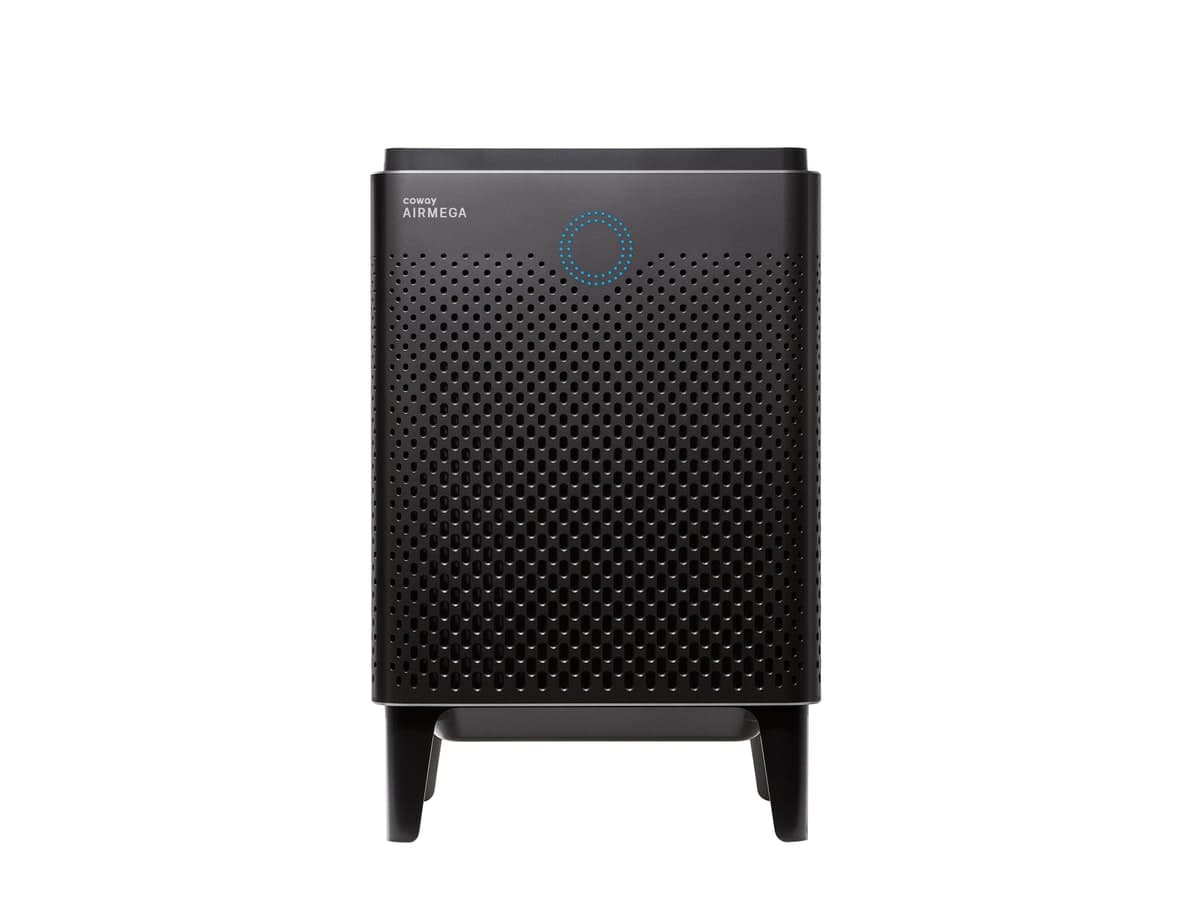
Premium · 328 CFM CADR · 508 sq ft
Paid links: we may earn a commission at no cost to you. Disclosure
The Coway Airmega 400 moves less air than the Blueair (328 CFM, about 508 sq ft at this site's sizing rule) and usually costs more at $400–$450, so it is no longer the default big-room recommendation. What it offers instead is two full True HEPA and carbon filters with nothing electrostatic in the airflow, a sensor-driven auto mode, and a $129 pair of filters that lasts a year, about what the Blueair's six-to-nine-month cartridge costs annually. For an allergy sufferer who also reacts to ozone or simply wants plain mechanical filtration in a large room, that is the reason to pay extra.
Best for severe allergies and sensitivities: IQAir HealthPro Plus
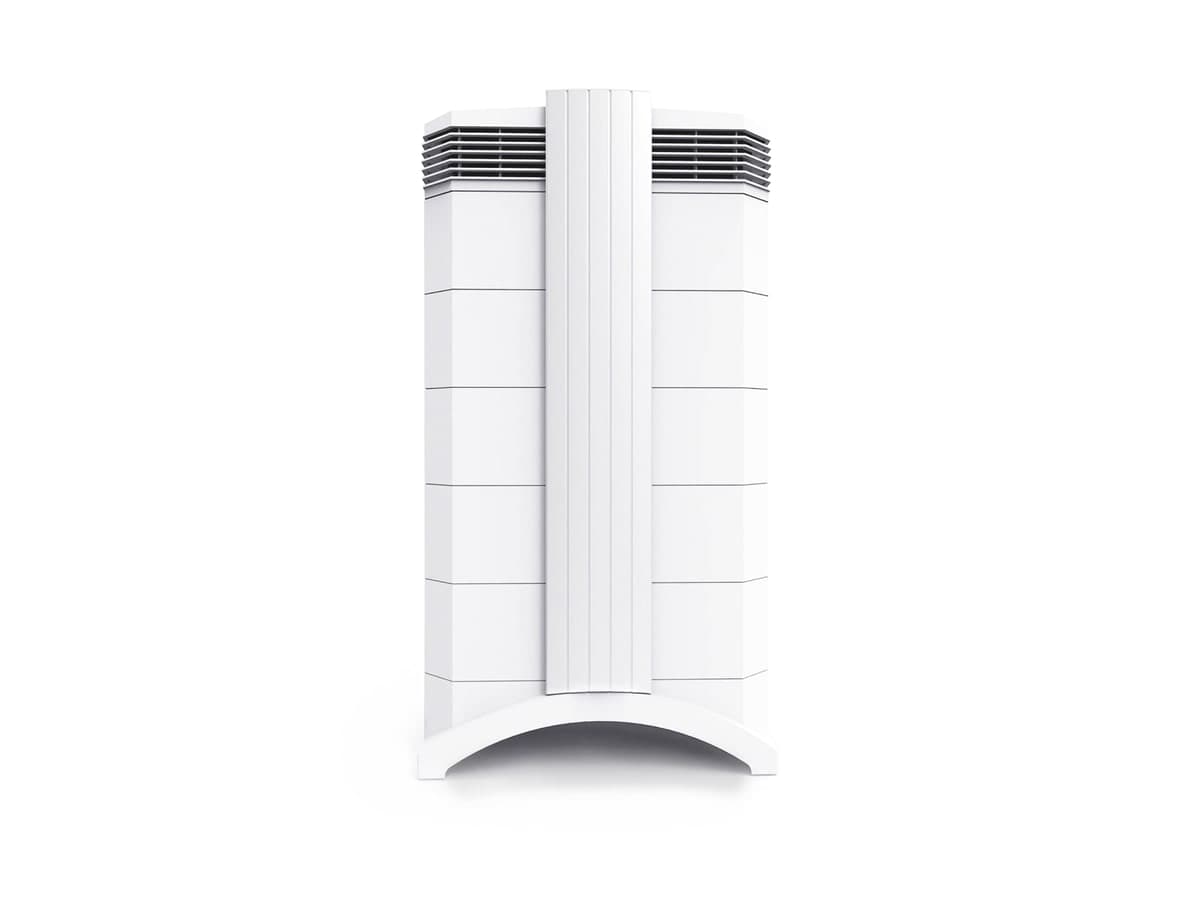
When allergies shade into genuine sensitivity — or you simply want the strongest filtration available — the IQAir HealthPro Plus is the benchmark. Its HyperHEPA filter is rated to capture particles well below the standard HEPA threshold, and a large gas-and-odor stage handles the VOCs that some people react to as well. It's expensive to buy and to re-filter (the current XE version does now include an app and auto mode), but for sheer filtration quality in a large room it sets the bar.
How to choose the right one for you
Start with the room. Measure it, then use the room-size to CADR calculator to get a target — you want a smoke CADR of at least two-thirds of the room's square footage, more if you can. Then decide what else matters: a pet in the house points to the Vital 200S-P, a large open room to the 211i Max, and an aversion to any ionizer to the Coway models. If money's tight, our best budget air purifiers roundup goes deeper on the value end. And if you're unsure whether a filter is genuine HEPA, read what a HEPA filter really is before you buy — "HEPA-type" is not the same thing.
Frequently asked questions
Do air purifiers help with allergies?
Yes. A True HEPA purifier sized correctly for the room measurably lowers airborne allergens — pollen, dust mite debris, pet dander, and mold spores. It won't touch allergens that have settled into carpet or bedding, so pair it with regular cleaning, but for the airborne fraction the effect is real and well documented.
What should I look for in an air purifier for allergies?
Three things: a filter rated to capture 99.97% of particles at 0.3 microns (True HEPA or an equivalent rating), a CADR high enough for your room (aim for four to five air changes per hour), and an affordable filter you'll actually replace on schedule. Skip ionizer-only or vague 'HEPA-type' units with no CADR to back them up.
Do I need a special allergy air purifier?
No — any well-sized True HEPA purifier is an allergy purifier, because HEPA is what captures the fine particles allergies react to. What matters is matching the CADR to your room, not a marketing label. Some makers sell allergy-branded filters for the same housing, such as Levoit's Pet Allergy filter for the Vital 200S-P or Blueair's AllergenBlock for the 211i Max, but the purifier's airflow still does most of the work.
Where should I run an air purifier for allergies?
The bedroom first. You spend a third of your day there, and overnight is when running clean air does the most good. If you can only afford one unit, put it where you sleep.
Is the Coway Mighty2 better than the original Mighty for allergies?
It cleans the same size room (240 vs 233 CFM smoke CADR), so allergen removal is close to identical. The Mighty2 earns the top spot for its quieter 19 dB floor, faster laser sensor and the lack of an ionizer. If you find the original AP-1512HH on sale near $160, it remains a sound allergy purifier with cheaper filters.
How long does it take an air purifier to help with allergy symptoms?
Give it time and steady running. A well-sized purifier can lower airborne allergens within an hour or two, but noticeable symptom relief usually builds over days of continuous use as the standing load of pollen and dander in the room drops. Run it 24/7 on auto rather than in short bursts, and keep windows closed during high-pollen periods.