Black Friday: 22 verified air purifier deals live (save up to $300). See active deals →

Dehumidifiers

Basement and room dehumidifiers evaluated on verified DOE pint capacity (20, 35, and 50 pints/day), built-in drain pump reliability, real energy draw, and low-temperature defrost performance so damp rooms stay below 50% relative humidity.

What to know before you buy

Match DOE pint capacity to dampness, not just square footage

Since the 2019 DOE test standard took effect, a modern 50-pint dehumidifier removes roughly the same moisture as an older 70-pint unit. For a damp 1,000–1,500 sq ft basement, start at 50 pints per day; a moderately humid bedroom or bathroom is usually fine with 20 to 35 pints.

Built-in drain pump vs. gravity hose

Emptying a 1.5-gallon bucket twice a day gets old fast. If your basement has a floor drain, any gravity-drain hose works. If you need to lift water up to a utility sink or basement window, pick a model with an integrated pump (such as Midea Cube Pump or Frigidaire 50-Pint Pump models).

Keep indoor humidity between 40% and 50%

Mold spores and dust mites thrive above 60% relative humidity. Pairing a dehumidifier with a simple digital hygrometer confirms whether the unit's built-in humidistat is holding 45–50% RH without wasting electricity.

Frequently asked questions

What size dehumidifier do I need for a basement?

Most standard US basements (800–1,500 sq ft) perform best with a 50-pint (2019 DOE) Energy Star dehumidifier. Smaller units run non-stop and rarely keep damp basements below 50% RH.

Does a dehumidifier clean dust and mold spores like an air purifier?

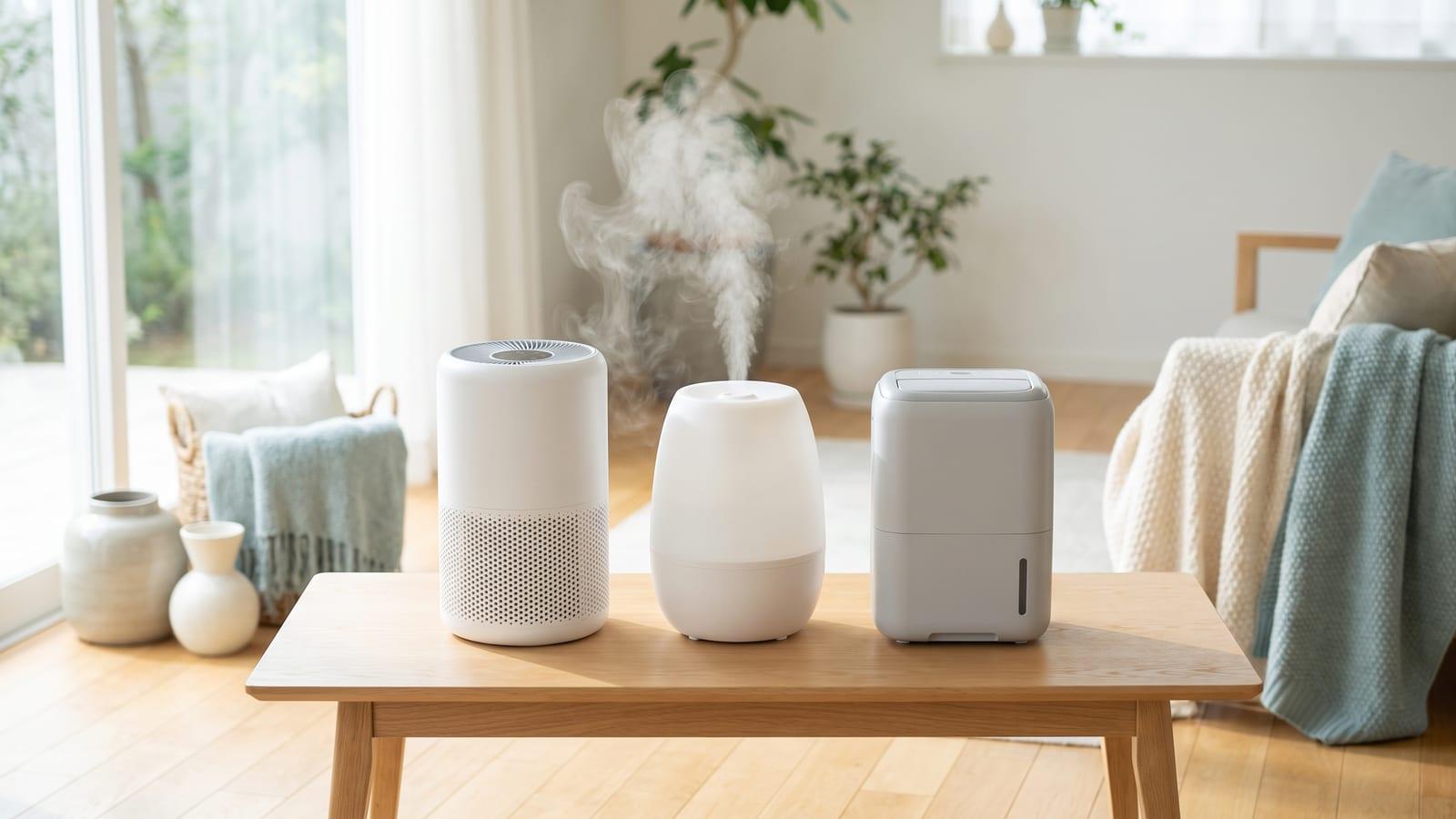
No. A dehumidifier removes moisture so mold stops growing, while a True HEPA air purifier captures airborne spores and dust. Damp basements with allergies often benefit from both.

Related guides