For wildfire smoke, buy a HEPA purifier whose smoke CADR roughly matches the square footage of the room you'll shelter in, and make sure it carries carbon for the smell. The Blueair Blue Pure 211i Max is now the best-value way to hit that target in a living room, the Coway Airmega Mighty2 is the quiet anchor for a bedroom clean room, and the AirDoctor AD5500i covers the biggest spaces. The fine PM2.5 particulate is the health hazard, which is why the sizing runs higher than everyday use. Two honest caveats: a purifier won't remove carbon monoxide, and it works only with windows and doors shut. Each pick links to our full research-based review.
Quick answer
| Model | CADR (smoke) | Everyday coverage | Room at wildfire sizing | Filters/yr | Best for |
|---|---|---|---|---|---|
| AirDoctor AD5500i | 556 CFM | ~862 sq ft | ~556 sq ft | ~$355 | Large rooms, high CADR plus gases |
| Coway Airmega 400 | 328 CFM | ~508 sq ft | ~330 sq ft | ~$129 | Quiet, fully mechanical large-room unit |
| Blueair Blue Pure 211i Max | 435 CFM | ~674 sq ft | ~435 sq ft | ~$93–$140 | Best high-CADR value |
| Coway Airmega Mighty2 | 240 CFM | ~372 sq ft | ~240 sq ft | ~$70 | Bedroom clean room |
| IQAir HealthPro Plus | N/A (HyperHEPA) | 1,125 sq ft (IQAir's figure) | — | ~$200 | The most protection |
Everyday coverage is smoke CADR × 1.55 (about 4.8 air changes an hour at an 8 ft ceiling). The wildfire column applies this page's stricter rule of one square foot per CFM. The 211i Max filter cost is for the standard filter; Blueair's SmokeBlock version works out to roughly $113–$170 a year.
Key takeaways
- Size CADR to the square footage, not two-thirds of it. Wildfire smoke's heavy PM2.5 load needs more air changes than everyday freshening, so aim higher than usual.
- Carbon handles the smell, HEPA handles the hazard. The health risk is fine particulate — captured by HEPA; the smoky odor is gases — adsorbed by carbon. You want both.
- A purifier is not a CO detector. It reduces particulate and odor with windows closed, but it doesn't remove carbon monoxide. Keep a CO alarm and follow local guidance.
Best large-room, high CADR plus gases: AirDoctor AD5500i
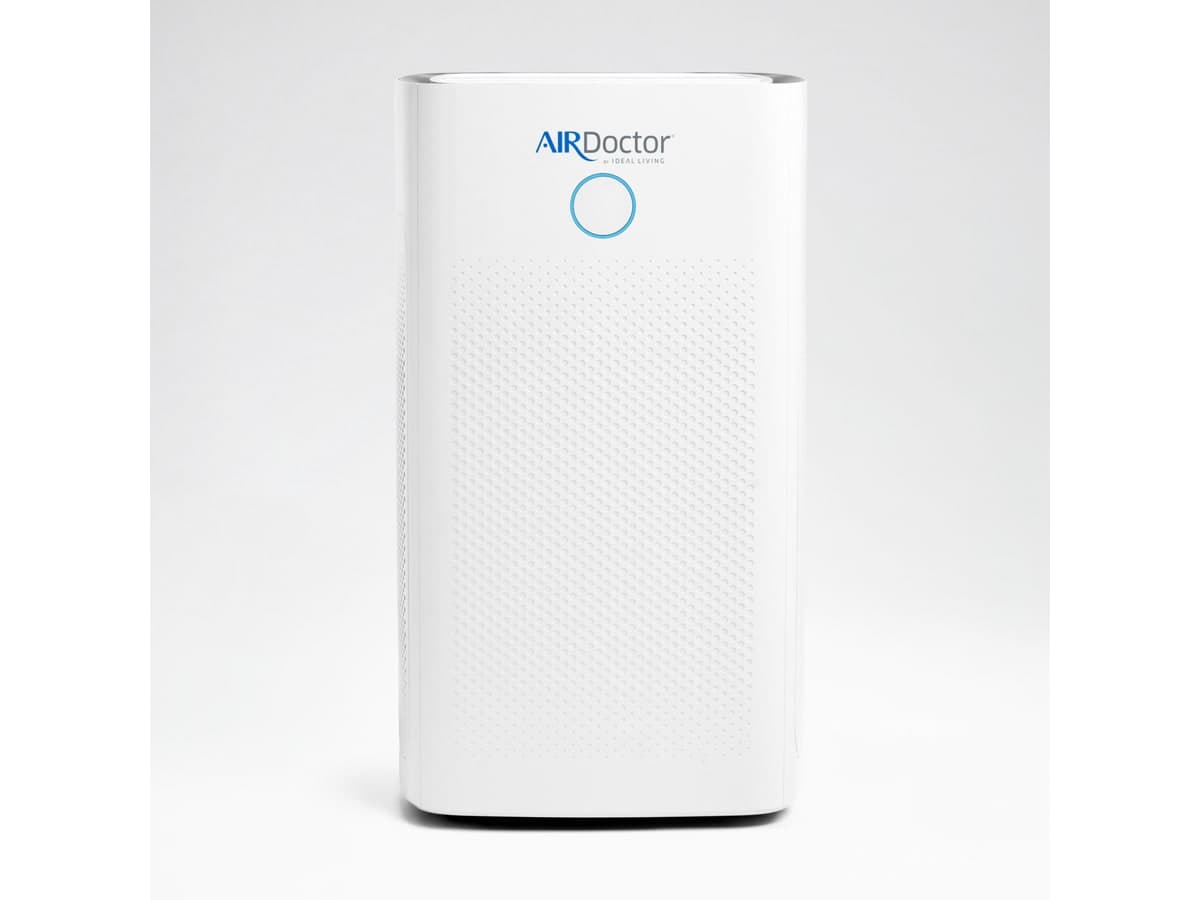
Premium · 556 CFM CADR · 862 sq ft
Paid links: we may earn a commission at no cost to you. Disclosure
For a large open space during a smoke event, the AD5500i is the most capable pick here. Its 556 CFM smoke CADR is the highest on this list, covering about 862 sq ft at 4.8 air changes an hour, or roughly a 556 sq ft great room at the stricter wildfire target — and during heavy smoke that headroom lets it push a big room to a higher change rate where lesser units stall. Its UltraHEPA captures the PM2.5, while a large dual carbon/VOC stage tackles the smoke smell rather than just recirculating it. It's a serious machine at around $999, drawing 110 watts, with filters at about $355 a year — costs that climb faster in a bad season. But for output plus odor control in a big room, nothing here matches it.
Quiet large-room pick: Coway Airmega 400
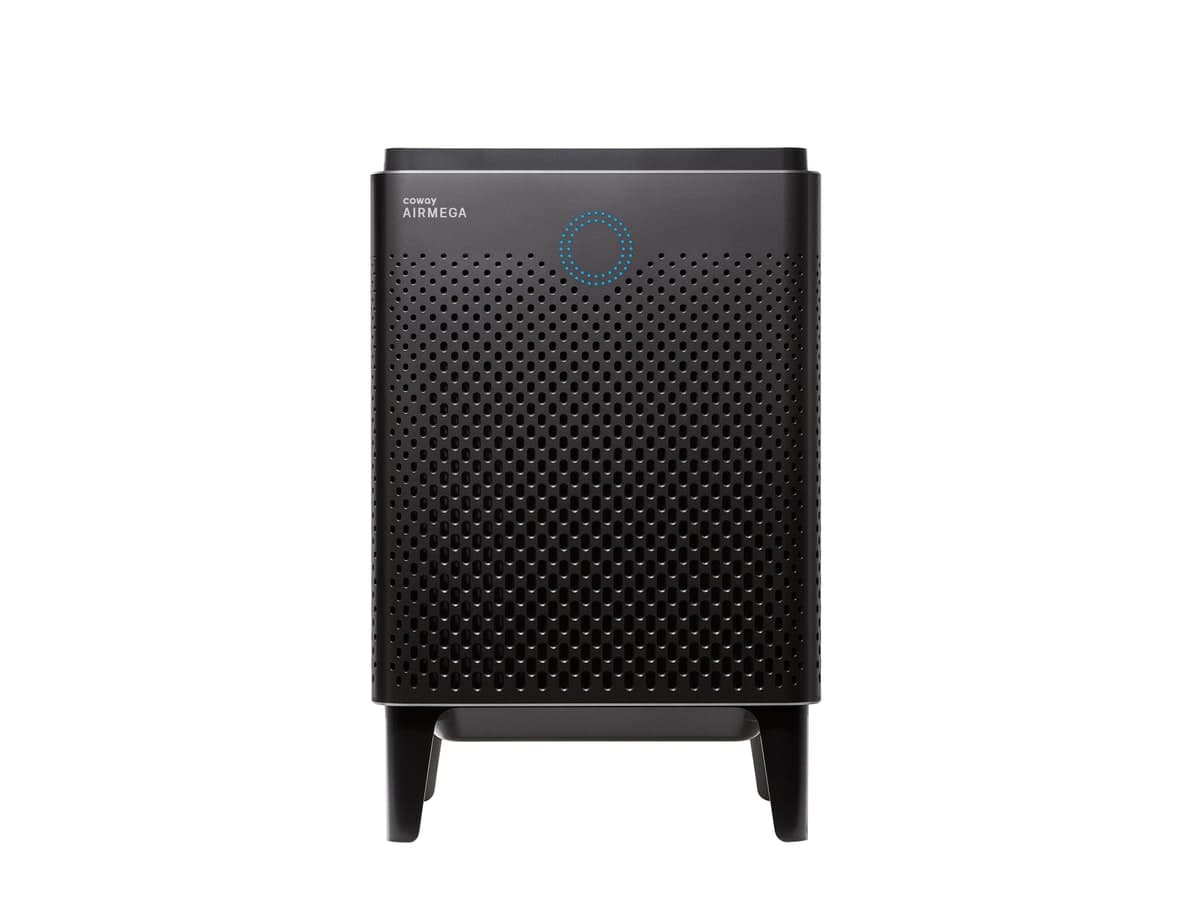
Premium · 328 CFM CADR · 508 sq ft
Paid links: we may earn a commission at no cost to you. Disclosure
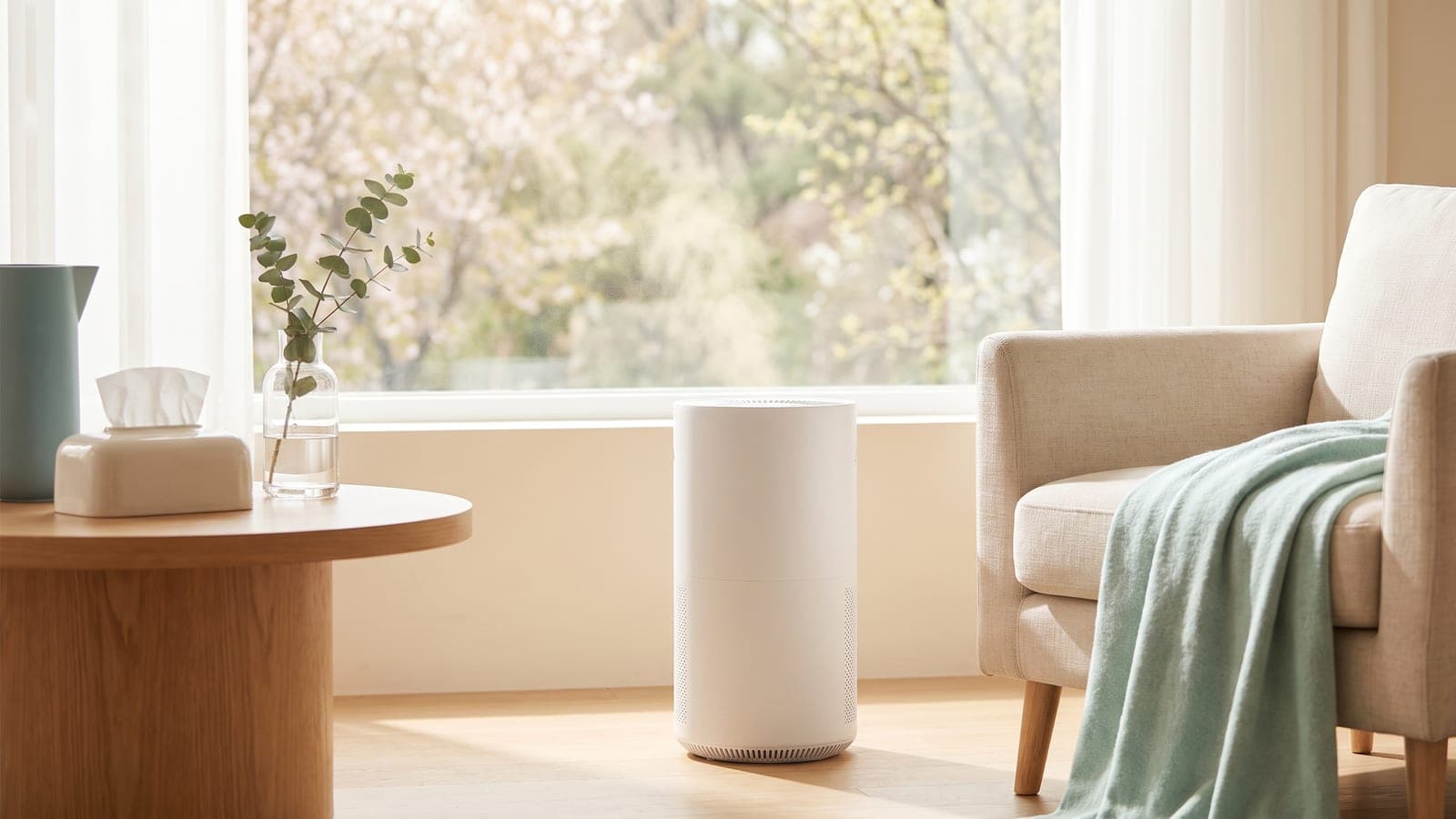
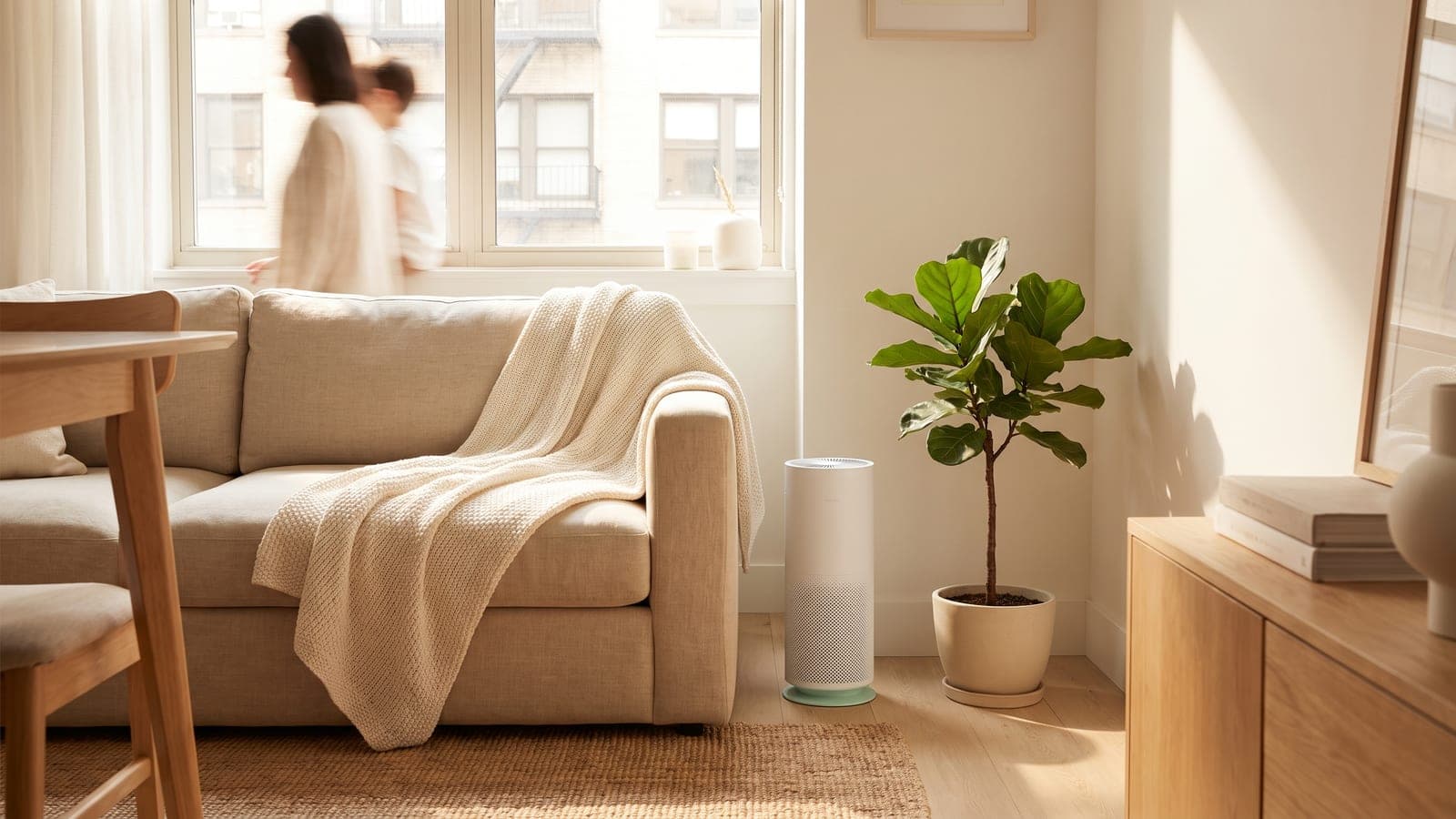
The Airmega 400 is the refined large-room choice. A 328 CFM smoke CADR feeds two full True HEPA-and-carbon filters, enough for roughly 508 sq ft at everyday sizing and a room of about 330 sq ft when you size for smoke season. It runs impressively quiet for its output, as low as 22 dBA, with a trustworthy sensor-driven auto mode that ramps up as smoke seeps in and settles when it clears. Filtration is purely mechanical, with no charging stage, and it re-filters once a year for about $129. The 211i Max now moves more air for less money, so buy the Coway for its quiet and its ionizer-free filtration rather than for raw output; it also lacks an app.
Best high-CADR value: Blueair Blue Pure 211i Max
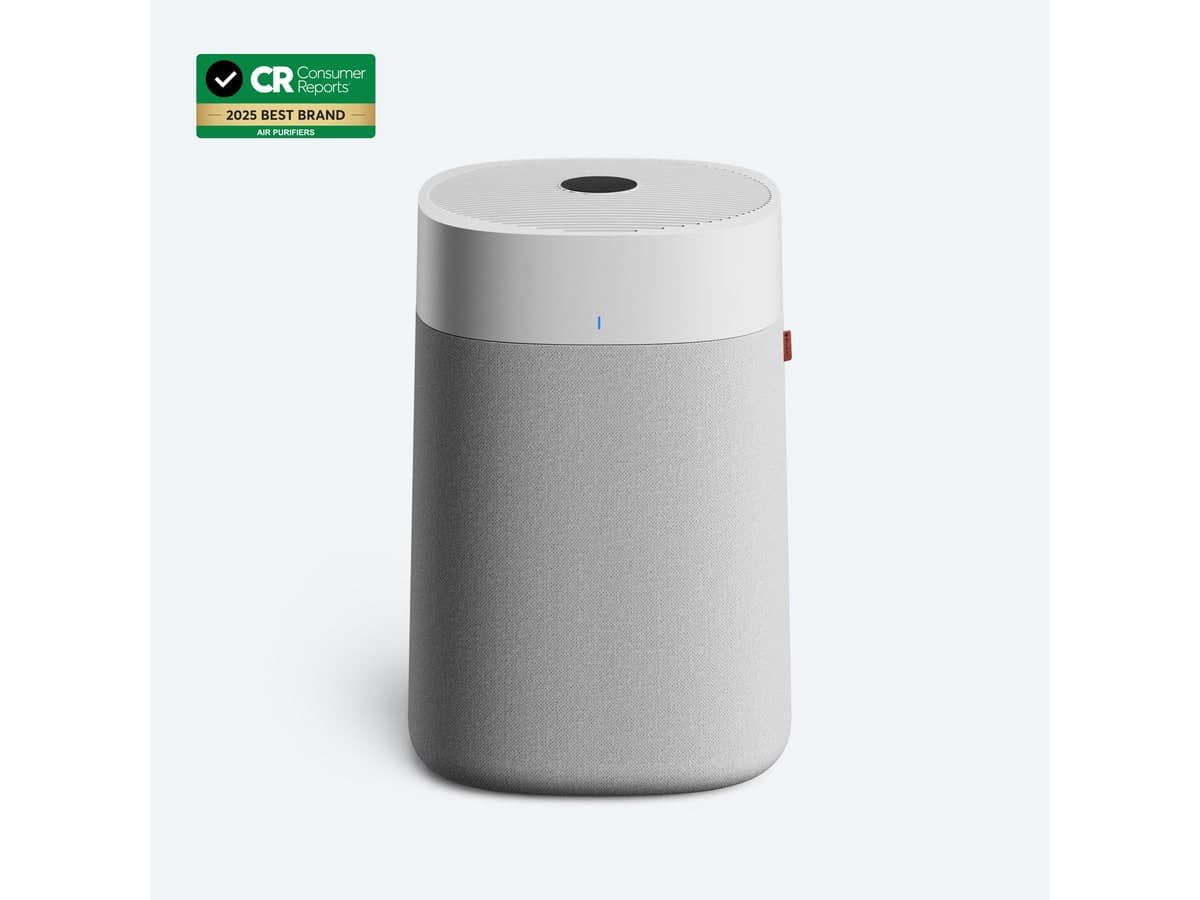
Mid-range · 435 CFM CADR · 674 sq ft
Paid links: we may earn a commission at no cost to you. Disclosure
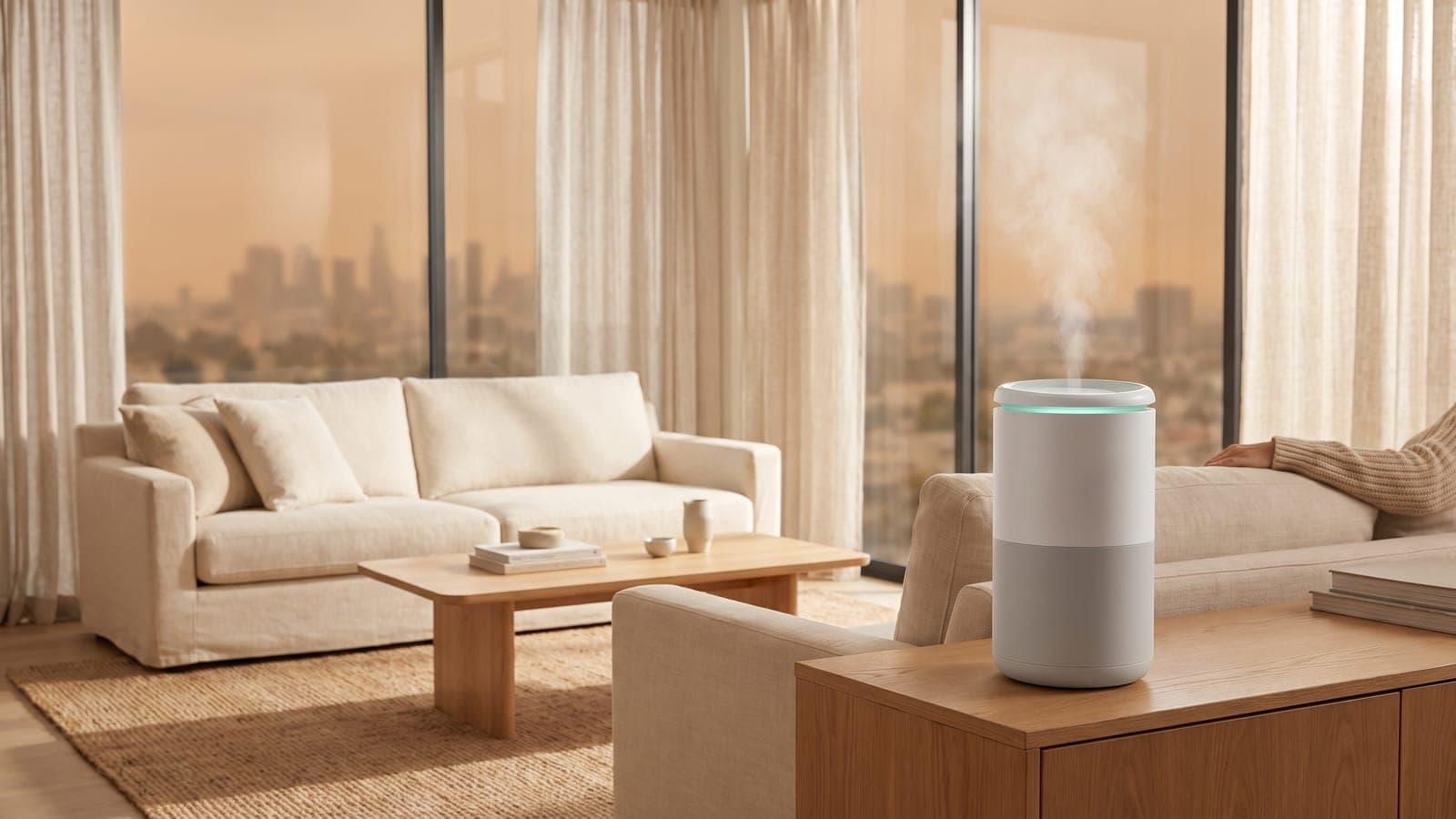
Smoke season is when CADR per dollar matters most, because one purifier per occupied room beats one heroic unit in the hallway. The Blueair Blue Pure 211i Max is rated at 435 CFM for smoke, which meets the wildfire target in a living room of about 435 sq ft (a 20×21 space, say), and it sells for roughly $230–$350. It replaces the one-button 211+ on this list: more output (435 vs 350 CFM), lower power (46 W vs 61 W at the top speed), and an auto mode driven by PM1, PM2.5 and PM10 sensors, so it can respond to smoke drifting in at 3 a.m. without anyone touching it.
The filter choice is the part to plan ahead. The standard $69.99 Particle + Carbon filter is aimed at light odors and lasts six to nine months in normal use, less when it's breathing smoke for days. Blueair's SmokeBlock filter costs $84.99 and, by Blueair's account, carries twice the carbon, which makes it the one to have in the box before fire season starts. Neither fits the older 211+. The other catch: the HEPASilent system includes an electrostatic charging stage that stays on, and the 211i Max can't be made purely mechanical.
Best for a bedroom clean room: Coway Airmega Mighty2
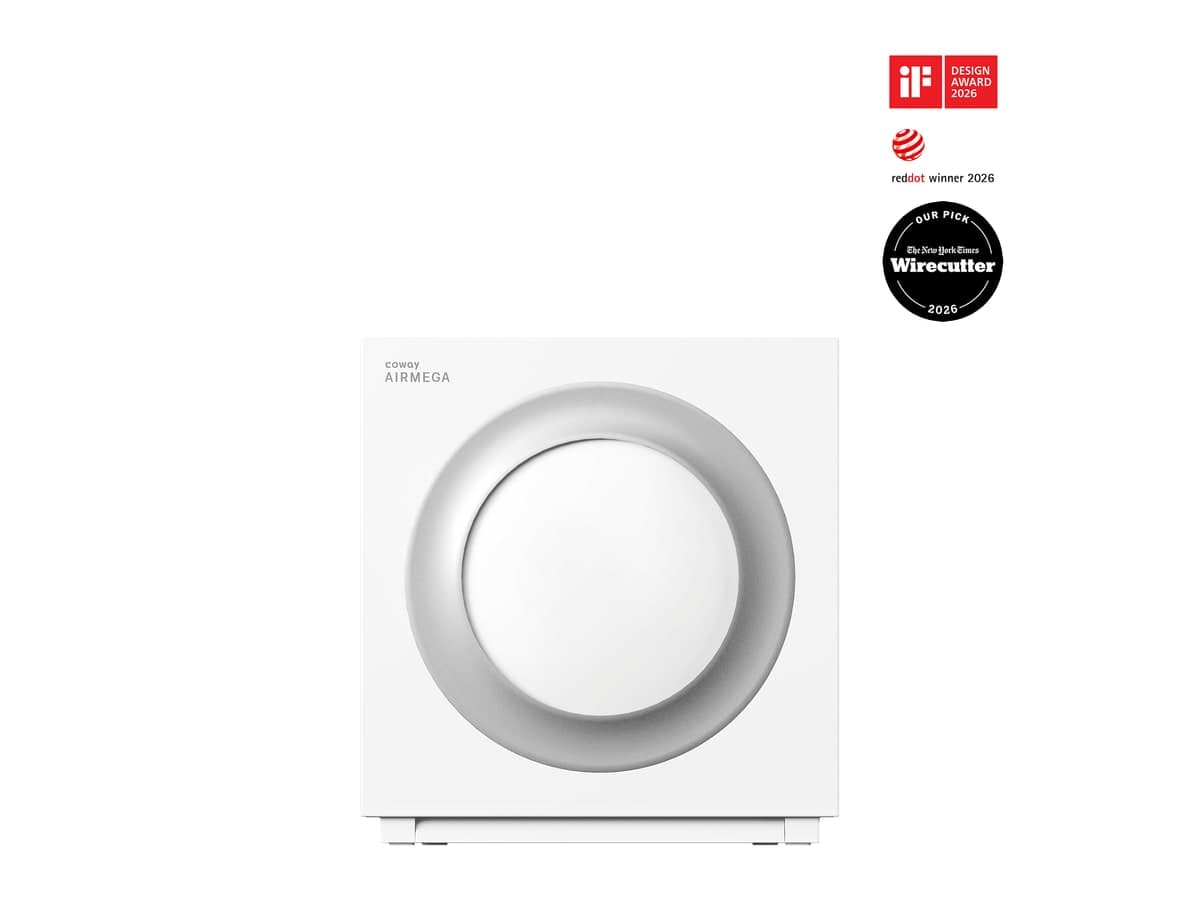
Mid-range · 240 CFM CADR · 372 sq ft
Paid links: we may earn a commission at no cost to you. Disclosure
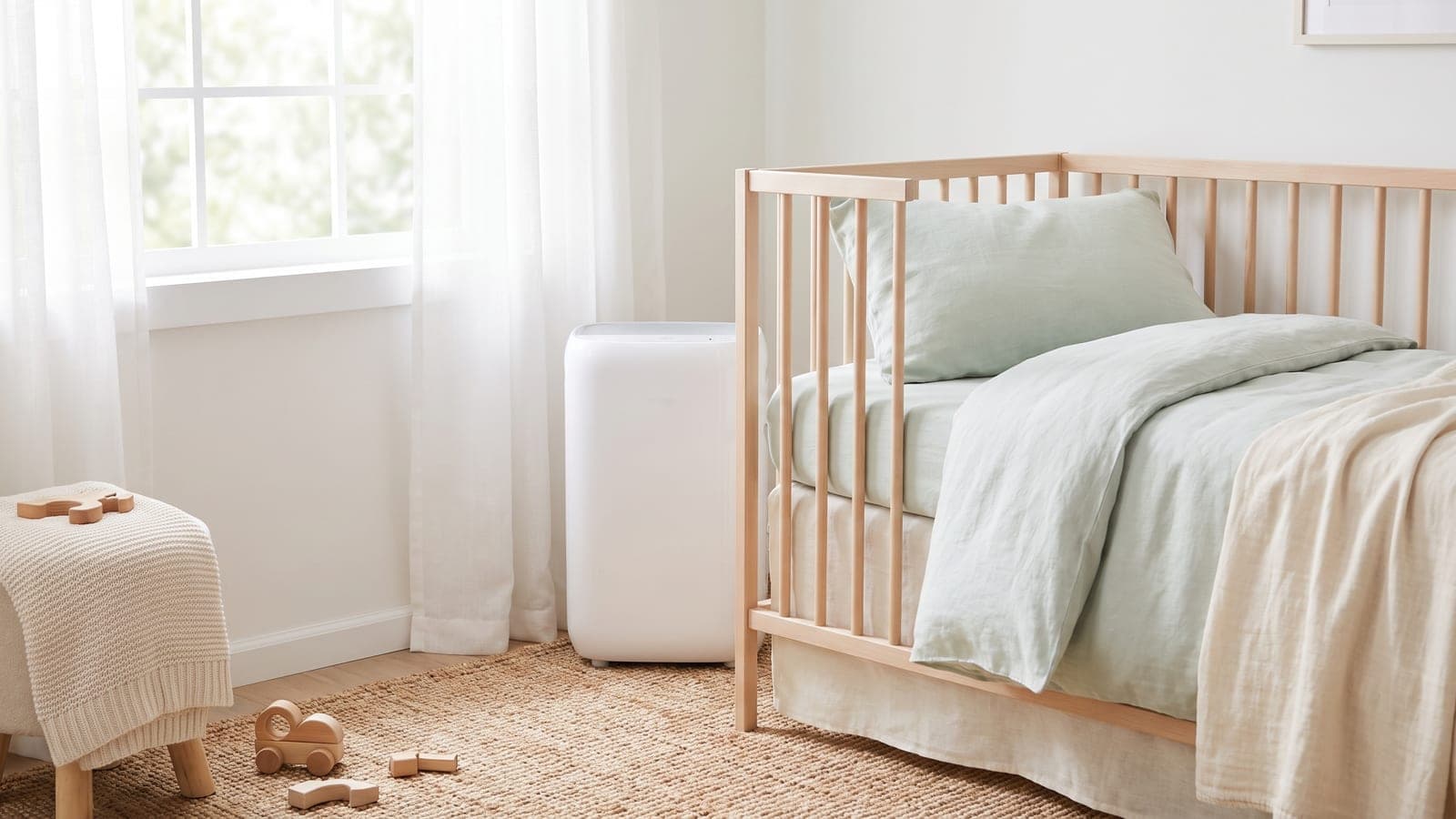
The usual plan for a bad smoke week is one sealed clean room, usually the bedroom, run hard around the clock. The Coway Airmega Mighty2 suits that job better than the original Mighty it replaces here. Its 240 CFM smoke CADR meets the wildfire target in a 240 sq ft bedroom and gives a typical 12×15 room about 10 air changes an hour on its top speed, while Coway rates it at 19 to 50 dB, down from the old model's 24.4 to 53.8. It has no ionizer at all, a laser sensor that reads PM1 through PM10, and, per Coway, 45% more carbon than the AP-1512HH filter.
One setting deserves attention during smoke events: in Smart mode, its light sensor switches to Sleep after about three minutes of darkness, which drops the fan when you may want it working. On heavy nights, pick a fixed speed instead. The AP-1512N-FP filter costs $69.99 and is rated for up to 12 months, but it doesn't fit the original Mighty, so buy spares by model; our Mighty vs Mighty2 comparison covers the rest of the differences. If you already own a working Mighty, it still does this job; there's no need to replace it.
Best for the most protection: IQAir HealthPro Plus
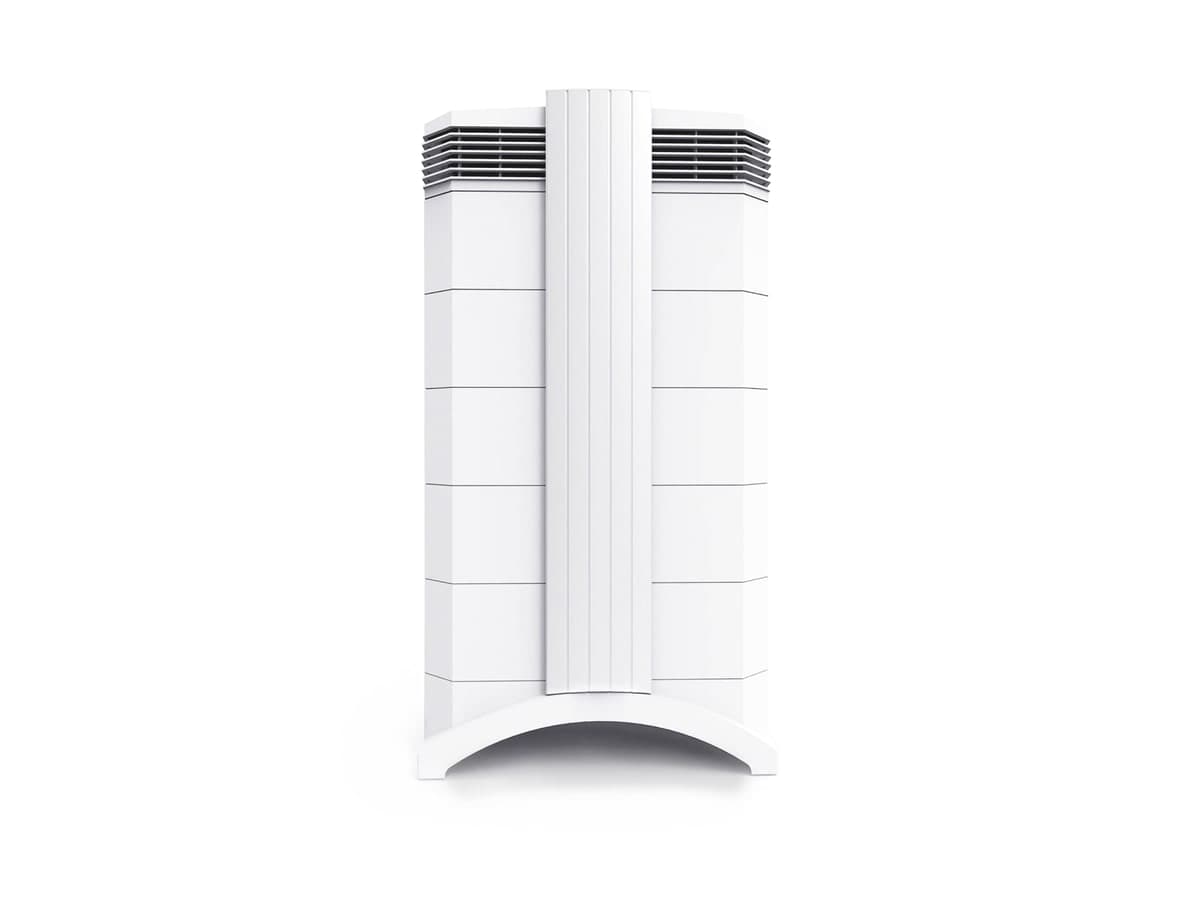
When you want the strongest possible defense — a household with respiratory conditions, a region with long smoke seasons — the HealthPro Plus is the benchmark. Its HyperHEPA filtration captures particles well below the standard HEPA threshold, which matters as smoke particulate skews ultrafine, and a large V5-Cell gas-and-odor stage handles the smell across rooms up to 1,125 sq ft. A 10-year warranty backs the investment. The costs are steep: around $1,199 to buy, roughly $200 a year to re-filter, and up to 134 watts on top speed. The current XE version reads PM2.5 and has an auto mode that raises the fan as smoke seeps indoors. But for maximum protection through a bad season, nothing here does more.
How to choose the right one for you
Start with the room and size aggressively. Measure your main living space or chosen clean room, then use the room-size to CADR calculator — but for wildfire smoke, target a smoke CADR near the full square footage rather than two-thirds, so the unit keeps pace with heavy particulate. A bedroom up to about 240 sq ft is covered by the Mighty2; a living room up to about 435 sq ft is 211i Max territory; anything bigger or open-plan points to the AirDoctor, or to two units. Make sure your pick has carbon so it addresses the smell, not just the haze; our explainer on what PM2.5 is and why it matters covers why the fine fraction is the real hazard, and the wildfire smoke prep plan walks through sealing a clean room and stocking filters before the season. For big open spaces, our best air purifiers for large rooms roundup goes deeper. And keep in mind what a purifier can't do: it won't remove carbon monoxide, so keep a CO detector and follow local air-quality guidance during any smoke event.
Frequently asked questions
What size air purifier do I need for wildfire smoke?
Size up. For everyday use you can get away with a smoke CADR of about two-thirds of the room's square footage, but during wildfire smoke you want CADR roughly equal to the square footage — that pushes the air changes higher to keep pace with heavy PM2.5 loads. So a 400 sq ft room wants around 400 CFM of smoke CADR, not 260.
Does carbon matter for wildfire smoke?
Yes, for the smell. HEPA captures the fine PM2.5 particulate that makes wildfire smoke dangerous, but the smoky odor comes from gases that only activated carbon adsorbs. A HEPA-plus-carbon unit clears both the haze and much of the smell; a HEPA-only unit leaves the odor behind even as it cleans the particles.
Which filter should I use in a Blueair 211i Max during smoke season?
Blueair's SmokeBlock filter ($84.99) is the one built for it: same HEPASilent particle media, with what Blueair says is twice the carbon of the standard $69.99 Particle + Carbon filter. Neither fits the older 211+, so check the model before stocking spares.
Can an air purifier remove carbon monoxide from smoke?
No. Carbon monoxide is a small gas molecule that neither HEPA nor activated carbon reliably removes. An air purifier reduces the particulate and odor from wildfire smoke, but it is not a safety device against CO — use a dedicated carbon-monoxide detector and follow local air-quality and evacuation guidance.
Should I run my air purifier constantly during smoke season?
Yes. During a smoke event, run it continuously on a speed high enough to keep the room's air turning over, and keep windows and doors closed. Expect filters to load up far faster than normal — a heavy smoke season can cut a HEPA filter's life dramatically, so keep a spare on hand.
Is one air purifier enough for wildfire smoke?
It depends on the room and the machine. A high-CADR unit can hold one room to a safe level if it's sized correctly. Larger homes usually need a unit per main room, or you designate one 'clean room' — often the bedroom — with a properly sized purifier and ride out the worst of the smoke there.