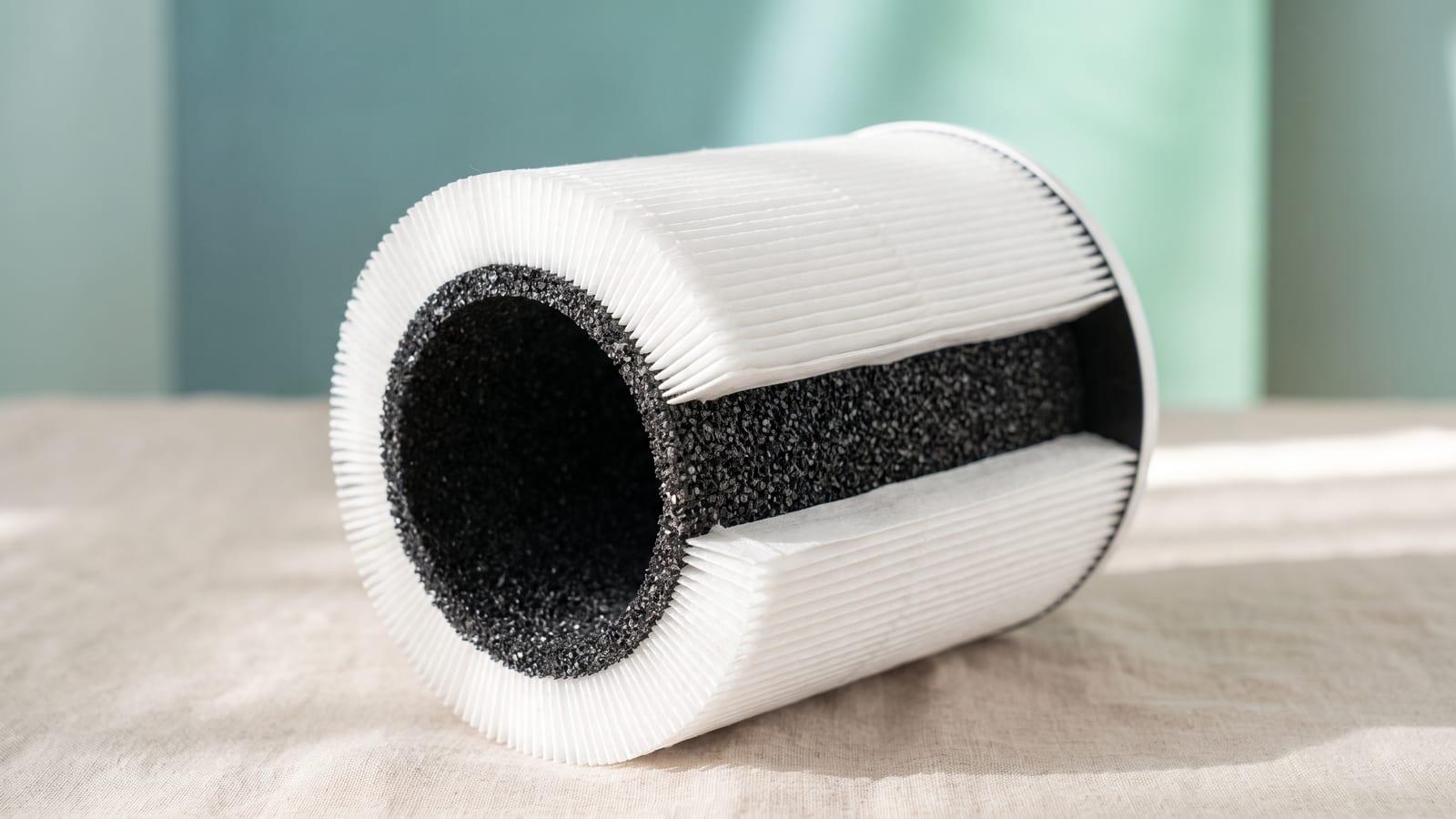
Choosing between a MERV 11 and a MERV 13 furnace filter comes down to a straightforward tradeoff: fine-particle capture versus airflow resistance (static pressure). Both catch everyday dust, pollen, and pet dander easily, but MERV 13 captures more than double the sub-micron smoke and fine allergen particles—at the cost of denser filter media that not every 1-inch residential furnace slot handles comfortably.
Quick answer: which one to buy
- Choose MERV 13 if your HVAC takes a 4-inch or 5-inch deep pleated filter, or if you have a modern variable-speed (ECM) blower and want stronger whole-house protection against wildfire smoke, fine allergens, or traffic PM2.5.
- Choose MERV 11 if your system uses a standard 1-inch filter slot, is more than 10–15 years old, or already struggles with weak airflow at far vents. You'll protect the blower motor while still catching pollen, pet dander, and household dust—then let a dedicated HEPA purifier handle fine particles in the rooms you spend the most time in.
Side-by-side: MERV 11 vs. MERV 13 (ASHRAE 52.2)
ASHRAE Standard 52.2 tests HVAC filters across three particle size bands: E1 (0.3–1.0 µm: smoke, fine aerosols, bacteria), E2 (1.0–3.0 µm: fine dust, humidifier dust, pet dander), and E3 (3.0–10.0 µm: pollen, mold spores, lint).
| Metric | MERV 11 | MERV 13 | What it means at home |
|---|---|---|---|
| E1 capture (0.3–1.0 µm) | ≥ 20% | ≥ 50% | Biggest gap: wildfire smoke & fine PM2.5 |
| E2 capture (1.0–3.0 µm) | ≥ 65% | ≥ 85% | Fine dust & pet dander |
| E3 capture (3.0–10.0 µm) | ≥ 85% | ≥ 90% | Pollen, lint & mold spores (both strong) |
| Airflow restriction (1-in filter) | Low–Moderate | Moderate–High | Tighter pleats raise static pressure |
| Best slot depth | 1-inch to 5-inch | 4-inch to 5-inch (or high-pleat 1-inch) | Deep pleats double surface area & cut resistance |
| Typical replacement interval | 60–90 days (1-in) | 60–90 days (1-in) / 6–12 mo (4-in) | Swap faster during smoke events |
Why filter thickness matters more than most people realize
A 4-inch MERV 13 filter often creates less airflow resistance than a cheap 1-inch MERV 8 filter. Why? Deeper pleats pack far more square feet of filter media into the same duct opening, so air moves through the pleats at a lower face velocity.
If your return grille only fits a 1-inch filter and you still want MERV 13:
- Look for a high-pleat-count brand (such as 3M Filtrete MPR 1900–2200 or similar low-pressure-drop electrostatically charged MERV 13 filters) rather than a stiff, flat bargain filter.
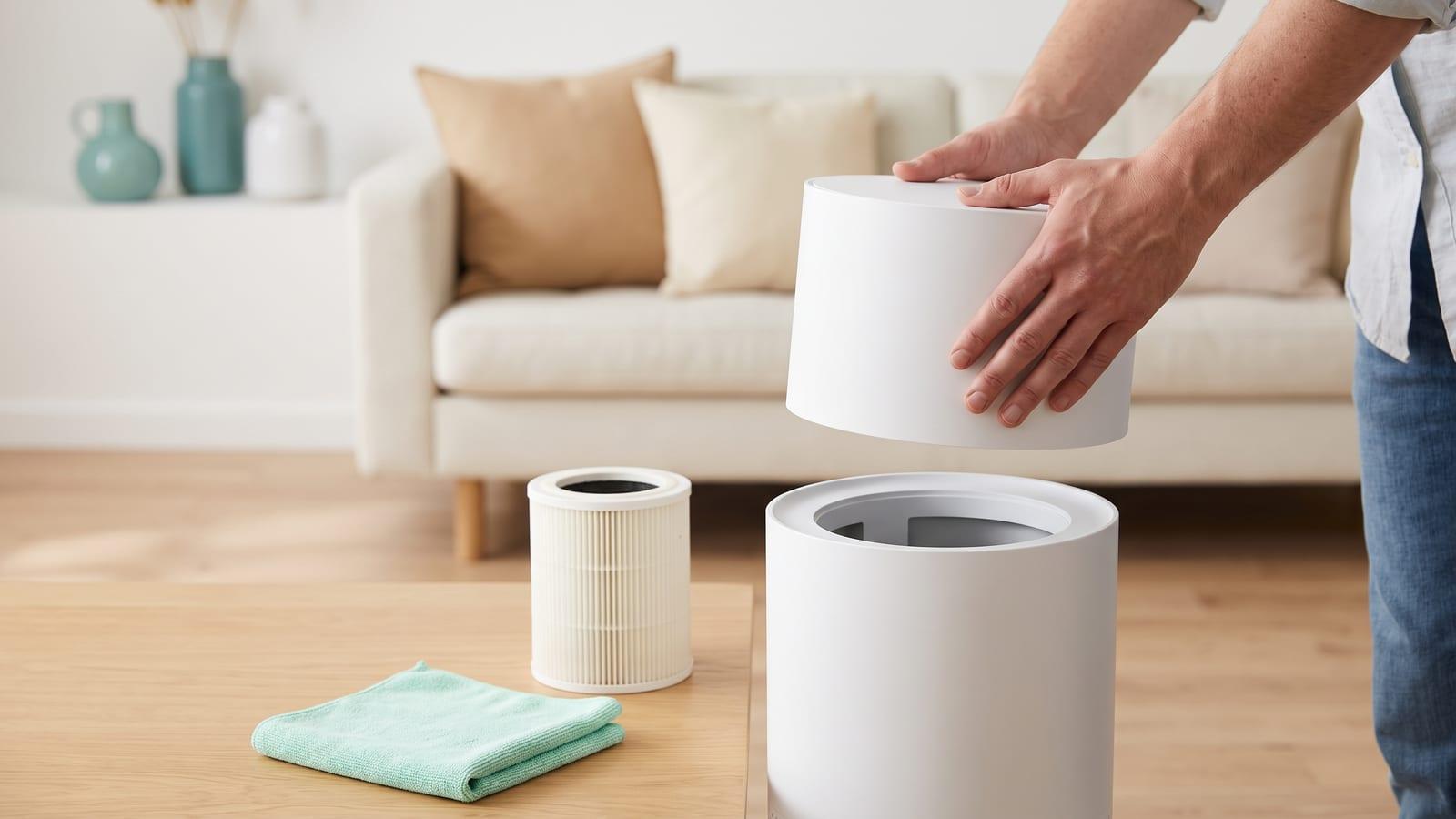
- Check for warning signs during the first week: noticeably louder return grille whistling, weaker air coming out of distant bedroom registers, longer AC run cycles, or a furnace tripping its high-limit switch in winter. If you notice any of those, step back down to MERV 11 immediately.
- Never let a 1-inch MERV 13 go past 90 days. Pressure drop climbs rapidly as a thin high-MERV filter loads with dust.
MERV 13 vs. a portable True HEPA air purifier
Even a great MERV 13 furnace filter only cleans air when your HVAC fan is running (often just 15–25% of the day in mild spring or fall weather), and it still captures far less 0.3-micron particulate per pass than True HEPA's 99.97% bar. For the full comparison, see our MERV vs. HEPA explainer.
For most homes, the quietest, safest high-performance formula is:
- MERV 11 (or 4-inch MERV 13) in the central air handler for whole-house baseline dust and pollen control.
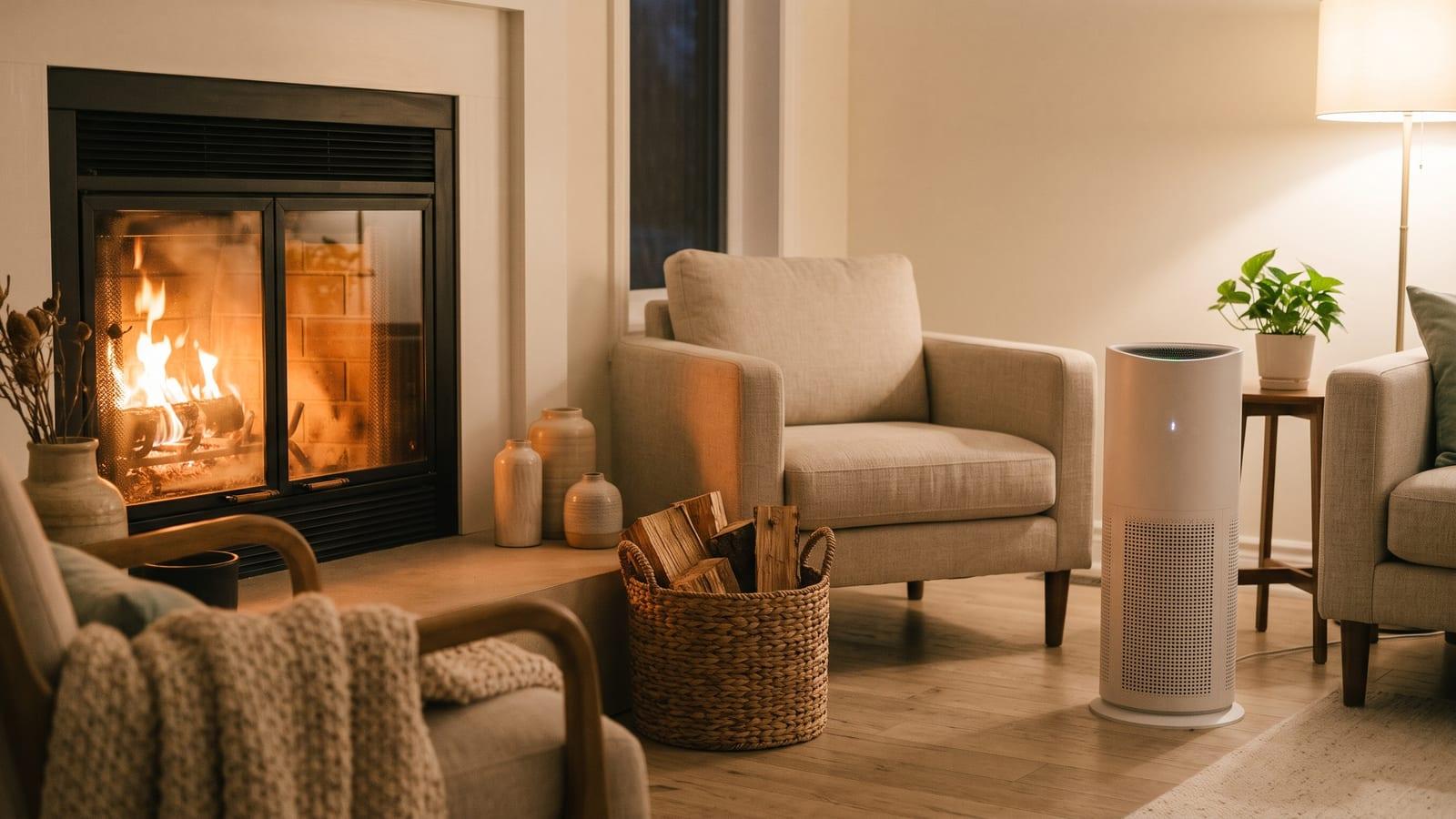
- A properly sized portable HEPA purifier running continuously in your bedroom and main living space (see our best air purifiers for 500 sq ft or best air purifiers for wildfire smoke).
Frequently asked questions
Is MERV 13 noticeably better than MERV 11 for allergies and smoke?
Yes for fine particles. Under ASHRAE 52.2, MERV 13 must capture at least 50% of particles between 0.3 and 1.0 microns (smoke, fine allergens, respiratory aerosols), whereas MERV 11 is only required to capture 20% in that smallest size band.
Can a MERV 13 filter damage my furnace or AC?
A 1-inch MERV 13 filter with high airflow resistance can raise static pressure in older or undersized HVAC ductwork, reducing cooling efficiency or causing the furnace to short-cycle. In a 4-inch or 5-inch media cabinet—or a modern ECM-blower system—MERV 13 typically runs safely.
How often should I replace a MERV 11 or MERV 13 furnace filter?
Replace 1-inch MERV 11 or MERV 13 filters every 60 to 90 days (closer to 30–60 days during wildfire smoke or heavy pet shedding). Deep 4-inch to 5-inch pleated filters usually last 6 to 12 months.
Should I upgrade to MERV 13 or buy a portable True HEPA air purifier?
Use MERV 11 as a safe whole-house baseline if your furnace takes thin 1-inch filters, and add a True HEPA room purifier in your bedroom or living room—portable HEPA purifiers run continuously at 99.97% efficiency without stressing your HVAC blower.