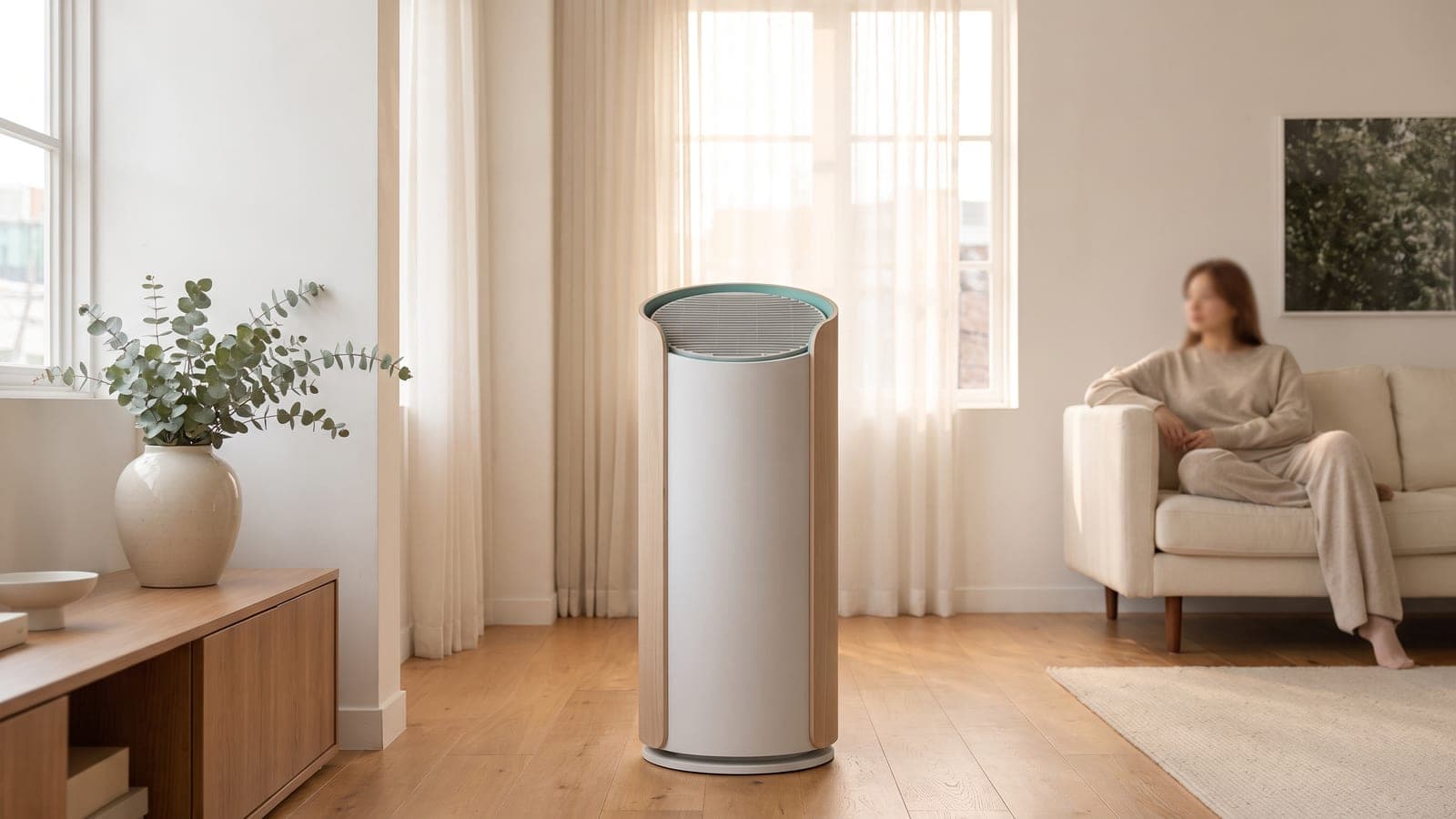
For a bedroom or mid-size living room, buy the Coway Airmega Mighty2. It replaces the original AP-1512HH Mighty with a quieter low end, a laser particle sensor and no ionizer, for about $30 more at list. Once a room grows past about 370 sq ft, the Airmega 400 is the Coway that keeps up, at roughly 508 sq ft. If you already own a working Mighty, keep it: the new one doesn't clean meaningfully more air.
None of these three has an app. Coway's pitch is a purifier that reads the room and adjusts itself, and on the Mighty2 that includes dropping to Sleep mode when the lights go out.
Which Coway fits which room?
| Model | Smoke CADR | Room size (site rule) | Rated noise | Filters per year | Typical price |
|---|---|---|---|---|---|
| Coway Airmega Mighty2 (AP-1512N) | 240 CFM | ~372 sq ft | 19–50 dB | ~$70 | $230–$270 |
| Coway Airmega AP-1512HH Mighty | 233 CFM | ~361 sq ft | 24–54 dB | ~$55–$60 | $220–$250 list, often on sale |
| Coway Airmega 400 | 328 CFM | ~508 sq ft | 22–52 dB | ~$129 | $400–$450 |
Room sizes are smoke CADR × 1.55, the site-wide rule that works out to about 4.8 air changes an hour at an 8 ft ceiling. Coway's own figures are far larger: 1,800 sq ft for the Mighty2 assumes one air change an hour, and 1,560 sq ft for the 400 assumes two. For a vaulted ceiling or an open stairwell, the room-size calculator adjusts for volume.
Mighty2 vs the original Mighty: what changed
Cleaning power barely moved. The Coway Airmega Mighty2 is rated at 240 CFM for smoke against 233 for the Coway Airmega AP-1512HH Mighty. The changes are in how it behaves at the speeds you actually use:
- Quieter low end. Coway rates the Mighty2 at 19 dB against 24 dB for the original. RTINGS found it performs far better at lower, quieter fan speeds.
- No ionizer. The original's optional ionizer is gone, so there is no setting to second-guess.
- Laser sensor. The MegaScan sensor reads PM1, PM2.5 and PM10. HouseFresh found it reacts much faster than the optical sensors in older Coways.
- Night behavior. A light sensor moves Smart mode to Sleep after three minutes of darkness.
- Less power. Peak draw falls from 77 W to 56 W.
- One filter instead of two. The Mighty2's Max2 cartridge (AP-1512N-FP, $69.99, up to 12 months) combines HEPA and carbon, and the washable pre-filter slides out of the side.
The trade-offs are small but real. At 15.2 lb it is about 3 lb heavier than the original, it has no wheels, and owners point out that the buttons aren't backlit. Our Mighty vs Mighty2 comparison goes through each change. The Mighty vs Mighty2 filter guide explains why the two filters won't swap.
What three years of a Mighty2 costs
At its $269.99 list price, add two Max2 filters ($140) and electricity. HouseFresh measured the Mighty2 at about 10 W on speed 2. Run 24/7 at $0.17/kWh, that is roughly $15 a year. The total comes to about $456 over three years, or less if you catch it on sale.
The original Mighty's filter set costs a little less, about $55 to $60 a year, and the unit itself has been discounted to around $160. At that kind of price it is still a good purifier, provided you leave its ionizer off; our ionizer and ozone guide explains why. At close to full price, the Mighty2 is the better buy.
Large rooms: the Airmega 400
The Coway Airmega 400 runs two full filter stacks, one on each side, to reach a 328 CFM smoke rating. That covers about 508 sq ft, so an 18×26 living room gets a little over five air changes an hour at top speed. It is rated at 22 to 52 dB, draws 66 W at most, and its Max2 filter set costs about $129 a year.
Coway lists it at $649, but it usually sells for $400 to $450. At that price it undercuts a pair of Mighty2 units, which cost about $540 at list and move 480 CFM between them. For an L-shaped space or two connected rooms, a pair of smaller units can do more good than one big tower. For a single open room, the 400's one-box simplicity wins. The Airmega 400S adds Wi-Fi and the app if you want them.
Which Coway Airmega should you buy?
- Bedroom or living room up to ~370 sq ft, buying new: Mighty2.
- Same room, tight budget, original Mighty on a deep sale: AP-1512HH, with the ionizer left off.
- 370 to 510 sq ft: Airmega 400.
- You want an app: the Airmega 400S, or outside Coway the Levoit Vital 200S-P (250 CFM, VeSync app).
- Past ~510 sq ft: two units, or the Levoit Core 600S, rated for about 606 sq ft.
For the brand-level comparison with Coway's biggest value rival, see Coway vs Levoit.
Where these numbers come from
CADR, rated noise, power and filter part numbers come from Coway's spec sheets and filter listings. Measured wattage and sensor behavior come from HouseFresh, and the low-speed performance finding from RTINGS. No AHAM Verifide listing for the Mighty2 turned up in our research, so its CADR is Coway's own figure. Room sizes use the same CADR × 1.55 rule as every other page here, so a Coway lines up directly against a Levoit or Winix.
This is a research-based review — our analysis draws on manufacturer specifications, manuals, warranty terms, and verified owner feedback rather than our own hands-on testing, and we note where a detail couldn't be confirmed. How we review
Every Cowaymodel we've reviewed
Coway
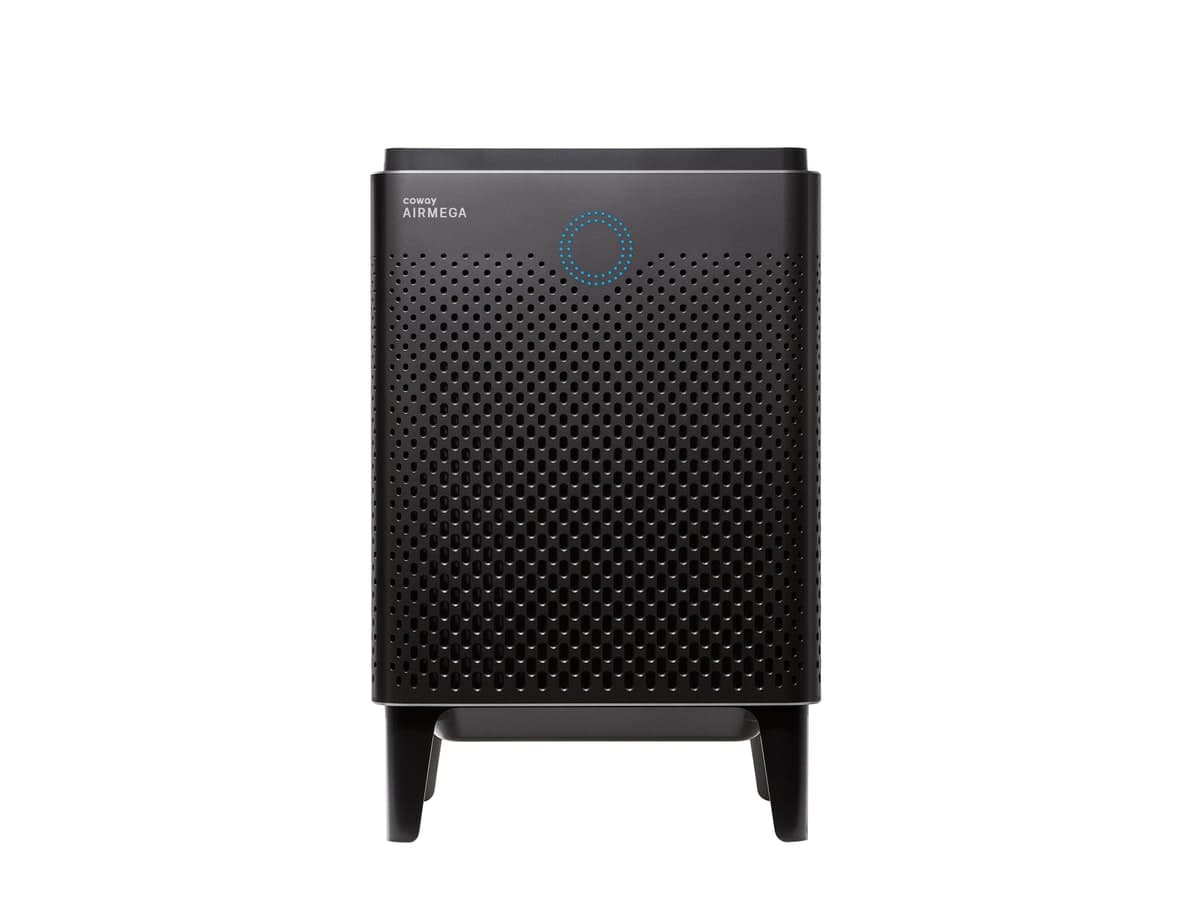
Coway Airmega 400
Best premium large-room
A refined, high-CADR large-room purifier with a genuine dual True HEPA + carbon system and a trustworthy auto mode.
- 328 CFM CADR
- 508 sq ft
- $400–$450 typical street ($649 list at Coway; Wi-Fi 400S $749 list)
Coway
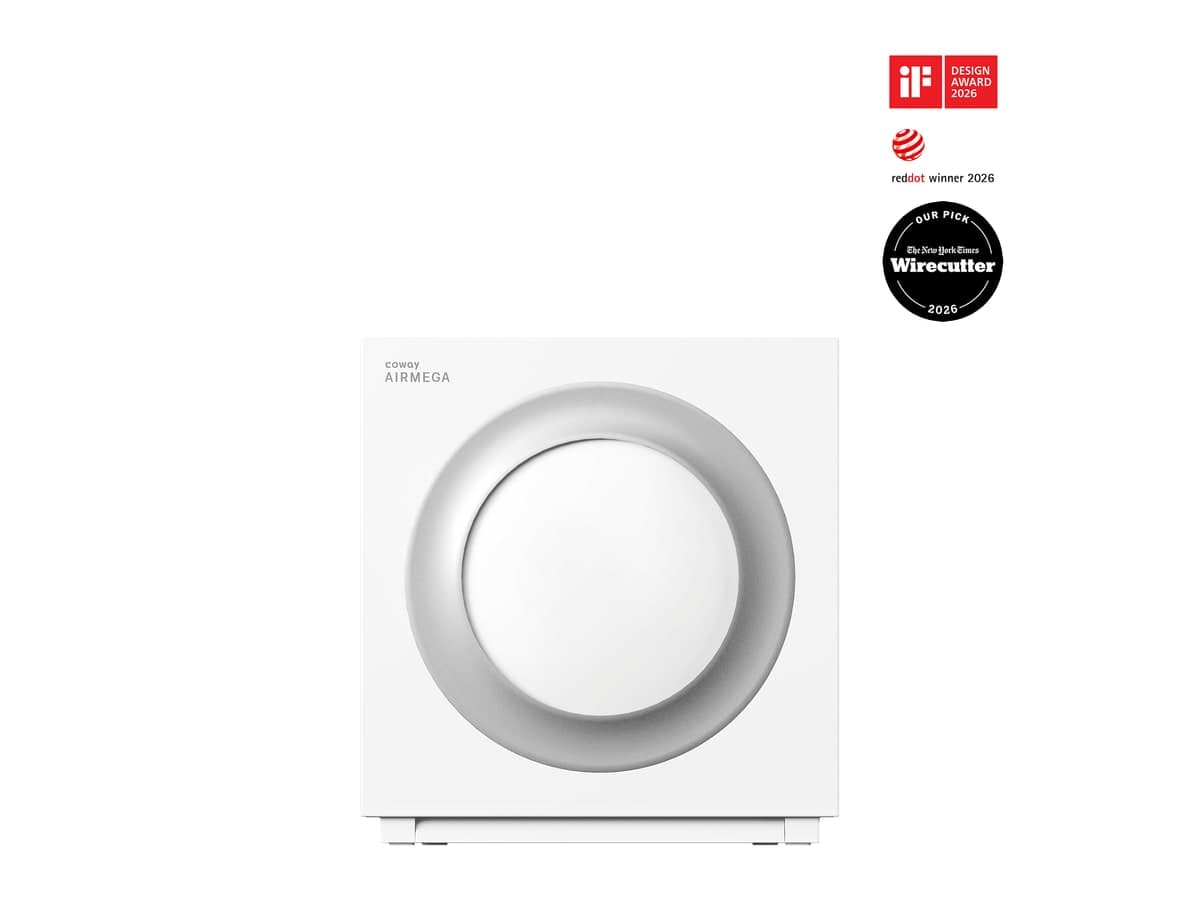
Coway Airmega Mighty2
Best quiet mid-size pick
Coway's 2026 Mighty successor: same 240 CFM class, but quieter, no ionizer, a laser PM sensor and a one-piece $70 filter. Fits rooms to ~370 sq ft.
- 240 CFM CADR
- 372 sq ft
- $230–$270
Coway
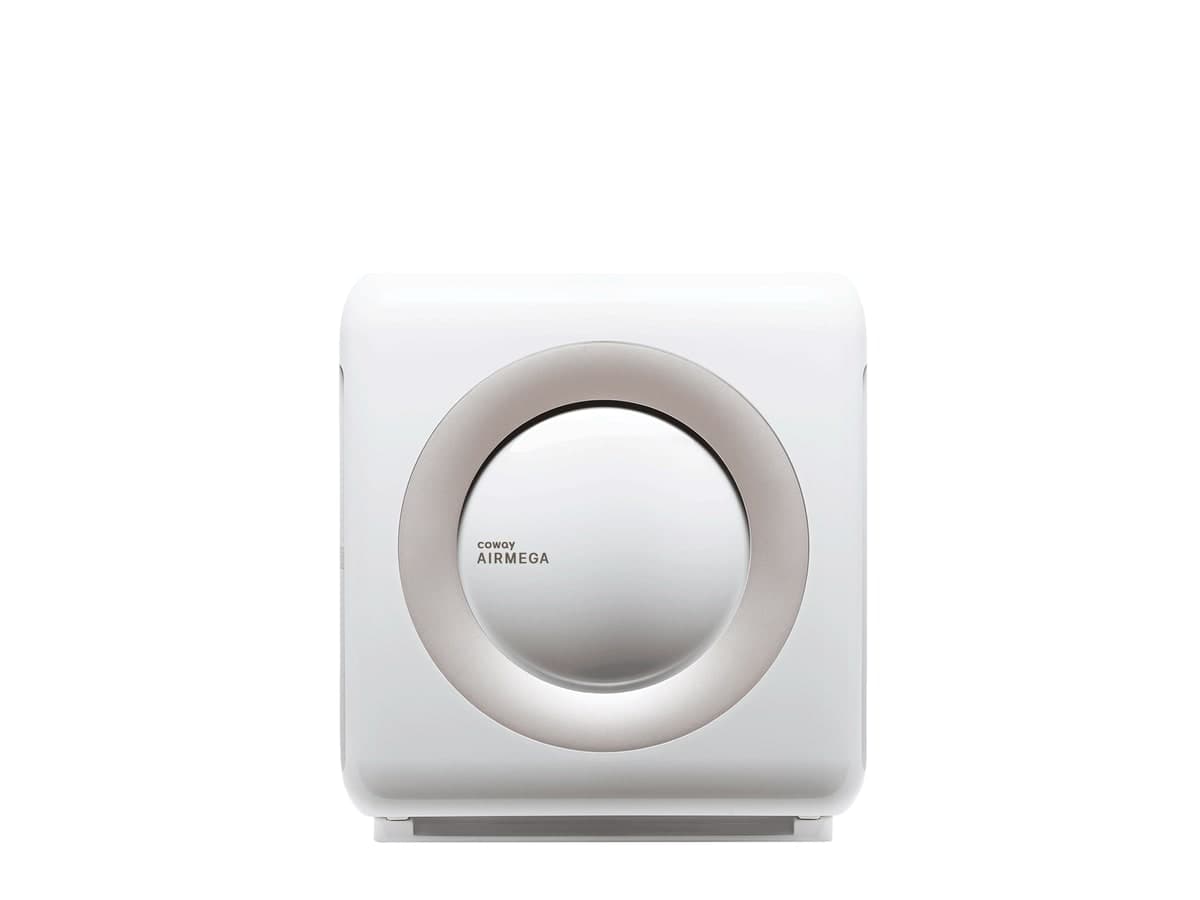
Coway Airmega AP-1512HH Mighty
Best overall
The value benchmark: strong CADR for a mid-size room, a genuine True HEPA + carbon stack, quiet auto mode, and cheap filters.
- 233 CFM CADR
- 361 sq ft
- $220–$250
Coway replacement filters
Coway comparisons, filter guides and fixes
- Blueair vs Coway: Which Air Purifier?Compare
- Coway Airmega 400 vs Levoit Core 600S: Worth the Extra $125?Compare
- Coway Mighty vs Mighty2: Is the New One Worth It?Compare
- Coway Mighty2 vs Levoit Vital 200S-P: Which to Buy?Compare
- Coway Mighty2 vs Winix 5530: Odor Control or Quiet?Compare
- Dyson vs Coway Air Purifier: Which Should You Buy?Compare
- Levoit Vital 200S-P vs Coway Mighty: App or No App?Compare
- Coway Mighty vs Mighty2 Filters: Which One Fits Your UnitGuides
- Air Purifier Not Improving Air Quality? Here's WhyTroubleshooting
- Air Purifier Red Light Won't Turn Off? Here's What It MeansTroubleshooting
- Air Purifier Smells Bad, Musty, or Like Burning? What to DoTroubleshooting
- Coway Airmega 400 Filter Reset: Pre Wash and Max2 ChangeTroubleshooting
- Coway Mighty Filter Light Reset: Odor and HEPA LEDs ExplainedTroubleshooting
- Coway Mighty Light Colors: Blue, Purple and Red ExplainedTroubleshooting
- Coway Mighty2 Filter Reset and Maintenance GuideTroubleshooting
- When to Replace Your Air Purifier Filter: The SignsTroubleshooting
Frequently asked questions
Which Coway Airmega is best for a bedroom?
The Mighty2. Coway rates it down to 19 dB, its light sensor moves Smart mode to Sleep after three minutes of darkness, and it has no ionizer to think about. It is sized for rooms up to about 370 sq ft, so even a large primary bedroom sits comfortably within range on a low speed.
Do original Mighty filters fit the Mighty2?
No. The original AP-1512HH uses a two-part set (a HEPA filter and a separate carbon filter), while the Mighty2 (AP-1512N) takes a single Max2 cartridge, part AP-1512N-FP, at $69.99. The housings differ, so neither fits the other. Check the model number on the unit's label (AP-1512HH or AP-1512N) before ordering.
Does any Coway Airmega have an app?
Not the Mighty, the Mighty2 or the standard Airmega 400; all three run on their own sensor and auto mode. The Airmega 400S is the Wi-Fi version of the 400 and adds the app, at a $749 list price. If you want app control at a mid-size price, the Levoit Vital 200S-P is the closest alternative.
Should I turn on the ionizer on my Coway Mighty?
We'd leave it off. The ionizer on the original AP-1512HH is optional and ships switched off, and the HEPA and carbon filters do the cleaning without it. Coway dropped the ionizer from the Mighty2 entirely, which settles the question for new buyers.
Should I replace my working Coway Mighty with the Mighty2?
No. The two clean almost the same amount of air (233 vs 240 CFM smoke CADR), so an upgrade buys a quieter low end and a better sensor rather than cleaner air. Keep the original running until it fails, and buy the Mighty2 when it does.
Is the Airmega 400 worth it over the Mighty2?
Only for rooms past about 370 sq ft. The 400 is rated at 328 CFM, enough for roughly 508 sq ft, but it usually sells for $400 to $450 against $230 to $270 for the Mighty2. In a bedroom or average living room, the extra airflow goes unused.