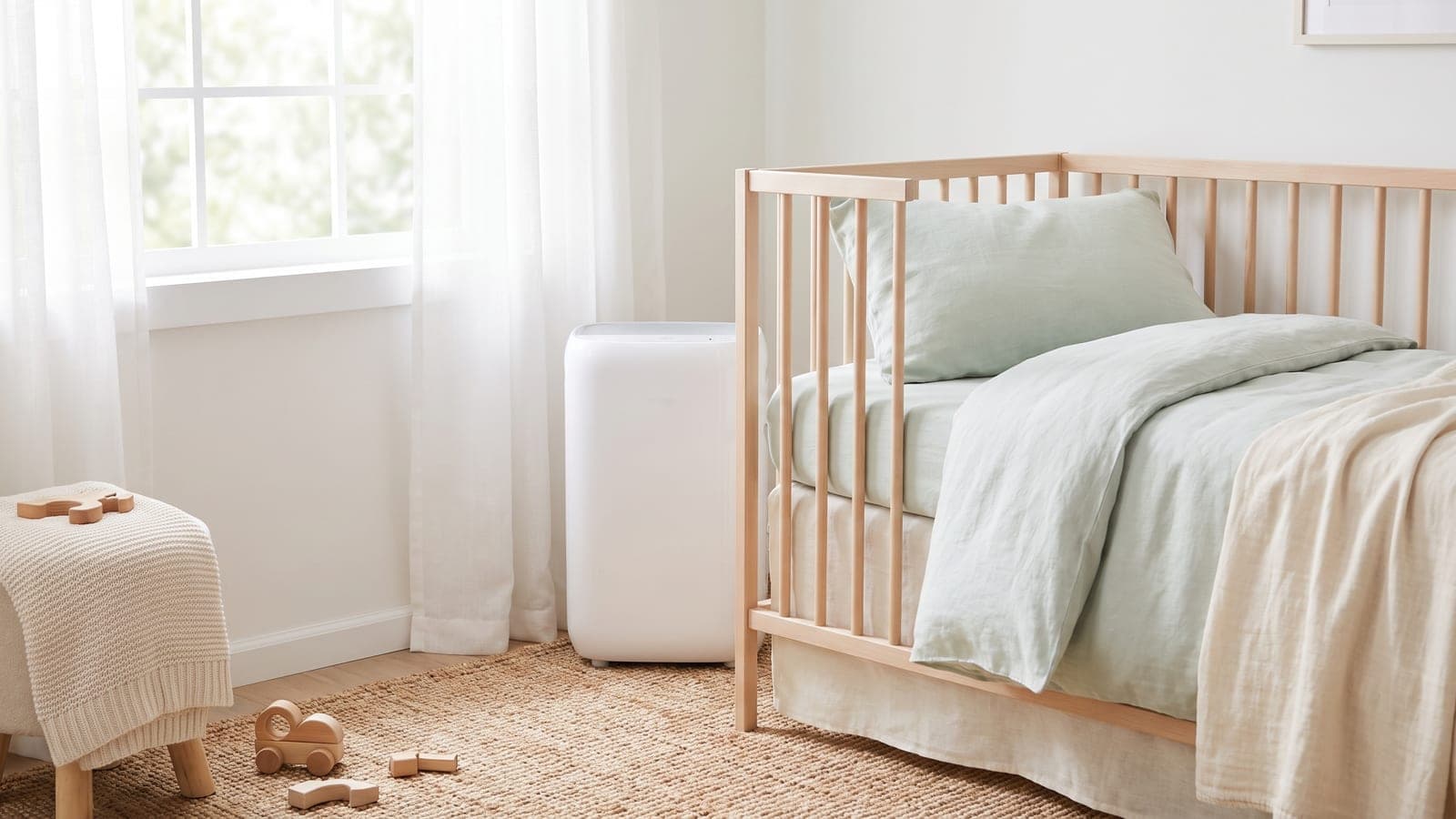
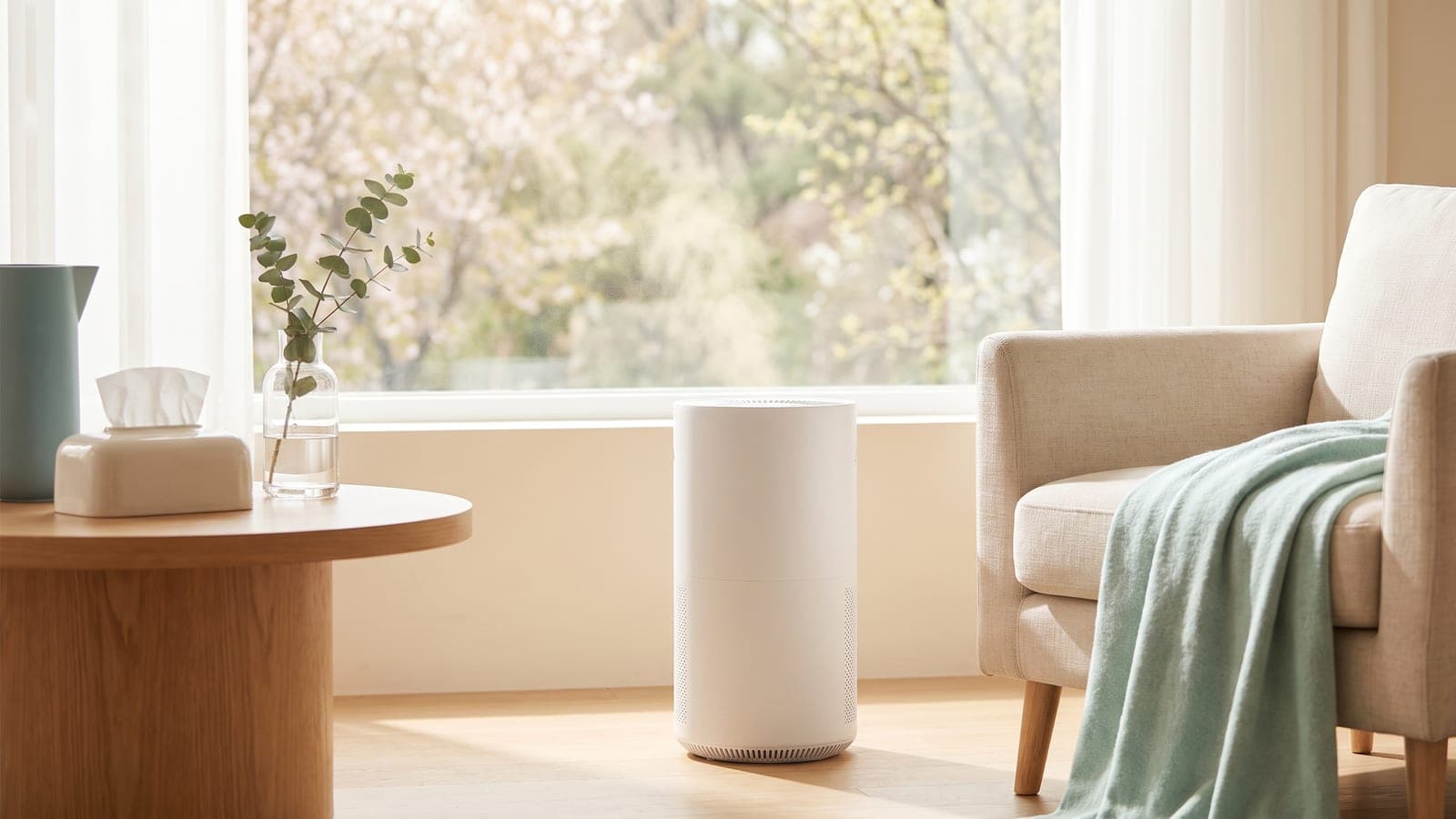
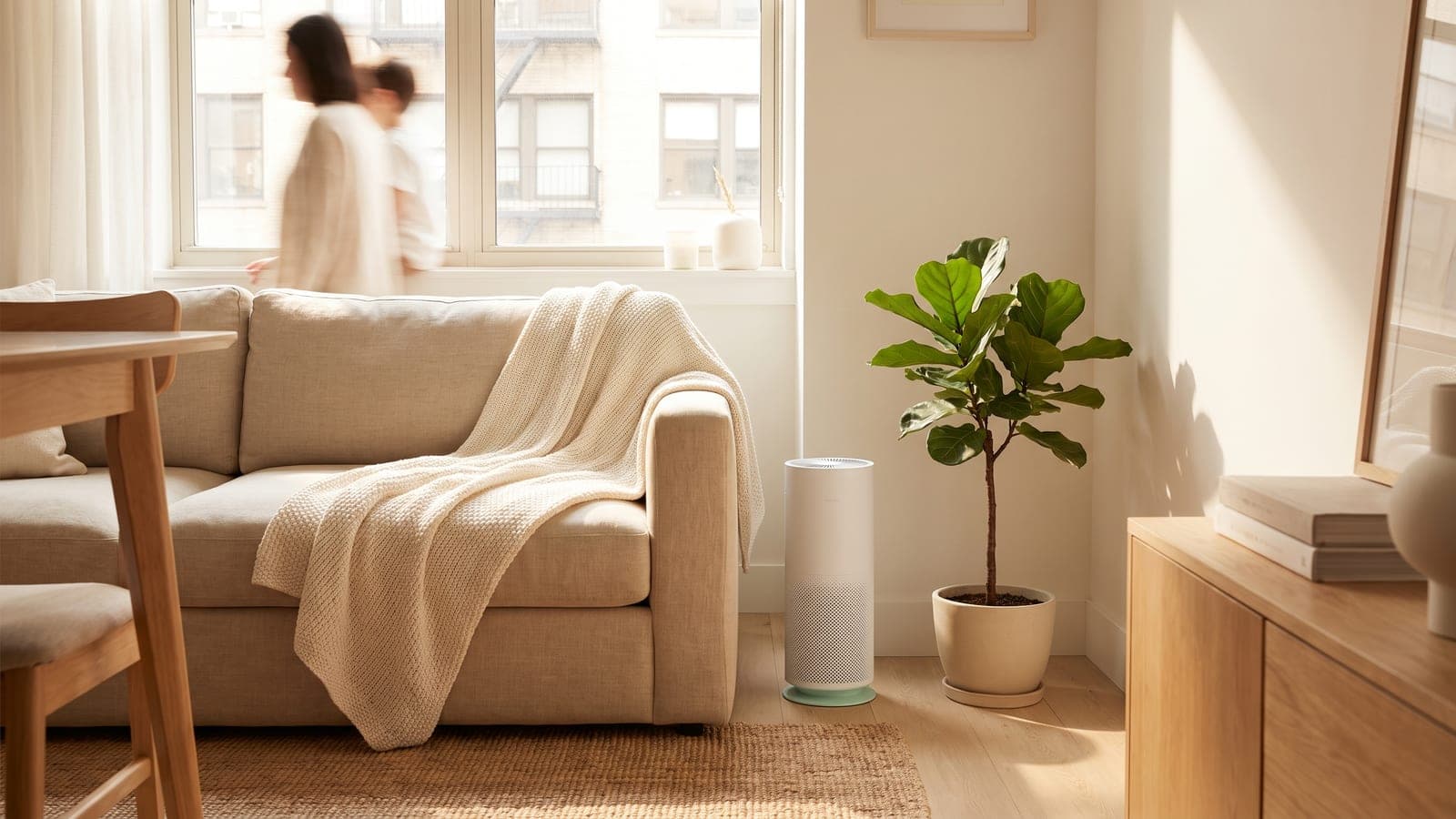
The best air purifier for cooking smells is the Winix 5530, because its granular carbon panel holds the odor gases that a HEPA filter lets straight through, and at about $180–$220 it's the cheapest way to get that much carbon. For an open-plan kitchen where searing a steak fills the room with haze, the Blueair Blue Pure 211i Max with its SmokeBlock filter moves the most air for the money. One caveat comes before any purifier: a range hood that vents outside removes smell at the stove, before it spreads, and nothing on this list matches it.
Think of the purifier as the cleanup after the hood has done what it can. Our guide on how to get rid of cooking smells covers ventilation, lids and closed doors; this page is the companion for what to buy.
Quick answer
| Model | CADR (smoke) | Room size | Carbon stage | Filters/yr | Best for |
|---|---|---|---|---|---|
| Winix 5530 | 253 CFM | 392 sq ft | Granular AOC panel | ~$80 list | Lingering odor, best value |
| Blueair Blue Pure 211i Max | 435 CFM | 674 sq ft | Carbon layer; SmokeBlock doubles it | ~$113–$170 (SmokeBlock) | Searing smoke, open plan |
| Coway Airmega Mighty2 | 240 CFM | 372 sq ft | Combined filter, 45% more than the Mighty | ~$70 | Apartment kitchen-living room |
| Levoit Core 600S | 391 CFM | 606 sq ft | Modest layer | ~$60 | Big open plan on a budget |
| AirDoctor AD5500i | 556 CFM | 862 sq ft | Dual carbon/VOC stage | ~$355 | Heavy daily cooking |
Room size multiplies smoke CADR by 1.55, which gives roughly 4.8 air changes an hour in a room with 8 ft ceilings. Filter costs assume normal use; frequent frying shortens them.
Carbon for the smell, airflow for the smoke
- Odor is a gas problem. Garlic, fish and curry smells are molecules that only activated carbon adsorbs, and a thin carbon-coated sheet fills up within weeks of daily cooking. Carbon mass is the number that matters here.
- Grease smoke is a particle problem. Searing and frying release a burst of fine particles, and that haze clears in proportion to CADR. A bigger fan clears it faster from a big room.
- Particle sensors see the smoke, not the smell. The Mighty2 and 211i Max steer auto mode from PM readings, which jump while you sear and fall back once the haze clears, even though the room still smells of dinner. A fixed speed after cooking works better.
- Grease coats pre-filters. In a kitchen, a pre-filter you can wash earns its keep; rinse it more often than the manual's household schedule.
Best overall for cooking smells: Winix 5530
Winix
5530
Mid-range · 253 CFM CADR · 392 sq ft
Paid links: we may earn a commission at no cost to you. Disclosure
The Winix 5530 has the most carbon per dollar on this page. Filter Q, its yearly replacement, includes a dedicated AOC carbon panel of granular pellets, about 226 g according to CleanAirAdviser, behind a True HEPA panel that catches the grease particles. That loose-fill design soaks up a nightly stir-fry for far longer than the carbon-dusted fabric most purifiers in this price band use.
Its AHAM-verified 253 CFM suits a closed kitchen and dining area of up to about 392 sq ft. In a 200 sq ft kitchen it reaches about 9.5 air changes an hour at full speed, enough to knock back the smell of frying quickly. The washable fine-mesh pre-filter is the first thing grease hits; Winix's manual says to rinse it every 14 days, and next to a stove that's a schedule to keep.
The trade-offs are cost and feedback. Filter Q lists at $79.99 a year, with sales around $50–$65, and the carbon can't be rinsed and reused, so heavy cooks will buy it on time or early. Air quality appears only as a colored light, not a number. PlasmaWave, Winix's ionizer, can be switched off and adds nothing for kitchen odor.
Best for searing smoke in an open plan: Blueair Blue Pure 211i Max
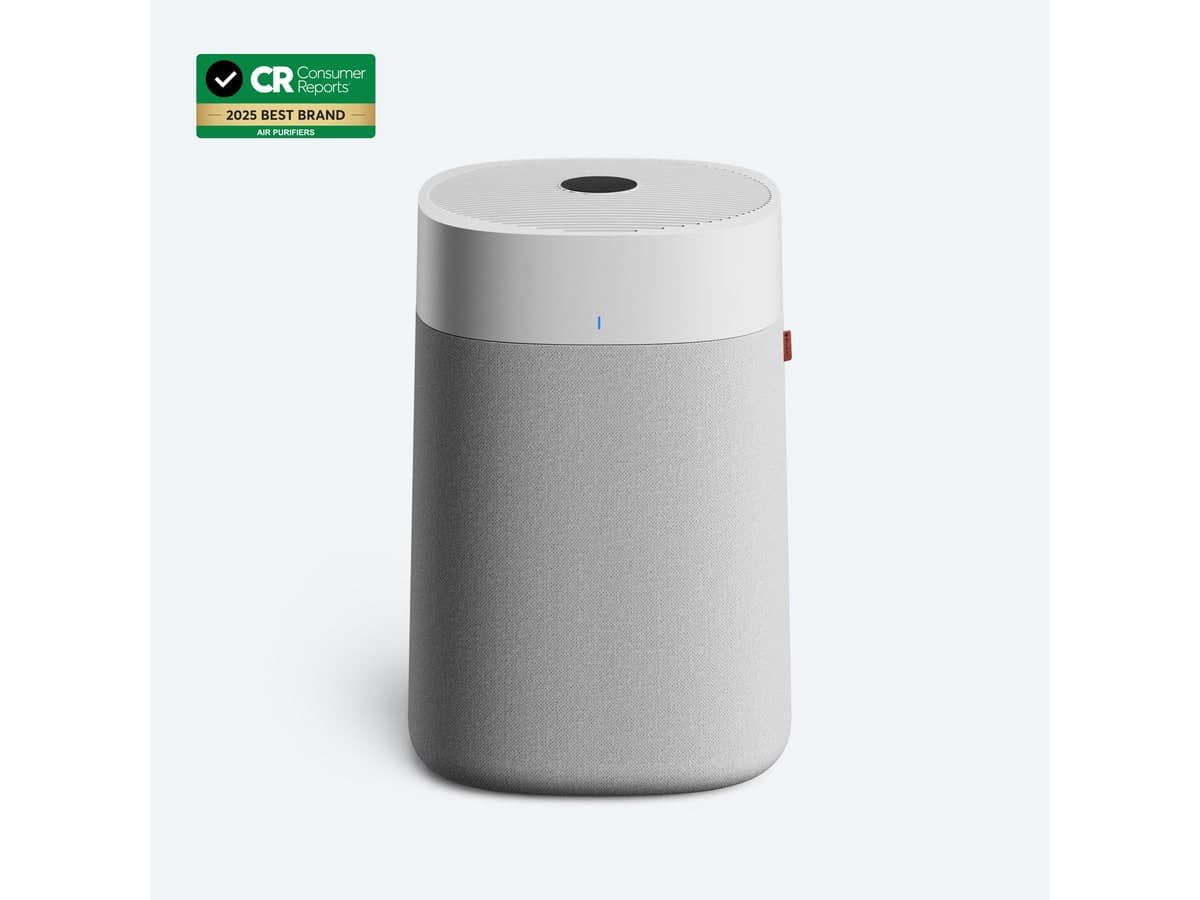
Mid-range · 435 CFM CADR · 674 sq ft
Paid links: we may earn a commission at no cost to you. Disclosure
When the problem is a cloud of searing smoke drifting from the stove into the living area, airflow decides how fast it clears. The Blueair Blue Pure 211i Max is rated at 435 CFM for smoke, enough for about 674 sq ft, roughly a 25 × 27 ft open-plan space. Its PM1, PM2.5 and PM10 sensors catch the burst from a hot pan and push the fan up within moments, and it draws only 46 W at full tilt.
The standard Particle + Carbon filter carries a light carbon layer, so for cooking odor buy the SmokeBlock version instead. Blueair says it holds twice the carbon; it costs $84.99 and lasts 6–9 months, so plan on about $113–$170 a year. Our 211i Max filter guide compares all four filter options. Even with SmokeBlock, the carbon is a layer rather than a bed, so the Winix 5530 will hold a lingering curry smell longer.
Two other caveats. The HEPASilent stage charges particles and can't be switched off, and the unit stands nearly 23 inches tall, which takes floor space in a small kitchen. It sells for $230–$350 against a $349.99 list price, and sales are frequent.
Quietest for an apartment kitchen-living room: Coway Airmega Mighty2
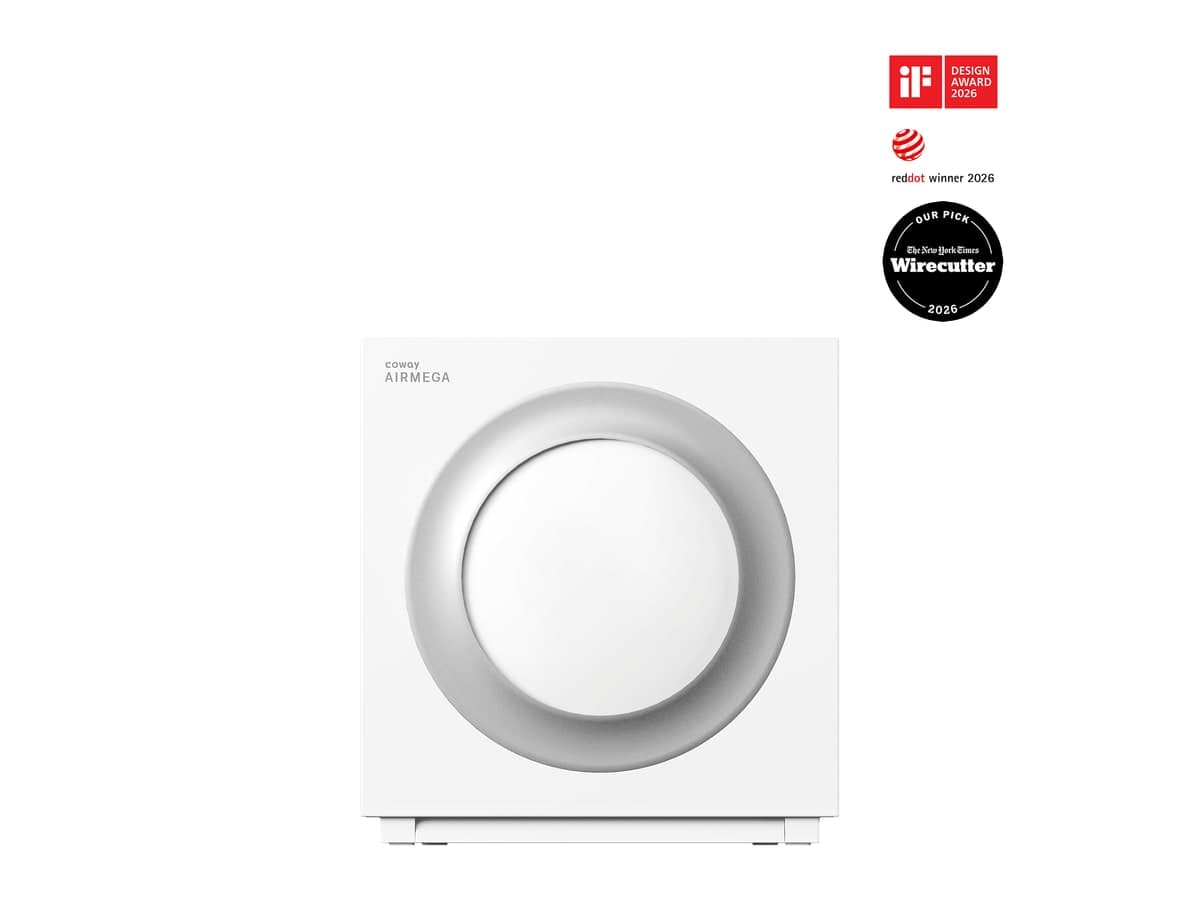
Mid-range · 240 CFM CADR · 372 sq ft
Paid links: we may earn a commission at no cost to you. Disclosure
In a one-bedroom apartment where the kitchen opens onto the sofa, the Coway Airmega Mighty2 balances odor control with peace and quiet. Coway says its Max2 filter holds 45% more carbon than the original Mighty's, and HouseFresh found its MegaScan laser sensor reacts much faster than the optical sensors in older Coway models, so it notices the first wisp from a pan. Its 240 CFM covers about 372 sq ft.
It's the quietest machine here at the low end, rated at 19 dB, and HouseFresh measured about 10 W on speed 2, roughly $15 a year if it runs nonstop. There's no ionizer and no app to set up. The filter is $69.99 and rated for up to 12 months, about $70 a year.
Because HEPA and carbon share one cartridge, a saturated carbon layer means replacing the whole filter, even if the HEPA side still has life left. At 15.2 lb with no wheels, it's also not the one to carry between kitchen and bedroom every night. Expect to pay $230–$270.
Best value for a big open kitchen: Levoit Core 600S
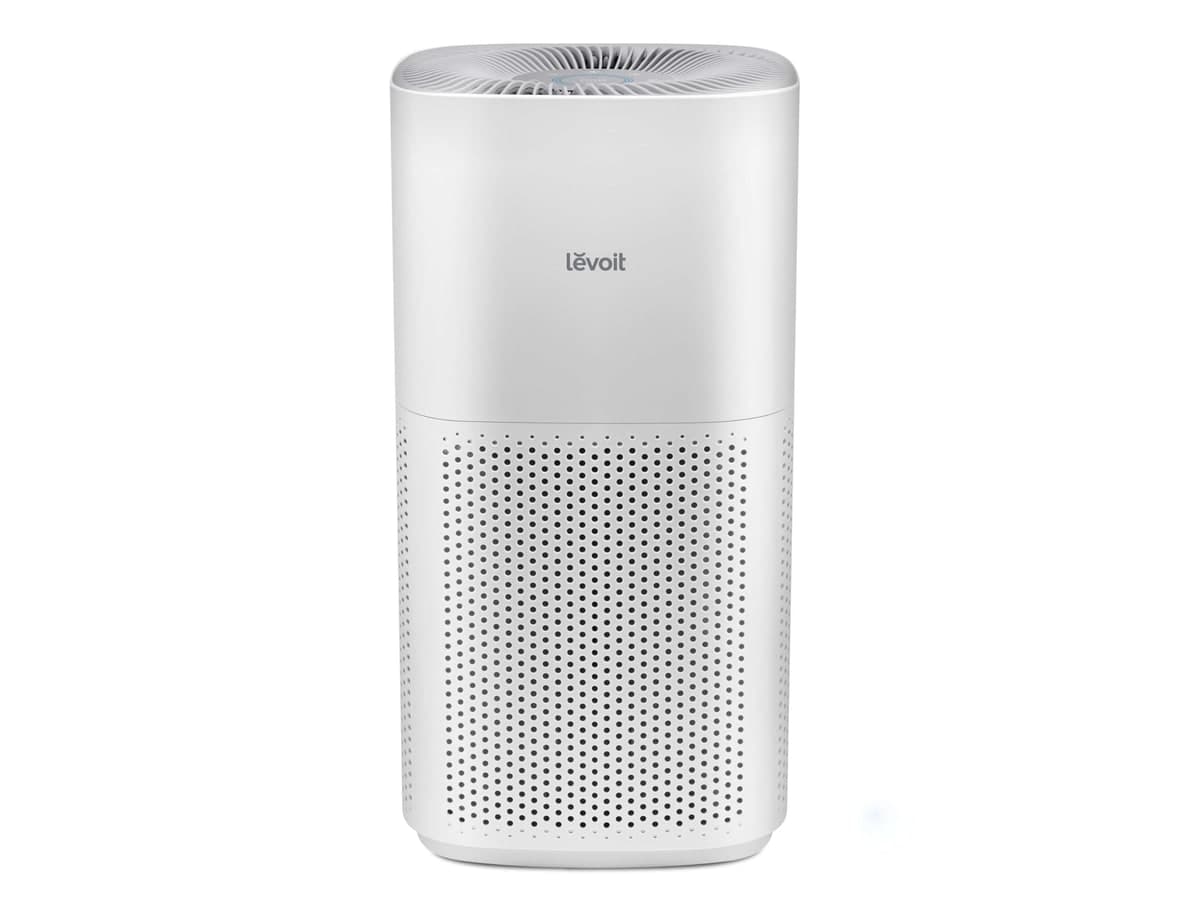
Mid-range · 391 CFM CADR · 606 sq ft
Paid links: we may earn a commission at no cost to you. Disclosure
For a large open-plan space on a moderate budget, the Levoit Core 600S buys the most airflow per dollar. Its 391 CFM covers about 606 sq ft for around $280–$320, and filters cost about $60 a year. The VeSync app lets you schedule a high speed for the hour around dinner, which deals with the sensor problem above without any button-pressing.
Its weakness is the one that matters most on this page: the carbon stage is modest. It will clear the haze from a seared steak across a big room quickly, but a strong fish or spice smell will outlast its carbon sooner than the Winix 5530's or the AirDoctor's. Our Core 400S-P vs Core 600S comparison helps if you're unsure the room needs this much fan.
Best for heavy daily cooking: AirDoctor AD5500i
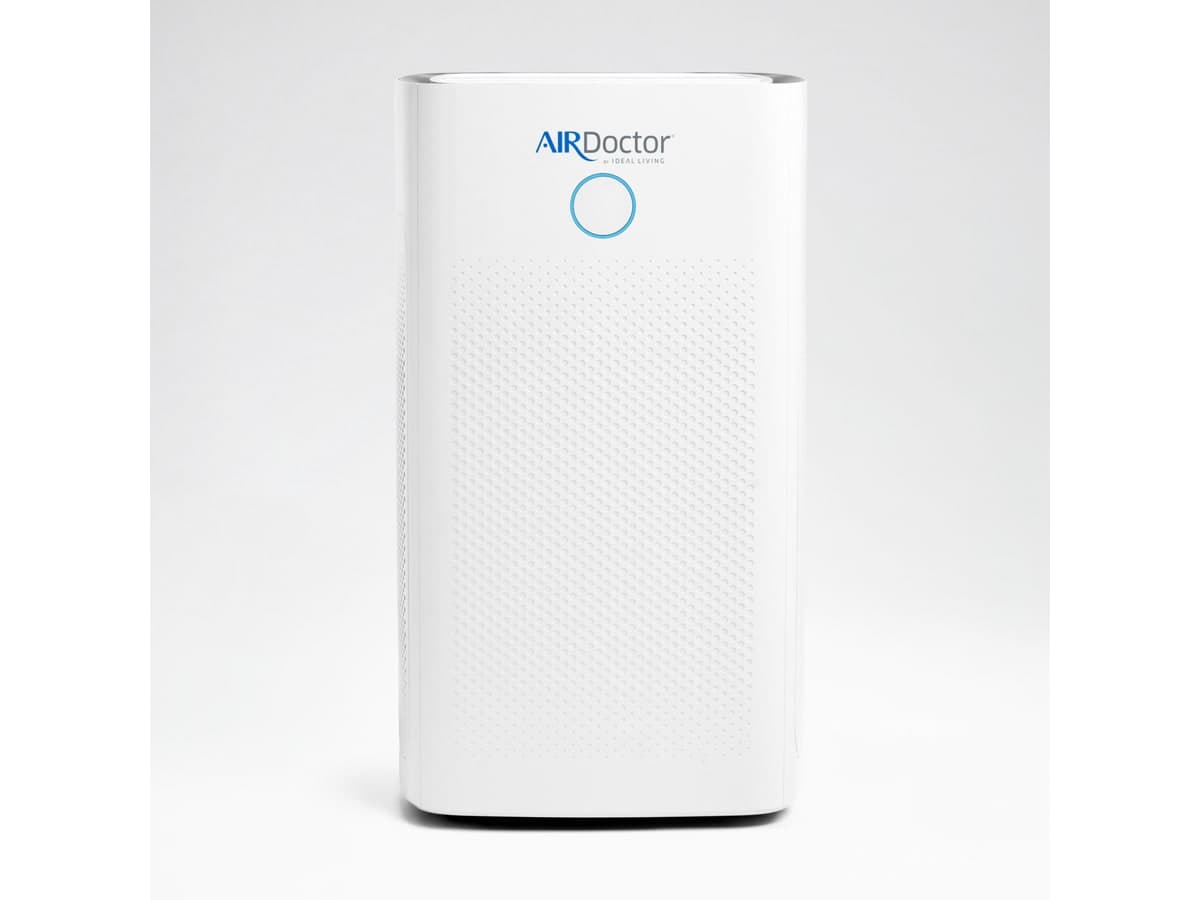
Premium · 556 CFM CADR · 862 sq ft
Paid links: we may earn a commission at no cost to you. Disclosure
The AirDoctor AD5500i is the pick for a household that fries or cooks pungent food most nights in a large open space. It pairs an UltraHEPA filter with a dual carbon and VOC stage designed around gases rather than a token odor layer, and its 556 CFM covers about 862 sq ft. The app and auto sensor are included.
It costs around $999 (often discounted), filters run about $355 a year (AirDoctor's one-year pack, with the carbon/VOC filters swapped every six months), and it pulls 110 W at full speed. Three years of purchase and filters comes to about $2,060. If you own the home and the kitchen has no ducted hood, price one before spending this much; fixing the source beats chasing the smell around the house.
How to choose a purifier for cooking smells
Ventilate first, then size the purifier to the space the smell reaches, not just the kitchen. Divide the connected floor area by 1.55 for the smoke CADR you need: a closed 10 × 12 ft kitchen needs about 80 CFM, while a 500 sq ft kitchen, dining and living area needs about 320 CFM. Because cooking happens in bursts, a unit with spare capacity clears each one faster.
Next, decide which half of the problem bothers you more. If the house smells of last night's dinner the next morning, buy carbon: the Winix 5530 for most budgets, the AirDoctor for heavy cooking. If the issue is haze and a smoke alarm that goes off when you sear, buy airflow: the 211i Max or the Core 600S. The Mighty2 sits between the two in a small space where noise matters. Our explainer on activated carbon filters shows why carbon quantity matters so much, and the best air purifiers for VOCs list covers units with even deeper carbon beds.
Placement matters more in a kitchen than elsewhere. Keep the unit a few feet from the stove, out of the splatter zone, ideally between the cooking area and the seating so it intercepts odor on its way across the room. Run it on a fixed medium or high speed through the meal and for an hour or so afterward, then let auto mode take over.
Frequently asked questions
Is a range hood better than an air purifier for cooking smells?
Yes, if it vents outdoors. A ducted hood pulls grease and odor out of the house at the stove, before they reach the rest of the room, which no purifier can match. A recirculating hood only filters and blows the air back, so it does less. The purifier's job is the smell that escapes the hood and lingers after the meal.
Will a HEPA air purifier get rid of fried food smell?
Not on its own. HEPA traps the grease and smoke particles from frying, which clears the haze, but the smell itself is made of gases that pass through it. Only activated carbon adsorbs those, and the amount of carbon decides how long it keeps working. That's why the picks here are judged on carbon first.
Should I leave the purifier on auto mode while cooking?
Auto mode is fine for the first few minutes, because searing and frying throw off particles that the sensor sees. Once the haze settles, though, the odor gases that remain don't register on a particle sensor, and auto drops back to a low speed. Set a fixed medium or high speed for an hour or so after cooking instead.
How often should I replace the filter if I cook a lot?
Earlier than the box suggests. Daily cooking fills carbon faster than ordinary household air, and grease loads the pre-filter and HEPA too. A practical sign is the smell hanging around after dinner even with the purifier on high; at that point the carbon is spent. Budget for that, especially with the 211i Max's SmokeBlock filter, which Blueair rates for 6–9 months.
What size air purifier do I need for an open-plan kitchen?
Divide the whole connected space, not just the kitchen, by 1.55 to get the smoke CADR you need. A 500 sq ft kitchen, dining and living area needs about 320 CFM, which points to the Levoit Core 600S (391 CFM) or the Blueair Blue Pure 211i Max (435 CFM). A closed 10 × 12 ft kitchen needs only about 80 CFM.