"Whole house air purifier" is a phrase that hides an important distinction. A genuine whole-house system is integrated into your HVAC ductwork, filtering the air your furnace pushes to every room — a professional install that's outside the scope of the plug-in units we cover. What most people actually mean, and what this guide is about, is covering a home with portable purifiers. Air doesn't flow freely between closed rooms, so no single box cleans a whole house; instead you run a strong unit in each main area, or a couple of high-CADR machines placed where people spend their time. The picks below are the biggest, most capable portable units, each ranked on real clean-air output.
Quick answer
| Model | CADR (smoke) | Coverage | Filters/yr | Best for |
|---|---|---|---|---|
| AirDoctor AD5500i | 556 CFM | ~862 sq ft | ~$355 | Best overall |
| Coway Airmega 400 | 328 CFM | ~508 sq ft | ~$129 | Large main floor |
| IQAir HealthPro Plus | — | 1,125 sq ft | ~$200 | Strongest filtration |
| Levoit Core 600S | 391 CFM | 606 sq ft | ~$60 | Best value per room |
| Blueair Blue Pure 211i Max | 435 CFM | 674 sq ft | ~$93–$140 | Smart pick for open living areas |
IQAir rates its HyperHEPA media rather than publishing an AHAM CADR, so no smoke CADR is listed for it.
Key takeaways
- No single unit cleans a whole house. Air doesn't move between closed rooms, so real coverage means a strong unit per main area — or several units placed where people are.
- True whole-house means HVAC-integrated. A ducted system reaches every room but is a professional install; the units here are powerful portables, not a duct system.
- Size each unit by CADR. For a big open floor, aim for a smoke or dust CADR of at least two-thirds of the square footage so it delivers real air changes, not one weak pass.
Best overall for whole-home coverage: AirDoctor AD5500i
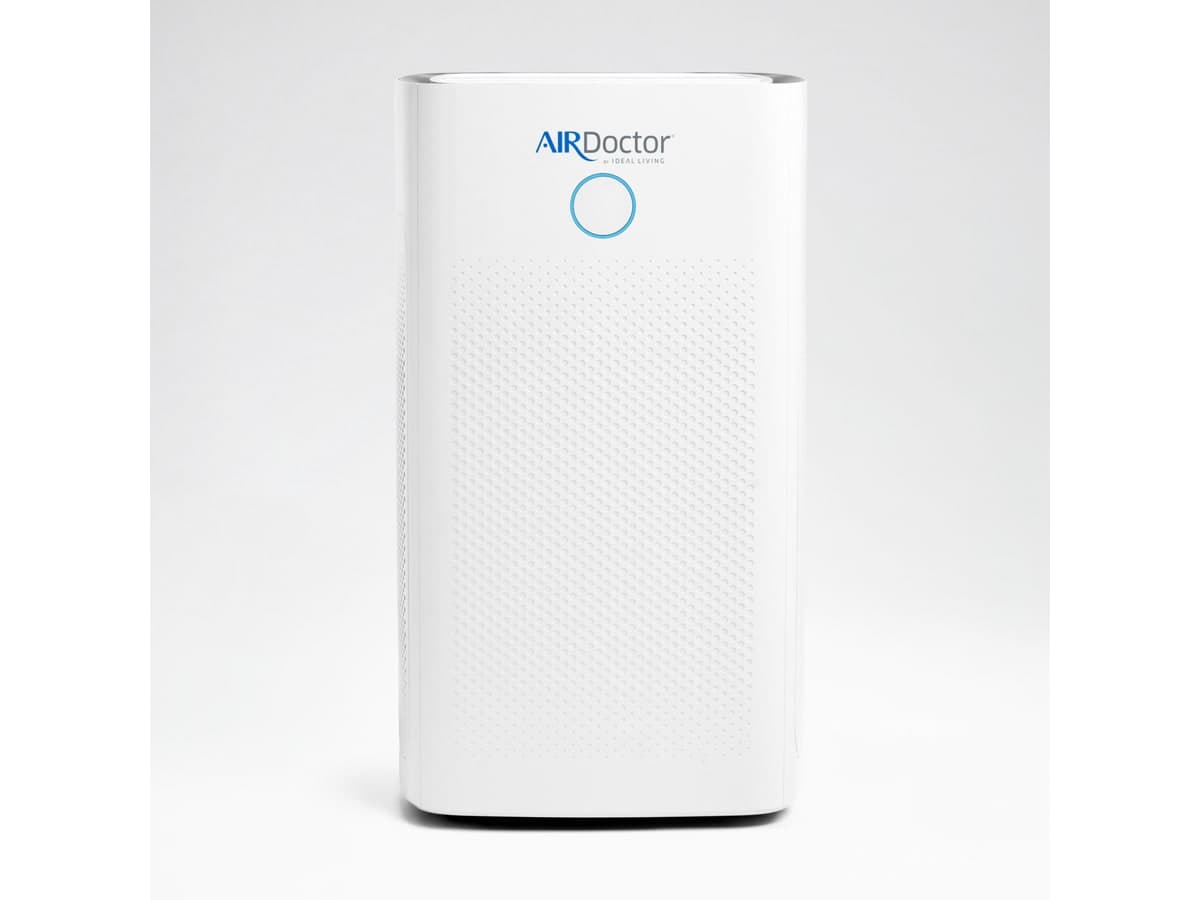
Premium · 556 CFM CADR · 862 sq ft
Paid links: we may earn a commission at no cost to you. Disclosure
For anchoring a home's main living area, the AD5500i leads on raw capacity. It pairs an UltraHEPA filter with a large dual carbon and VOC stage and pushes a CADR around 556 CFM — enough to keep pace with a big open floor up to roughly 862 sq ft at a real air-change rate. Wi-Fi, an app, and sensor-driven auto mode let it manage itself and ramp up when the air degrades. It's a premium buy around $999 with filters near $355 a year, so pairing it with smaller units in the bedrooms adds up — but as the workhorse for a home's largest space, it's the strongest here.
Best for a large main floor: Coway Airmega 400
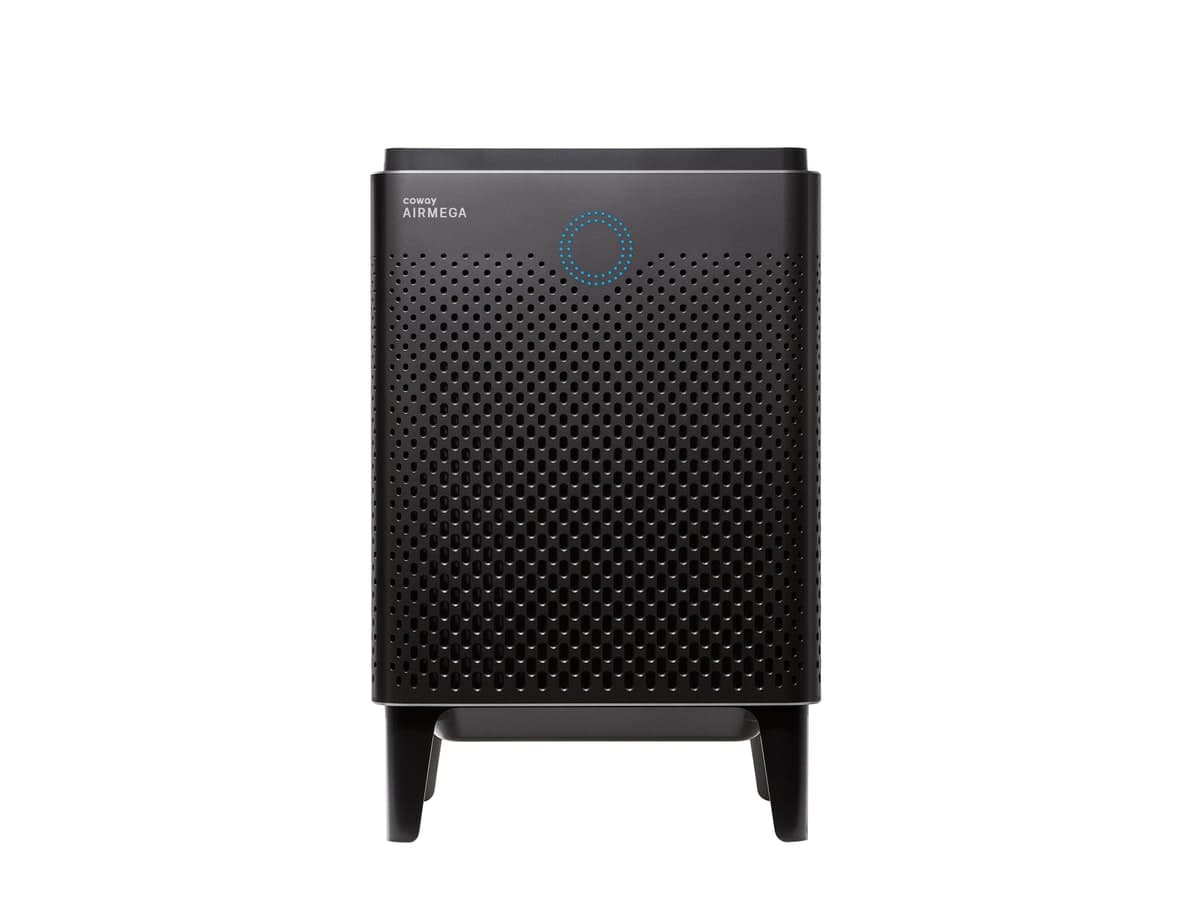
Premium · 328 CFM CADR · 508 sq ft
Paid links: we may earn a commission at no cost to you. Disclosure
The Airmega 400 is the refined, quiet choice for a big open-plan main floor. It feeds two full True HEPA and carbon filters and delivers a CADR around 328 CFM, comfortably covering roughly 508 sq ft at a meaningful air-change rate, with the same trusted sensor and auto mode found across Coway's range. It runs quietly for its output and looks at home in a living space. The base model skips the app, but its two-filter set runs about $129 a year, and around $450 it's a lot of clean-air-per-dollar for the heart of a home.
Best for the strongest filtration: IQAir HealthPro Plus
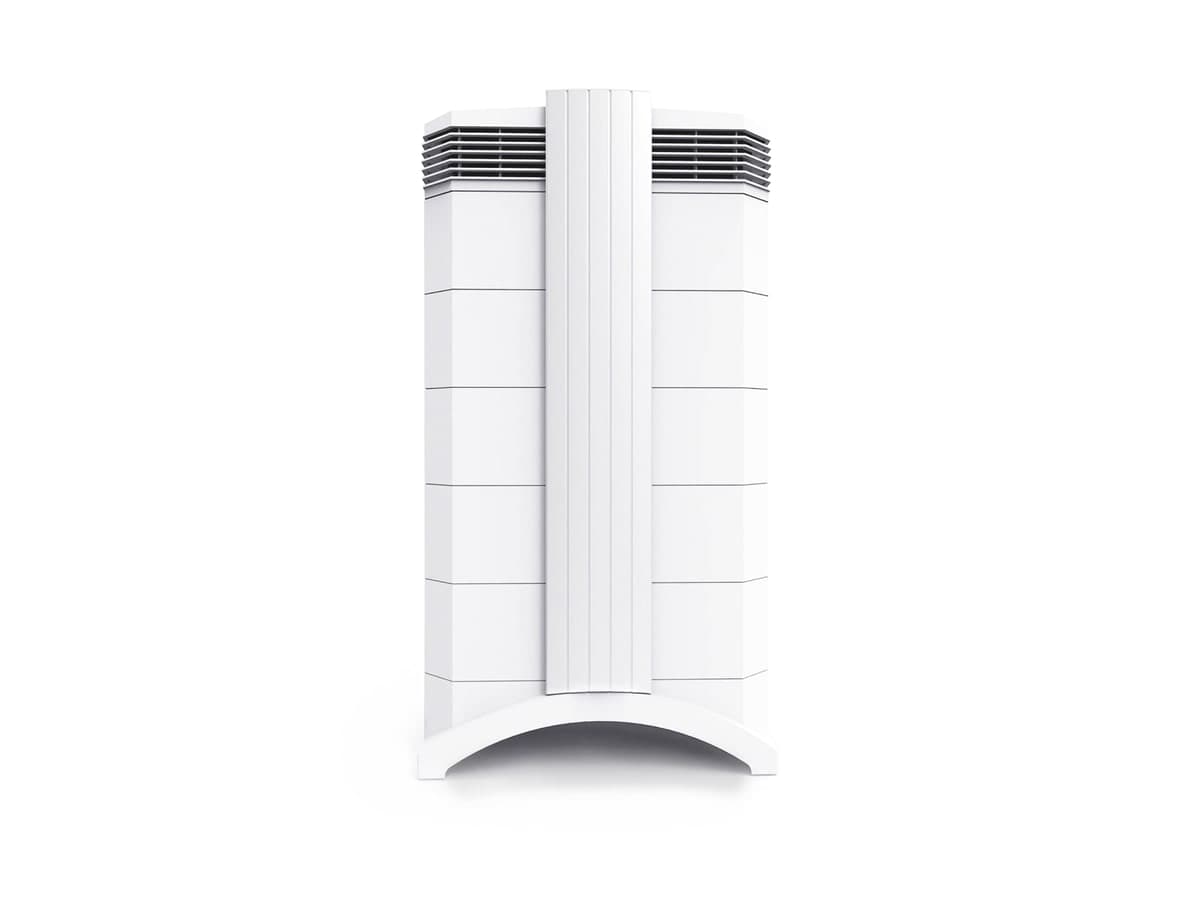
When you want the most thorough air cleaning made and are covering a large area, the HealthPro Plus is the benchmark. Its HyperHEPA filter is rated to capture particles well below the standard HEPA threshold, and a large V5-Cell gas and odor stage handles VOCs across a space up to roughly 1,125 sq ft. It's a luxury buy around $1,199 direct, draws up to 134 watts and the filters aren't cheap; the current XE version does add Wi-Fi, a PM2.5 sensor and auto mode. For uncompromising filtration in a home's main area, nothing else here matches it.
Best value per room: Levoit Core 600S
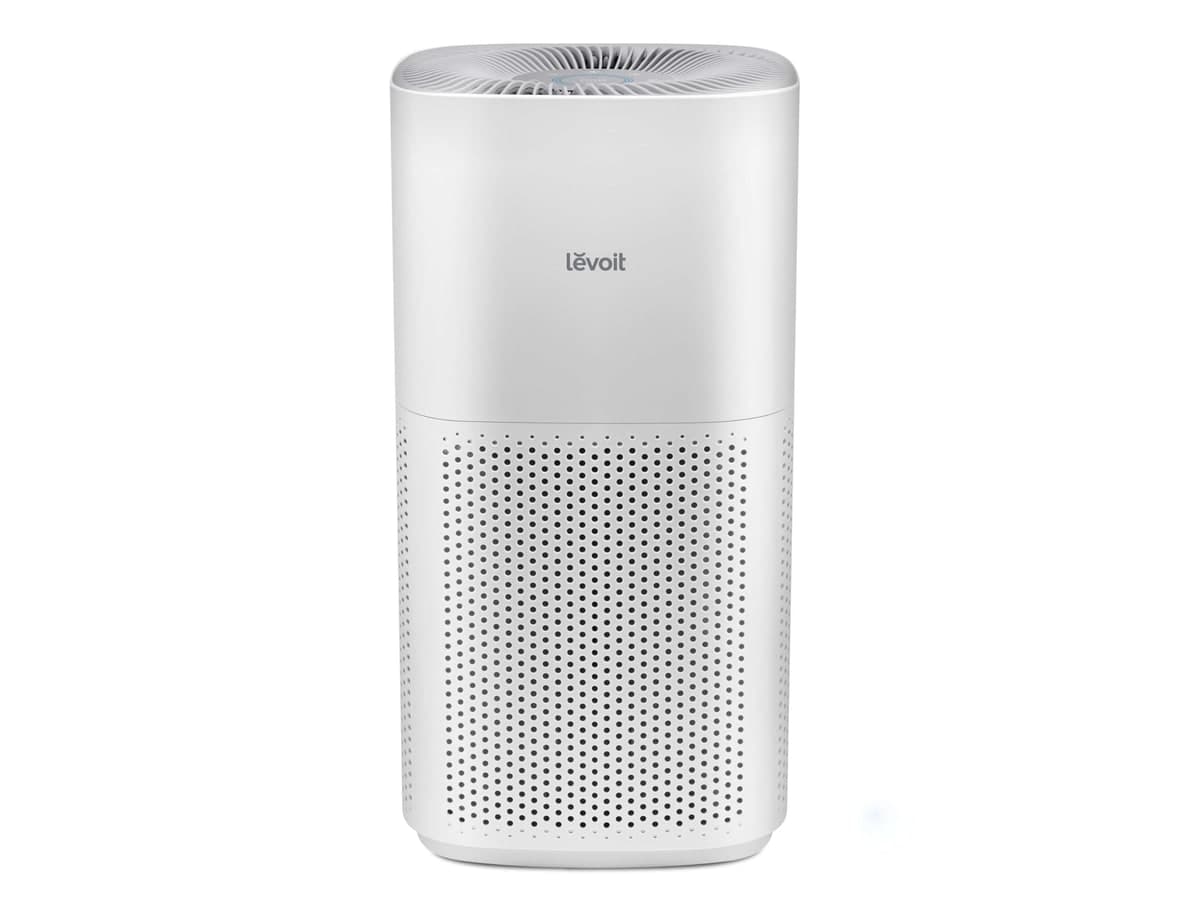
Mid-range · 391 CFM CADR · 606 sq ft
Paid links: we may earn a commission at no cost to you. Disclosure
To fill out the rest of the house without spending premium money in every room, the Core 600S is the value backbone. It runs H13 True HEPA plus carbon and delivers a CADR around 391 CFM, strong enough for a large bedroom or a secondary living area, for around $300, and it draws a modest 49 watts. You get the full smart package: app, sensor, and auto mode, so each unit manages itself and you can check them all from your phone. Buy one for the main space and cheaper Levoits for bedrooms, or use these throughout; with filters around $60 a year, it's the cheapest unit on this list to run in every room.
Best smart pick for an open living area: Blueair Blue Pure 211i Max
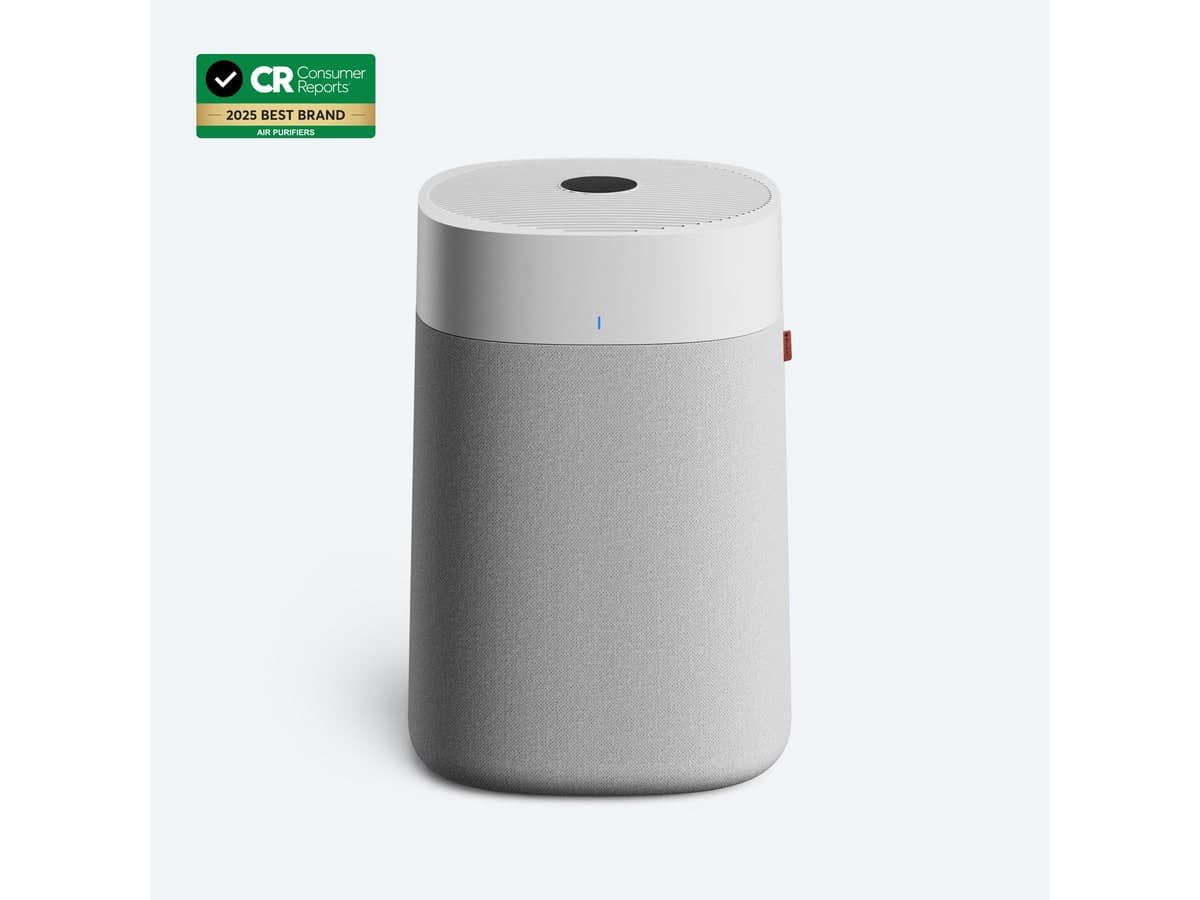
Mid-range · 435 CFM CADR · 674 sq ft
Paid links: we may earn a commission at no cost to you. Disclosure
The Blueair Blue Pure 211i Max replaced the one-button 211+ in Blueair's range, and it gives an open living area more airflow than the Airmega 400 for less money. Its 435 CFM smoke CADR covers about 674 sq ft, it sells for roughly $230–$350, and it draws only 46 W at top speed, the lowest on this list, which counts when three or four purifiers run around the clock. PM1, PM2.5 and PM10 sensors drive an auto mode, and the app adds schedules and Alexa or Google control, so it adjusts to cooking or pollen spikes without anyone changing the speed.
The trade-offs: filters cost about $93–$140 a year (a $69.99 filter every six to nine months), more than the Levoit's, and the HEPASilent system has an electrostatic charging stage that can't be switched off. If you want purely mechanical filtration in the main room, the Airmega 400 is the ionizer-free alternative.
How to choose the right one for you
First, drop the idea that one machine can do the whole house — it can't, because air doesn't cross closed doors, so plan around your actual layout and where people spend time. Anchor the biggest open space with a high-CADR unit like the AirDoctor, Coway 400, or IQAir, then add value units in the bedrooms that need them; where to place an air purifier helps you position each one for the best effect. Size every unit by running its room through the room-size to CADR calculator and aiming for a smoke or dust CADR of at least two-thirds of the square footage — what CADR and CFM really mean explains why the box coverage claim overstates it. If your real challenge is one big open floor rather than a whole multi-room house, our best air purifiers for large rooms roundup focuses squarely on that.
Frequently asked questions
Can a single air purifier clean a whole house?
Not really. Portable air purifiers clean the room they're in, because air doesn't move freely between closed rooms and floors. Even a very high-CADR unit only treats the open space around it. To cover a whole house you either place a strong unit in each main living area or use several units — one big machine in the living room won't clean the bedrooms upstairs.
What does 'whole house air purifier' actually mean?
There are two meanings. A true whole-house system is built into your HVAC ductwork so filtered air reaches every room the furnace serves — that's a professional install, not a plug-in box, and it's outside what portable units do. The other meaning, and what most shoppers actually buy, is one or more powerful portable units placed to cover a home's main areas.
Is it better to buy one big air purifier or several smaller ones?
For a whole home, several units usually win, because they put clean air where people actually are — bedrooms, living room, home office. One big machine cleans its own room superbly but can't reach behind closed doors. A common approach is a high-CADR unit in the main living area and smaller units in the bedrooms that need them most.
How do I size an air purifier for a large open floor plan?
Go by CADR, not the 'covers up to X sq ft' claim on the box. Aim for a smoke or dust CADR of at least two-thirds of the open area's square footage so it delivers several air changes an hour rather than one weak pass. For a big open-plan main floor, that usually means a premium high-CADR unit or two well-placed machines.
Do whole-house air purifiers use a lot of electricity?
The bigger portable units here draw more than a small bedroom unit, roughly 46 to 134 watts at full speed depending on the model, but even the thirstiest is modest run continuously, usually a few dollars a month each. The larger ongoing cost is filters, which on premium units can run about $110 to $355 a year, so factor several units into the budget.