Basements have their own air problem: they're damp, poorly ventilated, and prone to that unmistakable musty smell, which is really the scent of dampness and the mold spores it feeds. A purifier can genuinely help here — a HEPA filter pulls the airborne spores and dust, and a carbon stage tackles the odor — but it can't dry the air, and in a damp basement that is the bigger job. Buy a dehumidifier first if the space is damp. Then, for most finished basements, the Coway Airmega AP-1512HH Mighty is the default purifier, with the new Winix 5530 as the pick for heavier mustiness and remote control from upstairs.
Quick answer
| Model | CADR (smoke) | Coverage | Filters/yr | Best for |
|---|---|---|---|---|
| Coway Airmega AP-1512HH Mighty | 233 CFM | 361 sq ft | ~$60 | Best overall |
| Winix 5500-2 | 232 CFM | 360 sq ft | ~$60 | Washable carbon |
| Winix 5530 | 253 CFM | 392 sq ft | ~$80 (less on sale) | Granular carbon + app |
| Levoit Core 600S | 391 CFM | 606 sq ft | ~$60 | Large basement |
| AirDoctor AD5500i | 556 CFM | ~862 sq ft | ~$355 | Odors & VOCs |
Coverage is smoke CADR × 1.55, about 4.8 air changes an hour with 8 ft ceilings. Many basements have lower ceilings, which lets the same unit cover a little more floor.
Key takeaways
- Dry it before you filter it. A purifier doesn't lower humidity, so it can't fix the dampness behind the smell. If the basement is damp, a dehumidifier is the first purchase.
- Carbon is the purifier priority. The musty smell is odor and VOCs, and only a genuine activated-carbon stage adsorbs it — a HEPA filter alone won't touch the smell.
- Size the CADR to the space. Basements are often large and open; aim for a smoke or dust CADR of at least two-thirds of the square footage so the unit keeps up.
Is a purifier even the right fix?
Often it's the second fix. A musty basement smells that way because something is wet: seepage through the walls, condensation on cold pipes and slab, a dryer venting indoors, or plain high humidity in summer. A purifier will pull spores and odor molecules out of the air that passes through it, but the moisture keeps producing more, so the smell comes back within days of the filter catching up.
A cheap hygrometer settles the question. If it reads above about 50% for days at a time, run a dehumidifier and deal with any water getting in, then judge what's left. Our explainer on air purifiers vs humidifiers vs dehumidifiers covers which machine does which job. A purifier earns its place once the space is dry, or in a finished basement that is dry but stale, dusty, or used for laundry and storage.
One more sign the damp is winning: if the purifier itself starts to smell sour or musty, the carbon is saturated or the filter has taken on moisture. Our guide to a purifier that smells musty walks through it.
Best overall for basements: Coway Airmega AP-1512HH Mighty
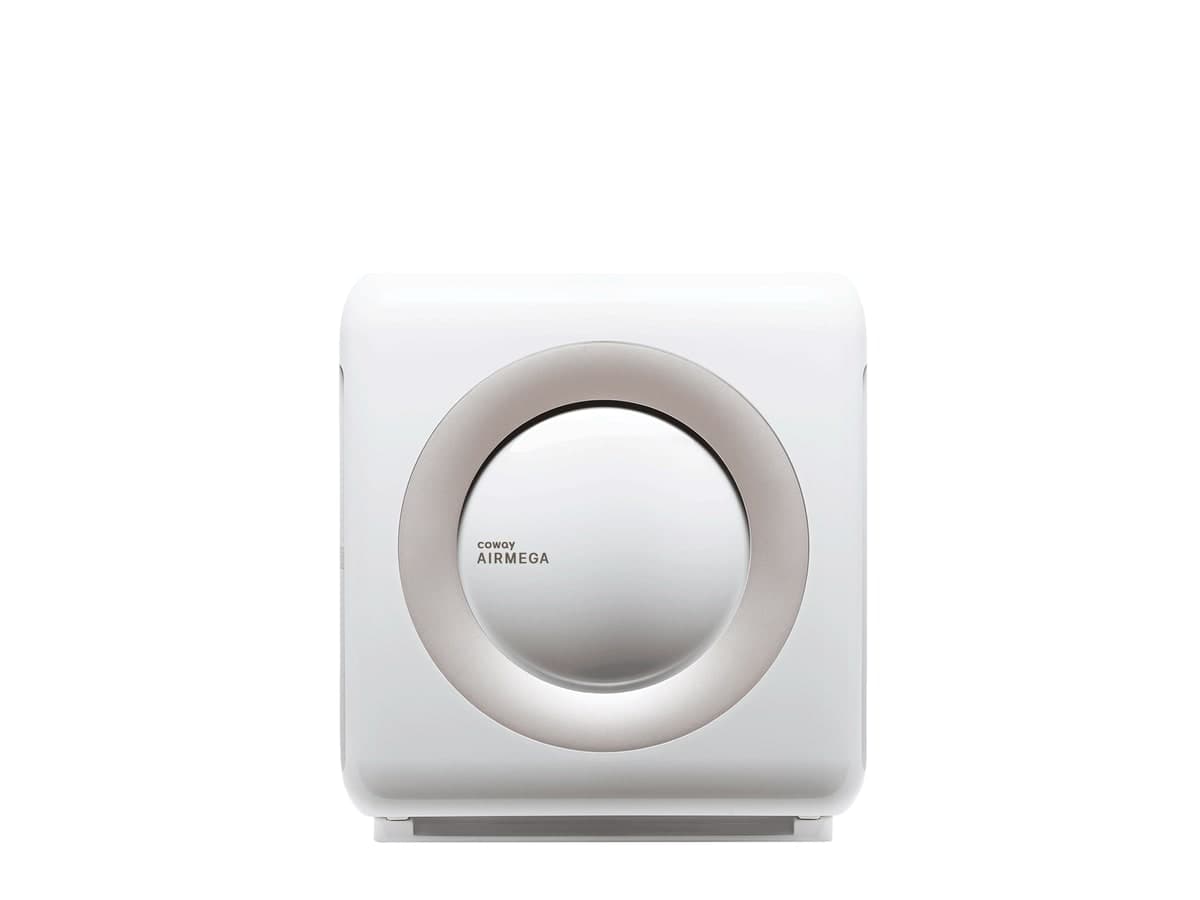
Mid-range · 233 CFM CADR · 361 sq ft
Paid links: we may earn a commission at no cost to you. Disclosure
The Coway Airmega AP-1512HH Mighty is the sensible default for a typical finished or semi-finished basement up to about 361 sq ft. It combines True HEPA for spores and dust with a carbon layer for that musty edge, and its trusted sensor and auto mode let it manage itself in a room you don't visit constantly. It runs quietly for its output, filters are cheap at roughly $60 a year, and there's an optional ionizer you can leave off. At around $240 it hits the balance of odor handling, coverage, and price that most basements actually need.
Best for washable carbon: Winix 5500-2
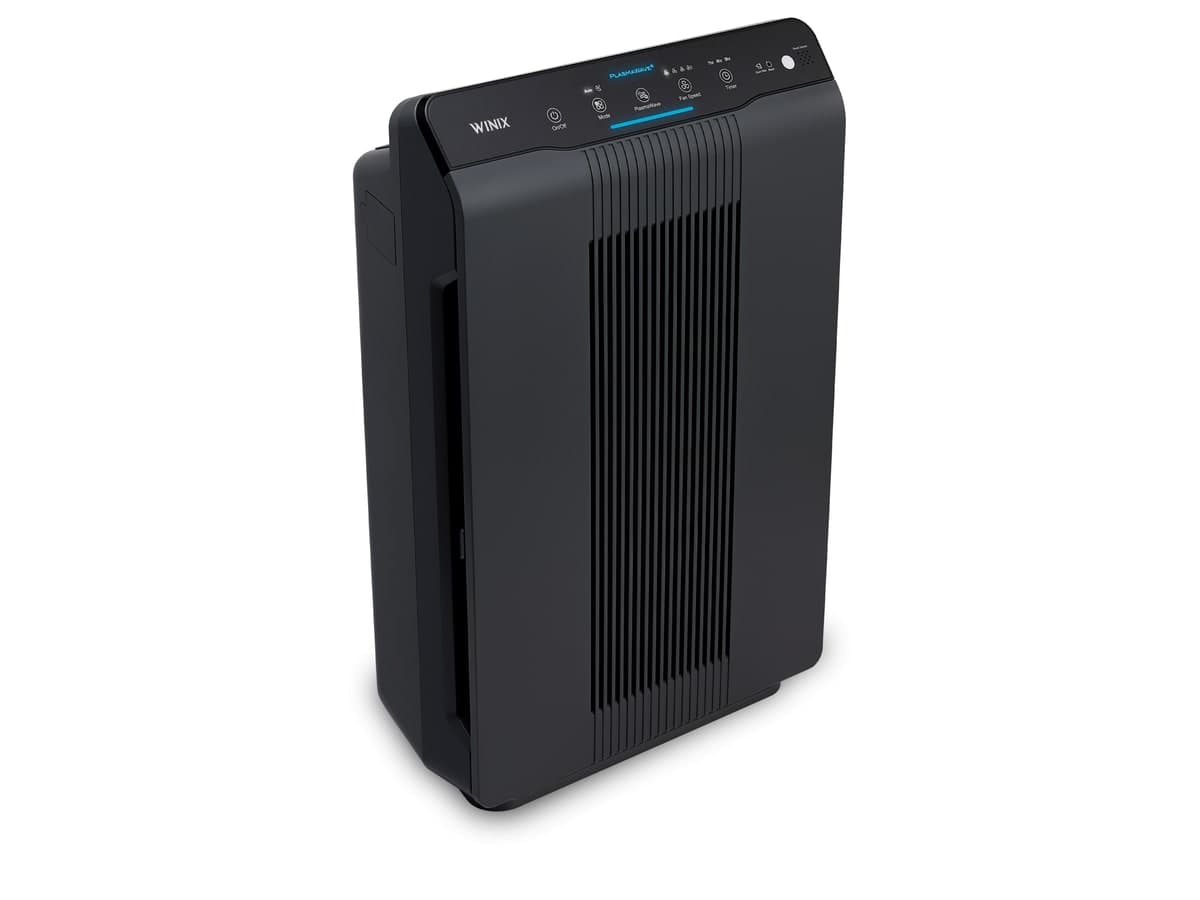
Basements are dusty, and the Winix 5500-2's washable carbon pre-filter is a real advantage down there. You rinse and reuse it rather than replacing it as often, which keeps long-run costs down even in a grimier space, and it pairs that with genuine True HEPA and a sensor-driven auto mode. Coverage runs to about 360 sq ft with a smoke CADR of 232, so it matches the Coway for room size. It includes PlasmaWave ionization, which you can and should switch off. At around $160 with cheap ongoing maintenance, it's the value pick for a working basement.
Best for heavier mustiness and app control: Winix 5530
Winix
5530
Mid-range · 253 CFM CADR · 392 sq ft
Paid links: we may earn a commission at no cost to you. Disclosure
The Winix 5530 is the step up when the 5500-2's smell control isn't enough. Its Filter Q puts a bed of granular activated carbon between the pre-filter and the True HEPA layer, more adsorbent material than the carbon wraps on most mid-size units, and its 253 CFM smoke CADR covers about 392 sq ft. Wi-Fi and the Winix app mean you can raise the fan speed from upstairs on a humid afternoon instead of making a trip down.
There's a basement-specific catch. Like the 5500-2, it has a light sensor that drops it into Sleep mode when the room goes dark, and in a basement with the lights off most of the day, Auto can spend hours at its lowest setting. If that happens, set a fixed speed in the app. Filter Q costs $79.99 at list and lasts about a year, and Winix rates the 5530 at 65 W at full power, which works out to about $97 a year at $0.17/kWh if you ran it flat out around the clock. PlasmaWave is switchable, as on the 5500-2.
Best for a large basement: Levoit Core 600S
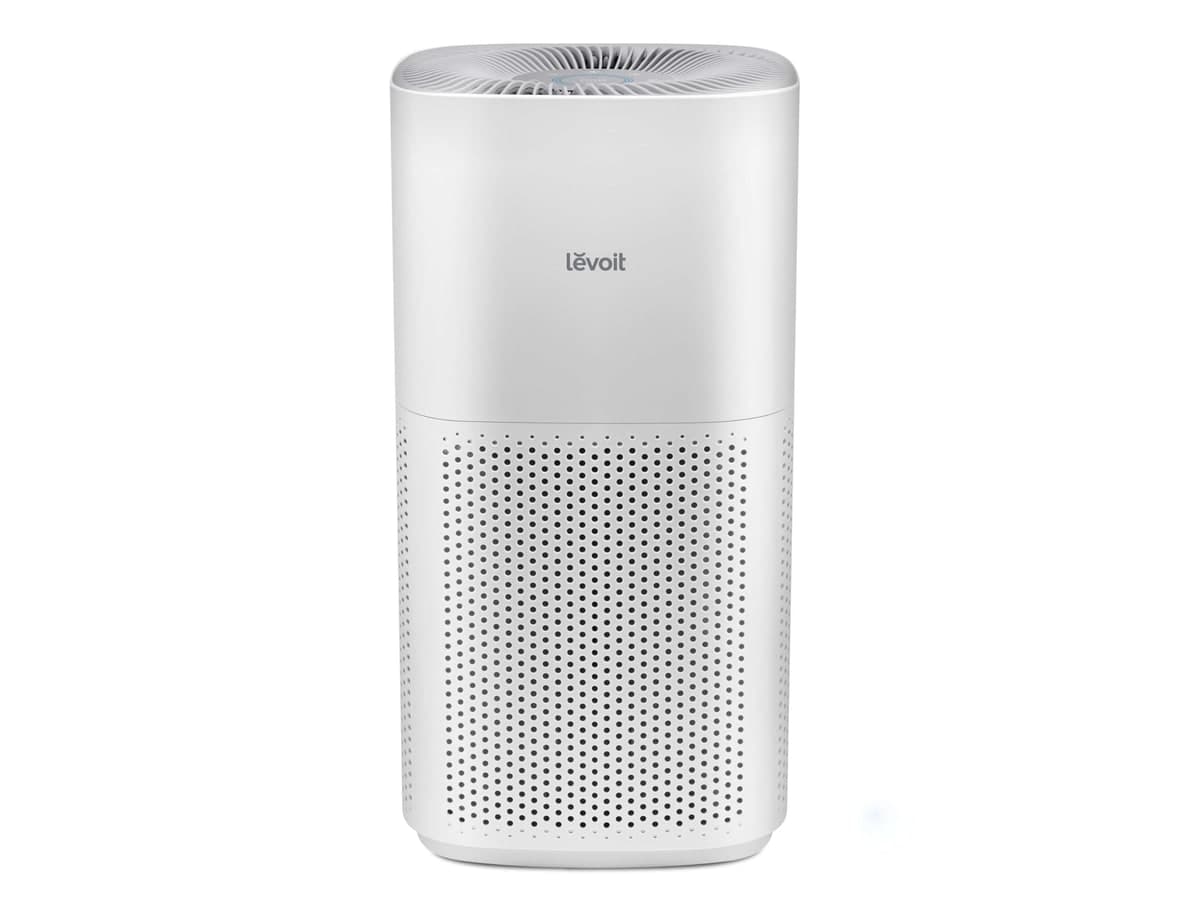
Mid-range · 391 CFM CADR · 606 sq ft
Paid links: we may earn a commission at no cost to you. Disclosure
If your basement is a big open floor, the Levoit Core 600S has the muscle for it. Its CADR around 391 CFM keeps pace with about 606 sq ft at a genuine air-change rate, and it still runs quietly while drawing a modest 49 watts. You get HEPA-grade filtration plus carbon for odors, along with the full smart package — app, sensor, and auto mode — so it manages itself and you can check on it without a trip downstairs. At around $300 it's the best clean-air-per-dollar option here for a large basement that a smaller unit would struggle to cover. Its carbon stage is modest, though, so in a large basement with a strong smell the AirDoctor below does more.
Best for odors and VOCs: AirDoctor AD5500i
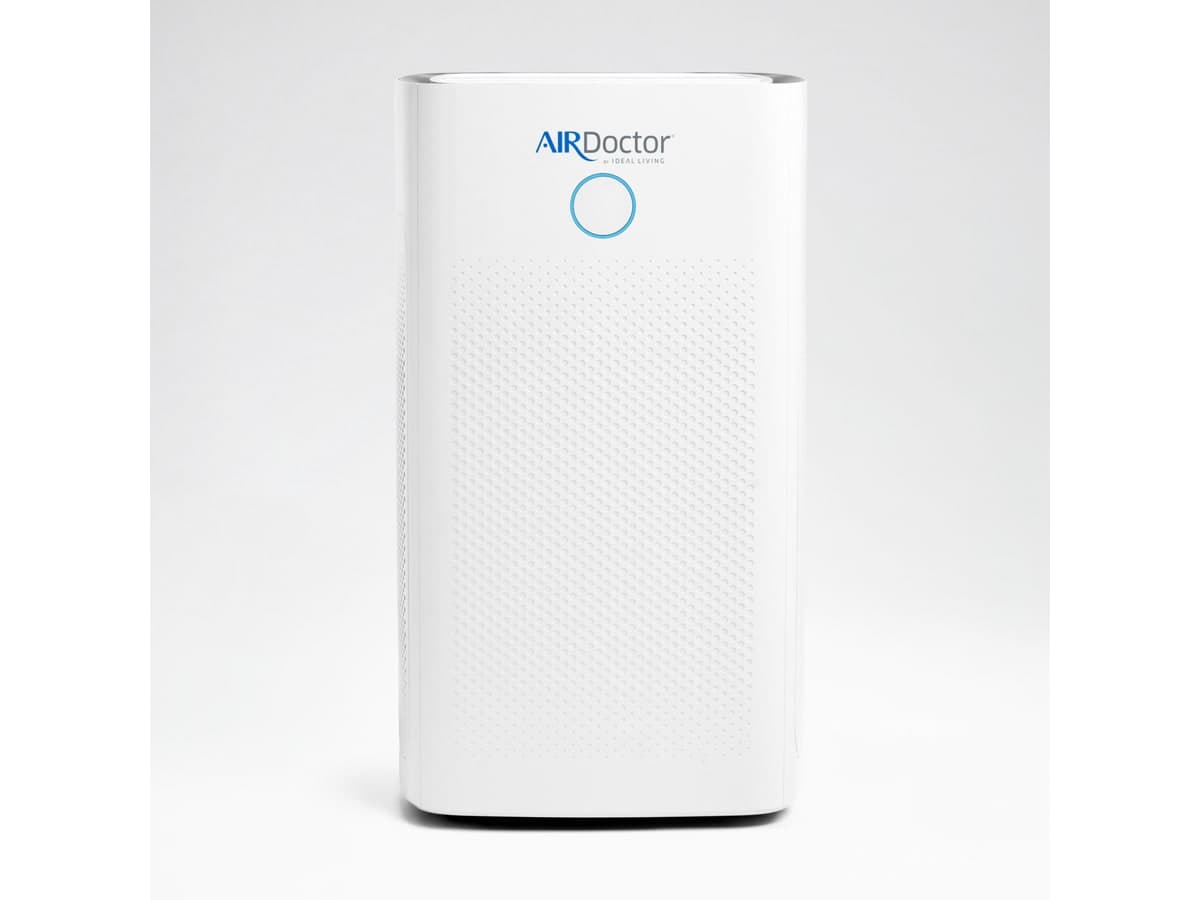
Premium · 556 CFM CADR · 862 sq ft
Paid links: we may earn a commission at no cost to you. Disclosure
When the basement problem is heavy odors, solvents, or off-gassing from stored paint and chemicals, the AirDoctor AD5500i brings serious gas-handling firepower. Its UltraHEPA filter is backed by a dual carbon and VOC stage far larger than the token carbon in cheaper units, so it adsorbs musty odors and volatile compounds more aggressively, and it pushes a high CADR around 556 CFM to cover a large space fast. Wi-Fi, an app, and auto mode round it out. It's a premium buy around $999 with filters near $355 a year, but for a basement with a real odor or VOC problem, nothing else here matches its carbon capacity.
How to choose the right one for you
Start with the moisture: check the humidity, fix any water getting in, and run a dehumidifier if the reading stays high, because no purifier on this list will dry the space. Then do the smell test: if the basement is still musty, prioritize a genuine carbon stage, because that's the layer that actually adsorbs odor — activated carbon filters explained covers how it works and when it's worn out. Size the unit by running your square footage through the room-size to CADR calculator, and if you're seeing visible mold rather than just a smell, our best air purifiers for mold roundup goes deeper on that specific problem.
Frequently asked questions
Will an air purifier get rid of a musty basement smell?
It will reduce the airborne part of the smell if it has a real activated-carbon filter, which adsorbs the odor molecules, while the HEPA layer catches mold spores drifting in the air. But it won't stop the smell coming back, because musty odor is a symptom of dampness. Run carbon filtration to clean the air, and fix the moisture at its source to keep the smell from returning.
Does an air purifier remove basement mold?
A HEPA purifier captures mold spores floating in the air, which helps the air you breathe. It does not remove mold growing on walls, joists, or stored boxes, and it does nothing about the damp conditions that let mold grow. Think of it as one layer: clean the airborne spores with HEPA and carbon, but remediate visible mold and control humidity to actually solve the problem.
Do I need a dehumidifier or an air purifier for a damp basement?
If the basement is damp, the dehumidifier comes first, because it is the only one of the two that removes water from the air. An air purifier cleans particles and odors but does not lower humidity at all. Once humidity is under control, add a purifier to deal with the spores and smell that are left — they're partners, not substitutes.
What features matter most in a basement air purifier?
A genuine activated-carbon stage is the priority, since it's what tackles the musty odor and VOCs basements are prone to. Then size the CADR to the square footage so it can actually keep up. A washable pre-filter is a bonus in a dustier basement. Smart features are optional, though an app is handy for a room you don't visit often.
Why does my Winix run on its lowest speed in the basement?
The Winix 5500-2 and 5530 have a light sensor that switches them into Sleep mode when the room goes dark, and an unlit basement can look like night all day. Choose a fixed fan speed instead of Auto (from the 5530's app, or the buttons on either model) so it keeps moving air.
Can an air purifier remove carbon monoxide or radon from a basement?
No. Air purifiers capture particles and, with carbon, adsorb some gases and odors, but they do not remove carbon monoxide, and they are not a radon mitigation system. Both are serious basement hazards that need dedicated detectors and, for radon, professional mitigation. Use a purifier for dust, spores, and musty odors — never as a substitute for a CO alarm or radon testing.