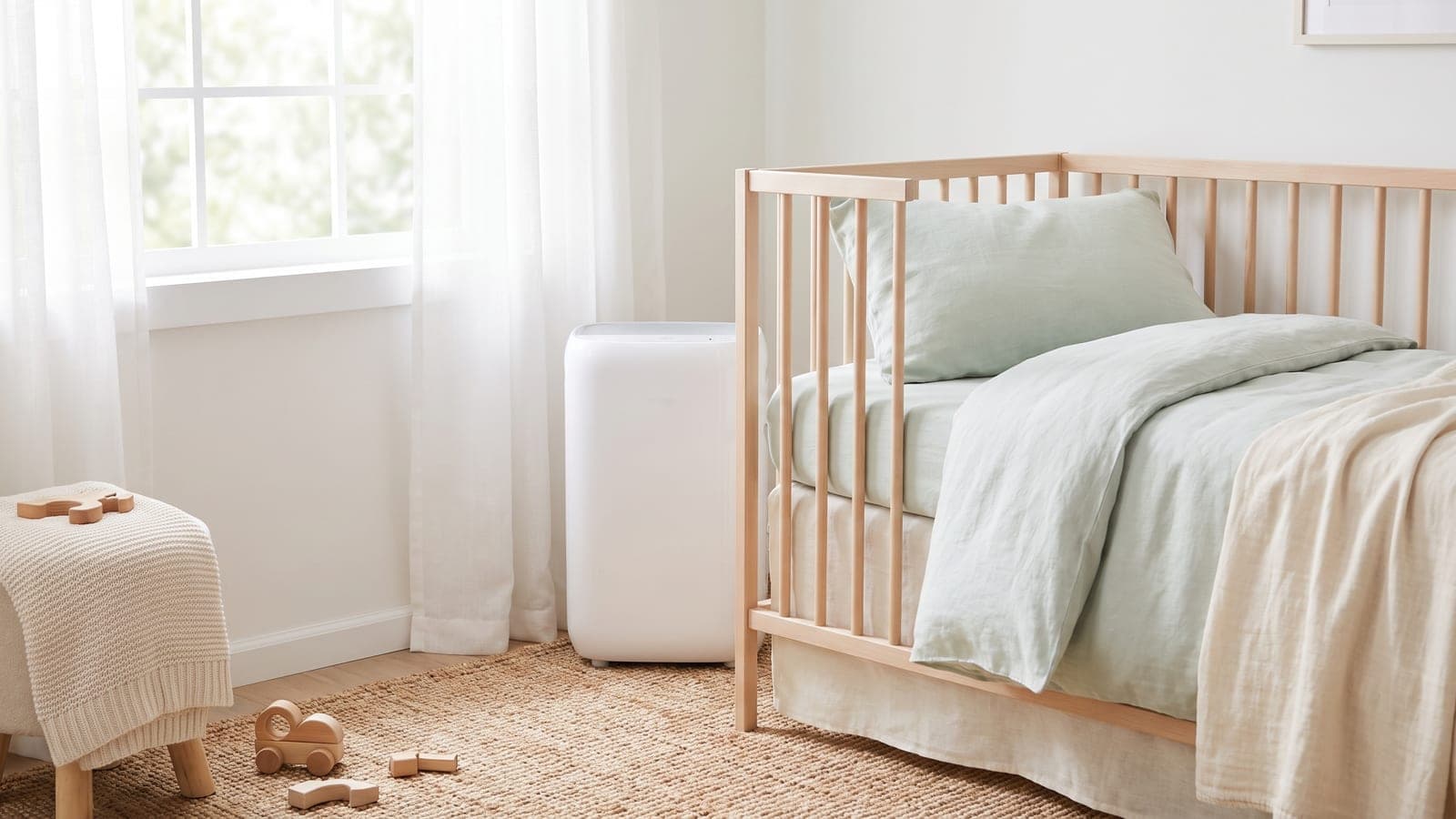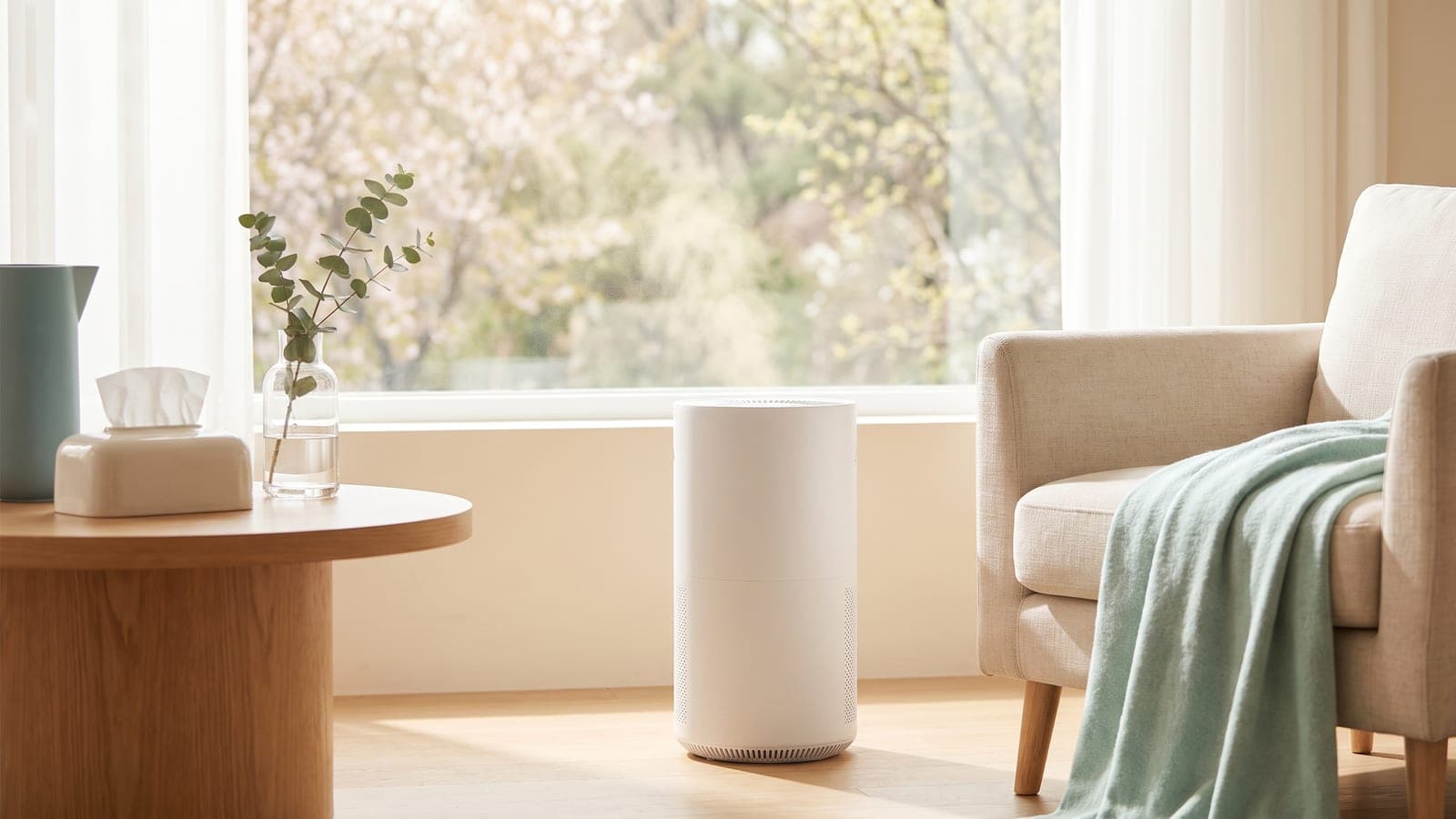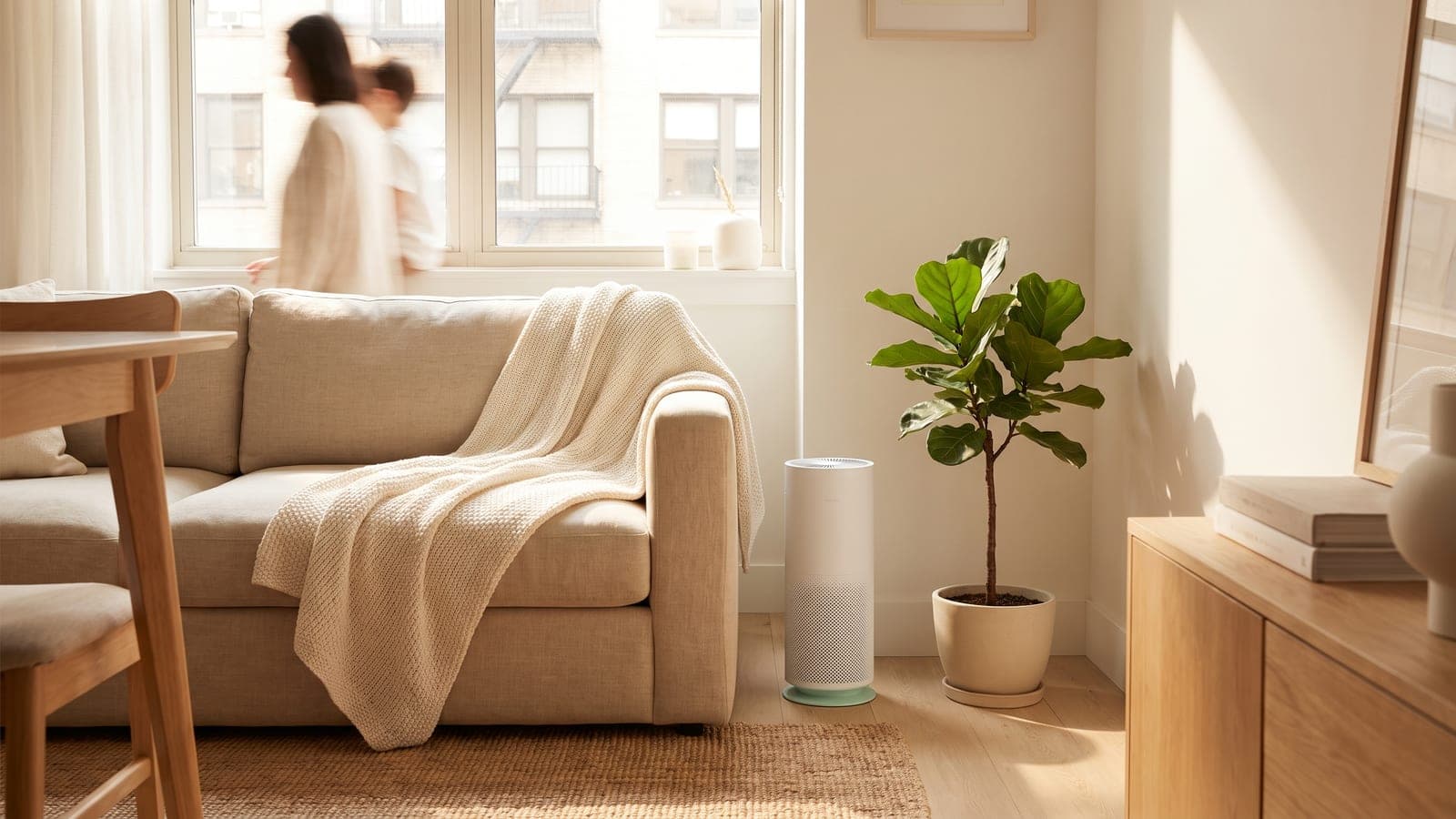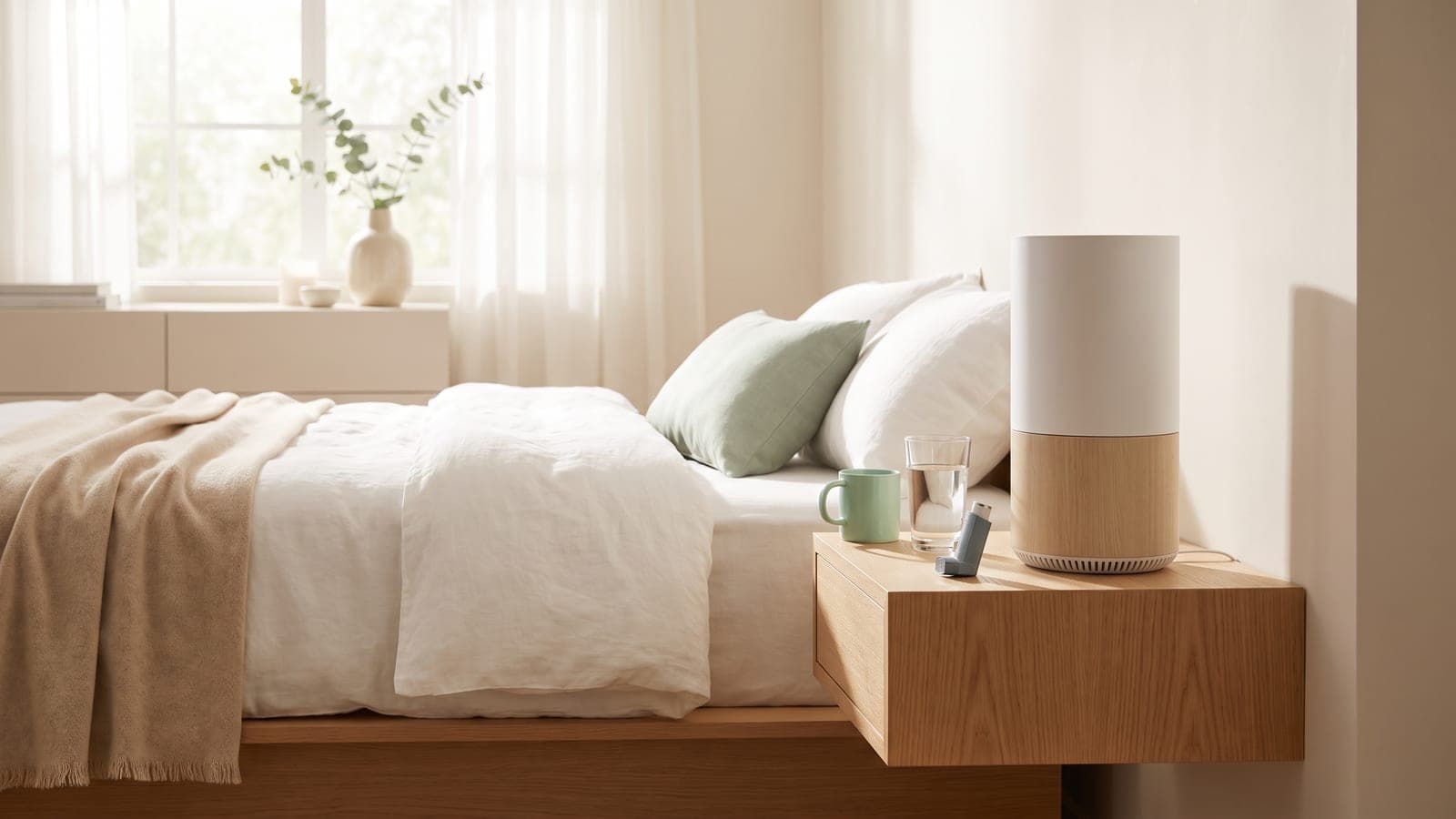
If you have asthma, the case for an air purifier is straightforward: fewer airborne triggers in the air you breathe can mean fewer symptoms. The features that matter are a fine-particle filter, enough clean-air output to turn the room's air over four or five times an hour, quiet operation so it runs all night, and no ionizer. Our top pick is now the Coway Airmega Mighty2, which meets all four without asking you to remember a setting. One honest caveat up front: an air purifier is a helpful tool, not a medical device — manage asthma with your doctor.
Quick answer
| Model | CADR (smoke) | Coverage | Filters/yr | Ionizer | Best for |
|---|---|---|---|---|---|
| Coway Airmega Mighty2 | 240 CFM | 372 sq ft | ~$70 | None | Best overall for asthma |
| Levoit Core 300S | 141 CFM | 219 sq ft | ~$45–$60 | None | Best budget bedroom pick |
| Levoit Vital 200S-P | 250 CFM | 388 sq ft | ~$50 | None listed | Best app-controlled pick |
| Levoit Core 600S | 391 CFM | 606 sq ft | ~$60 | None | Best for large rooms |
| IQAir HealthPro Plus | N/A (HyperHEPA) | 1,125 sq ft | ~$200 | None | Best for severe cases and sensitivities |
Coverage is smoke CADR × 1.55, the room each unit can clean about 4.8 times an hour with 8 ft ceilings. IQAir doesn't publish an AHAM CADR, so its coverage is IQAir's own figure.
Key takeaways
- True HEPA (H13) is the core requirement — it captures 99.97% of particles at 0.3 microns, which covers the pollen, dander, dust, and smoke that trigger many asthma flare-ups. "HEPA-type" isn't the same thing.
- Size up on air changes. For a sensitive respiratory condition, aim for four to five air changes an hour rather than the two or three that suffice for general use.
- Skip ozone and ionizers. Ozone is a lung irritant that can worsen asthma. None of the five picks below has an ionizer, so there is nothing to switch off.
Best overall for asthma: Coway Airmega Mighty2
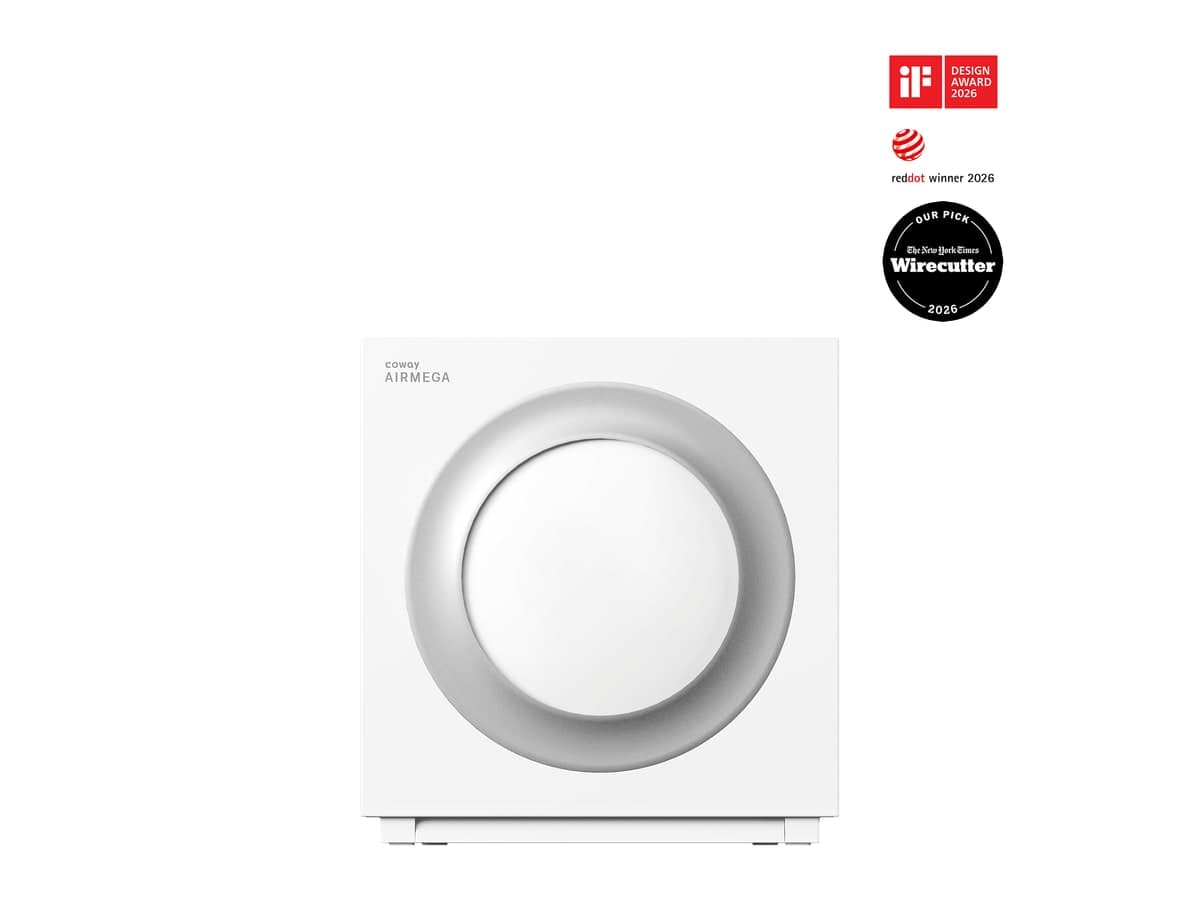
Mid-range · 240 CFM CADR · 372 sq ft
Paid links: we may earn a commission at no cost to you. Disclosure
The Coway Airmega Mighty2 is the purifier to start with. Its 240 CFM smoke CADR turns over a 12 × 15 ft bedroom about 10 times an hour on top speed, so even its quieter middle settings clear the asthma target with room to spare. Coway rates the low end at 19 dB, and the 56 W maximum draw is well below the 77 W of the model it replaces.
What moves it ahead of the original Mighty for asthma is what Coway took out. The AP-1512HH has an ionizer you are told to leave off; the Mighty2 has none. Its laser sensor tracks PM1, PM2.5 and PM10, and HouseFresh found it responds much faster than Coway's older optical sensors, which matters when a trigger like cooking smoke drifts in. Filtration is a single HEPA-and-carbon cartridge at $69.99 a year, plus a washable pre-filter that slides out of the side.
One setting to know: in Smart mode a light sensor switches the unit to Sleep about three minutes after the room goes dark. That keeps nights quiet, but if overnight symptoms are your main problem, pick a fixed fan speed before bed so the airflow doesn't drop to its lowest step. The Mighty vs Mighty2 comparison covers whether an older Mighty is worth replacing.
Best budget bedroom pick: Levoit Core 300S
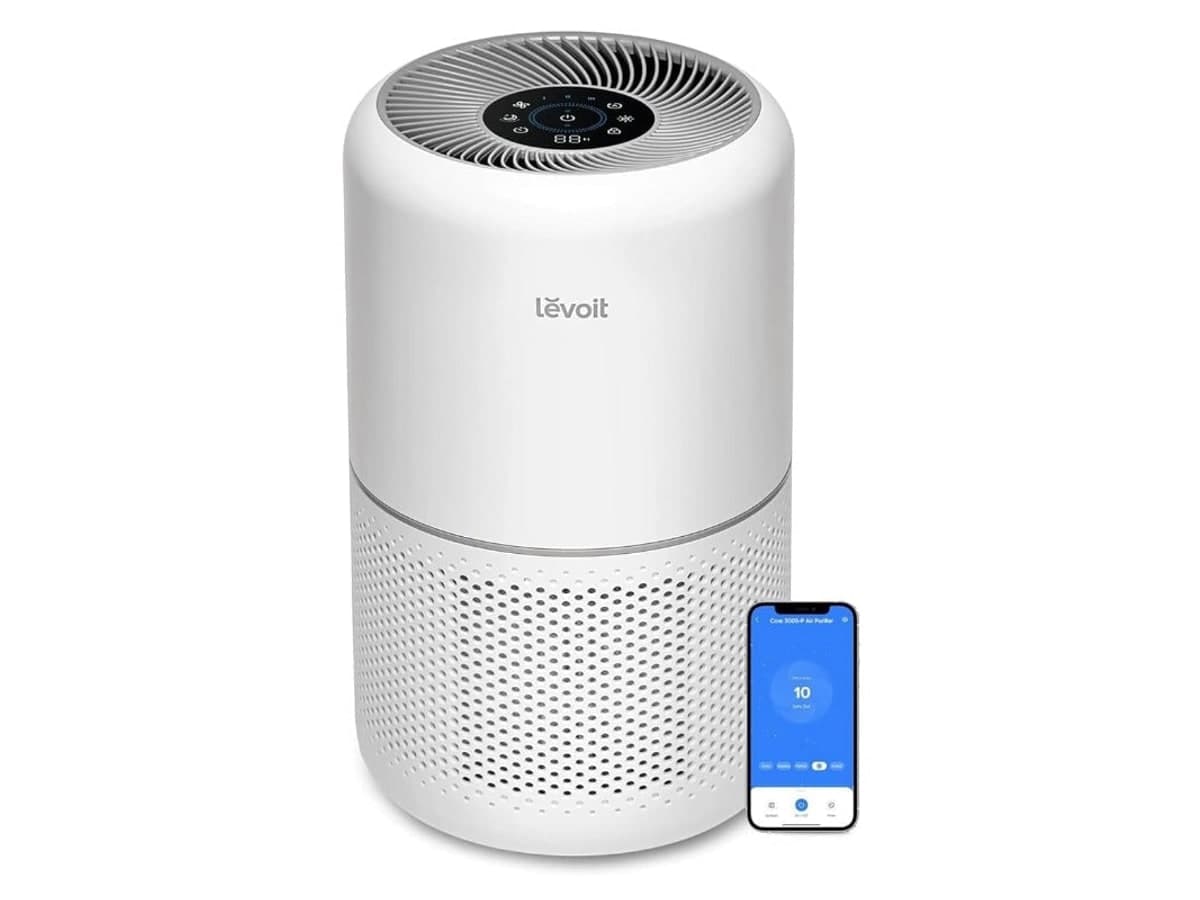
For real relief in a bedroom at around $100, the Levoit Core 300S is the value pick. It uses a genuine H13 True HEPA filter plus carbon, has an air-quality sensor and auto mode, and drops to a near-silent sleep setting in the low 20s dBA — ideal for overnight running, which is when an asthma purifier earns its keep. At just 24 watts it costs almost nothing to run continuously. Its limit is coverage: rated for about 219 sq ft, it's built for small rooms, so don't ask it to handle a great room. Within its footprint, it's the strongest asthma value on the list.
Best app-controlled pick: Levoit Vital 200S-P
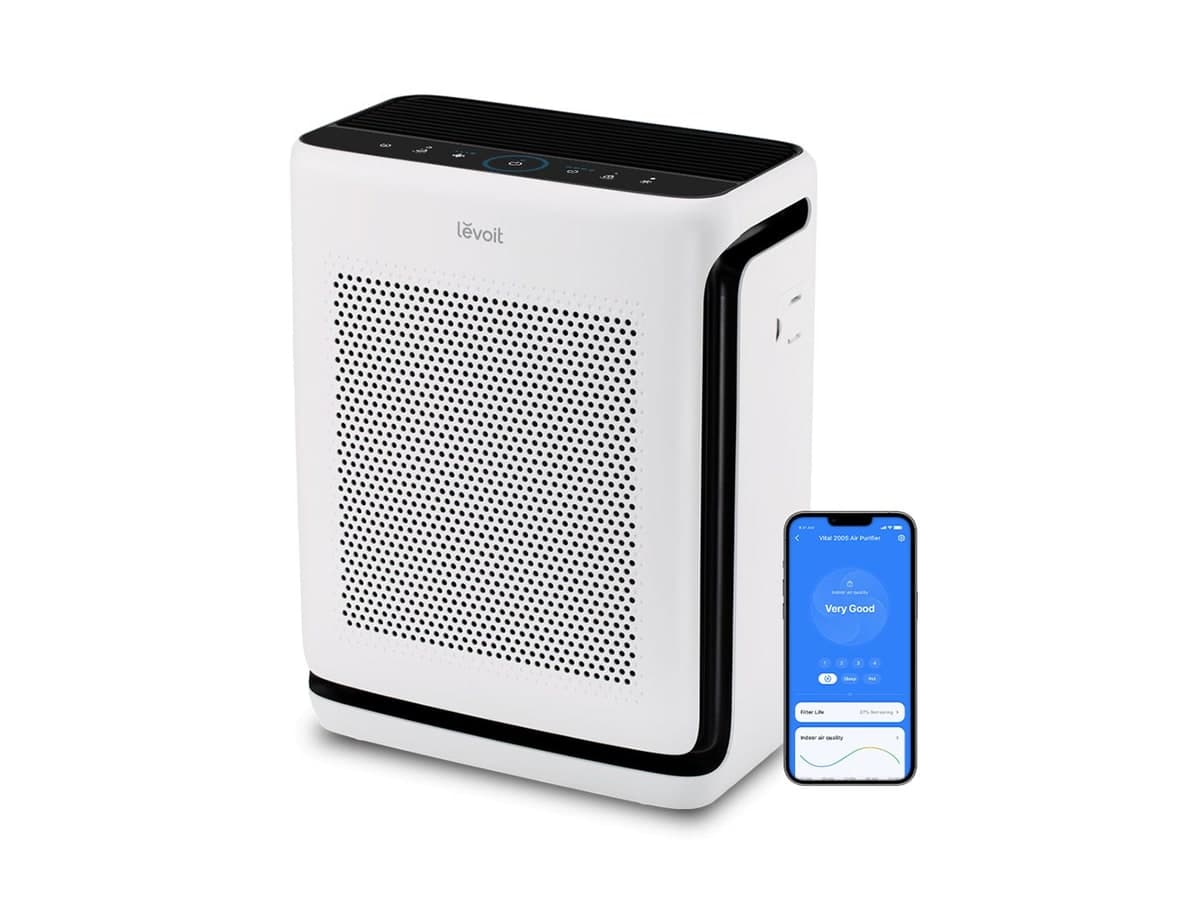
Mid-range · 250 CFM CADR · 388 sq ft
Paid links: we may earn a commission at no cost to you. Disclosure
If you want to schedule the purifier around your day — high speed for an hour before bed, lower while you're at work — the Levoit Vital 200S-P does it from the VeSync app and adds the airflow to justify it. Its 250 CFM AHAM smoke CADR is the highest of the mid-size picks here, good for roughly 388 sq ft at the asthma air-change rate, and it draws a measured 8 W on speed 2 according to HouseFresh.
Levoit lists only mechanical stages (a washable pre-filter, a HEPA-grade filter rated 99.97% at 0.3 microns, and carbon) and no ionizer. For asthma that's triggered by a pet, Pet Mode alternates speed 3 and speed 2 so dander gets pulled down through the day, and the separate pre-filter can be rinsed when hair builds up. The main filter costs $49.99 and lasts about a year, sooner in a pet home.
The round Levoit Core 400S-P is a reasonable alternative at 231 CFM, also without an ionizer. Just don't mix it up with the PlasmaPro 400S, which looks the same and does ionize.
Best for large rooms: Levoit Core 600S
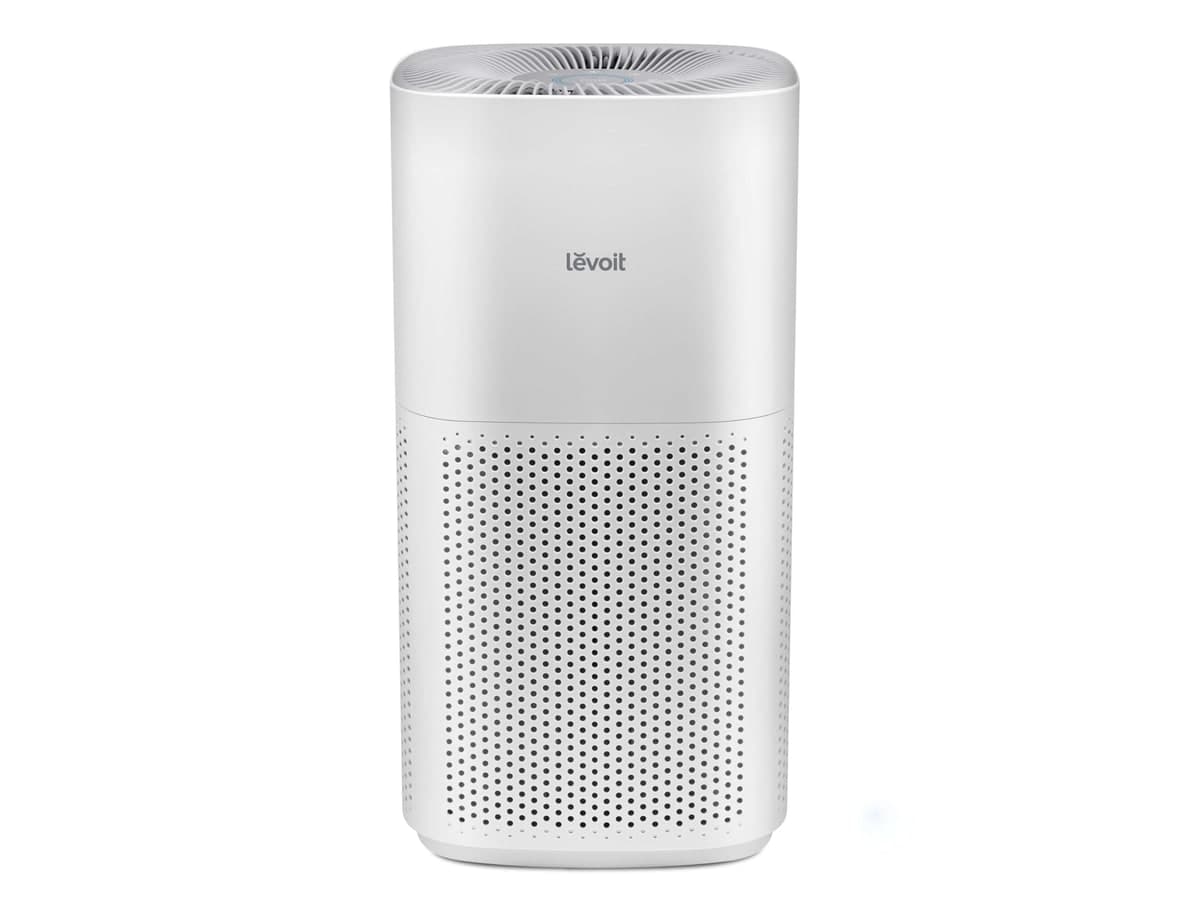
Mid-range · 391 CFM CADR · 606 sq ft
Paid links: we may earn a commission at no cost to you. Disclosure
When your problem room is big — an open living area or a large bedroom — a properly sized machine is the difference between "helps a little" and steady, noticeable relief. The Levoit Core 600S delivers a 391 CFM CADR across up to 606 sq ft at a strong air-change rate, pairs HEPA-grade filtration with carbon, and adds Wi-Fi with app scheduling so you can ramp it up before high-pollen mornings. It stays quiet at 26 dBA on low and draws a modest 49 watts. At around $300 it's a step up in cost, but for large spaces it keeps up where smaller units fall behind. If you're weighing it against a smaller round Levoit, the Core 400S-P vs Core 600S comparison works through the room-size cutoff.
Best for severe cases and sensitivities: IQAir HealthPro Plus
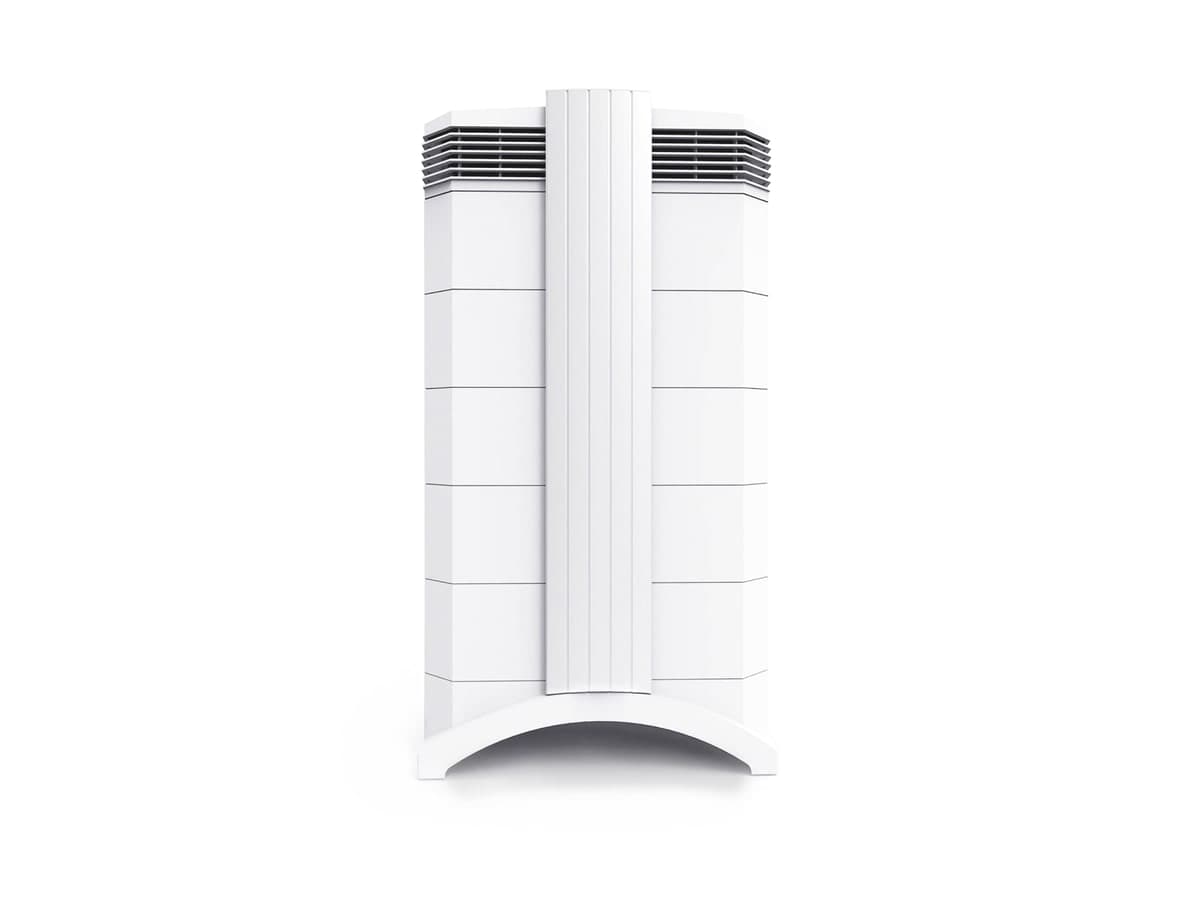
When asthma is severe, or shades into broader chemical sensitivity, the IQAir HealthPro Plus is the benchmark. Its HyperHEPA filtration is rated to capture particles well below the standard HEPA threshold, and a large V5-Cell gas-and-odor stage handles the VOCs that some people react to. It covers rooms up to 1,125 sq ft and is backed by a 10-year warranty. The costs are real — roughly $1,199 to buy and around $200 a year to re-filter — and IQAir publishes no CADR to size it by, although the current XE version adds an app and a sensor-driven auto mode. But for sheer filtration quality in a demanding case, nothing here matches it. As always, pair it with your doctor's plan, not in place of it.
Which popular purifiers have an ionizer?
If you're cross-shopping beyond this list, these are the ones to check before you buy:
- Coway Airmega AP-1512HH Mighty (the original): optional ionizer you can switch off. Its successor, the Mighty2, has none.
- Winix 5500-2, Winix 5510 and Winix 5530: PlasmaWave ionization, switchable. Fine for asthma only if you're willing to keep it off.
- Blueair Blue Pure 211+: its HEPASilent system charges particles as part of how it filters, and that stage can't be turned off.
- Levoit PlasmaPro 400S: the ionizing twin of the Core 400S-P.
The ionizer and ozone safety guide explains what these features emit and why the filter, not the ionizer, does the real cleaning.
How to choose the right one for you
Start with the room you'll run it in — usually the bedroom — measure it, and use the air-changes-per-hour calculator to confirm your pick can turn that room's air over four to five times an hour. If it can't, size up. Make sure the filter is genuine True HEPA and not "HEPA-type"; our guide on what a HEPA filter really is shows the difference. Because asthma triggers overlap heavily with allergy triggers, our best air purifiers for allergies roundup is a useful companion read. And to say it once more: a purifier reduces airborne triggers, but it is not a treatment — talk to your doctor about managing asthma.
Frequently asked questions
Do air purifiers help with asthma?
They can reduce airborne triggers — fine particles, pollen, dust mite debris, pet dander, and smoke — that provoke asthma symptoms for many people. A True HEPA purifier sized correctly for the room is the tool for that job. It is not a treatment, though: an air purifier is not a medical device, and you should manage asthma with your doctor's guidance, not in place of it.
What air purifier features matter most for asthma?
A filter rated to capture 99.97% of particles at 0.3 microns, a CADR high enough for four to five air changes an hour in your room, and quiet operation so you'll run it overnight. Avoid ozone generators and ionizer-only units — ozone is a lung irritant and can worsen asthma. Every pick on this page has no ionizer at all.
How many air changes per hour do I need for asthma?
Aim higher than for general use — four to five air changes an hour is a good target for a sensitive respiratory condition, versus the two or three that suffice for everyday freshening. Our air-changes calculator lets you check whether a given CADR hits that mark for your room size.
Should I avoid ionizing air purifiers if I have asthma?
Be cautious. Ozone-generating purifiers are a lung irritant and are best avoided entirely. Some HEPA units include an ionizer you can switch off, such as the original Coway Mighty (AP-1512HH) and Winix's PlasmaWave models including the 5530; leave it off and let the filter work. The Coway Mighty2 dropped the ionizer altogether, which is one reason it now leads this list.
Is the Levoit Core 400S-P the same as the PlasmaPro 400S?
They share a body and a filter, but the PlasmaPro 400S adds an ionizer and the Core 400S-P does not. If you have asthma and want the round Levoit, check the box says Core 400S-P before you buy.
Where should I put an air purifier if I have asthma?
The bedroom, first. You spend roughly a third of the day there, and overnight is when clean air does the most to ease morning symptoms. If you can only run one unit, put it where you sleep and size it for that room.