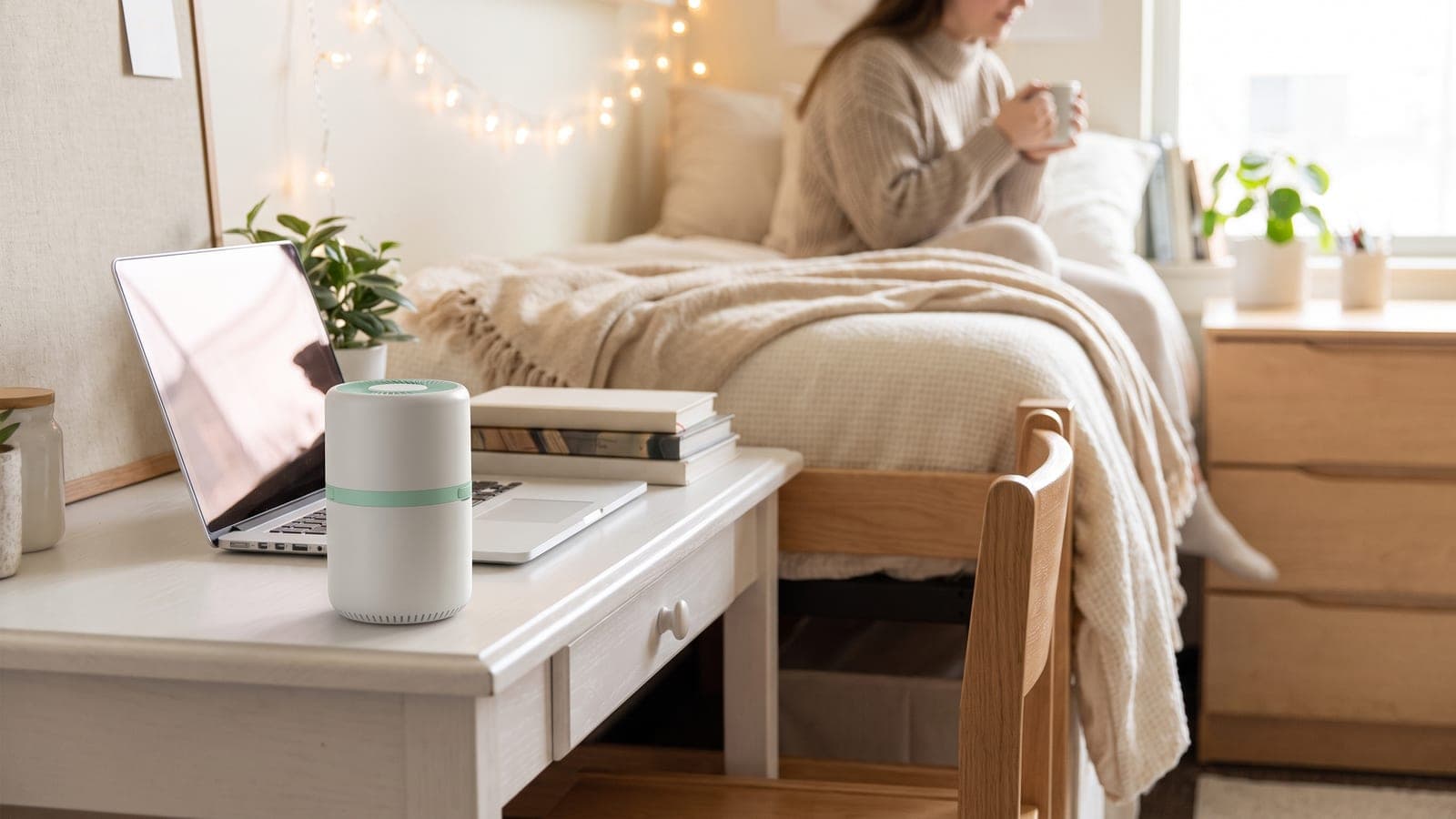
A dorm room is a small space with big air demands: two people, closed windows, laundry, snacks, and whatever everyone tracks in from a crowded building. The good news is that small rooms are easy to clean well, so you don't need a big or expensive machine — you need one that's compact, quiet enough to sleep and study beside, cheap to feed, and sized to the square footage. The picks below keep it to three genuinely dorm-friendly options, from a single-occupant desk unit to a shared-double workhorse.
Quick answer
| Model | CADR (smoke) | Coverage | Filters/yr | Best for |
|---|---|---|---|---|
| Levoit Core 300S | 141 CFM | 219 sq ft | ~$45–$60 | Best overall |
| Coway Airmega AP-1512HH Mighty | 233 CFM | 361 sq ft | ~$60 | Shared / roommate |
| Winix 5500-2 | 232 CFM | 360 sq ft | ~$60 | Budget larger room |
Key takeaways
- Small rooms are easy — buy compact, not big. A dorm's tight square footage means a modest-CADR unit clears it easily; oversizing just adds noise and bulk you don't have space for.
- Quiet and cheap filters win. You live and sleep in one room, so prioritize a low sleep-mode dBA and a filter bill you can actually afford as a student.
- Skip or switch off ionizers. Pick a unit that's ozone-free or has an off-able ionizer, both to satisfy dorm rules and to avoid a lung-irritant risk.
Best overall for dorm rooms: Levoit Core 300S
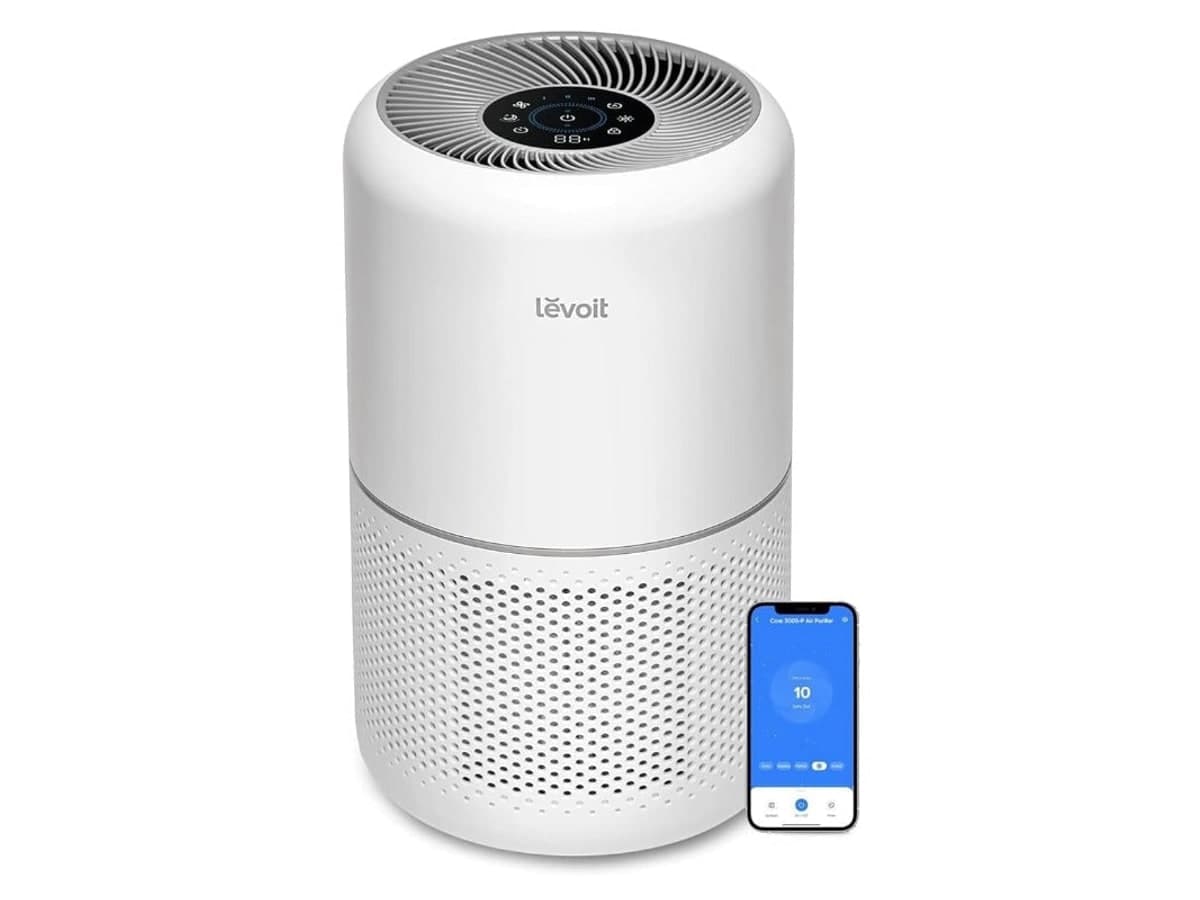
For a single or a small shared room, the Core 300S is the ideal dorm purifier. It's compact enough to sit on a desk or nightstand, runs genuine H13 True HEPA plus carbon, and draws just 24 watts, so it barely registers on anyone's power bill. It's whisper-quiet at its sleep setting — key when your bed is a few feet away — and covers rooms up to about 219 sq ft, which fits most singles. You even get an app and auto mode at around $100, and it's ozone-free with no active ionizer. For the money, size, and quiet, it's the easy first pick.
Best for a shared room: Coway Airmega AP-1512HH Mighty
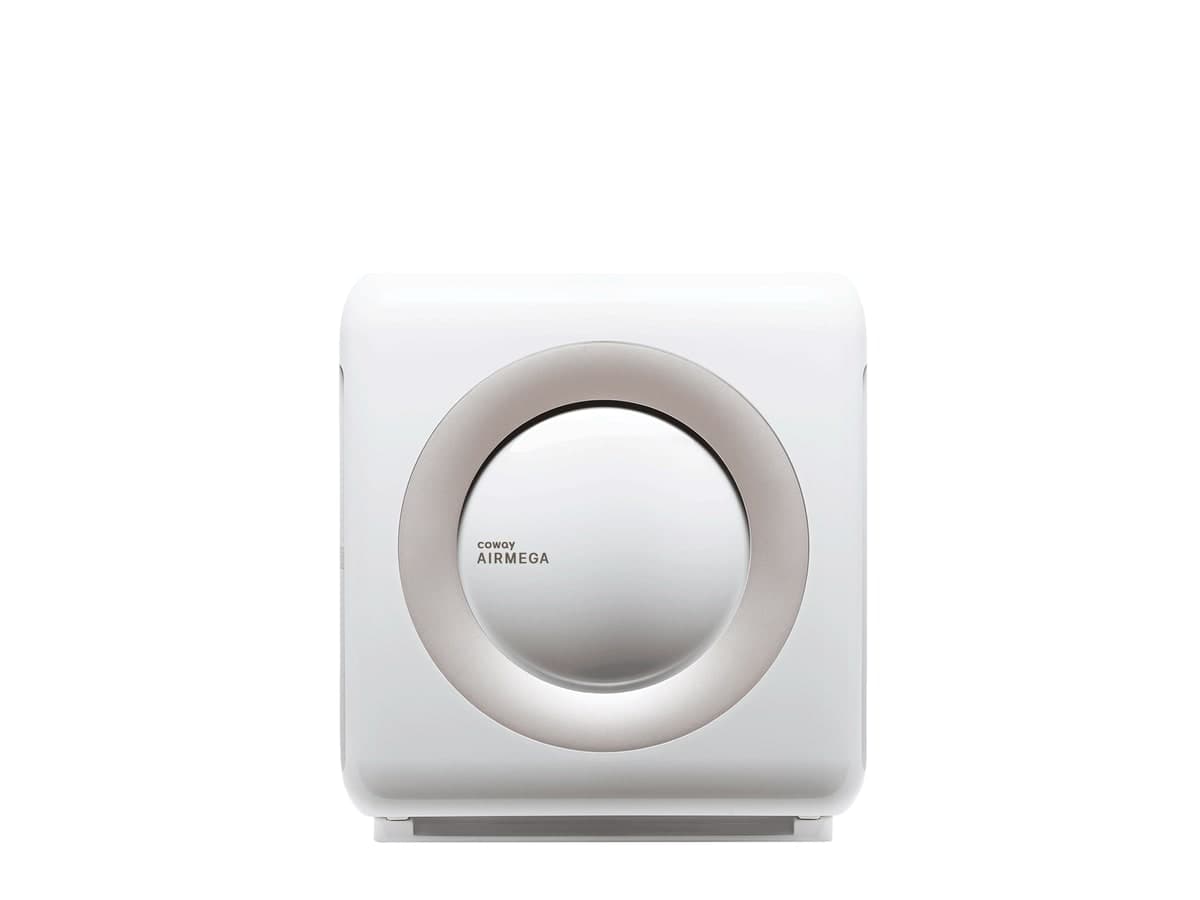
Mid-range · 233 CFM CADR · 361 sq ft
Paid links: we may earn a commission at no cost to you. Disclosure
Two people in one room double the dust, odors, and dander, and the Mighty has the extra capacity to keep up. It covers up to about 361 sq ft with True HEPA and carbon filtration, and its trusted sensor and auto mode manage the fan for you, ramping up when someone's cooking instant noodles and settling back down after. It runs quietly for its output and filters are cheap at roughly $60 a year. The optional ionizer can stay off. At around $240 it's a step up in price, but for a shared double it's the more comfortable fit.
Best budget pick for a larger room: Winix 5500-2
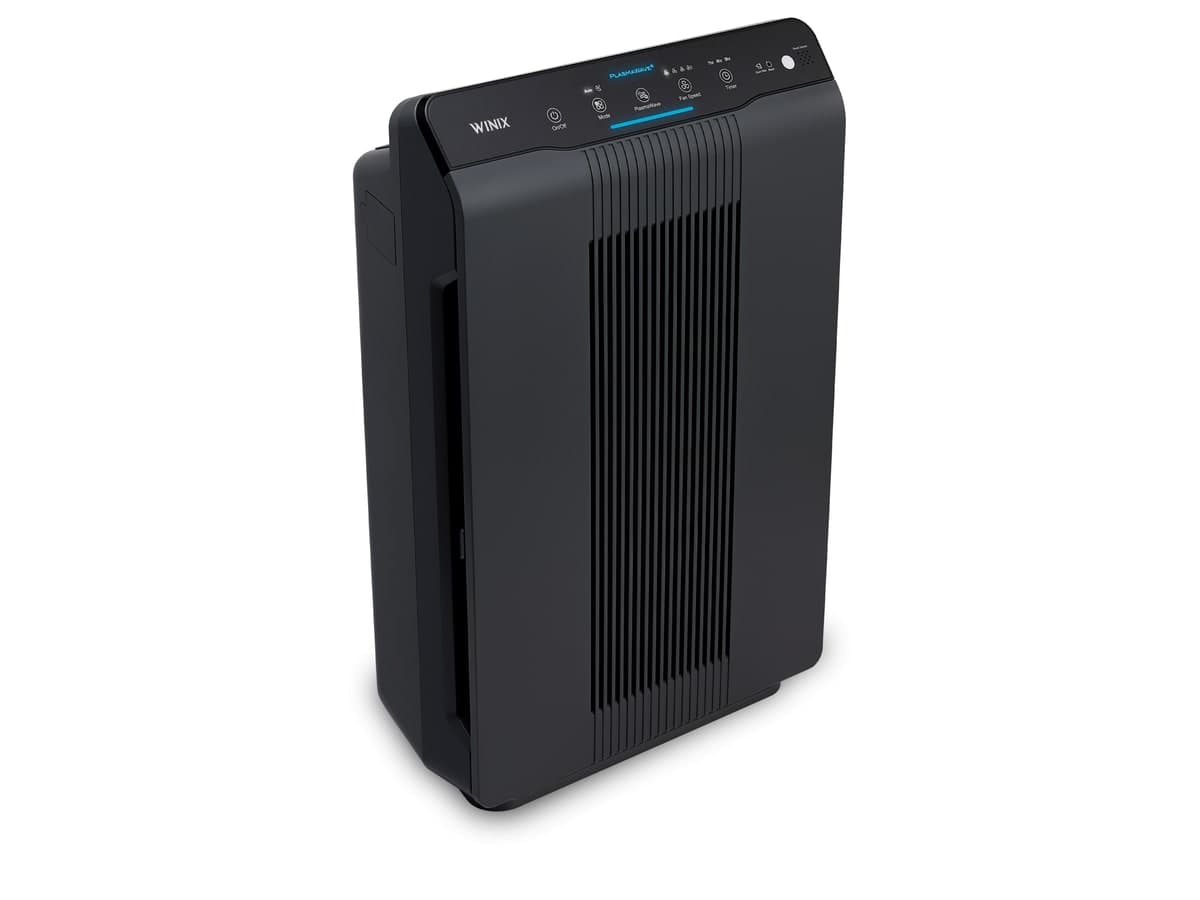
If your room runs big — a suite or a converted larger space — but the budget is tight, the 5500-2 covers about 360 sq ft for around $160. It brings genuine True HEPA plus a washable carbon pre-filter you rinse and reuse, which keeps ongoing costs low over a school year, along with a sensor and auto mode. Its CADR near 243 handles a bigger room the compact Levoit can't. It includes PlasmaWave ionization, which you can switch off to satisfy dorm rules and skip the ozone risk. For the most coverage per dollar, it's the value choice.
How to choose the right one for you
Start with how big your room is and how many people share it: a single is well served by the compact Levoit, a shared double is more comfortable with the Coway's extra capacity, and a genuinely large room on a budget points to the Winix. Since a dorm is a small space, resist the urge to oversize — a modest-CADR unit clears a tight room easily, and what CADR and CFM really mean explains why the coverage number on the box overstates things. Because you'll be paying for filters out of a student budget, run each unit through the filter-cost calculator to see the real annual cost before you buy. And since a dorm is really just a bedroom you also study in, our best air purifiers for bedrooms and best budget air purifiers roundups both carry more options in the same quiet, affordable vein.
Frequently asked questions
What size air purifier is best for a dorm room?
Most dorm rooms are small — often 150 to 250 sq ft — so a compact unit around 140 CADR is plenty for a single, and a mid-size one near 230 CADR comfortably covers a shared double. Sizing up beyond that mostly buys noise and a bigger footprint you don't have room for. Match the CADR to the actual square footage rather than reaching for the biggest machine.
Are air purifiers allowed in dorm rooms?
Almost always, since a HEPA air purifier is just a fan and a filter — no open flame, no heating element, nothing on most banned-appliance lists. The one thing to check is your school's policy on ionizers or ozone, and the easy answer is to pick a unit with no ionizer or one you can switch off. Every pick here is ozone-free or has an off-able ionizer.
How much does it cost to run an air purifier in a dorm?
Very little. These compact units draw between about 24 and 70 watts, so the electricity is a few dollars a month even running most of the day. The ongoing cost that matters more is filters, which run roughly $45 to $60 a year here. Our filter-cost calculator turns a unit's replacement schedule into a real annual figure so there are no surprises.
Will an air purifier help with dorm smells and roommate allergies?
Yes on both fronts. A genuine True HEPA filter captures the dust, pollen, and dander that trigger allergies, and a carbon layer adsorbs cooking, smoke, and general funk odors that build up in a small shared room. It won't replace opening a window occasionally, but for a stuffy dorm shared by two people it makes a real, noticeable difference.
Do I need a smart air purifier with an app for a dorm?
Not really. An app is a nice convenience for scheduling around class, but a good sensor and auto mode clean the air just as well without it, and skipping smart features can save money. For a tight budget, a simple, quiet, well-sized unit beats a fancier one you paid extra for. Treat the app as optional, not essential.